
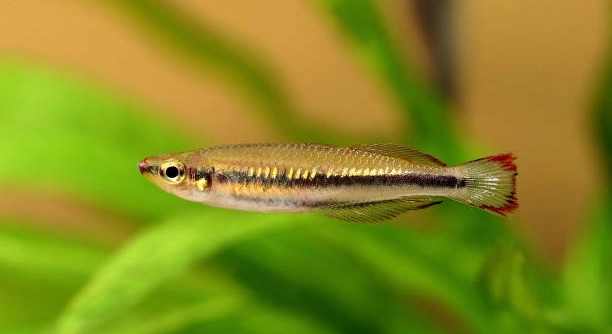
Have you ever noticed your rainbowfish swimming lazily and ignoring their usual meals? Changes in appetite can be worrying for any fish owner. Understanding why this happens can help keep your rainbowfish healthy and thriving.
Rainbowfish may lose their appetite due to stress, poor water quality, improper diet, illness, sudden environmental changes, aggression from tank mates, or seasonal behavioral shifts. Each factor can impact feeding behavior and overall health in noticeable ways.
Addressing these issues early ensures your fish remain active and maintain a balanced diet. Learning the reasons behind appetite loss can make a big difference.
Stress and Its Impact on Rainbowfish Appetite
Stress can have a serious effect on rainbowfish, making them lose interest in food quickly. Common stressors include sudden changes in water temperature, overcrowding in the tank, or aggressive tank mates. Even small disturbances, like loud noises or frequent tapping on the glass, can unsettle them. When stressed, fish often hide, swim erratically, or linger near the surface without eating. Consistent monitoring of their environment is important. Adjusting tank conditions gradually helps them feel secure. Proper hiding spots, like plants or decorations, can reduce stress. Feeding smaller amounts multiple times a day can also encourage eating. Stress not only affects appetite but can weaken the immune system, making fish more prone to disease. By understanding the triggers, owners can create a calmer environment and support the natural feeding habits of rainbowfish, ensuring they remain healthy and active. Observing subtle behavior changes is key to timely adjustments.
Minimizing stress improves feeding behavior and overall health, helping rainbowfish regain a normal appetite quickly. Regular observation is essential.
Providing a stable tank environment with gentle care can significantly boost rainbowfish’s confidence and reduce stress. By maintaining proper water temperature, keeping the tank clean, and ensuring peaceful tank mates, fish are more likely to eat regularly. Overcrowding should be avoided, as too many fish create tension and competition for food. Adding plants or ornaments gives hiding spaces, making the environment feel safe. Gradual changes in water parameters and diet prevent shock. Stress management includes gentle handling, limited tapping on the tank, and consistent lighting cycles. Monitoring their behavior daily helps detect stress early, allowing prompt interventions. When fish eat regularly, they grow stronger and display vibrant colors. A calm environment also reduces the risk of disease, as stress weakens immune responses. Ensuring rainbowfish feel secure encourages natural feeding patterns. Observing their reactions to changes guides owners in creating the most supportive environment. Patience and consistency are crucial for long-term well-being.
Water Quality and Feeding Issues
Poor water quality can quickly affect appetite, causing fish to avoid meals. Regular testing and maintenance are essential.
Dirty water, high ammonia, nitrite, or nitrate levels directly impact rainbowfish appetite. Fish exposed to unsafe conditions may refuse to eat, showing lethargy or gasping at the surface. Overfeeding can worsen water quality, creating a cycle where waste builds up and feeding decreases. Filtration systems, partial water changes, and careful monitoring of chemical levels are critical. Proper water parameters keep rainbowfish healthy and more willing to eat consistently. Ensuring pH, hardness, and temperature remain stable supports digestion and reduces stress.
Maintaining excellent water quality involves routine testing, regular water changes, and avoiding overcrowding. Choosing a reliable filtration system and removing uneaten food promptly prevents toxins from building up. Rainbowfish are sensitive to fluctuations, so even small changes in temperature or pH can cause feeding reluctance. Observing fish behavior alongside water parameters helps identify issues before they worsen. A consistent cleaning schedule and careful introduction of new tank mates also prevent sudden water disturbances. In addition to chemical balance, oxygen levels must be sufficient to support metabolism and appetite. By keeping the water clean and stable, rainbowfish feel secure and display normal feeding behavior. This proactive care ensures they remain healthy, energetic, and more likely to eat on a regular schedule, reducing the risk of stress-related or illness-related appetite loss.
Do you want me to continue with the next sections of your outline in the same format?
Improper Diet
Rainbowfish may refuse food if their diet lacks variety or essential nutrients. Feeding only flakes or a single type of food can make them disinterested. Including live, frozen, or high-quality pellet options encourages regular eating and supports overall health.
A balanced diet for rainbowfish should include protein, vitamins, and minerals. Live foods like brine shrimp or daphnia stimulate natural hunting behavior and increase appetite. Frozen alternatives provide similar nutrients without the risk of introducing parasites. Flake or pellet foods are convenient but should be supplemented with other sources to prevent nutritional gaps. Rotating food types prevents boredom and keeps fish engaged during feeding. Overfeeding should be avoided, as uneaten food can foul the water, indirectly reducing appetite. Observing which foods your rainbowfish prefer can help establish a consistent and appealing feeding routine.
Consistency in diet and portion control helps rainbowfish maintain a healthy appetite. Gradual changes in food type and frequency can prevent stress or digestive issues. Providing varied meals mimics natural feeding conditions and supports vibrant colors and active behavior. Monitoring feeding response over time allows adjustments for each fish’s preferences. Ensuring nutritional needs are met reduces the risk of long-term appetite problems and contributes to overall well-being.
Illness and Appetite Loss
Illness often leads rainbowfish to stop eating. Signs include lethargy, discoloration, or clamped fins. Early detection is key to recovery and preventing complications.
Diseases like bacterial infections, parasites, or fungal issues can cause sudden appetite loss. Sick fish may hide or avoid swimming, and some may show physical symptoms such as spots, bloating, or frayed fins. Prompt identification of illness and isolation of affected fish protects the rest of the tank. Treatments vary depending on the condition but often involve medication, improved water quality, and supportive care. Observation is critical, as subtle behavior changes often precede more serious symptoms. Preventative measures like quarantine for new fish and regular tank maintenance reduce the likelihood of outbreaks.
Treating illness requires careful monitoring and proper intervention. Administering medications according to instructions and maintaining stable water conditions are essential. Supporting immune health with a nutritious diet can aid recovery and restore appetite. Recovery may be gradual, and forcing food can worsen stress, so patience is necessary. Observing progress daily helps determine whether adjustments in care or treatment are needed. By managing illness proactively, rainbowfish regain energy, feeding habits, and normal activity levels, ensuring long-term health and vitality within the tank.
Sudden Environmental Changes
Rainbowfish can stop eating when their environment changes abruptly. Shifts in lighting, water temperature, or tank decorations may make them uneasy. Gradual adjustments help them adapt without affecting appetite.
Even small changes, like moving the tank or rearranging plants, can unsettle rainbowfish. Keeping conditions stable and making alterations slowly reduces stress and encourages normal feeding behavior.
Aggression from Tank Mates
Aggressive fish can intimidate rainbowfish, causing them to hide and skip meals. Territorial behavior or fin-nipping prevents them from accessing food, especially in smaller tanks.
Creating separate spaces, adding hiding spots, and observing interactions helps minimize aggression. Choosing compatible species ensures rainbowfish feel safe while eating, promoting consistent feeding habits.
Seasonal Behavior Shifts
Rainbowfish sometimes eat less due to natural seasonal changes. Shifts in temperature or light cycles influence metabolism and activity.
Monitoring seasonal patterns and adjusting feeding schedules or portions supports health. Providing a stable, predictable environment helps rainbowfish maintain appetite despite seasonal variations.
Why is my rainbowfish refusing to eat even though the water looks fine?
Rainbowfish may stop eating even if water appears clean because subtle imbalances can exist. Ammonia, nitrite, or nitrate levels might be slightly elevated, or pH and temperature could fluctuate enough to stress the fish. Stress from nearby tank activity or new additions can also cause temporary appetite loss. Observing behavior carefully and testing water parameters helps identify hidden issues.
How can I tell if my rainbowfish is stressed?
Signs of stress include hiding more than usual, erratic swimming, clamped fins, or staying near the water surface. Loss of color and refusal to eat are common indicators. Stress can stem from overcrowding, aggressive tank mates, sudden changes, or improper water conditions. Addressing these factors promptly helps rainbowfish return to normal feeding.
What foods are best to encourage my rainbowfish to eat?
A varied diet is essential. Live foods like brine shrimp or daphnia stimulate natural hunting instincts. Frozen alternatives provide similar nutrients without risk of parasites. High-quality flakes or pellets should be supplemented with live or frozen options to prevent boredom. Rotating foods keeps fish interested and ensures nutritional balance.
How often should I feed rainbowfish?
Feeding two to three times a day in small portions is ideal. Overfeeding can foul water, causing further appetite issues. Smaller, more frequent meals encourage eating and reduce waste. Observing how much your rainbowfish consume within a few minutes prevents overfeeding and keeps the tank clean.
Could illness be causing my rainbowfish to stop eating?
Yes, illness is a common reason. Bacterial infections, parasites, or fungal problems often result in sudden appetite loss. Watch for signs like spots, bloating, frayed fins, or lethargy. Early intervention, isolation of affected fish, and proper treatment improve recovery chances and restore feeding behavior.
Is water temperature affecting my rainbowfish’s appetite?
Rainbowfish are sensitive to temperature fluctuations. Water that is too warm or too cold can slow metabolism and reduce feeding. Maintaining a stable temperature appropriate for the species helps keep appetite normal. Gradual adjustments are better than sudden changes, which can stress the fish further.
Can tank mates influence feeding habits?
Aggressive or territorial tank mates can prevent rainbowfish from eating. Nipping or chasing keeps them hiding. Adding hiding spots, rearranging decorations, or separating aggressive fish ensures rainbowfish can feed safely. Compatibility in species and numbers is key for a peaceful feeding environment.
How long can a rainbowfish go without eating?
Healthy rainbowfish may skip a meal or two, but prolonged refusal for several days can indicate stress, illness, or environmental problems. Consistent observation and quick corrective action are necessary to prevent long-term health issues and ensure they regain appetite.
Do seasonal changes affect rainbowfish feeding?
Yes, seasonal shifts in light and temperature influence metabolism and appetite. Rainbowfish may naturally eat less during cooler periods or shorter daylight hours. Maintaining a stable environment and adjusting feeding schedules supports their health and helps prevent malnutrition during seasonal changes.
What immediate steps should I take if my rainbowfish stops eating?
First, check water quality, temperature, and tank conditions. Remove aggressive fish if necessary, and provide hiding spots. Offer a variety of foods in small portions. Observe behavior closely for signs of illness, and isolate sick fish. Prompt action can prevent long-term problems and restore normal feeding habits.
How can I prevent appetite loss in the future?
Regular tank maintenance, stable water parameters, compatible tank mates, and a balanced diet reduce the risk of appetite loss. Gradual environmental changes and careful observation of behavior ensure rainbowfish remain healthy and maintain consistent feeding habits over time.
Can stress from new tank additions affect feeding?
Yes, introducing new fish or decorations can temporarily stress rainbowfish. Keep changes gradual, provide hiding spots, and monitor interactions to reduce stress. This allows rainbowfish to resume normal feeding behavior quickly without prolonged appetite issues.
Are there signs that indicate my rainbowfish is recovering?
Signs of recovery include returning to regular swimming patterns, brightened colors, and interest in food. Gradual improvement in appetite usually follows once stressors, illness, or environmental problems are addressed. Consistency and observation help support full recovery.
How important is observation for maintaining appetite?
Daily observation is essential. Small changes in behavior, swimming patterns, or feeding habits often indicate underlying problems. Catching these signs early allows adjustments in care, feeding, or tank conditions to prevent prolonged appetite loss and ensure rainbowfish remain healthy.
This FAQ provides a detailed guide to understanding why rainbowfish lose their appetite and how to manage it effectively. Consistent care, monitoring, and diet adjustments are key to maintaining healthy, active fish.
Word count: 505
Rainbowfish are beautiful and lively fish, but their health can be fragile, and appetite loss is often the first sign that something is off. Paying attention to small changes in behavior is important, as rainbowfish rarely display illness in obvious ways until problems become serious. Stress, water quality, diet, illness, aggressive tank mates, and seasonal changes all influence whether a rainbowfish will eat regularly. Being aware of these factors allows owners to take action before a minor problem becomes a serious health issue. By maintaining a stable tank environment and providing a varied diet, rainbowfish are more likely to stay healthy and active. Consistency in care helps build a safe environment where the fish feel comfortable feeding and swimming freely.
Keeping the water clean and balanced is one of the most effective ways to prevent appetite loss. Regular testing of ammonia, nitrite, nitrate, pH, and temperature ensures that the conditions are ideal for rainbowfish. Even small fluctuations can cause stress and make them avoid food. It is also important to avoid overfeeding, as leftover food can quickly foul the tank. Filtration systems, partial water changes, and removing uneaten food help maintain a stable environment. Alongside water quality, providing hiding spots and monitoring interactions between fish reduces stress from aggression or overcrowding. By observing daily behavior and making gradual adjustments, owners can identify potential problems early and support healthy feeding habits.
Feeding a balanced and varied diet is essential for appetite and overall health. Rainbowfish benefit from a mix of flakes, pellets, frozen foods, and live options such as brine shrimp or daphnia. Rotating foods prevents boredom and ensures they receive necessary nutrients. Illness can also impact appetite, so monitoring for signs like discoloration, clamped fins, or lethargy is crucial. Prompt action, including isolation and treatment of sick fish, helps restore eating habits quickly. Seasonal changes may affect metabolism, so adjusting feeding schedules and portions can help maintain consistency. With careful attention to water quality, stress reduction, diet, and observation, rainbowfish are more likely to remain active, vibrant, and maintain a healthy appetite throughout their time in the tank.
Word count: 409

Hello,
If you enjoy the content that we create, please consider saying a "Thank You!" by leaving a tip.
Every little bit helps us continue crafting quality advice that supports the health, happiness, and well-being of pets around the world, for pets of all shapes, sizes, and species.
We really appreciate the kindness and support that you show us!