
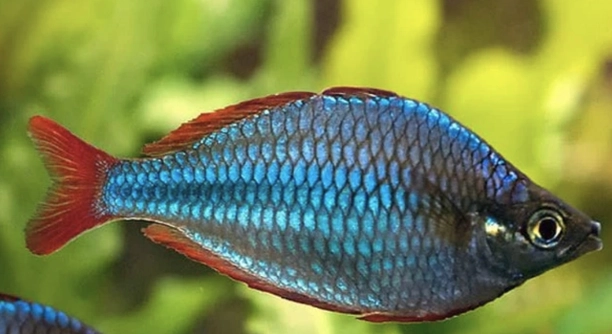
Rainbow fish are vibrant creatures that are often admired for their colorful appearance. You might have noticed their bright colors shining in aquariums, making them a popular choice for fish enthusiasts. But do they have the ability to detect different colors?
Rainbow fish can indeed perceive a range of colors, thanks to their well-developed vision. Studies suggest that their color-detecting abilities are adapted to their environment, allowing them to distinguish a variety of hues essential for communication and survival.
Understanding how rainbow fish see color helps us appreciate their unique behavior. In the following sections, we’ll explore how their vision impacts their interactions and environment.
How Rainbow Fish See Colors
Rainbow fish have exceptional vision that allows them to perceive various colors. Their eyes are equipped with specialized cells called cones, which help them distinguish light and color. These cones are sensitive to different wavelengths of light, enabling the fish to detect a wide spectrum, from reds to blues. This ability is especially useful in their natural habitats, where vibrant colors help them communicate and identify mates. They also rely on this visual capability for foraging and avoiding predators, with colors often playing a role in their behavior.
Their color vision is finely tuned to their aquatic environment. The water’s clarity and the light penetration affect how colors appear to the fish. For instance, certain colors may appear brighter in shallow waters compared to deeper, darker regions. In these environments, rainbow fish use their color detection to interact with one another, navigate through plants, and avoid potential threats.
In fact, their color vision serves as a critical tool for survival. Rainbow fish are known to communicate through body color, especially during mating rituals. Male fish often display brighter colors to attract females, showcasing how their visual abilities play an essential role in reproduction.
The Role of Color in Communication
Color plays a vital part in rainbow fish behavior. It’s not just about seeing; it’s about how they express themselves. Their colors change based on factors like mood and environment, helping them interact with other fish in meaningful ways. These shifts help ensure their survival.
How Their Color Vision Helps in Mating
During mating season, rainbow fish rely on their color vision to attract potential mates. Male fish often display brighter, more vivid colors to stand out. This visual display signals health and vitality, increasing their chances of being noticed by females. The females, in turn, can select mates based on these visual cues.
Color not only helps males stand out but also reflects their genetic fitness. Brighter colors often indicate that the fish is healthy, which is vital for reproduction. These color changes are an important part of the fish’s mating strategy. The vibrancy of their color tells females about the male’s overall fitness, making color vision a key factor in their breeding success.
In some cases, fish with duller colors may struggle to find mates. Without the ability to show off their colors, they might be overlooked or considered less fit for reproduction. This dynamic underscores how crucial color detection is for ensuring a successful mating process among rainbow fish.
Vision and Social Interactions
Rainbow fish are social creatures, and their color vision plays a key role in how they interact with each other. They use their ability to detect different colors to identify members of their group and establish hierarchies. This social structure is essential for their survival.
Their color detection helps them avoid aggression and keep peace within schools of fish. When a fish detects a potential threat or a display of dominance through color, it can respond accordingly, either by retreating or engaging. This visual signaling prevents unnecessary conflicts and allows for smoother interactions between fish. Color detection, in essence, acts as a form of non-verbal communication that aids in maintaining the social order.
Environmental Impact on Their Color Perception
Rainbow fish’s ability to detect color is influenced by their environment. Water clarity and light penetration can alter the way colors appear to them. In murkier waters, the range of colors they see might be limited, affecting their interactions and survival strategies.
Changes in their habitat can also impact their vision. For example, fish in deeper waters may experience reduced light levels, making it harder to perceive colors as vividly. This can limit their ability to communicate through color or find food. Adaptations in their color vision allow them to function in different water conditions, adjusting to less-than-ideal light conditions when necessary.
Color Vision and Predator Avoidance
Rainbow fish also rely on their color vision for predator detection. By observing changes in light and color in their surroundings, they can quickly spot predators that are approaching. Their keen eyesight helps them distinguish between harmless objects and potential threats.
When predators are near, their bright colors may help them blend into the environment, aiding in camouflage. This quick color change can be an essential survival tactic, especially in environments with fluctuating lighting. Their ability to sense the slightest color shift in the water gives them a better chance of evading danger.
FAQ
Can rainbow fish see all colors?
Rainbow fish can see a wide range of colors, from reds and oranges to blues and greens. Their color vision is developed enough to detect hues that help them navigate their environment, communicate with other fish, and identify potential mates. This ability is essential for their survival, especially in dense aquatic environments where visibility can be limited.
Do rainbow fish rely on color for communication?
Yes, rainbow fish use their ability to see and display colors as a form of communication. They often change their body colors in response to different situations, including mating, social interactions, and potential threats. These changes help them signal to other fish, whether to attract a mate, warn off rivals, or maintain harmony within the school.
How do rainbow fish use color in mating?
Male rainbow fish exhibit brighter, more vibrant colors during mating seasons to attract females. These color displays signal the health and vitality of the male, helping females choose the best mate. The brighter the colors, the more likely the male is to be chosen. This visual display plays a crucial role in the reproductive success of rainbow fish.
Are there any environmental factors that affect their color vision?
Yes, the environment can influence how rainbow fish perceive color. In murky or deep waters where light penetration is reduced, colors may appear less vibrant or even distorted. The clarity of the water and the intensity of light in their environment can limit their ability to see certain colors. Rainbow fish adapt their behavior accordingly to maintain effective communication and survival.
Can rainbow fish see color in low-light conditions?
Rainbow fish are equipped with specialized eyes that help them see in low-light conditions, but their ability to detect color may be affected by the intensity of light. In deeper or darker waters, their color perception becomes less distinct, making it harder to identify mates or predators based on color alone. However, their other senses, such as their ability to detect movement and changes in water pressure, can still help them navigate these environments.
Do rainbow fish have better color vision than humans?
Rainbow fish have different visual systems compared to humans, allowing them to detect a broader range of colors, especially in the blue and ultraviolet spectrum. While humans primarily see within the red, green, and blue ranges, rainbow fish can perceive a wider spectrum, which is helpful for recognizing other fish, food, and environmental cues in their habitats.
Can rainbow fish change color?
Rainbow fish can indeed change color, especially during mating, social interactions, or when threatened. Male rainbow fish often display more vibrant colors to attract mates, while both males and females may change color to communicate with other fish in their group. These color changes are temporary and are a response to external stimuli like light, mood, and environmental conditions.
Why do rainbow fish change colors when stressed?
When rainbow fish experience stress, their colors may become dull or faded as a response to the environment. Stressful situations, like overcrowding, poor water quality, or the presence of predators, can trigger these changes. This response is linked to their survival instincts, as it can help them blend in with their surroundings or signal to others that there is danger.
How do rainbow fish perceive the colors of other fish?
Rainbow fish use their color vision to recognize other fish, which is crucial for socializing and avoiding conflicts within their school. The ability to differentiate between colors helps them maintain social hierarchies and identify potential mates. This perception is essential for maintaining the stability of their group and ensuring reproductive success.
Do rainbow fish use color to avoid predators?
Yes, rainbow fish use their color vision to detect predators. They can distinguish the subtle changes in the water around them, alerting them to the presence of potential threats. Some species can even change their color or use camouflage to blend into their surroundings, helping them avoid being seen by predators.
Are rainbow fish attracted to bright colors?
Rainbow fish are naturally attracted to bright colors, especially during mating seasons. Bright colors in male rainbow fish are a sign of good health and vitality, which makes them more appealing to females. This attraction to bright colors is part of their reproductive behavior and is driven by the need to select the healthiest mate.
How does the lighting affect their color perception?
Lighting plays a significant role in how rainbow fish perceive colors. In environments with strong light, colors appear more vibrant and easier to distinguish. In dimmer or murkier waters, colors become less distinct, which can affect their ability to communicate or identify mates. The lighting conditions in their environment directly influence their social and survival behaviors.
Can rainbow fish see ultraviolet light?
Yes, rainbow fish can see ultraviolet light, which is outside the human visible spectrum. Their ability to perceive ultraviolet light helps them in various ways, including finding food and detecting mates. Many fish, including rainbow fish, rely on UV vision to navigate their underwater world, as some species of fish reflect ultraviolet patterns that are invisible to the human eye.
Do rainbow fish have night vision?
Rainbow fish can see in low-light conditions, which is important for their survival in deeper or murky waters. While they don’t have true “night vision” like some nocturnal animals, they can adapt to dim lighting and still detect changes in their environment. This ability helps them stay aware of their surroundings, even in darker waters.
Final Thoughts
Rainbow fish rely heavily on their color vision for communication, mating, and survival. Their ability to detect and respond to a broad range of colors plays a vital role in their daily interactions. These fish use their colors to signal mates, avoid predators, and maintain social harmony within their schools. Their color vision also helps them adapt to varying environments, allowing them to thrive in both clear and murky waters. This unique visual ability is central to many aspects of their life cycle, influencing their behavior and overall survival in the wild.
The environment also impacts the way rainbow fish perceive colors. In darker or less clear waters, their color vision may be limited, affecting how well they can communicate with each other or detect threats. Despite these challenges, rainbow fish have evolved to adapt to different lighting and water conditions, which allows them to function well in a variety of habitats. Their color vision continues to play a key role, helping them to navigate these changing environments and communicate effectively with other fish, even when the water conditions are less than ideal.
Understanding the complexities of rainbow fish color vision reveals how well these fish are adapted to their surroundings. Their visual abilities are finely tuned to their environment, ensuring they can interact with others, avoid danger, and attract mates. This makes them a fascinating example of how animals use their senses to navigate their world and enhance their chances of survival. Whether in a home aquarium or in the wild, rainbow fish continue to thrive due to their keen ability to perceive and respond to color in meaningful ways.

Hello,
If you enjoy the content that we create, please consider saying a "Thank You!" by leaving a tip.
Every little bit helps us continue crafting quality advice that supports the health, happiness, and well-being of pets around the world, for pets of all shapes, sizes, and species.
We really appreciate the kindness and support that you show us!