
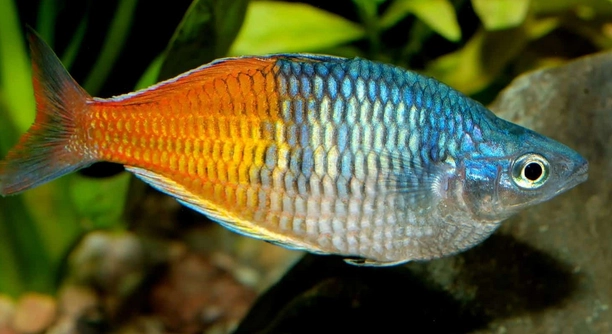
Have you ever found yourself staring at a rainbow fish in an aquarium and wondering what makes them so unique and colorful? These tiny, shimmering swimmers are more than just pretty pets.
Rainbow fish have fascinating traits, from their ever-changing colors to their social behavior. Their vibrant appearance is influenced by mood, light, and even the presence of other fish. They are peaceful, active swimmers with diverse species across freshwater regions.
There is much more to rainbow fish than meets the eye, and understanding their habits can make watching them even more enjoyable.
Their Colors Can Change Based on Mood
Rainbow fish are well known for their shimmering colors, but what many people don’t realize is that these colors can shift depending on how the fish feels. Changes in lighting, stress levels, or the presence of other fish can all affect their appearance. When a rainbow fish feels relaxed or is displaying dominance, its colors often become more intense. Males especially brighten up during mating displays or when showing off in a group. In contrast, if they are scared or uncomfortable, their colors might dull. This color-shifting ability is not just beautiful—it also helps them communicate with each other in subtle ways. It’s one reason why they’re so fascinating to observe in a well-lit, peaceful aquarium. Their shimmering hues are more than just decoration; they are a sign of how the fish feels in that moment and how it interacts with its surroundings and tank mates.
This color change happens naturally and doesn’t mean the fish is sick or in danger.
Setting up the right tank environment, including proper lighting and calm conditions, helps bring out their best colors. Rainbow fish feel safer and act more naturally when they’re surrounded by the right elements. This allows them to stay healthy and display their full range of colors. Observing this behavior up close can be rewarding. Once you know what to look for, you’ll start noticing how their appearance reflects what’s going on in their environment. Whether it’s a bright flash during feeding time or a softer tone during rest, their colors have meaning. It’s a quiet but striking way they show emotion.
They Like to Live in Groups
Rainbow fish are happiest when they are kept in groups. In the wild, they swim in schools, and this behavior carries over into home aquariums too.
Keeping them in groups of six or more is recommended. It makes them feel secure and encourages natural behavior. When kept alone or in small numbers, they can become shy and hide more often. A group setting allows them to interact, explore, and even display more vibrant colors. Their social nature also reduces stress and helps keep them active. Watching a group swim together smoothly across the tank can be both calming and fascinating. It also helps maintain a natural balance, as they are less likely to become aggressive when they have plenty of company. When choosing tank mates, it’s important to pick peaceful species so the rainbow fish feel safe. With the right group, they’ll stay active and show off their playful side every day.
They Thrive in Well-Planted Tanks
Rainbow fish love swimming through plants, which makes a planted tank ideal for their health and happiness. Plants provide shelter, reduce stress, and mimic their natural habitat. Tall plants along with open swimming areas give them space to explore while still feeling secure in their environment.
A well-planted tank also helps maintain water quality, which is important for rainbow fish to stay healthy and display their best colors. Live plants absorb excess nutrients, keeping the water cleaner and reducing algae growth. When setting up their tank, choose hardy plants like Java fern, Anubias, and Vallisneria to create a balanced space. These plants not only make the aquarium look beautiful but also give the fish plenty of hiding spots. Combining dense plant areas with open water allows the fish to show off their active swimming style while still having places to rest. Proper lighting and regular maintenance will help plants thrive alongside your fish.
Adding floating plants can provide shade and help mimic the natural lighting conditions rainbow fish prefer. They enjoy moderate currents, so using a gentle filter will keep the water moving without disturbing the plants or stressing the fish. A planted setup also helps reduce territorial behavior, creating a more peaceful atmosphere for the whole tank. With plants in place, rainbow fish feel more comfortable and confident, which encourages their natural social behaviors. Over time, you’ll notice how they interact with their surroundings, weaving through plant leaves and exploring different areas of the tank. A carefully planned aquarium not only benefits their well-being but also creates a relaxing display to enjoy.
They Are Native to Freshwater Habitats
Rainbow fish come from freshwater environments in regions like Australia, New Guinea, and parts of Southeast Asia. These areas are home to clear rivers, streams, and lakes, where the fish thrive in warm, clean water with plenty of vegetation.
Replicating these natural conditions in a home aquarium helps rainbow fish adjust more easily and maintain their bright colors. Warm water, stable temperatures, and good filtration are essential. Since they are used to environments with lots of plants and open swimming areas, creating a similar setup keeps them healthy and active. It’s important to avoid overcrowding, as they need room to swim freely without feeling stressed. A peaceful community tank with other calm species works best for them. Regular water changes and monitoring water quality will help keep conditions stable, allowing the fish to thrive in an environment that closely resembles their natural home.
FAQ
How long do rainbow fish live?
Rainbow fish can live for five to eight years in a home aquarium if they are properly cared for. Their lifespan depends on tank conditions, diet, and how well stress is managed. Clean water, a good filtration system, and a steady temperature all help them live longer. Feeding them a varied diet of quality flakes, pellets, and occasional live or frozen foods will also support their health. Keeping them in groups helps reduce loneliness and keeps them active. With proper care, they remain colorful and lively for many years.
Do rainbow fish get along with other fish?
Yes, rainbow fish are peaceful and do well with many other community fish. They are active swimmers but not aggressive, making them suitable tank mates for species like tetras, rasboras, danios, and corydoras. It’s best to avoid slow-moving or long-finned fish, as rainbow fish can be curious and might nip. Keeping them in a group of their own kind also helps prevent stress and unwanted behavior. A spacious tank with hiding places and swimming room supports peaceful interactions and keeps the tank balanced. Always watch for signs of stress when introducing new fish.
What size tank do rainbow fish need?
Rainbow fish are active and need space to swim, so a tank of at least 30 gallons is recommended for a small group. Larger species like the Boesemani rainbow fish do better in 40 gallons or more. A long tank gives them room to move freely, especially since they prefer the middle and upper areas. Adding plants and open areas helps mimic their natural environment. A tight-fitting lid is also important because they can jump. Avoid keeping them in cramped tanks, as this can cause stress and reduce their color and lifespan.
How often should I feed my rainbow fish?
Feeding rainbow fish once or twice a day is enough. Offer small amounts of food that they can finish within two to three minutes. Overfeeding can make the water dirty and affect their health. A balanced diet should include high-quality flakes or pellets as a staple. You can add treats like brine shrimp, bloodworms, or daphnia once or twice a week. This variety supports their color and energy levels. Feeding at the same time each day helps create a routine they can get used to, and it makes them more comfortable.
Why are my rainbow fish losing their color?
Color loss in rainbow fish can be due to stress, poor diet, or bad water quality. Make sure the water temperature is stable, and test for ammonia, nitrites, and nitrates regularly. Clean water and a balanced diet are key to maintaining their bright colors. If they are housed alone or with aggressive fish, they may become scared and dull. Adding more rainbow fish and peaceful tank mates can boost their confidence and help them feel safe. Also, provide good lighting, but not too bright, as this can also affect how their colors show.
Can rainbow fish breed in a home tank?
Yes, rainbow fish can breed in home aquariums, especially when they are kept in good conditions. Males will display brighter colors to attract females, and spawning usually happens in the morning. They scatter eggs among plants, and the adults may eat them if not separated. If you want to raise the fry, it’s best to move the eggs to a separate tank with soft, warm water and gentle filtration. The eggs hatch in about a week, and the tiny fry need special food like infusoria or baby brine shrimp until they grow bigger.
Final Thoughts
Rainbow fish are fascinating creatures that bring vibrant color and energy to any aquarium. Their peaceful nature and active swimming habits make them a great addition to community tanks. As long as they have the right environment, these fish can thrive for years, offering a beautiful display of colors and playful behavior. They are a great choice for aquarium owners looking for hardy fish that are easy to care for but still provide plenty of visual interest. With their natural ability to change colors based on mood and environment, rainbow fish are captivating to watch.
To keep your rainbow fish healthy, it’s important to provide them with the right tank setup. A well-planted tank with enough space for swimming is essential for their well-being. Regular water changes, proper filtration, and maintaining a stable temperature will help keep the water quality in check, which in turn supports the health of the fish. Choosing peaceful tank mates and ensuring they are kept in groups also helps reduce stress and encourages natural behavior. Rainbow fish are social creatures, so keeping them in groups will help them feel secure and comfortable.
Ultimately, rainbow fish are a rewarding species to keep in an aquarium. With the right care and attention, they will not only survive but thrive in a well-maintained tank. Their bright, shifting colors and active nature can provide endless enjoyment for aquarium owners. Whether you are a beginner or an experienced hobbyist, rainbow fish offer a low-maintenance yet striking addition to any freshwater tank. As long as their basic needs are met, rainbow fish will remain a colorful and peaceful presence in your aquarium for many years to come.

Hello,
If you enjoy the content that we create, please consider saying a "Thank You!" by leaving a tip.
Every little bit helps us continue crafting quality advice that supports the health, happiness, and well-being of pets around the world, for pets of all shapes, sizes, and species.
We really appreciate the kindness and support that you show us!