
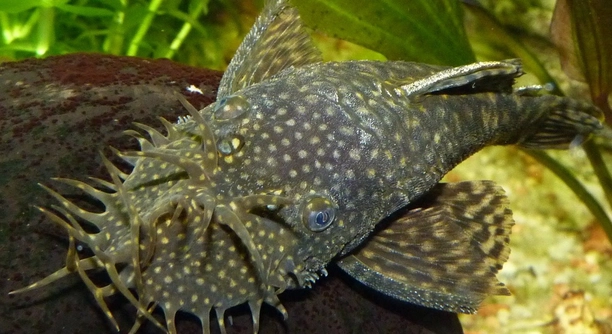
Keeping plecos in a tank can be rewarding, but many aquarists wonder how their fish will fare without live plants. These fish are known for their cleaning habits and unique appearance, making them popular in home aquariums.
Plecos can survive in a tank without plants if provided with adequate hiding spots, proper diet, and stable water conditions. While plants offer shelter and natural grazing opportunities, their absence does not necessarily compromise the health of plecos under careful care.
Proper preparation and understanding of plecos’ needs can make a plant-free tank successful, ensuring these fish remain healthy and comfortable in their environment.
Understanding Plecos’ Needs Without Plants
Plecos are hardy fish, but their natural behaviors include grazing on algae, hiding, and exploring surfaces. In tanks without plants, it’s important to replicate these conditions. Provide smooth rocks, driftwood, and caves to create hiding spaces. These additions prevent stress and mimic the shelters found in rivers and streams. Algae wafers and fresh vegetables like zucchini or cucumber supplement their diet, ensuring they get enough nutrients. Maintaining clean water is essential, as plecos are sensitive to high ammonia or nitrate levels. Regular water changes and a reliable filtration system help sustain a healthy environment. Temperature and pH should also match species requirements, typically between 72–78°F and a pH of 6.5–7.5. Observation is key; plecos without plants may exhibit more visible activity, making it easier to notice changes in behavior or health. With consistent care, these fish adapt well even in simplified setups.
Plecos can thrive without plants if their basic needs for shelter, diet, and water quality are consistently met.
Even without live plants, a tank can remain stimulating by offering varied textures and hiding spots. Driftwood provides not only shelter but also a surface for algae growth, which plecos enjoy scraping. Smooth rocks and caves prevent injuries and give them a sense of security. Feeding should balance prepared algae wafers and fresh vegetables to maintain proper nutrition. Regular monitoring of water parameters prevents stress or illness, as plecos react quickly to poor conditions. Observing their behavior, such as resting patterns and grazing activity, helps identify issues early. Light exposure should mimic natural cycles, supporting their overall health. Creating a balanced, structured environment allows plecos to live comfortably, even in a plant-free tank. Adjustments may be needed depending on species size and activity levels, but with careful planning, plecos remain healthy, active, and visually appealing in simplified aquariums.
Alternatives to Live Plants
Artificial plants offer visual interest and hiding spots without affecting water chemistry. They are easy to clean and durable.
Using driftwood, rocks, and ornaments can compensate for the absence of plants. These items provide shelter, surfaces for algae growth, and areas for exploration. Proper placement ensures plecos can retreat when stressed, reducing aggression and promoting natural behaviors. Selecting items with smooth edges prevents injuries, and arranging multiple hiding spots distributes activity evenly throughout the tank. Even small additions like tunnels or ceramic caves create enrichment, keeping plecos engaged. Combining artificial plants and decor can mimic a natural environment while simplifying maintenance. Choosing species-appropriate sizes ensures plecos can navigate comfortably. Regular cleaning of these decorations prevents buildup of debris or algae that may affect water quality. Monitoring how plecos interact with these alternatives helps refine the tank setup. A plant-free environment can still be visually appealing, functional, and safe for plecos when decor is thoughtfully selected and maintained.
Feeding Plecos Without Plants
Plecos rely on algae, vegetables, and supplemental foods for nutrition. Without plants, it is crucial to offer a balanced diet. Algae wafers, zucchini, cucumber, and occasional protein sources maintain health and support natural grazing behavior, keeping them active and strong.
Providing a variety of foods helps replicate what plecos would find in natural habitats. Algae wafers are convenient and fortified with nutrients, while fresh vegetables offer fiber and vitamins. Some species benefit from occasional protein like shrimp pellets or bloodworms. Feeding in moderation prevents water pollution, as uneaten food can degrade water quality quickly. Observing which foods your pleco prefers ensures they receive adequate nutrition without overfeeding. A consistent feeding schedule supports healthy growth, activity levels, and overall well-being, especially in tanks without live plants.
It is also helpful to rotate vegetables and prepared foods to prevent monotony. This encourages foraging behavior and ensures a wider range of nutrients. Some plecos are more active at night, so placing food in multiple locations can stimulate natural grazing. Monitoring how quickly food is eaten helps avoid leftovers that may harm water quality. Maintaining a clean, plant-free tank requires attention to both feeding and waste management, but careful planning ensures plecos remain healthy and engaged.
Tank Maintenance Tips
Regular water changes are essential to maintain a healthy environment for plecos. Cleaning prevents buildup of waste and keeps water chemistry stable.
Filtration systems should match tank size and fish load, removing ammonia and nitrates effectively. Vacuuming substrate and cleaning decorations reduce debris accumulation, which is critical in plant-free tanks. Monitoring temperature and pH ensures optimal conditions for different pleco species. Observation of fish behavior can indicate stress or poor water quality early. Artificial plants and decorations require regular rinsing to avoid algae or dirt buildup. Adjusting water change frequency based on tank conditions supports long-term health. Simple routines keep the tank clean and plecos thriving.
A structured maintenance schedule prevents water quality issues that can stress plecos. Weekly partial water changes of 20–30% remove toxins while preserving beneficial bacteria. Checking filters and cleaning mechanical media prevents clogs and ensures efficient operation. Scrubbing rocks, caves, and driftwood removes excess algae and waste. Testing water parameters regularly, including ammonia, nitrite, nitrate, and pH, helps detect problems before they escalate. In plant-free tanks, debris tends to settle more visibly, so consistent substrate vacuuming is necessary. Keeping up with maintenance reduces disease risk and supports active, healthy plecos. These simple practices maintain stability and promote long-term fish well-being in any aquarium setup.
Choosing the Right Tank Size
Plecos grow large, so tank size is crucial. A minimum of 30 gallons is recommended for smaller species, while larger species require 50 gallons or more. Proper space prevents stress and supports natural swimming behaviors.
Providing enough room allows plecos to explore and hide comfortably. Crowded conditions increase aggression and reduce water quality, making maintenance harder. Adequate space supports healthy growth and activity levels, even in a plant-free environment.
Lighting Considerations
Plecos prefer dim or moderate lighting, which reduces stress and encourages natural activity patterns. Bright lights can cause them to hide excessively and limit grazing opportunities. Proper lighting also controls algae growth and supports tank aesthetics.
Hiding Spots and Shelter
Even without plants, plecos need safe places to retreat. Driftwood, rocks, and caves offer protection and mimic natural habitats. Providing multiple hiding spots helps reduce stress, encourages natural behaviors, and allows plecos to feel secure while exploring the tank freely.
FAQ
Can plecos survive long-term without live plants?
Yes, plecos can live long-term without live plants if their needs for hiding spots, proper diet, and stable water conditions are met. Artificial decorations and driftwood can provide shelter, while a balanced diet of algae wafers and vegetables ensures proper nutrition. Regular water changes are essential to maintain a clean and healthy environment. Observing pleco behavior helps identify stress or health issues early, making plant-free tanks viable for long-term care.
Do plecos need a special diet without plants?
Plecos do best with a varied diet. Algae wafers provide essential nutrients, while fresh vegetables like zucchini, cucumber, and spinach supplement fiber and vitamins. Some species benefit from occasional protein, such as shrimp pellets or bloodworms. Feeding multiple small portions prevents leftover food from polluting the tank, which is especially important in plant-free setups. Rotating foods encourages natural grazing and keeps plecos active. Monitoring consumption ensures they receive enough nutrition without overfeeding, maintaining their overall health.
Will plecos feel stressed without plants?
Stress can be reduced by providing adequate hiding spots. Driftwood, caves, and smooth rocks replicate natural shelters and give plecos a sense of security. Multiple hiding locations prevent aggression and encourage exploration. Dim or moderate lighting further lowers stress, as plecos are naturally nocturnal and prefer shaded areas. Regular observation of behavior helps detect signs of discomfort early. A well-planned tank without plants can still be comfortable and supportive for plecos.
How often should water changes be done in a plant-free tank?
Weekly partial water changes of 20–30% are recommended. This removes waste and prevents buildup of ammonia and nitrates. Filters should be checked regularly to ensure proper operation. Cleaning substrate, rocks, and decorations prevents debris accumulation. Testing water parameters like pH, ammonia, and nitrate levels keeps conditions stable. Consistency in maintenance is more important than large, infrequent water changes. Plant-free tanks require diligence, but routine care supports healthy, active plecos.
Can plecos graze enough without plants?
Yes, if supplemented properly. Algae wafers provide consistent nutrition, while fresh vegetables mimic the natural grazing plecos would perform in the wild. Driftwood surfaces allow algae growth, giving plecos an additional grazing option. Rotating vegetables and prepared foods maintains variety and encourages foraging behavior. Observation of feeding ensures they consume enough without leaving excess food that can degrade water quality. This approach keeps plecos engaged and healthy in plant-free tanks.
Are artificial plants a good alternative?
Artificial plants are effective for visual interest and partial shelter. They are easy to clean, durable, and do not affect water chemistry. Combining artificial plants with rocks and driftwood creates a diverse environment for hiding and exploration. Proper placement ensures plecos have multiple retreat areas, reducing stress and mimicking the feeling of a natural habitat. Regular cleaning prevents algae and debris buildup. Artificial plants, while not a food source, can complement a plant-free setup efficiently.
How can I encourage natural behavior in a plant-free tank?
Providing varied surfaces, hiding spots, and proper diet encourages natural grazing and exploration. Driftwood, rocks, and caves replicate riverbeds and shelters. Rotating foods and offering multiple feeding points stimulates activity. Lighting should mimic natural day-night cycles, and substrate should be clean and safe. Observing behavior allows adjustments to tank setup or feeding routines. Even without live plants, plecos can thrive and display normal behaviors when their environment is carefully managed.
Do plecos need companions if there are no plants?
Plecos are generally solitary but benefit from visual or physical space from other fish. Tank mates should be peaceful and compatible in size to reduce stress. Multiple hiding spots prevent territorial disputes. Without plants, managing space becomes more important, so adding compatible companions requires careful planning. A well-structured tank with sufficient shelter and resources ensures plecos coexist comfortably without plants.
What are the signs that a pleco is not adapting to a plant-free tank?
Signs include hiding excessively, reduced grazing, loss of appetite, or unusual swimming patterns. Stress may lead to illness or lethargy. Checking water parameters, feeding routines, and shelter availability can help identify causes. Adjusting the tank layout, adding extra hiding spots, or refining the diet usually resolves these issues. Close observation allows early intervention to support pleco health in a plant-free setup.
Is tank size more important without plants?
Yes, adequate space is crucial. A minimum of 30 gallons is recommended for smaller species, with larger species requiring 50 gallons or more. Sufficient swimming room reduces stress, prevents aggression, and supports growth. Plants usually provide hiding spots and enrichment, so in their absence, proper tank size and decor are essential for plecos’ comfort and well-being.
Can plecos reproduce without live plants?
Some species may spawn in plant-free tanks if they have proper hiding spots and water conditions. Driftwood or caves can serve as breeding sites. Maintaining clean water, correct temperature, and a balanced diet supports reproductive behavior. While plants offer natural surfaces for egg-laying, plecos can adapt and reproduce in simplified environments with careful care.
How do I manage algae in a plant-free tank?
Algae control requires proper lighting, regular cleaning, and adequate filtration. Driftwood and decorations can host controlled algae growth for grazing. Avoid overfeeding, as excess nutrients accelerate algae buildup. Routine water changes and substrate vacuuming help maintain balance. Algae growth can still occur naturally, providing a supplemental food source for plecos while keeping the tank healthy.
What equipment is essential for a plant-free pleco tank?
A reliable filtration system, heater (if required by species), lighting, and water testing kits are essential. Decorations like driftwood, rocks, and caves provide shelter and enrichment. Thermometers and water parameter kits help maintain stable conditions. Even without plants, proper equipment ensures water quality, safety, and an environment that supports plecos’ natural behaviors and overall health.
Can plecos thrive in small plant-free tanks?
Smaller tanks increase the need for diligent maintenance. Frequent water changes and careful monitoring of water parameters are critical. Adequate hiding spots must be provided to reduce stress. While small tanks can work temporarily, long-term health is better supported in larger spaces that allow swimming, exploration, and proper territory distribution.
How important is water quality without plants?
Water quality becomes more critical without plants, as they no longer absorb excess nutrients. Regular testing, partial water changes, and filtration maintenance prevent buildup of toxins like ammonia and nitrates. Stable temperature and pH also reduce stress. Close attention ensures plecos remain healthy and active despite the absence of live plants.
Are there pleco species better suited for plant-free tanks?
Smaller, more adaptable species like Bristlenose plecos tolerate plant-free environments better than larger, more territorial species. Some species require specific conditions or more hiding options. Understanding species needs and behavior guides tank setup and ensures a successful plant-free habitat for plecos.
How often should I observe my plecos?
Daily observation is ideal. Watching for changes in appetite, swimming patterns, or hiding behavior helps detect stress or illness early. Plant-free tanks make monitoring easier, as plecos are more visible. Prompt action prevents minor issues from becoming serious health problems.
Can plecos survive with minimal hiding spots?
Minimal hiding spots increase stress and risk of illness. Providing multiple caves, driftwood, or rocks is essential, especially without plants. Adequate shelter supports natural behaviors, reduces aggression, and contributes to overall well-being. Lack of hiding areas may result in chronic stress and shorter lifespan.
Do plecos need different water parameters without plants?
No, the species’ preferred temperature, pH, and hardness remain the same. Plants help with stability, but careful maintenance compensates for their absence. Regular water changes, filtration, and monitoring keep parameters stable, ensuring plecos thrive in plant-free conditions.
How can I tell if a pleco is happy without plants?
Signs include regular grazing, active swimming, exploring hiding spots, and healthy growth. A pleco that maintains appetite and shows natural behavior patterns is adapting well. Observation is the best indicator, as visual cues often reveal comfort and stress levels in a plant-free environment.
Is additional decor necessary in a plant-free tank?
Yes, additional decor replaces the shelter and enrichment plants provide. Driftwood, rocks, caves, and tunnels offer hiding spots, surfaces for algae, and spaces to explore. Thoughtful placement ensures plecos can express natural behaviors and remain comfortable in the absence of live plants.
Can plecos survive in tanks with artificial plants only?
Yes, artificial plants provide shelter and visual cover but do not supply food or water filtration benefits. Combining them with driftwood, rocks, and proper diet ensures plecos’ health. Regular cleaning of artificial plants prevents debris and algae buildup, supporting a stable environment.
How important is monitoring plecos in a plant-free setup?
Monitoring is critical. Without plants, plecos are more exposed, making changes in behavior or health easier to spot. Observation allows adjustments to diet, hiding spots, or water conditions, preventing stress and ensuring long-term survival and comfort in the tank.
Can plecos tolerate bright light in a plant-free tank?
Bright light may cause stress and excessive hiding. Dim to moderate lighting is preferable, mimicking natural conditions. Adjusting light cycles supports normal activity patterns, reduces stress, and prevents algae overgrowth in plant-free tanks.
What is the biggest challenge of keeping plecos without plants?
The main challenge is providing adequate shelter, enrichment, and nutrition. Plants naturally supply cover and grazing surfaces. Replicating these needs with driftwood, rocks, caves, and proper feeding routines ensures plecos remain healthy and display normal behavior despite the absence of live plants.
How do I maintain a clean tank without plants?
Regular water changes, substrate vacuuming, and cleaning decorations prevent debris and algae buildup. Proper filtration and feeding management reduce waste accumulation. Consistent observation ensures water parameters remain stable, supporting plecos’ health in plant-free tanks.
Can plecos live happily in a bare tank?
With careful planning, yes. Adequate hiding spots, proper diet, stable water conditions, and regular maintenance create a safe, comfortable environment. Even without plants, plecos can thrive and exhibit natural behaviors when their basic needs are met.
Are some pleco species more aggressive in plant-free tanks?
Yes, territorial species may show increased aggression without plants. Providing multiple hiding spots and sufficient space helps reduce conflicts. Monitoring interactions and separating aggressive individuals when needed maintains a peaceful tank environment.
Do plecos need supplemental calcium without plants?
Calcium is important for bone and fin health. If vegetables and prepared foods provide sufficient nutrients, supplementation may not be necessary. Observing growth and shell or fin condition helps determine if additional calcium is required.
How do I prevent overfeeding in a plant-free tank?
Feed measured portions according to species size and tank population. Remove uneaten food promptly to prevent water quality issues. Rotating food types keeps plecos engaged while avoiding excess, maintaining a clean environment.
Is driftwood necessary in plant-free tanks?
Driftwood is highly beneficial. It provides shelter, surfaces for algae growth, and may help with digestion for some species. Including driftwood improves tank structure and pleco comfort when plants are absent.
How often should decorations be cleaned?
Decorations should be rinsed or scrubbed during water changes, typically weekly or bi-weekly. This prevents algae and debris buildup, supporting water quality and a healthy environment for plecos.
Do plecos require nighttime hiding in plant-free tanks?
Yes, plecos are naturally nocturnal. Providing shaded areas, caves, or driftwood allows them to rest during the day, reducing stress and encouraging natural activity at night.
Can plecos survive in a plant-free tank without regular monitoring?
Survival is possible but risk increases. Without plants, issues with water quality, stress, or disease become more noticeable. Consistent monitoring ensures early intervention and long-term health.
Are there any risks specific to plant-free tanks?
Risks include fewer hiding spots, algae overgrowth on decorations, and faster accumulation of waste. Proper shelter, diet, and maintenance mitigate these risks, allowing plecos to thrive even in simplified environments.
How does water flow affect plecos in plant-free tanks?
Plecos prefer moderate flow that mimics rivers. Too strong a current can stress them, while stagnant water may lead to poor oxygenation. Adjusting flow with filters or pumps ensures comfort and natural behavior.
Do plecos need a varied substrate without plants?
Varied substrate like sand and smooth gravel encourages natural foraging and prevents boredom. It also helps anchor decorations and provides surfaces for algae growth. Regular cleaning maintains hygiene.
Can plecos adapt if plants are added later?
Yes, plecos readily use plants for shelter and grazing if introduced later. Gradual addition allows them to adjust without stress, enhancing their environment and overall well-being.
What is the easiest plant-free setup for plecos?
A minimal setup includes a properly sized tank, driftwood, rocks, caves, artificial plants if desired, reliable filtration, stable water conditions, and a balanced diet. This combination supports pleco health with low-maintenance requirements.
Do plecos prefer certain hiding spots over others?
Many plecos favor caves and driftwood over artificial plants or open areas. Observing their choices can guide decoration placement and optimize tank layout for comfort and security.
How do I encourage algae growth for grazing?
Provide surfaces like driftwood or rocks in moderate lighting. Avoid harsh cleaning and allow small amounts of algae to accumulate naturally. This creates a supplemental food source without compromising water quality.
Is tank décor more important than food in a plant-free setup?
Both are essential. Proper décor reduces stress and mimics natural habitats, while food provides necessary nutrition. Balanced attention to environment and diet ensures pleco health and activity.
How can I tell if a plant-free tank is suitable for my pleco?
Signs include active grazing, regular swimming, healthy growth, and use of hiding spots. Stable water parameters and low stress behaviors indicate a well-adapted environment, even without plants.
Can plecos survive in community tanks without plants?
Yes, if tank mates are peaceful, hiding spots are sufficient, and water conditions are stable. Crowding or aggressive species may cause stress, so careful planning is required for plant-free community setups.
Do plecos need water additives in plant-free tanks?
Additives are only necessary if water parameters need adjustment. Routine maintenance, filtration, and a balanced diet typically meet plecos’ needs without extra chemicals.
Is lighting adjustment necessary if no plants are present?
Yes, proper lighting supports natural activity and prevents stress. Dim to moderate light mimics shaded habitats, reducing hiding behavior and supporting algae growth on surfaces for grazing.
Can plecos live in tanks with only gravel and water?
Technically yes, but without hiding spots or surfaces for grazing, stress increases and health risks rise. Adding driftwood, rocks, or caves is strongly recommended for survival and comfort.
Are there long-term risks to plant-free tanks?
Potential risks include stress, aggression, and reduced natural foraging. Regular maintenance, proper shelter, and diet minimize these issues, allowing plecos to thrive over the long term.
Do plecos need seasonal changes in plant-free tanks?
Seasonal changes are not essential but mimicking day-night cycles and temperature variations supports natural behavior. Consistent monitoring ensures stable conditions throughout the year.
How can I reduce stress in a plant-free tank?
Provide multiple hiding spots, maintain water quality, control lighting, and monitor interactions with other fish. These steps reduce stress and promote normal activity.
Is monitoring pleco growth important in plant-free tanks?
Yes, growth indicates proper nutrition and tank conditions. Slow or stunted growth may signal inadequate diet, space, or environmental issues requiring adjustment.
Do plecos need supplemental oxygen without plants?
Not necessarily if the tank has proper filtration and moderate water flow. Plants contribute oxygen, but in plant-free setups, aeration and circulation compensate adequately.
Are there signs of boredom in plecos?
Signs include repetitive swimming, constant hiding, or lack of grazing. Adding enrichment like driftwood, caves, and varied food sources stimulates natural behaviors and keeps plecos engaged.
How can I maintain water stability in plant-free tanks?
Regular water changes, careful feeding, substrate cleaning, and proper filtration maintain chemical balance. Monitoring parameters ensures stable conditions and healthy plecos.
Do plecos need temperature adjustments without plants?
Species-specific temperatures remain essential. Plants help moderate fluctuations, so in plant-free tanks, heaters or chillers may be required to maintain stable conditions.
Can plecos survive temporary plant removal?
Yes, plecos adapt quickly if hiding spots and nutrition are maintained. Observing behavior during transitions ensures comfort and reduces stress.
Is tank size more critical for larger plecos?
Absolutely. Larger species require more space for swimming and hiding. In plant-free tanks, adequate size is essential to prevent stress, aggression, and stunted growth.
Do plecos require special care during breeding without plants?
Yes, caves and driftwood provide suitable egg-laying sites. Stable water parameters and proper nutrition support reproductive success in plant-free tanks.
How can I simulate a natural habitat without plants?
Use driftwood, rocks, caves, varied substrate, dim lighting, and water flow. Balanced feeding and multiple hiding spots replicate essential elements of natural environments for plecos.
Are there specific tank layouts recommended for plant-free plecos?
Distribute hiding spots evenly, provide open swimming areas, place driftwood and rocks strategically, and ensure multiple feeding points. This layout supports exploration, comfort, and natural behavior.
Can plecos live with fast-moving water in plant-free tanks?
Moderate water flow is preferred. Strong currents may stress plecos, while gentle movement encourages grazing and exploration. Proper filter adjustment ensures suitable conditions.
How do I prevent overpopulation of algae without plants?
Control light exposure, avoid overfeeding, and clean decorations regularly. Driftwood and rocks can host controlled algae growth for grazing without overwhelming the tank.
Do plecos need soft or hard water without plants?
Species-specific preferences apply. Plants can buffer water chemistry, but in plant-free tanks, regular testing ensures water hardness remains suitable for the specific pleco species.
How can I introduce new plecos to a plant-free tank?
Acclimate slowly, provide extra hiding spots, and monitor behavior. Gradual introduction reduces stress and territorial disputes, ensuring smooth adaptation.
Are there behavioral differences in plecos without plants?
Plecos may be more visible and active without plant cover. They rely more on artificial shelters and substrate for security, but with proper care, behavior remains natural and healthy.
Do plecos need cleaning companions in plant-free tanks?
Not strictly. Algae-eating tank mates may help control buildup, but proper feeding, water changes, and cleaning maintain a healthy environment independently.
Is regular substrate maintenance more important without plants?
Yes, debris accumulates more quickly without plants to trap it. Regular vacuuming and cleaning prevent water quality issues and
Final Thoughts
Keeping plecos in a tank without plants is possible, but it requires careful attention to their environment and needs. Plecos are naturally active and spend a lot of time hiding, grazing, and exploring surfaces. Live plants usually provide cover and grazing areas, so in their absence, alternatives like driftwood, rocks, and caves are essential. Driftwood is especially useful because it provides both hiding spaces and surfaces for algae growth, which plecos enjoy eating. Artificial plants can also add cover and a sense of security, though they do not supply food or help balance water quality. Multiple hiding spots reduce stress and give plecos room to explore freely. Maintaining water quality becomes more important without plants to absorb excess nutrients. Regular water testing, filtration maintenance, and partial water changes are necessary to keep ammonia, nitrite, and nitrate levels safe. With the right setup, plecos can feel secure and remain healthy even without live plants.
Diet is an important factor in the success of a plant-free tank. While algae and live plants are part of their natural diet, they can be replaced with algae wafers, fresh vegetables like zucchini, cucumber, or spinach, and occasional protein sources such as shrimp pellets or bloodworms. Feeding in moderation prevents uneaten food from polluting the water, which is especially important in tanks without plants. Rotating vegetables and prepared foods encourages natural foraging behavior and provides a variety of nutrients. Driftwood and rocks also serve as surfaces for algae growth, offering additional grazing opportunities. Watching plecos while they eat helps ensure all fish are receiving enough nutrition. Providing a balanced diet along with a properly arranged tank supports healthy growth, natural activity, and overall well-being.
Regular maintenance and observation are essential to keeping plecos healthy in plant-free tanks. Without plants, debris and waste accumulate faster, so substrate cleaning, decoration scrubbing, and filter upkeep are necessary to prevent harmful buildup. Proper tank size allows plecos to swim comfortably and reduces territorial disputes. Lighting should be dim to moderate to encourage normal activity and prevent stress. Daily observation helps detect early signs of illness, behavioral changes, or stress. Providing adequate hiding spots and a clean environment allows plecos to feel secure while moving about. With consistent care, proper diet, and thoughtful tank design, plecos can thrive in a plant-free setup. A well-maintained plant-free tank can be healthy, comfortable, and visually appealing while supporting the natural behaviors and long-term well-being of plecos.

Hello,
If you enjoy the content that we create, please consider saying a "Thank You!" by leaving a tip.
Every little bit helps us continue crafting quality advice that supports the health, happiness, and well-being of pets around the world, for pets of all shapes, sizes, and species.
We really appreciate the kindness and support that you show us!