
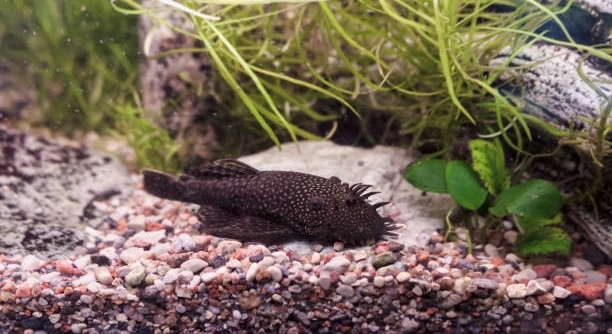
Have you ever tried breeding your plecos but found that they just won’t seem to take an interest in each other, no matter what you do?
Encouraging breeding in plecos requires creating an environment that mimics their natural habitat. This includes providing proper hiding spots, maintaining stable water parameters, offering a nutritious diet, and ensuring they feel secure. These conditions stimulate natural breeding behaviors effectively.
From tank setup to diet and environmental cues, every detail plays a role in helping your plecos thrive and successfully reproduce.
1. Create the Right Environment
Plecos need a space that closely resembles their natural surroundings to feel comfortable enough to breed. Start with a spacious tank—at least 30 gallons for smaller species and larger for bigger ones. Add smooth rocks, driftwood, and caves made of clay or PVC pipes, as plecos prefer dark hiding spots for spawning. Maintain soft, slightly acidic water with a temperature between 78°F and 82°F, as these conditions mimic their native tropical habitats. A strong filter helps keep the water clean and oxygenated, which supports both adult health and fry development. Consistency is key, so avoid sudden temperature or pH changes that could discourage breeding.
A dimly lit environment helps them feel secure. You can use floating plants or subdued lighting to create gentle shade throughout the tank, giving your plecos a more natural and calming space.
Patience matters here—once they trust their surroundings, breeding behavior becomes more likely.
2. Offer a Balanced and Stimulating Diet
Feeding your plecos the right food can greatly influence their breeding activity. A mix of protein-rich and plant-based foods keeps them healthy and ready to spawn.
Plecos need more than algae wafers to stay nourished. Offer them fresh vegetables like zucchini, spinach, or cucumber slices, and include occasional protein sources such as bloodworms or shrimp pellets. This mix gives them strength and energy for spawning. Male plecos, in particular, rely on proper nutrition to guard eggs effectively once breeding begins. Feeding smaller amounts more frequently can also help simulate natural feeding habits, encouraging activity. Remove uneaten food to keep water conditions stable and clean. When they are well-fed, plecos display brighter colors, increased movement, and stronger breeding instincts. Observing these subtle changes is a sign that you are on the right track toward encouraging a successful breeding environment.
3. Provide Proper Breeding Caves
Plecos breed in enclosed, dark spaces where the male can guard the eggs. Use clay, ceramic, or PVC pipe caves that are just large enough for one adult to fit comfortably, ensuring a secure and private space for spawning.
Position the caves near driftwood or rocks to make them feel more natural. The opening should be slightly smaller than the male’s body width to prevent other fish from entering. Males often choose and clean the cave before breeding begins, preparing it for the female to lay eggs. Offering multiple caves encourages natural selection, giving them options to choose their preferred spot. Make sure the openings face slightly downward to protect the eggs from debris and provide stability for the male while guarding. Clean caves regularly, but avoid disturbing them once a pair starts showing breeding behavior.
Regular observation helps you notice when males claim their caves. Subtle guarding or cleaning behavior signals that spawning may soon occur.
4. Maintain Ideal Water Conditions
Clean, stable water plays a key role in successful pleco breeding. Keep ammonia and nitrate levels low, as poor quality can prevent spawning. Regular water changes ensure a healthy, oxygen-rich environment where plecos feel safe and ready to reproduce.
Slight temperature adjustments can trigger breeding instincts. Gradually raising the temperature by one or two degrees often simulates the start of the rainy season, which naturally encourages spawning behavior. Maintain gentle water flow using an air stone or sponge filter to prevent egg damage. Keep pH between 6.5 and 7.5, and avoid strong chemical treatments that could disrupt balance. Consistency in parameters matters more than constant tweaking. When the environment feels stable, plecos focus on nesting rather than hiding. Observing steady activity and males cleaning their caves usually indicates that your water conditions are ideal for successful breeding.
5. Keep a Peaceful Tank Environment
Plecos breed best when they feel safe. Avoid overcrowding and keep aggressive species out of the tank. A calm environment allows them to focus on nesting and spawning without stress or competition for territory.
Add gentle filtration and maintain stable lighting. Excessive noise or bright lights can startle plecos and disrupt breeding activity. Quiet surroundings with consistent care encourage natural behaviors and keep the pair comfortable.
6. Monitor Breeding Behavior
When breeding begins, the male usually guards a chosen cave while the female lays eggs inside. After fertilization, the female leaves, and the male takes full responsibility for protecting the eggs.
He fans them constantly to maintain oxygen flow and prevent fungus. Avoid disturbing him during this stage, as interference can cause him to abandon the clutch. Once the eggs hatch, the fry will stay in the cave until they are ready to swim freely.
7. Care for the Fry
After hatching, the fry depend on their yolk sacs for nutrition before starting to eat. Once they begin swimming, introduce soft foods like blanched vegetables or crushed algae wafers. Keep the water clean to prevent health problems and promote steady growth.
FAQ
How long does it take for plecos to breed after setting up the right conditions?
Once the environment is properly established, plecos can begin showing breeding behavior within a few weeks. However, this timing depends on factors like temperature, diet, and comfort level. Males need time to claim a cave and clean it before females show interest. In some cases, it may take several months for a pair to bond and spawn, especially if they are young or recently introduced. Consistency in care helps shorten this process. The more stable and natural their habitat feels, the sooner they are likely to begin breeding.
What are the signs that plecos are ready to breed?
You may notice the male spending more time inside or around a chosen cave, cleaning it thoroughly and fanning his fins to circulate water. Females often appear rounder, indicating they are carrying eggs. Once she approaches the cave, the male may block the entrance to guide her inside. After laying eggs, she will leave, and the male remains to guard them. Subtle changes in behavior—like territorial displays, increased activity, or time spent near hiding spots—are all signs that breeding may soon occur.
How many eggs do plecos lay at once?
The number of eggs varies depending on the species. Smaller plecos, such as bristlenose varieties, usually lay between 30 and 100 eggs per spawn. Larger species can produce several hundred. Each egg is small, round, and yellowish in color. The male guards them carefully, ensuring they stay clean and well-oxygenated. Within 5 to 10 days, the eggs typically hatch, depending on water temperature. Warmer conditions speed up the process slightly, while cooler temperatures slow it down. Once hatched, the fry remain in the cave until they absorb their yolk sacs and start to swim freely.
Do plecos eat their eggs or fry?
Male plecos are usually attentive fathers and do not eat their eggs or fry under normal conditions. However, if they feel stressed or the tank environment becomes unstable, they might abandon or consume the eggs. Maintaining calm surroundings and stable water quality helps prevent this behavior. Avoid disturbing the tank during incubation. Keeping other fish out of the breeding area also helps protect the eggs and fry from being eaten. In community tanks, separating the breeding pair is often the safest choice.
When should pleco fry start eating, and what should they eat first?
Pleco fry begin feeding once their yolk sacs are fully absorbed, usually around five to seven days after hatching. Start with soft, plant-based foods like blanched zucchini, cucumber, or algae wafers crushed into fine powder. As they grow, you can introduce small protein-based foods such as baby brine shrimp. Feed them in small amounts multiple times a day to encourage healthy growth. Clean up uneaten food promptly to prevent poor water quality, as fry are sensitive to waste buildup.
Can plecos breed in community tanks?
While it is possible, breeding success is much higher in a dedicated tank. Community setups often have too much activity, and other fish may disturb or eat the eggs. If you choose to breed plecos in a community tank, provide multiple caves and ample hiding spots. Ensure the male can guard his chosen cave without being harassed. Separating the pair once eggs are laid can increase survival rates significantly. For best results, use a separate breeding tank with controlled lighting, temperature, and filtration.
How can you tell if the eggs are fertile?
Fertile eggs appear slightly transparent or amber-colored, while unfertilized ones turn opaque or white. The male constantly fans the eggs to keep them clean and oxygenated. If fungus begins to grow on any of them, it often means those eggs were not fertilized. Some aquarists gently remove visibly infected eggs to protect the rest, though this should be done with care. Fertile eggs usually hatch within a week, depending on species and temperature. Observing the male’s protective behavior often confirms that fertilization was successful.
Do plecos need specific lighting to breed?
Plecos prefer dim or subdued lighting, especially when breeding. Bright light can make them feel exposed and reduce their comfort levels. Floating plants or driftwood that create shaded areas help mimic their natural habitat. Keeping the tank in a calm, low-light space supports breeding behavior and reduces stress. Sudden changes in lighting or loud activity near the tank should be avoided, as they may startle the breeding pair.
How often can plecos breed?
Once established, plecos can breed several times a year under stable conditions. After the fry are removed or mature enough to fend for themselves, the pair may spawn again within a few weeks. Ensuring proper nutrition and rest between breeding cycles helps maintain the health of both adults and offspring. Overbreeding can exhaust the female, so allowing breaks between spawnings is beneficial. Regular observation and a balanced feeding schedule keep the pair active and ready for future breeding cycles.
Final Thoughts
Breeding plecos can be a calm and rewarding experience when done with patience and consistency. These unique fish respond best to a stable environment that feels close to their natural habitat. Providing clean, warm water, secure caves, and a peaceful setting are the main foundations for success. Even small details, such as adjusting lighting or adding hiding spots, can make a big difference. Once plecos feel safe and comfortable, their natural breeding behavior begins to show. It may take time before you see results, but steady care often leads to successful spawning and healthy fry. Breeding plecos is not about quick results; it is about creating a balance that allows them to thrive naturally.
Observation is an important part of the process. Each pleco has its own rhythm, and learning to recognize the signs of breeding readiness helps you understand their needs better. Watching males prepare their caves and protect the eggs gives you insight into their instincts and behavior. While it can be tempting to interfere or check on them frequently, giving them space often leads to better outcomes. A calm environment supports both the breeding pair and the developing fry. Small, consistent actions such as monitoring water quality, feeding properly, and cleaning the tank regularly all contribute to building a strong, stable foundation for reproduction. Breeding success depends less on luck and more on maintaining that stability over time.
Taking care of pleco fry requires patience and attention to detail. They are delicate during the first few weeks, relying on steady water parameters and gentle feeding. Offering finely crushed vegetables and small amounts of algae-based food helps them grow strong without stressing their systems. Regular partial water changes prevent waste buildup and keep them healthy. As they grow, you can slowly increase food portions and adjust feeding frequency to match their size. Watching the fry mature into young plecos is one of the most rewarding parts of the process. It shows how proper care and consistency pay off in the long run. Breeding plecos is more than just creating new fish—it is about understanding their needs, respecting their natural instincts, and providing a stable home where they can flourish. With time and care, your plecos can become a thriving and active part of your aquarium for many years.

Hello,
If you enjoy the content that we create, please consider saying a "Thank You!" by leaving a tip.
Every little bit helps us continue crafting quality advice that supports the health, happiness, and well-being of pets around the world, for pets of all shapes, sizes, and species.
We really appreciate the kindness and support that you show us!