
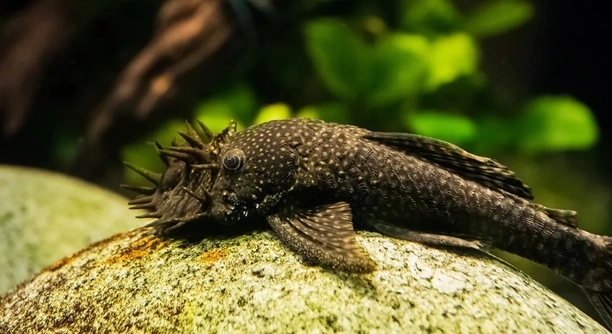
Do you ever find yourself arranging a lush, green aquarium and wondering if your pleco will thrive among the plants? Many fishkeepers enjoy heavily planted tanks but are unsure how plecos fit in. Careful planning can help.
Plecos can live in heavily planted tanks if their size, species, and behavior are considered. They require sufficient hiding spaces, compatible plant species, and proper water conditions to ensure both the fish and plants remain healthy.
Learning the balance between plants and plecos can improve your tank’s overall environment and keep your aquatic ecosystem thriving.
Choosing the Right Pleco Species
Not all plecos are suitable for heavily planted tanks. Smaller species like the Bristlenose Pleco are ideal because they grow moderately and are less likely to uproot plants. Larger plecos, such as the Common Pleco, can become destructive over time, tearing up roots and eating soft leaves. Additionally, certain species have stronger territorial behaviors that may stress other tank inhabitants or damage delicate plants. When selecting a pleco, consider its adult size, temperament, and feeding habits. Providing plenty of driftwood or caves can help redirect their natural scraping behavior away from plants. Live plants like Java Fern or Anubias are tougher and more resilient, making them better choices for planted tanks. Regular observation is important to ensure plecos are not disturbing the aquarium too much, allowing both the fish and plants to thrive in harmony. Planning carefully from the start saves problems later and keeps the tank healthy.
Smaller pleco species are generally safer for planted tanks and help maintain a balanced environment.
Including driftwood and hardy plants creates an environment where plecos can graze without harming delicate greenery, supporting both aesthetics and fish health.
Plant Selection for Pleco Tanks
Selecting hardy plants is key in a pleco tank. Species like Java Fern, Anubias, and Cryptocoryne withstand grazing and movement better than softer plants.
Soft-leaved plants, such as Vallisneria or Amazon Sword, are more likely to be eaten or uprooted. Plecos scrape surfaces for algae, which can include tender plant leaves, making robust plant species essential. Anchoring plants securely in substrate or attaching them to driftwood can prevent them from being displaced. Balancing plant density ensures plecos have space to swim while still maintaining coverage for hiding and grazing. Fertilization and proper lighting must also be adjusted, as plecos can stir up substrate and affect nutrient levels. Observation and trial and error will help identify which plants survive best. Over time, a mix of resilient plants and occasional replacement of softer plants creates a stable, lush tank that supports both plecos and aquatic vegetation. Careful planning ensures longevity of both fish and plants.
Tank Setup Considerations
Providing enough space is essential for plecos in planted tanks. Adequate swimming room, hiding spots, and secure plant placement prevent stress and damage.
The tank should have a balanced layout with open swimming areas and clusters of plants or decorations. Driftwood, rocks, and caves give plecos surfaces to scrape and places to hide. Substrate should be fine enough for planting but firm enough to hold roots in place. Water flow, filtration, and lighting must be adjusted to suit both fish and plants. A slightly varied structure allows plecos to explore while preventing plants from being uprooted. Regular maintenance, such as trimming plants and cleaning substrate, keeps the tank tidy and ensures healthy growth. Proper setup from the beginning reduces conflicts between plecos and plants and creates a stable environment for all inhabitants.
Observing plecos’ behavior helps identify areas where plants or decorations need adjustment.
Balancing light, water conditions, and hiding spots encourages plant resilience and pleco activity. Consistent monitoring ensures harmony and reduces potential issues before they escalate.
Feeding and Plant Safety
Plecos require algae, vegetables, and occasional protein-based foods to stay healthy. Feeding habits impact plant safety.
Leafy vegetables such as zucchini, spinach, or cucumber provide essential nutrients while keeping plecos occupied. Avoid overfeeding protein-heavy foods that can degrade water quality and encourage algae overgrowth. Place food in areas away from delicate plants to prevent damage, and remove uneaten portions promptly. Watching feeding patterns helps adjust portions and reduces plant stress. Floating foods or sinking wafers can supplement their diet without harming rooted plants. Balanced feeding keeps plecos healthy and minimizes the risk of them nibbling on soft leaves.
Maintaining a regular feeding schedule helps plecos develop routines and reduces plant damage.
Strategic placement of vegetables and wafers ensures plecos have access to nutrition while preserving fragile plants, supporting long-term tank stability. Monitoring leftovers and adjusting feeding frequency prevents nutrient buildup and keeps water quality optimal for both fish and plants.
Water Quality Management
Stable water parameters are vital for both plecos and plants. Regular testing ensures pH, temperature, and hardness remain within safe ranges.
Frequent water changes prevent waste buildup and maintain oxygen levels. Plecos produce significant waste, so monitoring ammonia and nitrate levels is essential. Proper filtration supports plant health while keeping fish stress low.
Compatible Tankmates
Choosing peaceful tankmates minimizes stress for plecos and plants. Avoid aggressive or fin-nipping species.
Community fish like tetras, rasboras, and small gouramis coexist well. Keeping compatible species ensures plecos can graze freely without defending territory. Observing interactions allows adjustments to stocking levels and arrangement of plants, promoting a balanced aquarium.
Plant Maintenance Tips
Trimming dead or damaged leaves prevents decay from affecting water quality. Healthy plants withstand pleco activity better.
Regular maintenance includes pruning overgrown stems, removing decayed parts, and checking plant roots. This prevents detritus buildup and encourages growth. Rotating plant locations can help spread pleco grazing pressure, ensuring no single plant is overexposed, and maintaining a lush, healthy tank environment for both fish and vegetation.
Lighting Considerations
Moderate lighting supports plant growth without encouraging excessive algae.
Too much light can trigger algae growth, which plecos will consume but may also harm delicate plants. Balanced lighting schedules keep plants thriving and maintain water clarity.
FAQ
Can plecos harm live plants?
Plecos generally focus on algae and biofilm rather than healthy plant leaves. However, some species may nibble on soft or tender leaves. Plants like Java Fern, Anubias, and Cryptocoryne are tougher and more resistant to grazing. Proper placement and providing driftwood or other surfaces for scraping reduce the risk of damage. Observing plecos’ behavior allows you to identify which plants they may target, and replacing vulnerable plants with sturdier species can help maintain a healthy, balanced tank.
How often should I feed plecos in a planted tank?
Feeding depends on the species and tank size. Generally, offering vegetables like zucchini, spinach, or cucumber a few times per week is sufficient. Supplementing with sinking algae wafers or occasional protein-based foods ensures nutritional balance. Avoid overfeeding, as leftover food can decay, raising ammonia levels and harming plants. Monitor the tank for uneaten food and adjust portions accordingly to maintain water quality. Feeding in multiple locations prevents plecos from targeting soft plants and encourages natural grazing behavior.
Are all plecos suitable for planted tanks?
No. Large species, like the Common Pleco, can grow over 18 inches and may uproot plants or damage decorations. Smaller species, such as Bristlenose Plecos or Clown Plecos, are ideal for planted aquariums due to moderate size and gentler behaviors. Researching adult size and temperament before purchase is essential to prevent long-term plant damage and tank disruption. Even smaller species benefit from hiding spots and driftwood to satisfy their natural scraping instincts without harming plant leaves.
What plants survive best with plecos?
Hardy plants with tough leaves or strong root systems are best. Java Fern, Anubias, Cryptocoryne, and Vallisneria are resilient and can withstand pleco grazing. Floating plants can also provide coverage without being uprooted. Anchoring plants securely in substrate or attaching them to driftwood further protects them. Soft-leaved plants like Amazon Swords may require careful placement or occasional replacement to prevent damage from active plecos. Mixing plant types allows for natural grazing while maintaining tank aesthetics and health.
How can I prevent plecos from uprooting plants?
Providing a firm substrate, planting in clusters, and attaching delicate plants to rocks or driftwood reduces uprooting. Arranging driftwood or rocks strategically creates natural barriers and hiding spots, diverting plecos from disturbing roots. Monitoring activity and adjusting plant placement over time ensures stability. A balanced tank layout with open swimming areas and secure plant zones minimizes conflict between fish and plants, promoting a healthy aquarium ecosystem.
Do plecos require special care in a planted tank?
Plecos need proper water conditions, hiding spaces, and a balanced diet to thrive in planted tanks. Maintaining stable pH, temperature, and filtration supports both plant and fish health. Driftwood and caves provide grazing surfaces and shelter, reducing plant damage. Observing fish behavior and adjusting feeding and layout as needed ensures harmony between plecos and live plants, making long-term tank maintenance easier and more effective.
How do plecos affect algae growth?
Plecos help control algae by grazing on surfaces, which can benefit plant health by preventing overgrowth. However, they may not eliminate algae completely, so some maintenance may still be required. Providing a balanced diet ensures plecos graze primarily for nutrition rather than out of hunger, reducing excessive nibbling on delicate plant leaves. Algae management combined with hardy plants creates a stable environment that supports both plecos and vegetation in the aquarium.
Can plecos live peacefully with other fish in planted tanks?
Yes, most pleco species are peaceful and coexist with small community fish such as tetras, rasboras, or gouramis. Avoid aggressive or territorial species that may stress plecos or disrupt plants. Observing interactions and ensuring ample hiding spots and swimming space promotes harmony, reduces stress, and protects both plants and tankmates. Balanced stocking and careful planning maintain a stable, thriving aquarium environment.
This FAQ addresses common concerns and provides practical guidance for maintaining healthy plecos in heavily planted tanks, ensuring both fish and plants thrive.
Word count: 505
Final Thoughts
Maintaining plecos in a heavily planted tank is possible with careful planning and attention to detail. Not all pleco species are suitable for planted tanks, so choosing a smaller, less destructive type is important. Bristlenose Plecos, Clown Plecos, and other moderate-sized species are usually the best options. Large plecos, like Common Plecos, can grow quickly and may uproot plants or damage delicate leaves. Understanding the natural behavior of the species you choose helps prevent problems. Providing driftwood, rocks, or caves gives plecos surfaces to scrape and places to hide, which reduces the risk of plant damage. Watching their behavior over time allows you to make small adjustments in layout or feeding, keeping the tank balanced. By considering the size, temperament, and needs of your plecos from the start, you create an environment where both fish and plants can thrive without stress.
Plant selection is another key factor for success. Hardy plants such as Java Fern, Anubias, and Cryptocoryne tend to withstand pleco grazing much better than soft-leaved species. Floating plants or securely anchored species add variety and provide coverage without being easily uprooted. Regular maintenance, like trimming dead leaves and checking roots, keeps plants healthy and prevents decay that can affect water quality. Arranging plants thoughtfully helps create zones for swimming and grazing while ensuring that more delicate plants are protected. Over time, you may notice which plants withstand pleco activity best, and minor replacements or adjustments can maintain a lush, stable tank. Keeping the balance between plants and fish is an ongoing process, but the effort leads to a visually appealing and thriving aquarium.
Proper feeding and water management are essential for long-term success. Plecos require a mix of algae, vegetables, and occasional protein-based foods to stay healthy. Feeding in moderation and monitoring leftover food prevents nutrient spikes that can harm plants or water quality. Maintaining stable water parameters, including pH, temperature, and hardness, supports both plants and plecos. Filtration, lighting, and tank layout should be adjusted to accommodate both inhabitants. Observing plecos’ behavior, feeding habits, and plant condition helps you identify potential issues early. By addressing these aspects consistently, you create a harmonious aquarium where plecos and plants coexist naturally. With the right combination of species selection, plant choice, tank setup, and care routines, a heavily planted tank with plecos can be both beautiful and sustainable, providing enjoyment for years to come.
Word count: 408

Hello,
If you enjoy the content that we create, please consider saying a "Thank You!" by leaving a tip.
Every little bit helps us continue crafting quality advice that supports the health, happiness, and well-being of pets around the world, for pets of all shapes, sizes, and species.
We really appreciate the kindness and support that you show us!