
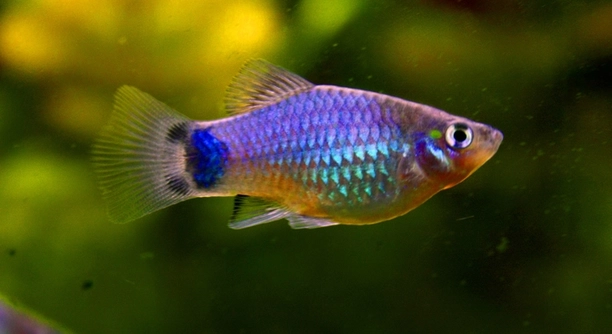
Platies are popular freshwater fish known for their vibrant colors and peaceful nature. Many owners want to provide a varied diet that supports their health and growth. Understanding what foods are safe for platies is important for any fish keeper.
Platies can eat cooked vegetables in moderation, but these should be plain and free from seasoning, oils, or additives. Cooked vegetables can provide essential nutrients, but overfeeding or improper preparation may cause digestive issues or water quality problems in the tank.
Learning how to properly prepare and introduce cooked vegetables can help you maintain your platies’ wellbeing and keep their environment clean and healthy.
Are Cooked Vegetables Safe for Platies?
Cooked vegetables can be a good occasional treat for platies when prepared correctly. It’s important to use plain vegetables without any salt, seasoning, or oil. Common options include cooked peas, spinach, or zucchini. These vegetables should be soft enough for the fish to nibble easily but not overly mushy, which could pollute the water. Always chop them into small pieces to avoid choking or leftover food. Offering cooked vegetables too often may lead to uneaten food decomposing in the tank, which affects water quality and fish health. Moderation is key, and cooked veggies should complement, not replace, their regular diet of flakes or pellets formulated for platies.
Overfeeding cooked vegetables can upset the balance of nutrients in your platies’ diet and cause digestive problems.
Choosing the right vegetables and feeding them properly supports your platies’ digestive system and overall health. Regular tank maintenance is crucial when adding fresh foods to prevent water contamination from leftover vegetable bits.
How to Prepare Cooked Vegetables for Platies
Cooked vegetables must be prepared simply. Boil or steam without any seasoning or additives. Avoid frying or using oils, as these can harm your fish. Let vegetables cool completely before feeding. Cut them into tiny, manageable pieces to make it easier for platies to eat. Removing skins from tougher vegetables like peas can help improve digestibility. Introduce cooked vegetables slowly, watching how your fish react to avoid overfeeding.
When introducing any new food, observe your platies closely for signs of digestive distress or refusal. Clean the tank regularly to remove any uneaten vegetable parts, as they can cause water quality issues.
Preparing cooked vegetables in this way ensures they are safe and beneficial for your platies. It also helps keep the aquarium environment clean, supporting the health of your fish and the balance of the tank ecosystem.
Best Vegetables to Cook for Platies
Peas, spinach, and zucchini are excellent vegetables to cook for platies. They offer important nutrients and are generally easy for platies to digest. Avoid starchy or hard vegetables like potatoes.
Peas are a favorite because they help with digestion and are easy to prepare. Remove the outer skin before boiling or steaming to make them softer and more digestible. Spinach provides vitamins and minerals but should be given sparingly due to its oxalate content, which can affect calcium absorption. Zucchini is gentle on the stomach and can be boiled or steamed until tender. These vegetables should always be plain and chopped finely to avoid any choking hazards or leftover waste.
Avoid vegetables that break down too quickly in water, as they can pollute the tank. Cook vegetables just until soft, not mushy, to keep them nutritious and manageable for your platies. Feeding a variety keeps their diet balanced and interesting.
Frequency of Feeding Cooked Vegetables
Cooked vegetables should be offered only occasionally, about once or twice a week. This prevents overfeeding and maintains balanced nutrition. Feeding too often can cause water quality problems.
Platies primarily need a diet rich in protein and vitamins from commercial flakes or pellets. Cooked vegetables serve as a supplement, adding fiber and variety. Overfeeding vegetables can lead to digestive upset or bloating. Start by offering small amounts and adjust based on how your fish respond. Removing uneaten food promptly helps keep the tank clean and healthy.
Moderation and careful observation are key when introducing cooked vegetables. Consistent tank maintenance supports your platies’ health alongside a well-rounded diet.
Preparing Vegetables Safely
Always wash vegetables thoroughly before cooking to remove pesticides and dirt. Use fresh, organic vegetables when possible to avoid harmful chemicals. Avoid any seasoning or additives, which can harm platies.
Cook vegetables by boiling or steaming until soft but not mushy. Cool them completely before feeding. Cut into small pieces for easy consumption.
Potential Risks of Cooked Vegetables
Feeding cooked vegetables improperly can lead to water pollution from uneaten food, causing harmful bacteria growth. Overfeeding may cause digestive issues like bloating or constipation in platies. Use cooked vegetables sparingly and monitor your fish’s health to avoid these problems.
Alternatives to Cooked Vegetables
Frozen or fresh vegetables, like blanched spinach or peas, can also be good options. They retain more nutrients and are less likely to cause water quality issues when fed properly.
Monitoring Your Platies’ Reaction
Watch how your platies respond to cooked vegetables. Adjust feeding amounts based on their acceptance and digestion to ensure their wellbeing.
FAQ
Can platies eat all types of cooked vegetables?
Not all cooked vegetables are suitable for platies. Stick to soft, non-starchy vegetables like peas, spinach, and zucchini. Avoid starchy or fibrous vegetables such as potatoes or corn, as these are harder for platies to digest. Always prepare vegetables plainly without any seasoning or oil.
How often should I feed cooked vegetables to my platies?
Cooked vegetables should be given only once or twice a week as a supplement to their regular diet. Feeding more often can cause water pollution and digestive problems. Platies mainly need protein-rich flakes or pellets, so vegetables should be an occasional treat, not a staple.
Is it better to feed cooked or raw vegetables?
Both cooked and raw vegetables can be fed, but cooked vegetables are often easier for platies to digest. Raw vegetables need to be blanched or softened to prevent digestive upset. Cooked vegetables should be boiled or steamed without additives and cooled before feeding.
What vegetables are harmful to platies?
Avoid feeding platies vegetables like onions, garlic, potatoes, or anything with strong spices or oils. These can be toxic or difficult for fish to process. Always research or consult a guide before introducing a new vegetable to your tank.
Can leftover cooked vegetables harm my aquarium?
Yes, leftover cooked vegetables that are not eaten quickly can decay and pollute the tank water. This leads to ammonia spikes and unhealthy conditions for your fish. Always remove uneaten food promptly and avoid overfeeding.
How do I prepare peas for platies?
Peas are excellent for digestion but should be prepared carefully. Boil or steam the peas, then remove the outer skin before feeding. Chop them into small pieces to make it easier for your platies to eat and digest.
Are there any signs platies are not tolerating cooked vegetables?
If platies show bloating, constipation, lethargy, or refuse to eat the vegetables, it might be a sign they aren’t tolerating the food well. Adjust the amount or type of vegetable and monitor their behavior closely. Consult a vet if symptoms persist.
Can cooked vegetables replace commercial fish food?
Cooked vegetables cannot replace commercial fish food. Platies require a balanced diet high in protein, vitamins, and minerals that prepared flakes or pellets provide. Vegetables should only be a small part of their diet to add fiber and variety.
What is the best way to introduce cooked vegetables to platies?
Introduce cooked vegetables gradually in small amounts. Observe how your platies respond and whether they eat the food or leave it behind. Gradual introduction helps avoid digestive upset and prevents water quality issues.
How should I store cooked vegetables for my platies?
Store cooked vegetables in a clean, sealed container in the refrigerator and use them within a day or two. Avoid leaving cooked vegetables out too long, as they spoil quickly and can introduce harmful bacteria to the tank.
Are there any nutrients cooked vegetables provide to platies?
Cooked vegetables supply fiber and some vitamins like A and C, which aid digestion and support immune health. They do not provide enough protein, so they must be supplemented with commercial fish food for a balanced diet.
Can baby platies eat cooked vegetables?
Baby platies can eat very small, soft pieces of cooked vegetables but should mainly rely on specially formulated fry food. Vegetables are best given once the fish are older and able to handle a more varied diet.
What happens if I feed too many cooked vegetables to my platies?
Feeding too many cooked vegetables can cause bloating, constipation, and poor water quality. Excess food decomposes, leading to harmful ammonia levels in the tank. Always feed in moderation and remove leftovers.
Do cooked vegetables affect platies’ water environment?
Yes, cooked vegetables can quickly decay in water if uneaten, contributing to ammonia and nitrite spikes. Maintaining clean water requires careful feeding and prompt removal of uneaten food.
Can I mix cooked vegetables with other foods?
You can mix small amounts of cooked vegetables with flakes or pellets to encourage eating and provide dietary variety. Avoid mixing with oily or seasoned foods that might harm your fish.
Platies can benefit from cooked vegetables when these are given correctly and in moderation. Vegetables like peas, spinach, and zucchini provide fiber and some vitamins that support digestion and overall health. It is important to prepare these vegetables simply by boiling or steaming without any seasoning or oils, which can be harmful to fish. Cutting the vegetables into small pieces makes them easier for platies to eat and helps prevent leftover food from polluting the tank water. Proper feeding of cooked vegetables should complement, not replace, their main diet of commercial flakes or pellets, which supply the necessary proteins and nutrients for their wellbeing.
Feeding cooked vegetables too often or in large amounts can cause problems. Uneaten food can decay and affect water quality, leading to increased ammonia levels that harm fish health. Overfeeding can also result in digestive issues such as bloating or constipation in platies. Therefore, it is best to offer cooked vegetables only occasionally, about once or twice a week, and to monitor how the fish respond. Observing their behavior and removing any uneaten vegetables promptly will help maintain a clean tank environment and keep the fish healthy. Balanced nutrition and proper tank maintenance go hand in hand when feeding platies any fresh or cooked food.
Overall, cooked vegetables can be a useful addition to a platy’s diet if handled carefully. Selecting the right vegetables and preparing them safely ensures that platies receive some extra nutrients and dietary variety. Feeding should always be done thoughtfully to avoid upsetting the fish or their aquatic environment. With moderate use and proper care, cooked vegetables support your platies’ health and contribute to a more interesting and balanced diet. Maintaining good water quality and observing your fish regularly will help you enjoy a thriving aquarium with happy, healthy platies.

Hello,
If you enjoy the content that we create, please consider saying a "Thank You!" by leaving a tip.
Every little bit helps us continue crafting quality advice that supports the health, happiness, and well-being of pets around the world, for pets of all shapes, sizes, and species.
We really appreciate the kindness and support that you show us!