
Your text is clear and concise with a formal tone. Here is a slightly refined version for improved flow and clarity, while maintaining your style and structure:
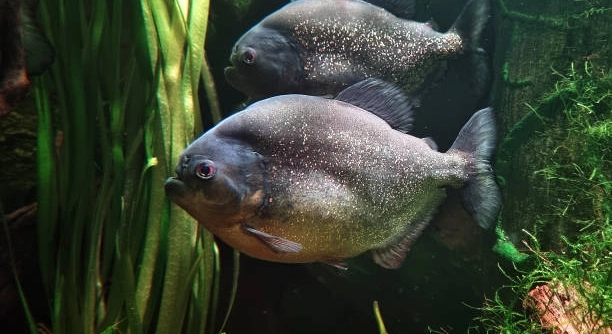
Feeding piranhas requires careful attention to their dietary needs. Providing inappropriate protein can negatively impact their health and behavior. Early recognition of these effects supports a thriving aquatic environment for these unique fish.
Inappropriate protein sources can cause nutritional imbalances, digestive problems, and behavioral changes in piranhas. Proper proteins are essential for growth, immunity, and overall well-being, while unsuitable options may lead to health issues and shorten their lifespan.
Recognizing these signs early helps prevent serious complications and improves care quality. This article highlights key indicators of incorrect protein in your piranha’s diet.
Let me know if you want it adjusted further or formatted differently.
Your content is well-structured and detailed. Below is a polished version that maintains your formal tone, improves clarity, and keeps the information concise and focused:
Slow Growth and Weakness
Piranhas require high-quality protein to support growth and maintain strength. A diet lacking proper protein often results in slower growth and signs of weakness. Fish may appear smaller than expected or show reduced activity during feeding. Weakness increases vulnerability to diseases and infections, affecting swimming ability and competition for food. Providing fresh, protein-rich foods such as small fish, insects, or specialized pellets helps maintain piranhas’ health and energy. Avoid excessive plant material or low-protein substitutes, as these fail to meet their nutritional needs. Regularly monitoring their physical condition allows early detection of slow growth or weakness. A balanced, carnivorous diet supports overall vitality and longevity in captivity.
Inadequate protein directly impairs growth and strength, increasing susceptibility to illness.
Proper feeding sustains natural growth patterns and muscle tone, enhancing health and activity.
Changes in Behavior
Behavioral shifts often indicate dietary problems in piranhas. Feeding inappropriate protein can reduce aggression or diminish interest in hunting and feeding. Naturally territorial and assertive, piranhas may display less activity or lethargy when nutrients are insufficient or digestive issues arise. Refusal to eat can also signal dietary deficiencies. Ensuring an appropriate supply of animal proteins preserves their natural behaviors. Observing interactions during feeding and daily tank activity provides insight into diet adequacy. Adjusting protein type or quality typically restores normal activity and feeding responses. Consistent feeding with high-quality protein supports both health and behavior.
Let me know if you want the text shortened or further formalized.
Here is a refined version of your text that maintains the formal and clear style, enhancing flow and focus:
Poor Water Quality
Poor water quality often results from uneaten food and waste, which increase when piranhas are fed unsuitable protein. This leads to elevated ammonia and nitrate levels, stressing the fish and causing health issues.
Inappropriate protein may not be fully consumed or properly digested, leaving excess food to decompose in the tank. This promotes bacterial growth and cloudiness, gradually altering water chemistry. Stressed piranhas become more prone to illness under these conditions. Regular water testing and maintenance are essential to detect early changes. Feeding digestible protein reduces waste buildup, supporting clearer water and healthier environments. Proper filtration aids water quality management, but diet plays a critical role.
Using appropriate protein sources prevents excessive waste, minimizing water contamination and maintaining a stable habitat. Consistent tank cleaning combined with proper feeding enhances overall fish wellbeing.
Physical Signs of Malnutrition
Malnutrition in piranhas is evident through physical changes such as faded coloration, frayed fins, and sunken bodies. These signs reflect prolonged deficiencies in essential proteins and nutrients.
Piranhas rely on protein for tissue repair and coloration. Poor-quality protein or insufficient food leads to visible deterioration. Fins may become ragged or torn, and bodies appear thinner than normal. Malnutrition weakens the immune system, increasing vulnerability to infections and delaying recovery from injuries. Prompt dietary correction is necessary to reverse these effects. Providing a variety of suitable protein sources supports tissue regeneration and restores natural coloration. Regular monitoring of physical condition helps detect malnutrition early, preventing permanent damage. Balanced protein intake also promotes normal behavior and longevity in captivity.
Let me know if you want this adjusted further or shortened.
Here is a polished version of your sections with clear and concise language, maintaining the formal tone:
Digestive Issues
Digestive problems can occur when piranhas consume inappropriate protein. Symptoms include bloating, constipation, and irregular swimming behavior.
These issues arise because unsuitable proteins are harder to digest, causing discomfort. Providing easy-to-digest, high-quality protein reduces digestive disturbances and supports healthy gut function.
Loss of Appetite
A poor protein diet often results in reduced appetite, leading to weight loss and weakness.
Restoring a balanced diet with fresh, appropriate protein helps regain appetite and improves overall health.
Weakened Immune System
Insufficient protein intake weakens the immune system, increasing vulnerability to infections and diseases.
Providing balanced, nutrient-rich protein supports immune function and enhances resistance to common aquatic illnesses.
Let me know if you want it more detailed or shortened.
Here is a refined version of your FAQ section, keeping a clear, concise, and formal style:
FAQ
What types of protein are best for piranhas?
Piranhas thrive on animal-based proteins such as fresh small fish, shrimp, insects, and specialized carnivore pellets. These provide essential amino acids necessary for growth, muscle maintenance, and health. Avoid processed or plant-based proteins, which can cause digestive issues. Rotating protein sources ensures nutritional variety and reduces deficiency risks.
How often should I feed my piranha protein?
Feeding frequency depends on age and size. Juveniles benefit from daily feedings, while adults are best fed every other day. Overfeeding pollutes the tank and stresses the fish. Proper portioning prevents leftover food and maintains water quality.
Can I feed my piranha frozen or live food?
Both are acceptable. Frozen food is convenient and reduces parasite risks. Live food encourages natural hunting but should be sourced carefully to avoid disease. Always thaw frozen food before feeding and ensure live prey is healthy.
What are common signs my piranha is not getting enough protein?
Signs include slow growth, weak swimming, dull coloration, reduced appetite, frayed fins, and thin bodies. Behavioral changes like decreased aggression or lethargy also indicate protein deficiency. Early detection allows timely dietary correction.
Is it harmful to feed my piranha only one type of protein?
Yes. A single protein source can cause nutrient imbalances. A varied diet with fish, insects, and pellets promotes better health and reduces the risk of deficiencies and allergies.
How do I know if my piranha is overeating protein?
Leftover food, cloudy water, and excessive waste indicate overfeeding. Overeating may cause obesity and stress. Feed only what piranhas can consume within minutes to avoid these issues.
Can piranhas eat plant-based proteins?
Plant-based proteins are not suitable as a main diet. Piranhas require animal proteins. Occasional plant matter is acceptable but should never replace animal-based foods, as it can lead to malnutrition and digestive problems.
What should I do if my piranha refuses to eat?
Refusal to eat may signal stress, illness, or diet issues. Check water quality, temperature, and tank conditions. Offer different protein types or live food to encourage feeding. If refusal continues, consult an aquatic veterinarian.
Are protein supplements recommended for piranhas?
Usually, a balanced diet with varied protein sources suffices. Supplements are rarely needed unless prescribed by a specialist for specific deficiencies. Prioritize fresh, high-quality foods over supplements.
How does improper protein affect piranha behavior?
Poor protein sources can cause lethargy, reduced aggression, and feeding disinterest. These behaviors result from nutritional deficiencies affecting energy and health. Correcting the diet often restores normal behavior within days to weeks.
Let me know if you want it shorter or more detailed.
Here is a refined and concise version of your Final Thoughts section, maintaining a formal and clear tone:
Final Thoughts
Providing the right protein is crucial for the health and well-being of your piranha. Incorrect protein sources can lead to slow growth, weakened immunity, and poor water quality. A diet rich in high-quality, animal-based protein supports proper development and keeps your fish active. Choosing appropriate protein helps prevent common health problems and enhances overall condition. A balanced diet aligned with their carnivorous nature is essential for maintaining strength and vitality.
Regular observation of behavior, appearance, and appetite is necessary to detect early signs of dietary issues. Prompt dietary adjustments prevent complications and support recovery. Clean water and a stable tank environment also play vital roles in sustaining piranha health. Proper feeding combined with good habitat maintenance creates optimal conditions for your fish.
Consistency and variety in protein sources ensure a broad nutrient intake and reduce deficiency risks. Avoiding overfeeding prevents waste buildup and water contamination. Careful selection of protein and monitoring feeding habits promote longevity and a healthier life in captivity.
If you want it adjusted for length or tone, just let me know.
Feeding piranhas requires careful attention to their dietary needs. Providing the wrong protein can affect their health and behavior. Recognizing the signs early helps maintain a thriving aquatic environment for these unique fish.
Feeding inappropriate protein to piranhas can lead to nutritional imbalances, digestive issues, and behavioral changes. Proper protein sources support growth, immunity, and overall well-being, while unsuitable options may cause health complications and reduce the lifespan of the fish.
Identifying these signs can prevent serious problems and promote better care. This article outlines key indicators of incorrect protein in your piranha’s diet.
Slow Growth and Weakness
Piranhas need high-quality protein to grow and stay strong. When their diet lacks the right protein, you may notice slower growth or signs of weakness. The fish might appear smaller than expected or less active during feeding times. Weakness can also make them more vulnerable to diseases and infections. Over time, this can affect their ability to swim properly and compete for food. Providing fresh, protein-rich foods like small fish, insects, or specialized pellets helps keep piranhas healthy and energetic. Avoid feeding them too much plant material or low-protein substitutes, as these do not meet their nutritional needs. Monitoring their physical condition regularly ensures that any signs of slow growth or weakness are addressed promptly. Maintaining a balanced diet tailored to piranhas’ carnivorous nature supports their overall vitality and longevity in captivity.
Inadequate protein directly reduces piranhas’ growth rates and physical strength, making them more susceptible to illness.
Proper feeding supports natural growth patterns and maintains muscle tone, improving fish health and activity levels.
Changes in Behavior
Behavioral changes often signal dietary issues in piranhas. When fed the wrong protein, they may become less aggressive or lose interest in hunting and feeding. Piranhas are naturally territorial and assertive, especially during feeding times. A sudden decrease in activity or aggression could indicate nutritional deficiencies. Sometimes, piranhas may refuse food or exhibit lethargy, which can be alarming. These behaviors often result from insufficient nutrients or digestive discomfort caused by poor protein sources. Ensuring the diet includes appropriate animal proteins helps maintain their natural behaviors. Observing how your piranhas interact during feeding and in the tank can provide valuable clues about their diet’s adequacy. Adjusting the type or quality of protein often restores their usual activity levels and feeding responses. Consistency in feeding with high-quality protein improves both health and behavioral patterns.
Poor Water Quality
Poor water quality often results from uneaten food and waste, which increase when piranhas are fed unsuitable protein. This can lead to higher ammonia and nitrate levels, stressing the fish and causing health problems.
When the wrong protein is fed, it may not be fully consumed or digested properly. This leaves excess food to decompose in the tank, promoting bacterial growth and clouding the water. Over time, the water chemistry shifts, causing piranhas to become stressed or ill. Regular water testing and maintenance are crucial to detect these changes early. Feeding the correct protein reduces waste buildup, supporting clearer water and healthier conditions. Maintaining proper filtration also helps manage water quality, but diet plays a significant role.
Ensuring the protein source is digestible prevents excessive waste. This reduces water contamination and creates a stable environment for your piranhas to thrive. Consistent tank cleaning paired with appropriate feeding improves their overall wellbeing.
Physical Signs of Malnutrition
Malnutrition in piranhas manifests through physical changes like faded coloration, frayed fins, and sunken bodies. These signs indicate prolonged dietary deficiencies, particularly in essential proteins and nutrients.
Piranhas depend on protein for tissue repair and coloration. Feeding them poor-quality protein or too little food causes visible decline. Their fins may lose structure, becoming ragged or torn, and their bodies may appear thinner than usual. Malnutrition weakens the immune system, increasing susceptibility to infections and slow recovery from injuries. Immediate correction of the diet is necessary to reverse these effects. Introducing a variety of appropriate protein sources supports tissue regeneration and restores natural coloration. Monitoring their physical condition regularly helps detect malnutrition early and prevent permanent damage. Balancing protein intake also promotes normal behavior and longevity in captivity.
Digestive Issues
Digestive problems can arise when piranhas eat the wrong protein. Symptoms include bloating, constipation, or irregular swimming behavior.
These issues occur because unsuitable proteins are harder to digest, leading to discomfort. Feeding easy-to-digest, high-quality protein reduces these digestive disturbances and supports normal gut function.
Loss of Appetite
A poor protein diet often causes piranhas to lose interest in food. This can lead to weight loss and weakness.
Restoring a proper diet with fresh, appropriate protein helps regain their appetite and improves overall health.
Weakened Immune System
Inadequate protein intake directly weakens piranhas’ immune defenses. This makes them more vulnerable to infections and diseases.
Supplying balanced, nutrient-rich protein supports immune function and helps maintain resistance against common aquatic illnesses.
FAQ
What types of protein are best for piranhas?
Piranhas thrive on animal-based proteins. Fresh small fish, shrimp, insects, and specially formulated carnivore pellets are ideal. These sources provide the essential amino acids needed for growth, muscle maintenance, and overall health. Avoid feeding processed or plant-based proteins, as they lack the proper nutrients and can cause digestive problems. Rotating protein sources ensures variety and reduces the risk of deficiencies.
How often should I feed my piranha protein?
Feeding frequency depends on the piranha’s age and size. Juveniles benefit from daily feedings, while adults do well with feeding every other day. Overfeeding can pollute the tank and stress the fish. Offering the right amount prevents leftover food, which negatively affects water quality. A balanced feeding schedule maintains health without excess waste.
Can I feed my piranha frozen or live food?
Both frozen and live foods are acceptable. Frozen food is convenient and safer since it reduces parasite risks. Live food can stimulate natural hunting behavior but should come from reliable sources to avoid introducing diseases. Always thaw frozen food properly before feeding and ensure live prey is healthy.
What are common signs that my piranha is not getting enough protein?
Look for slow growth, weak swimming, dull coloration, and lack of appetite. Physical signs like frayed fins and thin bodies also indicate protein deficiency. Behavioral changes, such as reduced aggression or lethargy, are common. Noticing these early allows timely diet adjustments to prevent long-term harm.
Is it harmful to feed my piranha only one type of protein?
Yes, feeding only one protein type can lead to nutrient imbalances. Piranhas need a variety of proteins to get all essential nutrients. A varied diet promotes better health and reduces the risk of dietary deficiencies or allergies. Including different protein sources like fish, insects, and pellets ensures a well-rounded diet.
How do I know if my piranha is overeating protein?
Signs include leftover food in the tank, cloudy water, and excessive waste buildup. Overfeeding can cause obesity and stress in piranhas, affecting their health and water quality. Measure portions carefully and avoid feeding more than they can consume in a few minutes.
Can piranhas eat plant-based proteins?
Plant-based proteins are not suitable as a main diet for piranhas. Their digestive systems are adapted to animal proteins. Feeding plant matter occasionally is fine but should never replace animal-based proteins. Relying on plants can cause malnutrition and digestive issues.
What should I do if my piranha refuses to eat?
Refusal to eat may indicate stress, illness, or dietary problems. Check water quality, temperature, and tank conditions first. Try offering different types of protein or live food to encourage feeding. If the problem persists, consult an aquatic veterinarian to rule out health issues.
Are there any protein supplements recommended for piranhas?
In most cases, a balanced diet with varied protein sources is sufficient. Supplements are rarely necessary unless recommended by a specialist for specific deficiencies. Focus on fresh, high-quality foods rather than relying on supplements.
How does improper protein affect piranha behavior?
Improper protein can cause lethargy, reduced aggression, and disinterest in feeding. These behavioral changes stem from nutritional deficiencies that impact energy levels and overall health. Restoring a proper protein diet often returns normal behavior within days to weeks.
Final Thoughts
Feeding your piranha the right protein is essential for its health and well-being. Incorrect protein sources can cause a range of problems, from slow growth to weakened immune systems and poor water quality. Ensuring your piranha’s diet includes high-quality, animal-based protein supports proper development and keeps the fish active. Paying attention to the type of protein you provide helps avoid many common health issues and improves your fish’s overall condition. A balanced diet tailored to their carnivorous needs is key for maintaining strength and vitality.
It is important to observe your piranha regularly to detect any signs of dietary problems early. Changes in behavior, appearance, or appetite often indicate that the protein source might not be suitable. Acting quickly to correct the diet can prevent further complications and promote recovery. Maintaining clean water and a stable tank environment also plays a critical role in supporting your piranha’s health. Feeding the correct protein and keeping their habitat well-maintained work together to create ideal conditions for your fish.
Consistency and variety in feeding are also vital. Offering different kinds of animal protein ensures your piranha receives a broad spectrum of nutrients. This reduces the risk of deficiencies and keeps the fish interested in their food. Avoiding overfeeding is equally important to prevent waste buildup and water contamination. By carefully selecting protein sources and monitoring feeding habits, you help your piranha thrive and live a longer, healthier life in captivity.

Hello,
If you enjoy the content that we create, please consider saying a "Thank You!" by leaving a tip.
Every little bit helps us continue crafting quality advice that supports the health, happiness, and well-being of pets around the world, for pets of all shapes, sizes, and species.
We really appreciate the kindness and support that you show us!