
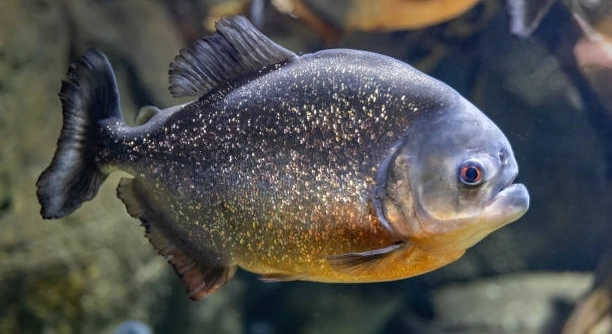
Piranhas are often seen as fierce fish, but they have interesting ways to protect themselves when feeling nervous. These small predators use different group formations to stay safe and maintain control in their environment. Their behavior reflects natural instincts shaped by survival needs.
When nervous, piranhas adopt seven distinct group formations. These formations help reduce individual risk by enhancing collective vigilance, improving defense against predators, and maintaining social cohesion. Each formation serves a specific function depending on the level of threat and environmental conditions.
Understanding these group behaviors reveals more about piranha survival strategies and how they interact under stress. The following explanations outline each formation’s role and significance within their aquatic world.
The Schooling Formation
When piranhas feel nervous, one of the most common group formations they use is schooling. In this formation, the fish swim closely together in a coordinated manner. Schooling helps reduce the chance of any single fish becoming a target for predators. By moving as a unified group, they create confusion for attackers, making it difficult to single out one individual. This formation also improves communication among the fish, allowing them to react quickly to threats. The synchronized swimming reduces water resistance, which can help conserve energy when escaping danger. This behavior is a natural defense mechanism seen in many fish species but is especially effective for piranhas because of their aggressive reputation. Schooling provides safety through numbers and allows the group to respond collectively to environmental changes or sudden dangers.
The schooling formation keeps piranhas close and coordinated, enhancing their defense and making it harder for predators to attack individuals.
Schooling is a reliable and efficient way for piranhas to stay protected. It improves survival by using strength in numbers. This formation allows the group to move fast and react quickly when needed. Because they swim so closely together, it also keeps the group organized. The tight formation reduces the risk for each fish and helps maintain social bonds. Schooling is the go-to formation when danger feels immediate but not overwhelming.
The Circular Formation
In the circular formation, piranhas form a tight ring facing outward. This shape allows every fish to keep watch for threats from all directions. The circle works like a moving shield that protects the inner members of the group.
This formation is used when piranhas feel highly threatened and want to protect the most vulnerable members in the center. It creates a strong defensive barrier and reduces exposure to predators. The outward-facing fish can spot danger early and signal others. This formation requires coordination and trust, as each fish depends on its neighbors to hold the circle. While in this shape, movement slows down, prioritizing protection over speed. Circular formation is less about escape and more about standing firm together. It shows a strong social bond among piranhas when they face significant danger.
The Line Formation
The line formation is where piranhas swim one behind another in a straight row. This formation helps them stay alert and move quickly through narrow spaces. It also limits exposure from predators attacking from the side.
In this formation, each piranha follows the one in front closely, creating a streamlined group. It allows for quick directional changes without losing cohesion. This setup works well in confined areas like river channels or dense vegetation where quick movement is essential. The linear shape makes it easier to spot threats ahead while maintaining group unity. It also helps in coordinating attacks when they feel threatened or need to defend their territory.
The line formation is practical when piranhas need to move fast and stay organized in tight spaces. It reduces the chance of predators ambushing from the sides and allows for efficient communication through the group. It also conserves energy by following the fish in front, reducing water resistance.
The Wedge Formation
The wedge formation is shaped like a triangle with one piranha at the point leading the group. This formation allows the group to move forward quickly and break through water resistance.
This shape is useful when piranhas want to advance toward a threat or potential food source. The lead fish takes on the most resistance, making it easier for others to follow behind with less effort. It also focuses the group’s attention forward, improving coordination during movement or attack. The wedge formation signals a more aggressive or purposeful approach compared to other defensive shapes. The tight angle improves speed and control while maintaining close proximity among group members. It requires trust and cooperation since the lead fish faces the greatest risk. This formation highlights the balance between protection and offense in piranha behavior.
The Cluster Formation
The cluster formation involves piranhas grouping tightly without a clear shape. It provides safety by keeping individuals close, reducing the chance of being singled out by predators. This formation is often used when the threat level is moderate but still concerning.
Clusters allow for quick shifts into other formations like schooling or circular shapes. The tight grouping helps maintain social bonds and allows for rapid communication of danger signals.
The Defensive Fan Formation
The defensive fan formation spreads piranhas in a wide, curved shape facing outward. This arrangement maximizes their field of vision and allows them to respond quickly to threats from multiple directions. It provides a strong defense while maintaining some distance between individuals.
The Pair Formation
In the pair formation, two piranhas swim closely together, coordinating their movements. This tight pairing increases their chances of spotting danger and defending each other effectively. Pairs often form during low threat levels or when larger group formations are not needed.
The Retreat Line Formation
The retreat line formation involves piranhas swimming away from danger in a single, tight line. This formation prioritizes quick escape while maintaining group cohesion and minimizing exposure to predators from the side.
FAQ
Why do piranhas form groups when they are nervous?
Piranhas group together when nervous to protect themselves from predators. Group formations increase their chances of survival by confusing attackers and reducing individual risk. Moving as a group also improves communication and allows them to react faster to threats. These formations help maintain safety through numbers.
How do different formations help piranhas survive?
Each formation serves a specific purpose. Schooling creates confusion for predators, while circular formations provide protection by allowing all fish to face outward. Line and wedge formations help with quick movement and coordination. These formations balance defense and mobility depending on the level of danger and the environment.
Are these group formations common in all piranha species?
Most piranha species use group formations, but the exact patterns may vary. Environmental factors like water clarity, habitat structure, and predator presence influence which formations are used. While schooling is very common, others like the circular or wedge formations appear in specific situations.
Do piranhas always form groups or do they swim alone sometimes?
Piranhas can swim alone, especially when hunting or exploring. However, they usually come together in groups when they feel threatened or during social activities. Group behavior offers more protection and helps maintain social order, but solitary swimming happens during calmer or less risky times.
How quickly can piranhas change from one formation to another?
Piranhas can switch formations rapidly. Their strong social instincts and constant communication allow them to adapt to changing threats almost instantly. For example, they might shift from schooling to a circular formation if a predator gets too close, improving their defense in seconds.
What role does the environment play in piranha group formations?
The environment is crucial in determining which formation piranhas use. In open water, schooling is most effective for protection. In tight or complex areas like river channels, line or wedge formations help maneuver through obstacles. When predators surround them, circular or defensive fan formations offer better protection.
Are these formations only used when piranhas are nervous or also for other reasons?
While these formations are most common when piranhas feel nervous or threatened, they also appear during other activities. For example, schooling helps conserve energy during long swims, and wedge formations can assist in hunting or territorial displays. These group patterns serve multiple functions beyond defense.
Do all fish use similar group formations?
Many fish species use similar formations like schooling and circular shapes to protect themselves. These behaviors are widespread because they offer clear survival benefits. However, the specific patterns and uses can differ based on species, habitat, and social structure.
Can humans observe these formations easily?
Observing these formations in the wild can be challenging due to water conditions and the piranhas’ quick movements. In aquariums or clear waters, it is easier to notice how piranhas group and move together. Understanding these behaviors requires careful observation and sometimes underwater filming.
Do piranha group formations change with age or size?
Group behavior generally stays consistent regardless of age or size, but larger or older piranhas might take different roles within formations. For example, bigger fish may lead in wedge or line formations. Younger piranhas often stay closer to the center in circular formations for protection.
How do piranhas communicate within these groups?
Piranhas use body movements, changes in swimming speed, and sometimes sounds to communicate. These signals help coordinate movement, alert others to danger, and maintain group structure. Communication is key for switching formations smoothly and reacting to threats effectively.
Can stress or changes in the environment affect these group formations?
Yes, stress from environmental changes like water pollution, temperature shifts, or habitat loss can disrupt normal group behavior. Piranhas may become less coordinated or more aggressive. Healthy environments support natural group formations, which are essential for their survival.
Are predators the only reason piranhas form groups?
Predators are the main reason piranhas group for defense, but competition for food and social interaction also influence grouping. Formations can help them coordinate attacks on prey or establish territory. Group behavior is a complex part of their survival strategy beyond just avoiding predators.
Final Thoughts
Piranhas use different group formations to protect themselves when they feel nervous or threatened. These formations help reduce the risk of being caught by predators by keeping the fish close together and organized. Each formation offers unique benefits, such as improved communication, better defense, or faster movement. Understanding these formations provides insight into how piranhas survive in their natural environment and how they respond to danger as a group.
The behavior of forming groups shows that piranhas are social creatures who rely on teamwork. When they come together, they increase their chances of survival. Whether they swim in a tight circle to guard each other or spread out in a wedge to move quickly, each formation serves a purpose. These formations also reflect the piranhas’ ability to adapt to changing situations, whether it is the presence of a predator or the need to navigate through narrow spaces.
Overall, studying piranha group formations reveals much about their natural instincts and survival strategies. These behaviors are a result of millions of years of evolution, helping them avoid threats and stay safe. Recognizing the importance of these formations can also guide efforts to protect their habitats. Maintaining healthy environments ensures that piranhas can continue using these formations effectively, which is crucial for their survival and the balance of their ecosystems.

Hello,
If you enjoy the content that we create, please consider saying a "Thank You!" by leaving a tip.
Every little bit helps us continue crafting quality advice that supports the health, happiness, and well-being of pets around the world, for pets of all shapes, sizes, and species.
We really appreciate the kindness and support that you show us!