
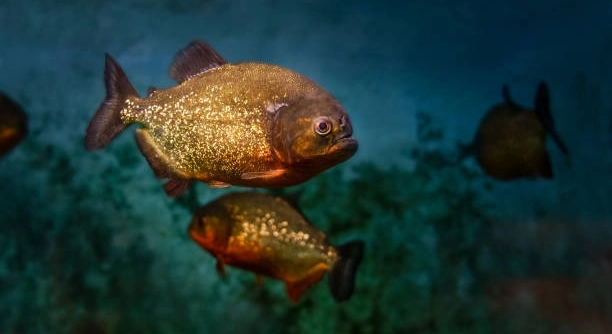
Have you ever set up an aquarium and wondered if your piranhas can sense sounds or vibrations coming from your nearby speakers?
Piranhas can detect low-frequency vibrations through their lateral line system, a sensory organ sensitive to water movement. While they cannot hear sound like humans, they can perceive vibrations caused by bass-heavy or loud music near the tank.
Understanding how piranhas react to external vibrations can help improve their habitat and reduce unnecessary stress. Let’s explore what these reactions mean for their behavior and overall tank environment.
How Piranhas Sense Vibrations
Piranhas use a specialized organ called the lateral line to detect movement and vibrations in the water. This line runs along the sides of their body and picks up subtle shifts caused by nearby objects, currents, or vibrations. Unlike humans, piranhas don’t process sound through ears. Instead, they rely on these water-borne vibrations to interpret their surroundings. This ability helps them detect prey, avoid threats, and navigate through their environment. When speakers are placed near the tank, especially ones with strong bass, the vibrations can travel through the tank walls and into the water. Piranhas can sense these changes and may react to them. Some might become more alert, while others might hide or swim away. The sensitivity varies between individuals, but the reaction is usually tied to how intense or consistent the vibration is. Constant exposure may cause unnecessary stress or alter their behavior over time.
Too much exposure to strong vibrations can disrupt their routines and lead to signs of discomfort.
Loud music with deep bass can create strong, low-frequency vibrations that pass through the tank walls. These vibrations may be detected by the piranhas as sudden changes in their environment. Repeated exposure can cause them to become startled or stressed, which may reduce their activity levels or affect their feeding behavior. If this happens often, it may lead to long-term stress responses like hiding more frequently, staying near the bottom, or showing aggression. Although the vibrations may seem minor, piranhas rely heavily on environmental consistency. Even small changes can disrupt their usual rhythm. It’s best to keep speaker volume low near the tank and avoid placing subwoofers directly against it. If piranhas show sudden changes in behavior during music playback, it may be a sign the vibrations are too intense. A calm tank environment supports their well-being and encourages more natural, relaxed behavior.
Creating a Better Tank Setup
Tank placement and surrounding noise both play an important role in keeping your piranhas relaxed and healthy.
To reduce unnecessary stress, avoid placing the aquarium near loud entertainment systems or on shared walls with high traffic areas. Vibrations from sound systems, especially bass-heavy speakers, can travel through surfaces and reach the tank even if the sound isn’t clearly audible to humans. Keeping the tank on a stand with padding or insulation beneath it can help minimize vibration transfer. Adding live plants or decorations can also provide cover and reduce how much water movement affects the fish. Lighting should remain steady, and water parameters should be kept stable to limit additional stress. Monitoring your piranhas’ behavior can guide you in adjusting their environment. If they become jumpy or hide often, consider reducing nearby sound exposure. A calm, stable space helps them feel more secure and encourages regular activity and feeding. Small changes in setup can make a noticeable difference in how your piranhas respond to their environment.
Recognizing Signs of Stress in Piranhas
Stress in piranhas can show through sudden changes in behavior. If they start hiding more often, become less active, or refuse food, these may be signs of discomfort caused by environmental changes like strong vibrations.
Piranhas are usually alert but calm when they feel secure in their tank. If they start darting quickly around the tank, bumping into objects, or freezing in one spot for long periods, it could indicate stress. Flashing behavior—when they quickly rub against surfaces—can also be a sign of irritation. These reactions often happen in response to consistent disturbances such as nearby loudspeakers or erratic lighting. Checking their usual patterns and watching for new, unusual actions is important. If several fish begin acting differently at once, it’s worth investigating environmental causes. Maintaining routine water checks and minimizing external disruptions will help return them to a more balanced, relaxed state.
Long-term stress can lead to health issues in piranhas. Weakened immune responses make them more prone to infections and diseases. Their feeding patterns may become irregular, which affects their growth and overall vitality. Aggression can also increase, especially in groups, as stressed fish become more defensive. Tank mates may get injured as a result. Additionally, the overall atmosphere in the tank becomes tense, which can cause a chain reaction of stress throughout the group. Even if only one or two piranhas show visible symptoms, the rest may also be affected. Addressing the source—such as excessive vibrations or sound—is key to preventing ongoing stress. Creating a steady, quiet environment promotes a healthier space and better social behavior. Regular monitoring helps you catch small problems early before they affect the group more deeply.
Managing Sound and Vibration Around the Tank
Reducing vibration is one of the easiest ways to improve your piranhas’ comfort. Keep the tank away from speaker systems, subwoofers, or any furniture that vibrates when music or media plays loudly nearby.
Using a thick mat or insulated padding beneath the tank stand can absorb surface vibrations before they reach the water. If you live in a small space or cannot move the speakers, try reducing the bass settings and volume. Position the tank on a stable surface that doesn’t resonate easily. Placing it near soft surfaces like curtains or cushioned furniture can also reduce vibration reflection. Avoid putting anything directly on the tank lid that might rattle or shift during loud moments. Schedule music or entertainment when lights are on, and your fish are already active—this prevents disrupting their rest cycles. Consistency in environment helps piranhas stay calm and adjust better to their surroundings without unnecessary stimulation.
Factors That Increase Vibration Sensitivity
A bare glass tank tends to carry sound and vibration more directly into the water. Tanks placed on hardwood or tile floors without padding also pick up more vibration. These conditions can make piranhas more reactive and anxious, especially if the noise is frequent or sudden.
Younger or newly introduced piranhas are often more sensitive to unfamiliar stimuli. Their stress threshold is lower, especially if they haven’t adjusted to the environment. Tanks near high-traffic areas—like hallways, kitchens, or TV setups—can cause repeated disturbances. These environmental triggers often lead to uneasiness, even in otherwise healthy fish.
How to Observe Behavior After Changes
After reducing noise or moving the tank, give your piranhas a few days to adjust. Watch for improved feeding, less hiding, and smoother swimming. If they begin to interact more and show fewer signs of stress, the change is working. Patience is key when observing new behavior patterns.
When to Make Adjustments Again
If stress signs return or new behaviors appear, it may be time to reassess placement or nearby activities. Even minor changes in your daily routine can shift how vibrations affect the tank.
FAQ
Can piranhas really feel vibrations from speakers?
Yes, piranhas can detect vibrations through the water. Their lateral line system allows them to sense changes in pressure and movement. When speakers are too close to the tank, especially with heavy bass, vibrations can travel through the stand and glass, entering the water. Piranhas may respond by hiding, darting suddenly, or becoming unusually aggressive or still. These reactions are stress-related and can become more intense with repeated exposure. Reducing sound levels or moving speakers farther away can help minimize their discomfort. It’s important to observe their behavior when sound levels change near their tank.
Do vibrations affect all piranhas the same way?
No, sensitivity varies between individual piranhas. Some may seem unaffected while others show visible signs of stress. Age, species, prior exposure, and tank setup all influence how a piranha reacts to sound or vibration. Juveniles are often more reactive, while adult piranhas may tolerate occasional noise better if they’ve been raised in a high-stimulus environment. However, long-term exposure can still be harmful, even if signs aren’t obvious. Watching each fish’s behavior is key. If one or more show changes in feeding or swimming patterns, it’s a good idea to reevaluate the noise level near the tank.
What signs should I watch for if my piranhas are stressed by vibration?
Key signs include sudden dashing movements, freezing, hiding for long periods, or avoiding parts of the tank. A decrease in appetite, constant pacing, or flashing behavior—where they rub against surfaces—can also point to discomfort. Aggression may rise if they feel unsafe, even toward tank mates. These signs tend to appear quickly after exposure to loud sounds or vibrations. If the behavior improves once the source is removed, it’s likely the vibration was the cause. Keeping a regular routine and a quiet environment helps prevent these reactions from becoming chronic.
Can sound from the air affect the water in the tank?
Yes, airborne sound can still influence the water indirectly. Although sound in the air doesn’t travel as efficiently through water, strong vibrations—especially from subwoofers or floor speakers—can pass through the tank’s surface or stand. This is more noticeable in setups placed on resonant furniture or thin flooring. Vibrations can reach the water more easily this way, causing pressure changes that piranhas feel. Using dense stands, foam padding, or relocating the tank to a more insulated area reduces this impact. Lowering bass levels is also a simple and effective solution.
Is music harmful to piranhas?
Not all music is harmful, but the volume and bass levels matter. Quiet, ambient music usually doesn’t cause stress. Loud music with deep bass can generate strong vibrations that disturb your piranhas. Over time, constant exposure can affect their feeding, behavior, and health. It’s best to keep music levels low and avoid placing speakers close to the tank. If music is part of your routine, play it during the day when your fish are already active and avoid sudden volume spikes. Creating a calm setting supports their natural behavior.
Can tank decorations or equipment make vibrations worse?
Yes, certain decorations and filter setups can amplify vibrations. Thin glass tanks without padding underneath are more prone to carrying vibration. Hard decorations like stones, caves, or plastic plants can rattle or shift when the tank is exposed to sound. Loose lids or lighting systems may also vibrate, creating noise that disturbs fish. Even strong filter flow or bubbling systems placed too close to the walls can create pressure changes. Choosing soft or stable decorations and securing all tank equipment properly helps reduce this issue. Regular checks prevent avoidable disturbances.
How can I create a more sound-stable tank setup?
Place the tank on a solid, padded stand with rubber feet or foam underneath. Keep it away from speakers, washing machines, and heavy foot traffic. Use dense materials like wood or thick carpet under the tank area to reduce vibration transfer. If needed, relocate the tank to a quiet part of the room. Avoid placing anything directly on the glass lid. Secure cords, filters, and lights so they don’t rattle. Keeping the tank in a stable, low-vibration spot makes a noticeable difference in your piranhas’ comfort and reduces long-term stress.
Final Thoughts
Keeping piranhas in a home aquarium comes with specific responsibilities. These fish are sensitive to their surroundings, especially when it comes to sound and movement. Vibrations from speakers, televisions, or other devices near their tank can affect their behavior. Sudden loud sounds or heavy bass may cause them to hide, stop eating, or become more aggressive. Even small changes in their environment can make a difference. That’s why it’s important to keep their tank setup calm and stable. Watching how they react to their surroundings helps you know when something isn’t right.
It doesn’t take expensive equipment to protect your piranhas from sound and vibration. Simple steps, like moving the tank away from speakers or placing it on a padded stand, can make a big impact. You don’t need to completely eliminate noise, but reducing the amount and intensity helps create a more comfortable environment. Adding plants and hiding spaces can also help them feel safer, especially if they’ve already been stressed. These adjustments not only protect their well-being but also help them show more natural and relaxed behavior. Calm fish are easier to care for and usually stay healthier over time.
Observing your piranhas regularly is one of the best things you can do. Look for changes in their eating habits, movement, or how they respond during feeding times. If something seems different, check for sound sources or vibrations nearby. Trust what you see—if your fish appear nervous or start acting out of character, it may be time to adjust their setup. Creating a peaceful space supports their natural instincts and reduces the chance of long-term issues. A quiet, steady environment goes a long way in keeping your piranhas safe and content. When their needs are met, they tend to thrive with less effort and stress.

Hello,
If you enjoy the content that we create, please consider saying a "Thank You!" by leaving a tip.
Every little bit helps us continue crafting quality advice that supports the health, happiness, and well-being of pets around the world, for pets of all shapes, sizes, and species.
We really appreciate the kindness and support that you show us!