
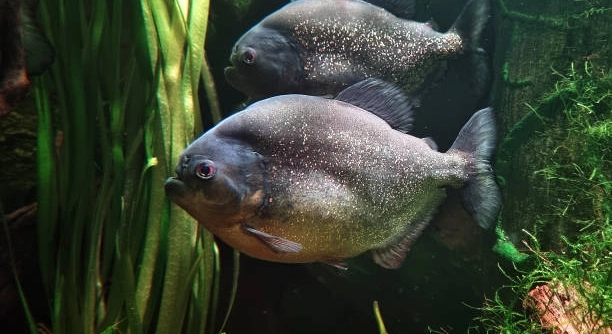
Many people keep piranhas as fascinating pets and enjoy watching their feeding habits. However, sometimes these fish stop responding to food, which can be confusing and concerning. Understanding why this happens helps in caring for them properly.
Piranhas may stop responding to food due to various factors such as illness, stress, water quality issues, changes in environment, breeding cycles, diet changes, or simply because they are full. Each factor affects their feeding behavior differently.
Knowing these reasons will help you recognize when your piranhas need attention and improve their care to keep them healthy and active.
Illness Affecting Appetite
When piranhas get sick, their appetite often drops. Illnesses like infections or parasites can make them weak and less interested in eating. Sometimes, you might notice changes in their behavior, such as hiding or less movement, which often go hand-in-hand with a lack of response to food. It’s important to watch for signs like cloudy eyes, swollen areas, or unusual spots on their bodies. Poor water quality can also lead to illness, so keeping the tank clean is key to preventing sickness. If a piranha stops eating for more than a couple of days, it’s a good idea to check water parameters and consult a vet or fish specialist. Early action can help the fish recover more quickly and avoid long-term health problems. Feeding smaller amounts or offering different types of food may encourage them to eat again.
Illness is a common reason for piranhas to stop eating, and prompt care can make a big difference in recovery.
Understanding how sickness affects feeding habits helps you keep your piranhas healthier and more active in the tank.
Stress and Environmental Changes
Stress can cause piranhas to lose interest in food, especially after changes in their environment. Moving them to a new tank, adding new fish, or sudden loud noises can make them anxious. Stress weakens their immune system and affects their normal behavior. Piranhas are sensitive to water temperature, pH levels, and lighting, so even small changes can disturb them. It’s best to keep their environment stable and make changes slowly when necessary.
Stress impacts piranhas’ feeding by disrupting their natural routine. Keeping their habitat calm and consistent reduces this issue significantly.
When piranhas experience stress, their feeding patterns change as they focus more on survival than eating. To help, maintain steady water conditions, avoid overcrowding, and reduce loud disturbances near the tank. Giving them places to hide, like plants or decorations, also lowers stress. Gradual introduction of new tank mates or environmental changes allows the fish to adjust better. Watching for signs like rapid breathing or constant hiding can alert you to stress. Managing stress well not only improves appetite but also supports overall health and longevity in your piranha tank. Consistency and patience are key to ensuring your fish feel safe and comfortable enough to eat regularly.
Water Quality Issues
Poor water quality can cause piranhas to stop eating quickly. High ammonia or nitrite levels, incorrect pH, or dirty water all stress the fish. Regular testing and cleaning are essential to prevent this problem.
Maintaining clean water is vital for piranha health. Ammonia and nitrite build-up can poison fish and reduce appetite. pH levels should stay stable, ideally between 6.5 and 7.5. Frequent water changes and good filtration help keep conditions ideal. Avoid overcrowding, which can worsen water quality and increase stress. When water quality declines, piranhas become lethargic and may refuse food. Paying attention to water conditions helps avoid sudden feeding issues.
Regular monitoring with test kits and partial water changes improve water conditions. Adding plants or proper filtration supports a healthy environment, encouraging natural feeding behavior and reducing illness risks.
Breeding and Natural Cycles
During breeding times, piranhas often eat less or ignore food completely. Hormonal changes affect their appetite and behavior, sometimes causing aggression.
This natural phase requires patience and care. Providing separate breeding tanks or hiding spots reduces stress and supports successful spawning. Feeding smaller portions of high-quality food helps maintain health without forcing them to eat when they’re not ready. Breeding periods may last days or weeks, after which normal feeding resumes. Knowing this cycle prevents unnecessary worry and improper feeding attempts that could harm the fish. Monitoring their behavior closely allows better support during these sensitive times.
Overfeeding and Full Stomachs
Overfeeding can cause piranhas to stop responding to food because their stomachs are already full. Feeding too much or too often leads to refusal of extra food.
Allowing time between meals helps keep their appetite steady. Feeding small, balanced portions prevents this issue and supports digestion.
Changes in Diet
Sudden changes in diet may cause piranhas to reject food. Introducing new food slowly helps them adjust and accept different options without stress.
Offering a variety of foods, including live or frozen items, keeps their diet balanced and encourages regular feeding behavior.
Tank Mates and Competition
Piranhas may stop eating when tank mates cause stress or competition during feeding times. Aggressive or overly active fish can scare them away from food.
Providing enough space and feeding areas reduces competition. Observing interactions helps identify and manage conflicts to improve feeding responses.
Why are my piranhas suddenly not interested in food?
There are several reasons why piranhas might lose interest in food. Common causes include stress, illness, poor water quality, or recent changes in their environment. Overfeeding or being full can also make them ignore food. Sometimes natural cycles, like breeding, reduce their appetite temporarily. Watching their behavior and checking tank conditions helps find the cause.
How can I tell if my piranha is sick?
Signs of illness include hiding, sluggish movement, faded colors, or visible spots and wounds. Cloudy eyes or swollen areas also suggest health problems. If your piranha stops eating for several days and shows these symptoms, it’s best to test water quality and consider consulting a fish specialist.
What water parameters should I keep for healthy piranhas?
Ideal water conditions include a temperature between 74°F and 82°F (23°C to 28°C), a pH around 6.5 to 7.5, and very low ammonia and nitrite levels, close to zero. Regular testing and partial water changes keep these parameters stable. Proper filtration and avoiding overcrowding support a healthy environment.
How often should I feed my piranhas?
Feeding adult piranhas once a day is usually enough. Juveniles may need feeding twice daily. It’s important to offer amounts they can finish within a few minutes to avoid overfeeding. Skipping a day occasionally can help maintain appetite and prevent waste build-up in the tank.
Can I feed my piranhas the same food every day?
While piranhas can eat the same type of food daily, variety is better for their nutrition. Offering live, frozen, or prepared foods like fish chunks, shrimp, or worms helps keep them healthy and interested. Gradually introducing new foods prevents rejection.
What should I do if my piranha refuses food during breeding?
It’s normal for piranhas to eat less or stop eating during breeding. Avoid forcing food and provide a quiet, comfortable environment with hiding spots. Small portions of high-quality food can be offered occasionally. Once breeding ends, appetite usually returns to normal.
How can stress be reduced in a piranha tank?
Keeping water quality stable, avoiding sudden changes, and limiting loud noises near the tank reduce stress. Providing enough space, hiding places, and compatible tank mates also helps. Observing behavior for signs of stress allows early action to prevent feeding issues.
Is it possible that my piranhas are just not hungry?
Yes, piranhas may not respond to food simply because they are full or not hungry. Overfeeding or frequent feeding reduces their appetite. Giving enough time between meals ensures they remain interested and eat properly.
What type of food do piranhas prefer?
Piranhas prefer fresh, meaty foods like fish, shrimp, and insects. They can also eat specially prepared pellets made for carnivorous fish. Providing a mix of live, frozen, and pellet food meets their nutritional needs and keeps them stimulated.
How do I introduce new food without causing feeding refusal?
Introduce new foods gradually by mixing small amounts with their usual diet. Offering familiar foods alongside new options helps piranhas accept changes without stress. Watching their reactions allows you to adjust the feeding plan to what they prefer.
Can tank mates affect my piranha’s feeding behavior?
Yes, aggressive or overly active tank mates can scare piranhas away from food. Competition during feeding times makes some fish shy or stressed, leading to refusal to eat. Providing enough space and separate feeding spots helps reduce this problem.
What should I do if my piranha stops eating and won’t recover?
If your piranha refuses food for more than a week, it’s important to check water quality and health carefully. Consulting a vet or fish specialist can help diagnose underlying problems. In some cases, adjusting diet, improving tank conditions, or treating illness is necessary to restore appetite.
Understanding why piranhas may stop responding to food is important for anyone who keeps these fish. Many factors can affect their appetite, including health, environment, and natural behaviors. Recognizing the signs that a piranha is not eating because of illness, stress, or poor water quality helps you act quickly. Early action often prevents more serious problems and keeps the fish healthy and active. Regular monitoring of water parameters and tank conditions can reduce many common feeding issues.
It’s also important to remember that piranhas, like all animals, have natural cycles and behaviors that affect their eating habits. Breeding times or being full can temporarily reduce their interest in food. Changes in diet or tank mates can cause hesitation in eating, but with patience and care, these problems can usually be managed. Feeding the right amount, providing variety, and ensuring a calm environment support consistent feeding and overall well-being.
Taking care of piranhas means paying attention to small details in their daily routine and environment. Simple steps like regular water testing, avoiding overfeeding, and reducing stress can make a big difference. If feeding problems persist, consulting a specialist may be necessary to identify hidden health issues. By understanding these factors and providing proper care, you help your piranhas stay healthy and enjoy their meals regularly.

Hello,
If you enjoy the content that we create, please consider saying a "Thank You!" by leaving a tip.
Every little bit helps us continue crafting quality advice that supports the health, happiness, and well-being of pets around the world, for pets of all shapes, sizes, and species.
We really appreciate the kindness and support that you show us!