
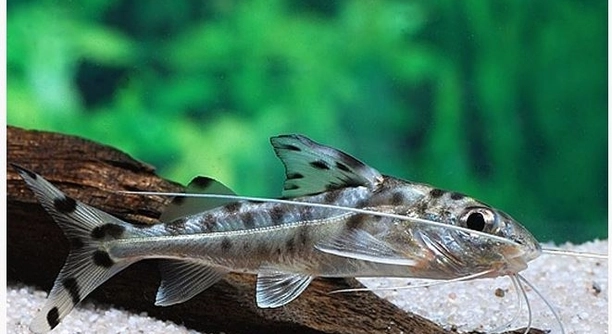
Pictus catfish are popular freshwater fish known for their active swimming and peaceful nature. Many aquarium enthusiasts consider keeping them with other species, including snails, to create a diverse tank environment. Understanding how these species interact is important for a healthy aquarium.
Pictus catfish can generally share a tank with snails without significant issues. They are not aggressive toward snails, and their diet primarily consists of small fish and insects rather than snail shells. Proper tank conditions and balanced feeding help maintain peaceful coexistence.
Choosing compatible tank mates can improve your aquarium’s harmony. Knowing the behaviors and needs of pictus catfish alongside snails ensures a safe and balanced aquatic environment.
Behavior of Pictus Catfish Around Snails
Pictus catfish are known for their active and curious behavior in the aquarium. They swim quickly and often explore the tank, but they usually ignore snails rather than bother them. Unlike some fish species that might nip at snail shells, pictus catfish are more interested in moving prey and leftover food. Their barbels help them sense food on the tank bottom, but they don’t typically use this to disturb snails. However, young or very small snails could occasionally attract attention simply due to their size and movement. It’s important to provide enough hiding spots and plants so snails feel safe and can avoid any accidental encounters. Maintaining a balanced diet for the fish reduces the chances that they will become interested in snails as a food source.
Tank conditions should support both species, with clean water and proper filtration to prevent stress or aggression.
Pictus catfish’s peaceful nature means snails usually stay safe when both share the same tank.
Tank decorations and plants provide extra safety for snails, helping reduce stress and protect them from accidental harm by active fish.
Feeding Habits and Tank Setup
Pictus catfish are omnivores and mainly eat sinking pellets, small insects, and occasionally leftover food. They are not known to prey on snails, so feeding them properly is crucial. A well-fed catfish will be less likely to bother tankmates, including snails. It’s best to provide a diet rich in protein with occasional treats like bloodworms or brine shrimp. Snails, on the other hand, mostly feed on algae, decaying plants, and leftover fish food, which keeps them busy without competing with the catfish for food. The tank should have plenty of hiding spots and decorations like rocks or caves to allow both species to feel secure. Proper tank size is important too; overcrowding can cause stress, which might increase aggression or unwanted behavior. Monitoring water quality, temperature, and pH levels suitable for both species will support their health and peaceful coexistence in the aquarium.
Potential Risks of Keeping Pictus Catfish with Snails
Although pictus catfish are generally peaceful, they may accidentally harm very small or delicate snails during their active movements. Snails with thin shells are more vulnerable to damage from curious or fast-swimming fish.
Stress from overcrowding or poor water conditions can cause pictus catfish to become more aggressive or restless, increasing the chance of accidental harm. Ensuring the tank is spacious and well-maintained helps prevent these risks. If snails start disappearing or showing signs of damage, reevaluating tank conditions and fish behavior is important to protect all inhabitants.
Snails and pictus catfish can coexist if their environment is carefully managed, but attention to tank size and water quality is essential. Using sturdy snail species and providing plenty of hiding spots reduces the chance of injury or stress for snails in the aquarium.
Choosing Snail Species for a Tank with Pictus Catfish
Some snail species are better suited to living with pictus catfish due to their tougher shells and active defense mechanisms. Nerite and mystery snails have hard shells that can withstand occasional bumps or curiosity from fish. Apple snails also tend to be a good match because they are larger and less likely to be disturbed by the catfish’s movements. Avoid very small or fragile snails, which may not survive well in a tank with active fish like pictus catfish.
It’s helpful to research the specific needs of snail species to ensure they thrive alongside your catfish. Paying attention to the tank environment, including substrate type and water parameters, supports both snails and fish. A balanced ecosystem with compatible species leads to a more enjoyable and stress-free aquarium experience.
Tank Maintenance Tips for Mixed Species
Regular cleaning helps keep water quality high for both pictus catfish and snails. Removing uneaten food prevents algae growth and water contamination.
Monitor water parameters often. Stable temperature, pH, and ammonia levels reduce stress and keep all tank inhabitants healthy.
Signs of Stress in Snails and Pictus Catfish
Snails may retract into their shells or stop moving when stressed. Broken or damaged shells can also be a sign. Pictus catfish may show restlessness, hiding, or loss of appetite. Observing these behaviors early helps prevent bigger problems in the tank.
Tank Size Recommendations
A minimum of 30 gallons is recommended to provide enough space for both pictus catfish and snails. Larger tanks reduce stress and limit conflicts between species.
Importance of Hiding Spots
Providing caves, plants, and decorations gives snails and catfish places to retreat. This reduces stress and encourages peaceful coexistence.
FAQ
Can pictus catfish eat snails?
Pictus catfish do not usually eat snails. Their diet mainly consists of small insects, worms, and sinking pellets. While they might investigate snails out of curiosity, they rarely attack or consume them. Feeding your catfish well reduces the chance they will bother snails.
Will pictus catfish harm snail shells?
Generally, pictus catfish are gentle and do not intentionally damage snail shells. However, their active swimming might accidentally bump into snails. Snails with thin or fragile shells can be more vulnerable, so choosing sturdier snail species helps protect them.
What snail species are best with pictus catfish?
Nerite snails, mystery snails, and apple snails are good options. These snails have tougher shells and can handle the catfish’s movements better than small, delicate snails. Avoid tiny snails, as they are more likely to be stressed or injured.
How do I keep snails and pictus catfish healthy together?
Maintain clean water with regular tank maintenance. Feed both species properly—catfish with protein-rich food and snails with algae or vegetables. Provide hiding spots for snails and plenty of space to reduce stress and promote peaceful coexistence.
What tank size do I need for pictus catfish and snails?
A tank of at least 30 gallons is recommended. This gives enough space for the fish to swim actively and for snails to explore without feeling threatened. Overcrowding can cause stress and increase unwanted interactions.
Can overcrowding cause problems?
Yes, overcrowding stresses both fish and snails, which can lead to aggression or accidental injury. Keeping an appropriate number of inhabitants in a well-maintained tank ensures better health and harmony.
How often should I clean the tank?
Weekly partial water changes of about 20-30% help maintain water quality. Remove uneaten food and debris regularly to prevent harmful buildup that can stress your tank’s inhabitants.
What signs show that snails are stressed?
Snails may retreat into their shells for long periods, stop moving, or have damaged shells. These signs often mean the environment is not suitable or they are being disturbed by tank mates.
How do I recognize stress in pictus catfish?
Signs include hiding excessively, erratic swimming, loss of appetite, or dull coloration. Stress can be caused by poor water quality, overcrowding, or incompatible tank mates.
Is it safe to keep baby snails with pictus catfish?
Baby snails are more vulnerable due to their small size and soft shells. They might be at risk from the catfish’s curiosity or movement. If you want to keep baby snails, provide plenty of hiding spots or consider a separate tank.
Do pictus catfish need specific water conditions?
They prefer slightly acidic to neutral pH (6.5–7.5) and temperatures between 72-79°F (22-26°C). Stable water parameters help reduce stress and promote health for both fish and snails.
Can snails help maintain the tank’s cleanliness?
Yes, many snails eat algae and leftover food, which helps keep the tank cleaner. However, they should not be relied upon entirely for tank maintenance.
What should I feed my snails?
Snails eat algae, vegetables like zucchini or spinach, and specially formulated snail food. Make sure they have enough food to stay healthy alongside your fish.
Will pictus catfish and snails breed in the same tank?
Snails often breed quickly in a well-maintained tank, but pictus catfish do not interfere with their reproduction. However, an overpopulation of snails might require management.
Can I keep other fish with pictus catfish and snails?
Yes, but choose peaceful species that thrive in similar water conditions. Avoid aggressive or snail-eating fish to maintain a calm environment.
What should I do if my snails start disappearing?
Check for signs of stress or injury and assess if the catfish are bothering them. Improve hiding spots and review tank conditions. Sometimes snails die naturally or get trapped in filters.
Pictus catfish and snails can generally live together peacefully in the same tank. Their natural behaviors do not usually cause problems for one another, especially when the tank is set up correctly. Pictus catfish are active swimmers but tend to ignore snails, focusing more on food particles and small prey in the water. Snails mostly feed on algae and leftover food, which does not interfere with the catfish’s diet. This natural separation in their eating habits helps reduce competition and conflict between the two species. By understanding these basic behaviors, it becomes clear that they can coexist comfortably with the right care.
Proper tank conditions are key to maintaining harmony between pictus catfish and snails. A clean environment with stable water parameters ensures both species remain healthy and stress-free. Regular water changes and good filtration are necessary to keep water quality high. Providing enough space is also important, as overcrowding can lead to stress and aggressive behavior from any tank inhabitant. Including plenty of hiding spots and decorations benefits snails, giving them places to retreat and avoid accidental contact with the fish. These simple steps help create a balanced ecosystem where both fish and snails can thrive together.
It is important to choose suitable snail species that can withstand the active nature of pictus catfish. Snails with harder shells like nerite or mystery snails are better equipped to handle the presence of swimming fish. Fragile or very small snails may struggle in the same environment and require extra care or separation. Feeding both species appropriately helps keep them healthy and reduces the chance of unwanted interactions. Observing the tank regularly for signs of stress or damage allows you to address any issues early. With mindful planning and ongoing care, pictus catfish and snails can share a tank without problems, adding variety and interest to your aquarium.

Hello,
If you enjoy the content that we create, please consider saying a "Thank You!" by leaving a tip.
Every little bit helps us continue crafting quality advice that supports the health, happiness, and well-being of pets around the world, for pets of all shapes, sizes, and species.
We really appreciate the kindness and support that you show us!