
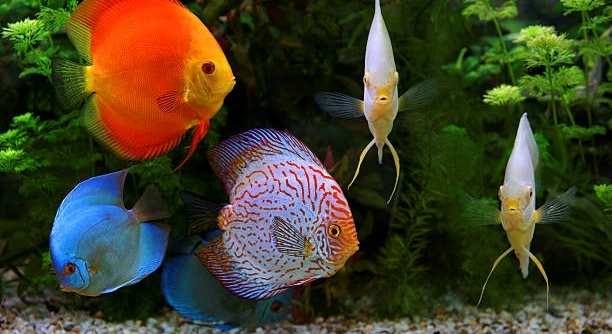
Do you have a tank full of discus fish and wonder if the noise around them could be making a difference in how they act?
Loud music can affect discus behavior by causing stress, leading to hiding, reduced feeding, and changes in swimming patterns. Prolonged exposure to high sound levels may disrupt their natural routines and overall well-being.
Understanding how sound influences discus fish can help you create a more peaceful, healthy environment for them to thrive.
How Sound Travels in Water and Affects Discus
Sound travels faster in water than in air, which means fish experience noise more intensely than we might expect. Discus are especially sensitive to changes in their environment, including sound. Loud music or other strong vibrations can stress them out. This stress might not be obvious right away, but over time it can cause them to hide, swim erratically, or lose their appetite. Since discus thrive in calm, stable conditions, loud noise disrupts what they need most—peace and predictability. It’s important to consider tank placement and nearby speakers. Even footsteps or door slams near the tank can have a noticeable effect. Their sensitive lateral line system picks up vibrations in the water, making them alert to every shift in the space around them. Reducing sudden or repeated noise helps them stay calm and healthy. A quieter environment often means more consistent behavior and better eating and swimming habits.
Loud sounds can also change their breathing patterns, causing them to breathe faster due to stress.
Monitoring their reactions when music is playing is helpful. If they hide or stop eating, it might be worth adjusting the volume or distance of the sound source from their tank.
Creating a Calmer Environment for Your Discus
Noise sensitivity varies, but discus generally prefer quieter surroundings to feel safe.
One of the best ways to keep your discus comfortable is by placing the tank in a room where loud music or heavy foot traffic is rare. Avoid placing tanks near TVs, speakers, or windows that face busy streets. Soundproofing mats under the tank can help absorb vibrations from the floor. If you notice sudden behavior changes, it’s a good idea to observe whether they’re linked to sound levels in the room. Even background music at a moderate volume can build up stress over time. Tank lids, foam padding, and sturdy stands can also reduce noise entering the water. Try playing softer sounds or keeping music to the other side of the house. This makes the discus feel more at ease. Over time, a calm environment leads to more active swimming, regular eating habits, and vibrant coloring, all signs of a healthy fish.
Common Behavioral Changes Linked to Noise
When discus are exposed to loud music, they may start acting differently. You might notice them hiding more often, refusing food, or swimming in short, jerky movements. These are signs that the noise is affecting their comfort.
Discus rely on a calm environment to stay healthy. When exposed to loud or sudden noise, their stress levels rise quickly. This stress often shows up as unusual swimming patterns, staying near the bottom of the tank, or even darkening of their body color. In some cases, they may begin to avoid parts of the tank where the noise or vibrations are stronger. A once active fish might become sluggish or constantly alert. These behavioral changes can also affect their immune systems, making them more prone to illness. If the sound continues regularly, the stress may become chronic, leading to long-term health problems or reduced lifespan.
Some discus may also show signs of aggression when stressed by noise. This could include nipping at tank mates or trying to dominate certain areas of the tank. Such behavior disrupts the group’s social balance and causes additional stress to other fish. A peaceful tank often turns tense when high-volume sounds become a constant presence.
How to Observe and React to Subtle Signs
Discus don’t always show stress right away, so it helps to look closely at their daily habits. If feeding times change or they hover in new spots, sound may be the cause.
Try watching your fish at different times of day—especially when music or TV is on. Pay attention to how they move, breathe, and respond to routine events like feeding. Rapid gill movement, jerky swimming, or new hiding spots can all be clues. If you turn the music off and they become calmer, that’s a strong sign the noise matters. Keep a small journal of changes to track patterns over a few days. This can help you make adjustments to their environment without guessing. If you share your home with others, talk with them about lowering volume or using headphones near the tank. Subtle changes in behavior often mean a lot when it comes to discus health.
Other Factors That Can Make Noise Worse
Hard surfaces around the tank, like tile floors or bare walls, can make vibrations stronger. This allows sound to travel more directly into the tank, affecting the discus more than you might expect.
Using glass lids or thin stands can also increase how much sound reaches the fish. Softer materials help reduce that effect.
When to Consider Moving the Tank
If your discus continue to act stressed even after adjusting volume or routines, moving the tank might help. Choose a spot away from sound systems, televisions, or household appliances like washing machines. Try to place the tank on a padded, solid surface in a quieter part of the house. Avoid walls that carry outdoor traffic noise or are shared with loud rooms. Once the tank is moved, observe for several days to see if the discus return to normal patterns. A peaceful location makes a noticeable difference in how they act, eat, and interact with each other.
What to Avoid in the Tank Setup
Avoid placing décor that can rattle or vibrate with sound. Also, skip air stones or filters that add too much extra noise inside the tank.
FAQ
Can discus hear music the same way humans do?
Not exactly. Discus don’t have ears like we do, but they can sense sound vibrations through their body and lateral line system. This system helps them detect movement and vibration in the water. So while they don’t “hear” music in the human sense, they feel it. These vibrations can cause stress if they are too strong or sudden. The deeper or louder the sound, the more it travels through water and reaches the fish. This is why even music you think is quiet may still impact them significantly. It’s not about the melody—it’s the vibration.
What volume level is safe for discus fish?
A safe level is one where vibrations aren’t reaching the water strongly. If you can feel bass through the floor, it’s likely too much for the fish. Try to keep music and noise at a moderate level and avoid having speakers too close to the tank. Every tank setup is different, so you’ll need to watch your fish and see how they respond. Some setups with padding or insulation may reduce the sound enough, while others amplify it. If your discus seem calm and active, the volume is probably fine.
Is occasional loud music harmful?
Occasional noise might not cause permanent damage, but repeated exposure to loud sound can build up stress over time. One loud event may startle them, but they can recover quickly if it’s not often. However, if loud music or sharp noises happen daily, it creates a pattern of stress. This stress affects how they eat, swim, and interact. It’s best to limit even occasional loud music around discus. If you’re hosting a party or playing music louder than usual, covering the tank with a blanket for a short time may help dampen the sound.
Do discus get used to noise over time?
Some discus might adjust to routine household sounds if they’re soft and consistent. But loud, unpredictable noises—like heavy bass, slamming doors, or high-volume music—are harder for them to get used to. Their stress response stays active with these types of sounds. While they may seem calm on the outside, inside they’re still affected. It’s safer not to rely on “getting used to it” as a solution. Instead, try to reduce noise at the source and focus on keeping their surroundings stable.
Can noise affect discus breeding behavior?
Yes, it can. Discus need a calm and quiet space to feel secure enough to breed. Loud noises or frequent disruptions can prevent them from pairing, nesting, or laying eggs. Even if they do begin the process, too much stress can lead to them eating the eggs or abandoning the site. Creating a quiet space with low lighting and minimal movement around the tank increases your chances of a successful breeding attempt. Reducing sound is just as important as adjusting water temperature and feeding schedules when trying to encourage breeding.
Do other fish in the tank react the same way?
Different species respond to noise in different ways. Some fish are more sensitive, like discus, while others are less reactive. However, loud noise can stress out most fish over time, even if it’s not obvious. Tankmates that are more active may stir up the discus more when stressed, creating more tension in the tank. It’s important to watch how all the fish behave when sound levels change. Group behavior can shift if even one species is affected by sound.
Can background noise, like fans or air filters, be too much?
It depends on how strong and constant the sound is. Gentle humming from a filter usually isn’t a problem, especially if it’s the same sound all day. But if a filter is rattling or buzzing loudly, it can add to the stress. Small, constant background noises are less harmful than loud, pulsing ones. Make sure your equipment runs quietly and smoothly. If you notice changes in fish behavior after changing a filter or adding a new piece of equipment, check for sound or vibration coming from it.
What signs should I watch for if I think music is stressing my discus?
Look for hiding, clamped fins, rapid gill movement, loss of appetite, or darker body color. These are common signs of stress. If these appear after you play music or when loud noise happens nearby, it’s a good sign your discus are being affected. Try turning off the music and observing their behavior for a day or two. If they return to normal—swimming more openly, eating well, and showing their natural colors—then the sound was likely the cause. Watching closely helps you know what’s working and what needs to change.
Final Thoughts
Keeping discus healthy means paying attention to more than just water quality and food. Their environment plays a big role in how they feel, and sound is part of that environment. Loud music, sharp noises, or strong vibrations can cause stress that builds up over time. While they don’t react the same way every time, you might notice changes like hiding, not eating, or swimming in unusual ways. These are signs that something is bothering them. Sound may not be the first thing people think about when setting up a tank, but it can have a real impact on the fish inside.
Discus need calm, stable surroundings to thrive. Placing their tank away from speakers, televisions, or other loud devices helps create a more peaceful space. Using soft materials under the tank or placing it in a quieter room can also reduce the amount of noise they feel. Watching their behavior closely can help you catch signs of stress early. If you notice they’re acting differently during loud moments and seem to calm down when it’s quiet, it may be time to make some changes. Small adjustments, like lowering the volume or moving a speaker, can go a long way.
Sound is just one part of their care, but it’s an easy thing to overlook. Most people think of things like filter settings, food types, or lighting—but background noise matters too. It affects how your fish eat, swim, and even how they get along with each other. Creating a safe and steady space, free of sudden or heavy sounds, supports their long-term health. Even if you enjoy music in your space, you can still protect your discus by adjusting how and where that sound travels. A calm tank often leads to brighter colors, better feeding, and fewer health issues. Paying attention to sound is a simple way to help your discus live a more comfortable life.

Hello,
If you enjoy the content that we create, please consider saying a "Thank You!" by leaving a tip.
Every little bit helps us continue crafting quality advice that supports the health, happiness, and well-being of pets around the world, for pets of all shapes, sizes, and species.
We really appreciate the kindness and support that you show us!