
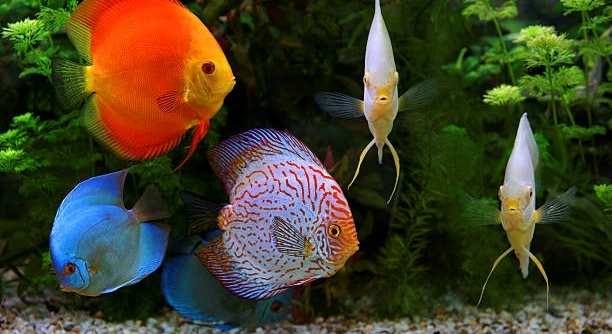
Do you ever find yourself adding new discus fish only to see tension rising in your tank instead of peaceful swimming?
The best way to introduce new discus without drama is to use a slow acclimation process, quarantine new fish beforehand, and monitor water parameters closely to avoid stress, disease, and aggression among the group.
These small changes can lead to smoother transitions, fewer health issues, and a much calmer tank environment for everyone involved.
Quarantine New Discus First
Adding new discus without quarantine can lead to serious problems in your tank. Quarantine helps prevent disease from spreading and gives your new fish time to adjust to different water conditions. Set up a separate tank with stable temperature, soft water, and gentle filtration. Keep the new discus there for at least two weeks, preferably four. During this time, observe for signs of stress or illness. This step is not just for the health of the new discus, but also to protect the established ones. Rushing this part can undo months of careful tank management and upset your whole setup.
Quarantine tanks don’t need to be fancy. A simple setup with hiding spots and a sponge filter is enough.
Once the quarantine period ends with no signs of disease, slowly adjust the new discus to the main tank’s water parameters. This keeps things smooth and reduces the risk of shock.
Introduce New Discus Gradually
When discus are added too quickly, they can become stressed and aggressive. Always add new fish in small groups and never just one.
Start by turning off the tank lights to reduce aggression. Float the bag with the new discus in the tank for 15–20 minutes, then slowly add small amounts of tank water every 5 minutes for the next hour. This helps the new discus get used to the water conditions without being shocked. Once fully acclimated, release them gently into the tank. Keep lights off for several more hours. Monitor interactions between fish closely over the next day or two. Look for fin nipping or hiding behavior, which can show that a fish is feeling threatened. Adding discus at night can also reduce tension. If aggression continues, consider rearranging tank decorations. This breaks up territory and makes the tank feel new to all discus, encouraging better group behavior.
Maintain Stable Water Parameters
Discus are very sensitive to changes in water conditions. Sudden shifts can cause stress, which leads to poor health and territorial behavior. Keep temperature, pH, and hardness consistent before and after introducing new fish. Stability will help the new and existing discus settle in more calmly.
Check water temperature daily, keeping it between 82–86°F. Use a reliable heater and avoid frequent water changes right after introducing new fish. Instead, do small changes every few days to maintain balance. Keep pH around 6.0–7.0, and make sure it doesn’t swing too much between readings. Use test kits to monitor ammonia, nitrite, and nitrate levels. High nitrates can stress discus, so stay under 20 ppm. Water hardness should stay low to moderate, with a GH under 10.
When your tank stays stable, both the new and current discus will feel less stressed. This creates a peaceful environment where they’re more likely to adjust well.
Rearrange the Tank Layout
Discus can become territorial, especially when new fish are added. Changing the tank layout right before introducing new discus can break established zones and help reduce aggressive behavior from older fish. It also gives newcomers places to explore and hide.
Move driftwood, plants, and decorations to make the tank feel unfamiliar to all discus. Try shifting larger structures to new areas, and add extra hiding spots like caves or tall plants. This helps the existing fish lose their sense of ownership and lowers tension. Adding visual barriers breaks lines of sight and gives new discus a chance to settle in without being chased. Make these changes just before adding the new fish so the environment feels fresh to everyone. Rearranging also gives you a chance to clean hidden debris and improve circulation. It’s a simple, effective way to calm the group and prevent bullying in the first few days.
Feed Before Introducing New Fish
Feeding your existing discus right before adding new ones can help reduce aggression. A well-fed fish is less likely to chase or nip at others. Offer their favorite food and let them calm down before the new discus are released.
This small step helps shift their focus. Instead of guarding territory, they’re more interested in resting and digesting. It sets a peaceful tone for the next few hours.
Monitor Behavior Closely After Introduction
Watch your discus closely during the first 48 hours. Look for signs like hiding, rapid breathing, or torn fins. These can mean stress or bullying. It’s normal for some chasing to happen at first, but it shouldn’t last too long.
Use a Tank Divider if Needed
If aggression continues, use a clear tank divider. It allows the fish to see each other while staying safe. This gives them time to adjust.
How long should I quarantine new discus before adding them to my main tank?
Quarantining new discus for at least two weeks is recommended, but four weeks is ideal for better safety. This time helps you watch for signs of illness or stress, which can prevent diseases from spreading to your established fish. During quarantine, keep the water clean, temperature steady, and feed regularly. If no problems appear by the end of quarantine, the new discus will be ready for introduction.
What is the best way to acclimate new discus to my tank water?
Acclimation should be slow and gentle. Float the sealed bag with your new discus in the tank for about 15–20 minutes to match temperature. Then, gradually add small amounts of tank water into the bag every 5 to 10 minutes over the next hour. This helps the fish adjust to the tank’s pH and hardness without shock. After this process, gently release them into the tank.
Can I add only one new discus at a time?
It’s better to add new discus in small groups rather than just one. Discus are social fish, and a lone newcomer can be easily bullied or stressed. Adding several at once helps them form a mini-group, making them feel safer and less likely to become targets.
What water parameters should I keep stable when introducing new discus?
Keep temperature between 82–86°F, pH around 6.0 to 7.0, and hardness low to moderate (GH under 10). Ammonia and nitrite should be at zero, with nitrates below 20 ppm. Stability is key—avoid sudden changes or large water changes right after introduction. Frequent testing during this period helps catch problems early.
How can rearranging the tank help reduce aggression?
Rearranging decorations, plants, and hiding spots before adding new discus breaks established territories. This prevents older fish from feeling overly protective and chasing newcomers. Visual barriers also reduce direct lines of sight, which calms territorial disputes. It makes the tank feel fresh to all fish, encouraging them to explore and settle peacefully.
What should I do if aggression continues after adding new discus?
If aggression lasts more than a day or two, consider using a tank divider to separate new and old fish while still allowing them to see each other. This reduces stress and prevents injuries. Also, try adding more hiding places or rearranging the tank again. If problems persist, you may need to remove the most aggressive fish temporarily.
How often should I feed discus during the introduction phase?
Feed your discus several small meals per day rather than one large feeding. Keep them well-fed before introducing new fish to reduce aggression. Use high-quality foods like frozen bloodworms or pellets designed for discus. Avoid overfeeding, as leftover food can harm water quality.
Is it normal for discus to hide after being introduced?
Yes, some hiding is normal as new discus adjust to their surroundings and social group. Give them time and enough hiding spots to feel secure. If hiding continues for many days or they refuse to eat, it could indicate stress or illness and may require attention.
Should I keep the tank lights off during introduction?
Turning off tank lights during and a few hours after introduction can reduce aggression. Lower light levels help calm fish and make new discus less visible targets. Keep the lights off for about 6 to 8 hours to let them settle before returning to normal lighting.
Can I introduce discus of different sizes together?
Try to add discus that are similar in size. Large size differences can cause bullying, with bigger fish dominating smaller ones. If you must add smaller discus, provide extra hiding places and monitor closely for signs of aggression or stress.
These FAQs cover common concerns to help you introduce new discus smoothly and keep your tank peaceful and healthy.
Introducing new discus to your aquarium can feel challenging, but with the right steps, it does not have to be stressful. Taking your time to prepare both the new fish and the tank environment makes a big difference. Simple actions like quarantining new discus, slowly acclimating them to the water, and keeping the tank stable create a healthier and calmer space for everyone. When the fish feel comfortable, they are less likely to fight or become stressed, which helps them thrive.
It is important to remember that discus are sensitive and social creatures. They need stable water conditions and gentle care when changes happen. Rearranging the tank and feeding the existing fish before introducing newcomers can lower tension. Watching the fish closely during the first days lets you notice any problems early. If needed, using a tank divider or adding more hiding places can protect the fish and reduce aggression. These small efforts improve the overall harmony in the tank and help your discus adjust smoothly.
Patience is key when adding new discus. Rushing the process or skipping important steps often leads to trouble. Each tank and group of fish is unique, so observing their behavior and reacting accordingly is necessary. Over time, your fish will settle into a peaceful routine. Following these guidelines will help you keep your discus healthy and happy, making your aquarium a pleasant place for both the fish and yourself.

Hello,
If you enjoy the content that we create, please consider saying a "Thank You!" by leaving a tip.
Every little bit helps us continue crafting quality advice that supports the health, happiness, and well-being of pets around the world, for pets of all shapes, sizes, and species.
We really appreciate the kindness and support that you show us!