
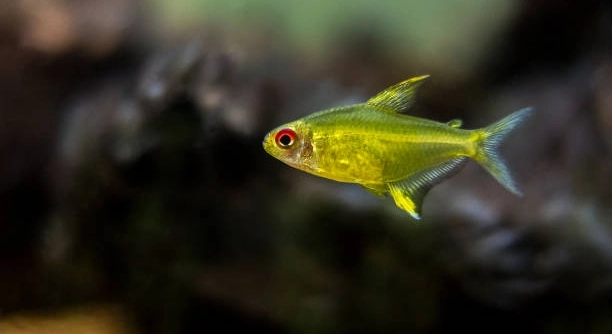
Lemon tetras are small, vibrant fish that bring life to any aquarium. Their bright colors and active swimming patterns make them a favorite among hobbyists, but their sensitivity to surroundings can sometimes be overlooked.
Certain sounds, including loud clattering, sudden tapping, household appliances, and vibrations, can cause significant stress to lemon tetras. Consistent exposure to these auditory disturbances may lead to erratic swimming, hiding, or reduced feeding, ultimately impacting their overall health and well-being.
Identifying these stress-inducing sounds is essential for maintaining a calm, healthy environment for your lemon tetras and ensuring they thrive in your care.
Loud Clattering
Sudden, loud clattering near the aquarium can immediately alarm lemon tetras. They are highly sensitive to vibrations and sharp noises, often reacting with frantic swimming or darting to corners. Even if the noise is brief, repeated incidents can lead to long-term stress. Kitchen accidents, dropping objects, or moving furniture are common sources of these sounds. Over time, the fish may hide more often, eat less, and show signs of weakened immunity. Maintaining a quiet space around the tank is important. Soft surfaces or placement of the aquarium away from high-traffic areas can reduce the impact. Consistent calm surroundings help the fish feel secure and maintain regular behavior. Observation is key; noticing sudden changes in swimming patterns can indicate stress. Introducing the tank to moderate activity gradually also helps the fish acclimate without panic. A stable environment ensures lemon tetras can display their natural, active behavior without unnecessary fear or strain.
Even a single startling clatter can disturb lemon tetras for hours. Protecting the tank from sudden noise helps them stay calm.
Minimizing exposure to abrupt loud sounds is critical. Placing the tank on sturdy surfaces and cushioning nearby objects reduces vibrations. Lemon tetras need steady conditions, and even small noises can trigger stress responses. Quiet surroundings allow them to swim freely, feed normally, and interact naturally. Observing their reactions to household activities helps identify which sounds are most disruptive, so preventive measures can be taken. Over time, a stable and quiet tank environment promotes health, reduces hiding behavior, and encourages proper feeding. Regular monitoring ensures that any adjustments to the aquarium’s placement or surrounding area can keep stress levels low, allowing the fish to thrive. Understanding how noise affects lemon tetras provides practical steps to maintain a peaceful habitat, improving their longevity and vibrancy.
Tapping on Glass
Tapping on the aquarium glass is stressful for lemon tetras. Even light knocks can cause fear responses and erratic swimming.
Repeated tapping can lead to long-term behavioral changes and decreased appetite in the fish.
Glass tapping is one of the most common stress triggers for lemon tetras. Whether done accidentally or intentionally, the vibration travels through the water, startling the fish and making them feel unsafe. Over time, continuous tapping can result in hiding, loss of color, or refusal to eat. It’s important to remind household members and visitors to avoid touching or knocking the tank. Visual disturbances, like shadows or movements outside the tank, can also amplify stress. Setting up decorations or plants near the glass may help diffuse minor disturbances and provide hiding spots. Ensuring the fish are in a low-traffic area reduces exposure to sudden impacts. By controlling these factors, lemon tetras can maintain normal behavior, swim confidently, and display their vibrant colors without unnecessary tension.
Household Appliances
Household appliances like vacuum cleaners, blenders, and washing machines create vibrations and loud noises that can unsettle lemon tetras. Constant exposure can make them anxious and less active, affecting their eating habits and overall behavior.
Appliances produce a mix of sound frequencies and vibrations that travel through floors and walls, reaching the aquarium and startling the fish. Lemon tetras are particularly sensitive to sudden or prolonged noises, which can trigger rapid swimming, hiding, or staying near the bottom of the tank. Even if the appliance is used briefly, repeated exposure can have lasting effects on stress levels. Positioning the tank away from appliances or using rugs and pads to absorb vibrations helps reduce the impact. Monitoring the fish after appliance use allows you to gauge their stress response and make adjustments to their environment as needed.
Minimizing loud appliance usage near the aquarium supports a calm habitat. Fish are more likely to swim actively and maintain regular feeding routines.
Door Slams
Slamming doors create shockwaves and sudden loud noises that alarm lemon tetras. The abrupt disturbance can cause immediate panic and erratic movements in the tank.
Frequent door slams near the aquarium increase stress, leading to hiding, decreased feeding, and color fading in lemon tetras. The vibration and noise travel quickly through the surrounding air and surfaces, startling fish even if they are in the back of the tank. Installing soft-close mechanisms or keeping doors closed gently reduces these disturbances. Observing the fish after loud events helps track behavioral changes. Consistent exposure to these sudden noises can impact health and reduce activity levels, making the tank environment feel unsafe. By limiting sudden door impacts, lemon tetras can maintain calmer behavior, remain active, and continue feeding normally, preserving their overall well-being.
Footsteps and Vibrations
Heavy footsteps or vibrations from nearby movement can unsettle lemon tetras. The tank transfers these subtle shakes through water, causing unease and occasional panic reactions.
Even minor vibrations can make fish swim erratically or hide. Placing the aquarium on a sturdy, vibration-absorbing stand helps reduce stress and maintains a calm environment for the fish.
Children’s Play
Children playing loudly near the tank can cause significant stress. Rapid movements, banging toys, and shouting create an environment lemon tetras find alarming. Careful placement of the aquarium away from play areas helps limit constant disturbance.
Phone Notifications
Sudden beeps, alerts, or ringtones from phones near the aquarium can startle lemon tetras. Even brief exposure may trigger fast swimming or hiding.
Construction Noise
Ongoing construction near the home produces persistent loud noises and vibrations. Lemon tetras may exhibit hiding, reduced feeding, or general agitation in response. Monitoring their behavior and providing visual barriers can help mitigate stress from these disturbances.
FAQ
How can I tell if my lemon tetras are stressed by sounds?
Signs of stress in lemon tetras include erratic swimming, frequent hiding, loss of appetite, and faded colors. They may stay near the bottom or corners of the tank, avoiding open areas. Observing their behavior closely after any sudden or repeated noises helps identify stress triggers.
Which household noises are most harmful to lemon tetras?
Loud, sudden noises like clattering, slamming doors, or appliances running close to the tank are most disruptive. Even vibrations from washing machines or vacuum cleaners can make them uneasy. Continuous exposure to these sounds affects their activity and overall health.
Are small, repetitive sounds also stressful?
Yes, even small repetitive sounds like tapping on glass or phone notifications can accumulate over time. While brief exposures may cause minor reactions, repeated disturbances gradually increase stress and reduce normal behaviors like feeding and swimming.
What measures can I take to reduce noise stress?
Position the aquarium away from high-traffic areas and appliances. Use rugs or pads under the tank to absorb vibrations. Installing soft-close doors or placing furniture strategically can further reduce sudden sounds near the tank. Creating hiding spots with plants and decorations also helps fish feel secure.
Can stress from noise affect their health?
Chronic stress impacts the immune system, making lemon tetras more prone to illness. It may also reduce appetite, stunt growth, or trigger aggressive or erratic behavior. Maintaining a quiet, stable environment is crucial for their long-term well-being.
Is there a way to acclimate lemon tetras to unavoidable sounds?
Gradual exposure to mild, consistent background sounds may help them adjust without panic. Start with low-volume noises and increase slowly, always monitoring behavior. Avoid sudden loud noises, as these cannot be acclimated to safely.
How important is tank placement in preventing stress?
Tank placement is vital. Avoid kitchens, laundry rooms, or high-traffic hallways where vibrations and loud sounds are frequent. A stable surface away from disturbances ensures lemon tetras can swim and feed normally, reducing overall stress.
Can visual disturbances from sounds also stress lemon tetras?
Yes, movements near the tank often accompany loud noises. Rapid gestures, shadows, or hands tapping on the glass add to stress. Minimizing these visual triggers by controlling surroundings or using plants and decorations is helpful.
How long does it take for lemon tetras to recover from sound stress?
Recovery depends on the severity and duration of exposure. After reducing noise and vibrations, they may regain normal swimming, feeding, and coloration within hours to a few days. Consistent calm conditions support faster recovery.
Are there any tools to monitor stress levels in lemon tetras?
Observing behavior is the most reliable method. Stress may be subtle, so daily checks on swimming patterns, feeding habits, and hiding frequency are important. Recording these behaviors helps identify patterns and determine which sounds are most disturbing.
Can other fish in the tank affect stress levels related to noise?
Yes, tank mates influence reactions. If other fish are stressed, lemon tetras may mirror the behavior, amplifying their anxiety. Keeping compatible, calm species together and reducing noise exposure benefits all fish in the aquarium.
Is it possible to completely eliminate stressful sounds?
Complete elimination is difficult in most homes, but reducing sudden, loud noises and vibrations goes a long way. Strategic placement, vibration-absorbing materials, and controlled household activities create a more peaceful environment, significantly lowering stress levels for lemon tetras.
Do lemon tetras show long-term changes from repeated sound stress?
Repeated exposure can lead to chronic hiding, reduced feeding, and dull coloration. Long-term stress also makes them more vulnerable to disease. Maintaining stable, quiet surroundings prevents these lasting effects and helps preserve natural behavior.
What daily habits support a calm tank environment?
Minimize tapping on the glass, loud conversations near the tank, and heavy movements nearby. Keep the tank area tidy and avoid sudden furniture adjustments. Providing plants, decorations, and a consistent routine encourages lemon tetras to feel secure.
Are there any signs that indicate stress is severe?
Severe stress includes constant hiding, refusal to eat, faded colors, rapid gill movement, or erratic swimming. Immediate measures like relocating the tank, adding hiding spaces, and reducing noise exposure are necessary to prevent health decline.
Can sound stress be combined with other stress factors?
Yes, factors like poor water quality, overcrowding, or sudden temperature changes combined with noise can amplify stress. Monitoring all aspects of the tank environment ensures lemon tetras remain healthy and resilient.
How do I prevent guests or children from unintentionally stressing the fish?
Set clear boundaries around the tank, explaining gentle interaction. Keep the aquarium out of play areas and maintain calm, consistent behavior nearby. Visual barriers or plants can further reduce disturbances from external activity.
Is stress from sound more harmful than water-related issues?
Both can be harmful, but noise-related stress often goes unnoticed. While water quality directly affects health, frequent disturbances can weaken immunity, making fish more susceptible to illness. Addressing both factors is key to long-term well-being.
Are there environmental enhancements that help reduce stress?
Providing plants, decorations, and safe hiding spots allows lemon tetras to retreat when alarmed. Soft substrate and a quiet tank location improve their sense of security, helping them cope with unavoidable sounds.
How often should I check for sound-induced stress?
Daily observation is best. Watch swimming behavior, feeding, and interactions with tank mates. Early detection of stress allows quick adjustments, preventing long-term behavioral and health issues.
Lemon tetras are small, delicate fish that thrive best in calm, stable environments. Their sensitivity to sounds, vibrations, and sudden movements makes them prone to stress if their surroundings are not carefully managed. Even everyday household noises, such as clattering, tapping, or appliances, can trigger anxiety in these fish. Stress affects not only their behavior but also their health, appetite, and overall well-being. A stressed lemon tetra may hide more often, swim erratically, or lose its vibrant colors. Observing their behavior regularly is essential to understanding which aspects of the environment are causing them discomfort. By paying attention to how they respond to different sounds, vibrations, or visual disturbances, it becomes easier to make changes that promote a calmer, healthier habitat. Creating a peaceful aquarium allows lemon tetras to swim freely, feed normally, and display natural behaviors without fear.
Maintaining a stable tank environment requires some adjustments, but they are worth the effort. Simple measures, like placing the aquarium away from high-traffic areas or loud appliances, help reduce unnecessary stress. Using sturdy stands and vibration-absorbing mats can prevent subtle shakes from disturbing the fish. Decorations, plants, and hiding spots also give lemon tetras areas to retreat when they feel uneasy. Gentle lighting and consistent routines for feeding and tank maintenance further support a secure and predictable environment. Even small improvements can have a noticeable effect on the fish’s activity and coloration. A calm and quiet tank helps lemon tetras establish normal patterns, encouraging swimming, social behavior, and regular feeding. Reducing exposure to loud, sudden, or repetitive noises ensures they remain healthy and less prone to stress-related illnesses.
Long-term care involves consistent monitoring and preventative measures. Lemon tetras may respond differently to the same noise or vibration, so observing individual and group behaviors is important. Minimizing stress factors goes beyond just sound; water quality, temperature, and compatible tank mates also play key roles in their health. By addressing both environmental and auditory stressors, the tank can become a space where lemon tetras feel secure and flourish. Taking proactive steps, such as limiting loud activity near the tank, providing hiding spaces, and using sound-absorbing materials, creates an overall sense of safety. A well-maintained, peaceful aquarium not only benefits the fish but also makes the aquarium more enjoyable to watch. With careful attention and small adjustments, lemon tetras can thrive, displaying their bright colors, active swimming, and natural behavior. Consistency, patience, and observation are the keys to creating a stable and stress-free environment for these lively, sensitive fish.

Hello,
If you enjoy the content that we create, please consider saying a "Thank You!" by leaving a tip.
Every little bit helps us continue crafting quality advice that supports the health, happiness, and well-being of pets around the world, for pets of all shapes, sizes, and species.
We really appreciate the kindness and support that you show us!