
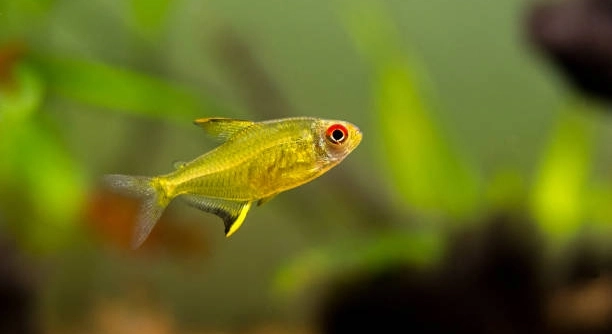
Do you love keeping small, colorful fish in your home aquarium but find yourself thinking about the equipment needed to maintain them? Lemon tetras are popular for their bright colors and peaceful nature. Their care routine often raises questions about air pumps.
Lemon tetras can survive without air pumps, as they are adaptable freshwater fish. However, an air pump improves water circulation and oxygen levels, promoting healthier growth and reducing stress in a home aquarium environment.
Understanding how oxygen levels and water movement affect lemon tetras can help you provide a better environment. Small changes can make a noticeable difference in their health and activity.
Do Lemon Tetras Need Air Pumps?
Lemon tetras are small, hardy fish that can survive in tanks without air pumps, but there are benefits to using one. Air pumps help maintain consistent oxygen levels, which is important for fish health, especially in densely stocked aquariums. Without proper water movement, areas of the tank can become stagnant, reducing oxygen availability. While lemon tetras can breathe from the water’s surface, circulation provided by an air pump ensures the water is evenly oxygenated. This is particularly useful if the tank has live plants, as decomposition can consume oxygen, and if the temperature rises, oxygen levels naturally decrease. Even a gentle pump can help simulate natural water conditions, encouraging more active swimming and normal behavior. It also assists in keeping debris suspended so filters can remove it effectively. For smaller tanks with few fish, pumps may not be essential, but they do improve overall water quality and long-term fish health.
Using an air pump can reduce stress and support healthier, more active fish behavior.
Even without an air pump, lemon tetras can survive in tanks with proper maintenance. Regular water changes are crucial to prevent the buildup of waste and harmful chemicals. Temperature and pH levels should remain stable, and plants or decorations should not restrict swimming space. Observing the fish for signs of stress, like gasping at the surface or lethargy, is important to adjust care routines. A small sponge filter or occasional water movement can mimic the effects of an air pump. Proper feeding and avoiding overcrowding will further ensure survival. In cases where oxygen levels drop, surface agitation or temporary aeration can prevent harm. By understanding their basic needs, it is possible to maintain a healthy lemon tetra tank without relying solely on air pumps, though adding one makes the aquarium more stable and comfortable for the fish over time.
Signs Your Lemon Tetras Need More Oxygen
Lemon tetras may show visible signs of oxygen deficiency in the tank.
If fish are gasping at the surface, swimming slowly, or gathering near filtration output, it is a sign oxygen levels are insufficient. Tanks without pumps may need extra attention. Maintaining proper aeration can prevent stress-related illness. Monitoring water quality, temperature, and ensuring enough surface area for gas exchange is key. Adding live plants can increase oxygen during daylight, but nighttime oxygen drops must be considered. Small adjustments, such as introducing gentle water movement, can greatly improve conditions and ensure the tetras remain healthy. Regular observation is the most reliable method to determine if additional aeration is required for maintaining a thriving aquarium.
Tank Setup Without an Air Pump
Small lemon tetra tanks can function without an air pump if proper care is taken. Maintaining clean water, stable temperature, and moderate fish density is essential. Surface agitation from filters or water changes helps maintain oxygen levels naturally.
For tanks without an air pump, regular maintenance becomes more critical. Weekly water changes prevent waste buildup and reduce harmful ammonia and nitrate levels. Keeping the tank moderately stocked ensures the fish do not compete excessively for oxygen. Adding plants can help produce oxygen during daylight but may lower oxygen at night. Ensuring open swimming space and avoiding overcrowding reduces stress and supports natural behavior. Observing fish daily allows early detection of low oxygen or stress, letting adjustments happen before health issues develop.
Even without pumps, filtration and water movement play a key role. Sponge filters, small powerheads, or gentle water surface disturbance can mimic natural currents. Temperature stability also influences oxygen availability, with warmer water holding less oxygen. Monitoring fish behavior helps determine if more aeration or adjustments are needed. Careful management ensures lemon tetras remain healthy and active, even without mechanical aeration.
Choosing the Right Tank Size
A larger tank naturally supports better oxygen levels and water stability, even without an air pump.
For lemon tetras, a minimum of 10 gallons is recommended, but larger tanks reduce fluctuations in temperature and oxygen. Adequate surface area allows gas exchange, and open swimming areas improve circulation. Smaller tanks can become oxygen-depleted quickly, especially if overstocked or heavily planted.
Choosing an appropriately sized tank ensures fish have space to swim freely and reduces stress. Proper surface area, plant placement, and moderate stocking prevent oxygen shortages. Even simple setups benefit from careful planning of layout and decorations, ensuring water flow is not obstructed. Regular observation and maintenance are still required, but larger tanks provide a more stable environment. This setup minimizes the risk of health problems related to poor oxygen levels or poor water quality, making lemon tetras thrive naturally without relying solely on air pumps.
Feeding and Oxygen Levels
Proper feeding helps maintain stable oxygen levels. Overfeeding can increase waste, which consumes oxygen as it decomposes.
Feeding small portions two to three times a day is sufficient. Remove uneaten food promptly to prevent water quality issues and oxygen depletion, keeping lemon tetras healthy and active.
Using Plants to Support Oxygen
Live plants can improve oxygen levels during daylight hours. They absorb carbon dioxide and release oxygen through photosynthesis, which benefits the fish. Choosing fast-growing plants, like hornwort or water wisteria, enhances oxygen production. Maintaining balance between plants and fish ensures adequate oxygen throughout the day and night.
Monitoring Fish Behavior
Observing swimming patterns and activity is a simple way to gauge oxygen needs. Lethargy or surface gasping indicates low oxygen levels.
FAQ
Can lemon tetras survive in a tank without an air pump?
Yes, lemon tetras can survive without an air pump, provided the tank is well-maintained. Regular water changes, proper stocking, and good temperature control are essential. Adequate surface area for gas exchange and minimal overcrowding help ensure oxygen levels remain sufficient.
How often should I perform water changes in a tank without an air pump?
In a tank without an air pump, weekly water changes of 20-25% are recommended. This removes accumulated waste and prevents harmful chemicals like ammonia and nitrites from reaching dangerous levels. Smaller or heavily stocked tanks may require more frequent changes to maintain healthy oxygen levels.
What tank size is best for lemon tetras without an air pump?
A minimum of 10 gallons is recommended, but larger tanks are preferable. Bigger tanks provide more stable oxygen levels and reduce stress caused by fluctuations in temperature or water quality. They also allow open swimming space and proper surface area for gas exchange.
Do live plants replace the need for an air pump?
Live plants can partially support oxygen levels during daylight hours, but they do not completely replace an air pump. Plants produce oxygen through photosynthesis, but they consume oxygen at night. Balancing plant density with fish population is crucial to prevent oxygen depletion during dark periods.
What signs indicate my lemon tetras need more oxygen?
Lemon tetras gasping at the surface, swimming lethargically, or clustering near filter outputs indicate low oxygen levels. Immediate action, like surface agitation or temporary aeration, can prevent stress and health issues. Regular monitoring of behavior is the most reliable way to identify oxygen deficiency.
Can filtration replace an air pump?
Filtration helps circulate water and maintain oxygen levels but is not always sufficient on its own. Sponge filters or gentle powerheads can improve circulation, but combining filtration with proper maintenance and surface agitation ensures optimal oxygen availability.
How does tank temperature affect oxygen levels?
Warmer water holds less oxygen than cooler water. Maintaining a stable temperature suitable for lemon tetras (around 72-78°F) helps prevent oxygen depletion. Temperature fluctuations combined with low water movement increase stress and reduce oxygen availability.
Is it okay to keep a heavily planted tank without an air pump?
A heavily planted tank can survive without an air pump if it is balanced. During the day, plants produce oxygen, but at night, oxygen can drop. Ensuring enough open water space and occasional water movement helps prevent low oxygen levels and stress in fish.
What alternatives exist if I don’t want to use an air pump?
Alternatives include using a sponge filter, small powerhead, or manually agitating the water surface. Regular water changes and moderate stocking reduce oxygen stress. These methods maintain circulation and oxygenation without constant mechanical aeration.
Can lemon tetras thrive long-term without an air pump?
Yes, lemon tetras can thrive long-term without an air pump if care practices are consistent. Monitoring water quality, performing regular changes, maintaining proper temperature, and balancing plants and fish numbers are key. Observing fish behavior ensures any oxygen issues are addressed promptly.
Do lemon tetras need extra care in smaller tanks without a pump?
Smaller tanks without air pumps require closer attention. Oxygen depletion happens faster in limited water volume. Monitoring, frequent water changes, careful feeding, and avoiding overcrowding are essential to keep fish healthy and active in smaller setups.
How do I prevent oxygen depletion at night in planted tanks?
Adding open swimming space, minimal decorations that block water movement, and gentle circulation helps prevent oxygen depletion at night. Avoid overstocking and monitor behavior, as tetras may show signs of stress when oxygen drops during dark periods.
Will lemon tetras school differently in tanks without pumps?
Schooling behavior remains mostly normal, but fish may cluster near higher oxygen areas if circulation is low. Providing open water, stable conditions, and sufficient oxygen ensures natural schooling patterns and reduces stress-related behaviors.
Are there risks to not using an air pump long-term?
Long-term risks include oxygen fluctuations, stress, and increased susceptibility to disease. Careful maintenance, monitoring, and alternative aeration methods reduce these risks and allow lemon tetras to live healthy lives without constant air pump use.
Can I use a small air stone instead of a pump?
A small air stone connected to a minimal pump can gently aerate water without creating strong currents. This method increases oxygen and surface agitation while maintaining a calm environment for the fish. It is optional but beneficial for long-term stability.
How do I know if my current tank setup is sufficient without a pump?
Observe fish activity and breathing, monitor water quality, and ensure surface agitation. If fish swim actively, maintain color, and do not gasp at the surface, the tank is likely sufficient. Adjustments can be made with plants, circulation, or partial aeration if needed.
What maintenance routines are most important without an air pump?
Key routines include regular water changes, careful feeding, monitoring temperature, removing waste, and observing fish behavior. Balancing plant growth, maintaining swimming space, and ensuring proper stocking are equally important for sustaining oxygen and fish health.
Is there a risk of sudden oxygen drops without a pump?
Yes, sudden oxygen drops can occur due to high temperatures, overfeeding, or dense planting. Keeping tanks balanced, monitoring daily, and providing gentle circulation or temporary aeration helps prevent stress and ensures the tetras remain healthy.
Can lemon tetras reproduce successfully without an air pump?
Yes, they can breed successfully without an air pump if water quality and oxygen levels are stable. Clean water, proper temperature, and open swimming space promote natural breeding behavior. Observing fish during spawning ensures eggs and fry receive proper care.
Do seasonal changes affect oxygen levels in pump-free tanks?
Seasonal temperature shifts impact oxygen solubility in water. Warmer months reduce oxygen, while cooler periods increase it. Monitoring temperature and adjusting care routines accordingly helps maintain stable conditions and supports fish health without relying solely on mechanical aeration.
Are there signs of long-term stress from low oxygen?
Chronic low oxygen can cause dull coloration, lethargy, reduced feeding, and weak swimming. Long-term stress increases susceptibility to disease. Immediate adjustments to water quality, circulation, or surface agitation can reverse these effects and maintain healthy fish.
What is the most reliable way to maintain healthy oxygen levels without a pump?
Regular maintenance, proper tank size, moderate stocking, live plants, surface agitation, and monitoring fish behavior collectively ensure stable oxygen levels. Combining these methods minimizes risks associated with pump-free setups while promoting thriving lemon tetras in home aquariums.
Final Thoughts
Lemon tetras are resilient fish that can adapt to a variety of home aquarium setups. While air pumps are often recommended to improve water circulation and oxygen levels, these fish are capable of surviving without them if the tank environment is properly managed. Maintaining a stable temperature, moderate stocking levels, and clean water are the most critical factors. Regular water changes help remove accumulated waste and prevent harmful chemicals from reaching unsafe levels. Careful observation of fish behavior can also provide early warning signs of low oxygen or stress, allowing adjustments to be made before serious health issues develop.
Tanks without air pumps can be just as successful when alternative methods are applied to maintain adequate oxygen levels. Using live plants, providing open swimming areas, and ensuring sufficient surface area for gas exchange all contribute to a stable environment. Gentle water movement, such as the flow created by a sponge filter or powerhead, can also help maintain oxygen circulation. Feeding practices are equally important. Overfeeding increases waste, which reduces oxygen availability as it decomposes. Removing uneaten food and offering small portions at regular intervals prevents these problems. Proper tank maintenance combined with these strategies ensures lemon tetras remain active, healthy, and stress-free, even in pump-free setups.
Although air pumps make maintaining a healthy tank easier, they are not absolutely necessary for lemon tetras if care is consistent and thoughtful. Monitoring behavior, adjusting plant density, and keeping the tank appropriately stocked are all simple steps that support long-term health. By focusing on water quality, temperature stability, and oxygen availability, fishkeepers can create a balanced environment that mimics natural conditions. Lemon tetras thrive in tanks where their basic needs are met, and careful planning allows them to live comfortably without relying on continuous mechanical aeration. Proper attention to these factors helps ensure their longevity and vibrant appearance over time.

Hello,
If you enjoy the content that we create, please consider saying a "Thank You!" by leaving a tip.
Every little bit helps us continue crafting quality advice that supports the health, happiness, and well-being of pets around the world, for pets of all shapes, sizes, and species.
We really appreciate the kindness and support that you show us!