
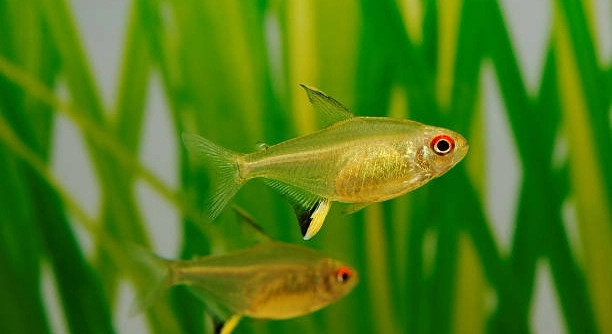
Have you ever watched lemon tetras move through gentle currents and wondered how they would handle a tank filled with lush plants and soft greenery all around them in their daily swimming routines each day.
Lemon tetras can live comfortably in a planted tank because stable water parameters, gentle filtration, and balanced lighting create an environment that supports their calm behavior while preserving plant health, allowing both fish and vegetation to thrive together in harmony.
There is more to learn about how these small fish interact with plants shaping a peaceful setup that grows over.
Creating a Comfortable Environment
A planted tank can bring out the natural behavior of lemon tetras, and it helps them feel safe as they swim through gentle spaces filled with soft colors and calm movement. Plants offer hiding spots that keep stress low, and they also help maintain steady water conditions. When the water stays clean and balanced, these small fish show brighter colors and more relaxed schooling patterns. Keeping the lighting moderate and choosing plants that grow well without constant trimming can make maintenance easier. This creates a setup where both plants and fish stay healthy without feeling overwhelming for you.
A simple layout with open swimming areas mixed with shaded spots makes their movements smooth and natural, giving the tank a balanced look that feels peaceful.
Choosing hardy plants that do not require intense care will help you maintain a stable space where your lemon tetras can move freely without plants crowding the tank or blocking the flow too much.
Important Care Details
Lemon tetras rely on stable water conditions, and planted tanks often support this by absorbing extra nutrients and offering gentle shelter that keeps these fish calm.
Keeping the water temperature steady, maintaining soft to moderate hardness, and avoiding strong currents will help your lemon tetras settle in without stress. A planted tank supports these conditions by adding natural filtration, improving oxygen levels, and offering shaded areas that help them feel secure. Regular trimming prevents plants from taking over the tank, and choosing species like java fern, anubias, or floating plants makes upkeep easier. Feeding your fish a simple mix of quality flakes and occasional treats keeps them active. With consistent care, your planted tank becomes a calm place where your lemon tetras can move in bright colors, showing their gentle nature while staying healthy in a stable environment.
Managing Tank Behavior
Lemon tetras stay calmer when the group is large enough to form a steady school, and this helps reduce nervous movements around plants. A stable group keeps them active without causing stress, and it supports smoother interactions inside the planted setup.
Keeping their behavior balanced depends on giving them enough space to move as a group while maintaining soft areas where they can slow down. When plants create gentle barriers, the fish adjust their patterns and swim more confidently. A steady routine with consistent feeding and lighting encourages predictable behavior. This makes daily care easier while keeping their movements smooth and natural. Watching how they react helps you understand when they feel uncomfortable so you can make small adjustments to improve the tank’s layout.
A planted layout prevents sudden darting since the plants soften the space and reduce reflections on the glass. When the environment feels stable, lemon tetras show brighter colors and stay active without signs of fear. Even small shifts in water flow can influence how they move, so keeping the current mild supports steady group behavior. Over time, you will notice how certain plants create comfortable pathways that guide their schooling patterns in a gentle way.
Feeding Needs in a Planted Setup
Feeding lemon tetras in a planted tank stays simple when you choose light meals that match their small size. Offering food they can finish quickly helps keep the water cleaner, and the plants support this by absorbing leftover nutrients.
A balanced feeding routine keeps these fish active without overloading the tank. Flake foods, tiny pellets, and occasional frozen treats offer enough variety to support their color and energy. Plants provide a soft backdrop that encourages natural foraging behavior, and this helps them stay engaged throughout the day. Keeping portions small prevents excess waste from collecting around plant roots. Observing how quickly they eat helps you adjust the amount, making sure the water stays stable. When feeding aligns with the tank’s natural rhythm, your lemon tetras maintain a healthy appearance and steady activity in a planted environment.
Ideal Water Conditions
Maintaining steady water parameters keeps lemon tetras comfortable in a planted setup. Soft to moderately hard water with stable temperature levels supports their calm behavior. Plants help by absorbing extra nutrients, which keeps the environment clean and balanced for these small fish.
Regular water changes prevent waste buildup and keep the tank fresh. Testing the water often helps you catch small issues before they spread. When the conditions stay consistent, your lemon tetras show brighter colors and form tighter schools, making the planted tank feel peaceful and stable.
Suitable Tank Mates
Choosing calm species helps lemon tetras stay relaxed in a planted tank. Fish that avoid nipping or chasing create a space where the group can move naturally. Small peaceful species like rasboras, corydoras, and snails blend well without disrupting the plants or stressing the tetras. A gentle mix supports harmony and steady activity, letting the planted layout shine while keeping interactions soft and predictable.
Lighting and Plant Growth
Moderate lighting supports healthy plant growth without overwhelming the tetras. Balanced light reduces stress and keeps the layout easy to maintain.
FAQ
Can lemon tetras adapt easily to a planted tank?
Lemon tetras adapt well because plants create soft spaces that keep them calm. They enjoy steady lighting, mild flow, and clean water. When plants provide gentle cover, these fish settle into predictable patterns that make the tank feel peaceful and balanced.
Do plants help improve the health of lemon tetras?
Plants support a healthier tank by absorbing extra nutrients and helping stabilize the water. This gives lemon tetras a cleaner environment, which improves their color, energy, and comfort. When conditions stay stable, the fish stay active without signs of stress.
What plants work best with lemon tetras?
Hardy plants like java fern, anubias, and floating varieties work well because they do not need intense care. These plants grow steadily without taking over the tank, and they offer soft shaded areas where lemon tetras can gather and rest.
Should the tank have strong filtration?
Strong filtration can disrupt their calm movements, so it is better to keep the flow gentle. A steady but mild current helps plants sway lightly, and the fish move comfortably without fighting against the water. This supports smoother schooling patterns.
Can lemon tetras live with bigger fish in a planted tank?
Keeping them with larger fish may lead to fear or hiding, especially if the bigger species move quickly. It is safer to choose small peaceful fish that match their gentle behavior, allowing the planted layout to stay calm and predictable.
How many lemon tetras should be kept together?
A group of six or more helps these fish feel secure. When the school is large enough, they show brighter colors and move with confidence. A proper group also reduces nervous darting and supports smoother interactions inside the planted tank.
Does lighting affect lemon tetras and the plants?
Moderate lighting is best because it keeps plant growth steady without overwhelming the fish. Strong lighting can make them feel exposed, but gentle lighting creates a balanced space where plants grow well and the fish stay comfortable.
What temperature range is best for lemon tetras in a planted tank?
They thrive in steady temperatures that stay within a comfortable warm range. Sudden changes make them nervous, so keeping the tank stable helps maintain normal behavior. Plants benefit from steady temperatures too, which keeps the tank healthier overall.
Do lemon tetras nibble on aquarium plants?
Lemon tetras rarely bother plants. They may pick at tiny particles around the leaves, but they do not harm the plants themselves. Their peaceful nature makes them a good match for a planted setup that depends on healthy foliage.
How often should lemon tetras be fed in a planted tank?
Small meals once or twice daily work well. They finish their food quickly when the portions are light, which keeps the water clean. Plants support this by absorbing leftover nutrients, making the tank more stable.
Is a planted tank harder to maintain with lemon tetras?
Maintenance stays manageable when you choose hardy plants and keep the layout simple. Regular trimming and steady water care prevent plants from taking over the tank. The fish appreciate the soft cover, and the tank stays calm without creating extra work.
Can lemon tetras breed in a planted tank?
Breeding can happen, but the eggs and fry need extra protection. Plants offer shelter, but adults may still eat the eggs. If breeding is your goal, adding dense plants or a separate setup helps improve the chances.
Do lemon tetras become stressed in busy tanks?
A busy tank with frequent movement can make them uneasy. Soft lighting, gentle flow, and peaceful tank mates help them stay relaxed. When the environment stays calm, their colors brighten and their group patterns remain steady.
Final Thoughts
A planted tank gives lemon tetras a calm space where they can show their natural colors and quiet movements. When the plants grow in steady shapes and offer soft hiding spots, these small fish settle into a rhythm that feels peaceful and easy to watch. The tank becomes more than a display because the plants and fish balance each other in a gentle way. Their behavior stays smoother when the lighting is not too strong, and the layout stays simple. A stable environment helps them stay confident, and this makes their schooling patterns feel more natural. With the right plants and light care, the tank becomes a space where you can enjoy small movements and soft colors that feel pleasant to see each day without adding stress for you or the fish.
Keeping lemon tetras in a planted tank works best when the setup stays consistent. When the water remains clean and the temperature stays steady, the fish move in calm patterns that make the tank feel organized. You do not need complicated tools or intense trimming to keep everything healthy. Small adjustments make a big difference, and regular checks help keep the environment safe. Even feeding becomes easier when the tank stays balanced because leftover food does not build up as quickly. Watching the plants grow slowly around the fish adds a soft structure to the space, and the fish respond to this by swimming in smooth paths that feel predictable. The combination makes the tank feel stable, which supports the health of both the plants and the fish without making daily care overwhelming.
A planted setup brings out the gentle personality of lemon tetras, and it creates a peaceful space that grows more beautiful over time. When you care for the tank with simple habits and steady routines, the fish stay bright and active. The plants also stay healthier because the environment stays controlled and consistent. Each part of the tank works together in a quiet way that supports the whole setup. This makes the experience rewarding without demanding constant attention. Over time, the planted tank becomes a calm place where you can enjoy soft greenery and steady movement. It shows how a simple layout with natural elements can support the well-being of small fish while giving you a relaxing space to enjoy.

Hello,
If you enjoy the content that we create, please consider saying a "Thank You!" by leaving a tip.
Every little bit helps us continue crafting quality advice that supports the health, happiness, and well-being of pets around the world, for pets of all shapes, sizes, and species.
We really appreciate the kindness and support that you show us!