
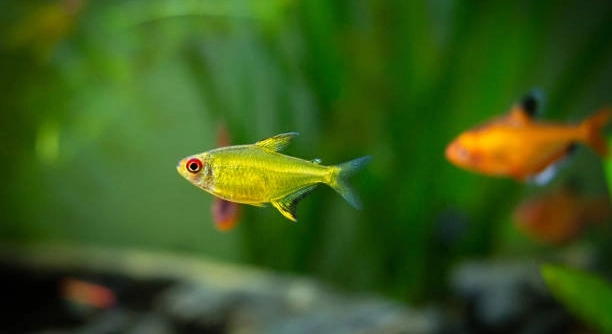
Have you ever set up a new aquarium and noticed your Lemon Tetra swimming cautiously around unfamiliar decorations? Watching them explore a changed environment can be both fascinating and a little worrying. Their reactions are often subtle but meaningful.
Lemon Tetras can adjust to new decor fairly quickly if the changes are gradual and the environment remains stable. Sudden alterations in layout or lighting can cause stress, but these fish generally acclimate within a few days when their basic needs are met.
Observing their behavior closely will help you understand how comfortable they feel and guide future tank adjustments. Small changes can make a big difference in their comfort and activity.
How Lemon Tetras React to New Decorations
When I first added new plants and rocks to my tank, I noticed my Lemon Tetras moving more cautiously than usual. They swam in short bursts, pausing often to examine the changes. This behavior is normal because sudden alterations can make them feel insecure. These fish rely heavily on familiar landmarks to navigate their environment. Bright colors, reflective surfaces, or sharp objects can increase their stress, while soft plants and smooth stones provide comfort. Over a few days, I watched them gradually explore each corner of the tank. Their small size and active nature mean they are more aware of changes than larger fish. Adjusting lighting levels slowly and keeping water parameters stable also helps. By creating a balance between new decorations and familiar hiding spots, Lemon Tetras feel secure while remaining curious. The process is subtle but rewarding as they begin to swim confidently again.
Careful placement of plants and rocks reduces stress and encourages exploration without overwhelming the fish.
Giving them time to inspect new items allows them to adapt naturally. I noticed that leaving open swimming space alongside hiding spots made a difference. Some Lemon Tetras took longer to explore than others, but gentle adjustments in lighting and tank layout supported their adaptation. Watching them regain their usual energy was satisfying.
Tips for Introducing New Decor
Start with one or two new items at a time to avoid overwhelming the tank.
Gradual changes and observation are key. I added small pieces of driftwood first, allowing the Tetras to swim around them without sudden obstacles. Over the next week, I introduced live plants in stages, monitoring their reaction. Sudden or large decorations can trigger hiding or erratic swimming. Temperature and water quality must remain consistent during this period. Providing familiar hiding spaces alongside new items helps the fish feel secure. I also noticed that rearranging existing elements slightly before adding new decor helped them adjust faster. Over two weeks, they explored all new areas without stress, swimming confidently through the plants and around rocks. Keeping decorations simple and avoiding sharp edges reduces injury risk. Tracking their behavior daily shows if adjustments are needed, ensuring a smooth adaptation. By pacing changes and maintaining a stable environment, Lemon Tetras can enjoy both stimulation and safety.
Common Signs of Stress in Lemon Tetras
When my Lemon Tetras faced sudden changes, I noticed subtle signs like clinging to corners, staying near the surface, or hiding more than usual. These behaviors often indicate discomfort or stress from new surroundings. Recognizing them early helps prevent long-term problems.
Stressed Lemon Tetras may swim erratically, dart quickly, or appear lethargic. Fin clamping is another sign, where their fins stay close to their bodies instead of spreading naturally. Appetite changes are common too; some fish stop eating temporarily when faced with new decorations. Observing their color is important, as dull or faded hues can indicate stress. Maintaining consistent water temperature and quality is critical, especially during changes, since poor conditions amplify stress. Providing familiar hiding spots and limiting sudden decor additions helps them regain comfort and encourages normal behavior.
In my experience, the group dynamic also plays a role. Tetras are schooling fish, so observing how one stressed fish influences others is key. I noticed that when one fish hid excessively, others followed. Offering multiple hiding areas reduced this chain reaction. Smooth surfaces and soft plants allowed them to explore safely. Over several days, their normal activity returned, showing that patience and careful observation are essential when monitoring stress levels.
Adjusting Lighting and Layout
Dimmed lighting helped my Lemon Tetras feel less exposed, encouraging exploration of new decor. Gradual changes prevent sudden stress and allow them to adapt comfortably.
I adjusted the tank lighting in stages, starting with low-intensity bulbs and slowly increasing brightness over a week. Bright lighting caused the Tetras to cling to plants and avoid open areas. By reducing glare and providing shaded spots, they felt secure and began swimming confidently through new decorations. I also rearranged some items to create open swimming lanes alongside hiding spots. Smooth rocks and live plants encouraged natural behavior, while sharp or reflective surfaces were avoided to prevent panic. Water parameters remained stable throughout, since fluctuations could worsen stress. Daily observation allowed me to track how each fish adapted, ensuring that slower-adjusting individuals received extra attention. In the end, the combination of gradual lighting adjustments and careful layout changes promoted confidence, reduced hiding, and encouraged healthy interaction within the group.
Gradual Introduction of New Items
I started by adding one new decoration at a time. This helped my Lemon Tetras explore without feeling overwhelmed or stressed by too many changes at once.
Spacing new items evenly across the tank made the environment feel familiar while still offering something different to investigate.
Benefits of Live Plants
Live plants provide natural hiding spots, reduce stress, and improve water quality. I noticed my Lemon Tetras swam more confidently around plants, using them for cover and exploration. Plants also soften the tank layout, creating smoother paths that prevent injury and encourage normal swimming patterns.
Observing Behavior Daily
Tracking their activity each day shows how well they adapt to new decor. Small changes in swimming patterns or hiding behavior can indicate adjustment progress.
How long does it take for Lemon Tetras to adjust to new decor?
In my experience, Lemon Tetras usually begin exploring new decorations within a few hours, but full adjustment can take several days. Their behavior gradually returns to normal as they become familiar with hiding spots and open swimming areas. The timeline depends on the number of changes and how drastic the alterations are. Small additions like a single plant or smooth rock may take only a day or two for full adjustment. Larger changes, such as rearranging most of the tank or adding several new items at once, can extend this period to a week. Patience is key, and consistent observation helps ensure the fish are coping well.
Do Lemon Tetras prefer certain types of decorations?
Lemon Tetras seem to respond best to natural, smooth decorations. In my tank, live plants, soft moss, and rounded stones encouraged exploration and hiding without causing stress. Sharp or reflective surfaces made them hesitant, and bright, unnatural colors sometimes caused them to stay hidden. They also benefit from decorations that create both open swimming lanes and secluded areas. A mix of these elements allows them to feel safe while still being able to move freely. Driftwood and small caves were especially popular; I noticed the fish repeatedly returning to these spots, indicating a preference for structures that mimic natural hiding places.
Can sudden changes in decor harm Lemon Tetras?
Yes, sudden or drastic changes can cause stress. In my observation, fish may start hiding excessively, swim erratically, or show clamped fins when overwhelmed. Stress can weaken their immune system and reduce appetite, making them more prone to illness. Gradual introductions help prevent these reactions. I often rearrange items in small increments, spacing changes over several days, which allows the Tetras to adapt without panic. Monitoring water parameters during changes is also important, as fluctuations can worsen the impact. The key is to keep adjustments manageable and maintain a stable environment, ensuring the fish remain healthy while exploring new elements.
Is it necessary to provide hiding spots with new decorations?
Absolutely. Lemon Tetras rely on secure hiding areas when facing unfamiliar items. In my tank, placing plants and small caves near new decorations gave them places to retreat. This reduces stress and encourages gradual exploration. Even active, confident fish benefit from these options, as they allow moments of rest and security. Without hiding spots, Tetras may avoid the new areas entirely or develop anxiety-related behaviors. It’s also helpful to keep a balance of open space and shelter, so fish can move freely while having access to safe zones when needed. Observing where they choose to hide can guide further layout adjustments.
How can I tell if my Lemon Tetras are adjusting well?
Positive signs include normal swimming patterns, consistent schooling behavior, and regular feeding. I noticed my fish began exploring new areas within days while still returning to familiar spots. Color vibrancy also returned after initial hesitation, indicating comfort. Fish that continue hiding, swim erratically, or avoid certain areas may need more time or gradual introduction of new elements. Observing interactions between fish is helpful too; if the group behaves naturally and schooling resumes, they are adjusting well. Keeping track of daily behavior allows you to notice subtle improvements and ensure their adaptation is progressing smoothly.
Should lighting changes be made when adding new decor?
Yes, adjusting lighting gradually can help. In my experience, bright lights over new items initially made Lemon Tetras stay hidden. Dimming the light or introducing shaded areas encouraged exploration. Over time, slowly increasing brightness allowed the fish to feel comfortable in the entire tank. Combining this with stable water conditions and familiar hiding spots enhances their confidence. Lighting adjustments don’t need to be drastic; small changes over several days reduce stress while letting fish get accustomed to their new environment naturally. This approach complements careful decoration placement and ensures a smoother transition for the Tetras.
Can group size affect adjustment to new decorations?
Definitely. Lemon Tetras are schooling fish, so the behavior of one fish can influence the rest. In my tank, when a few individuals explored new items confidently, the others followed more quickly. Conversely, if one fish was overly stressed, it sometimes caused others to hide as well. Maintaining an appropriate group size and offering multiple hiding spots helps prevent stress from spreading. Watching interactions can show if some fish need extra time or reassurance. The social dynamics of the group play a large role in how quickly they adjust, and providing both security and open swimming areas encourages healthy adaptation for all.
What role does water quality play during adjustments?
Water quality is critical. I always monitor temperature, pH, and ammonia levels when adding new decor. Even small fluctuations can amplify stress caused by environmental changes. Clean, stable water ensures that Tetras focus on exploring rather than coping with poor conditions. Regular water testing, partial water changes, and careful filtration maintenance support healthy behavior during adjustments. Combining stable water conditions with gradual decor changes and appropriate lighting creates an environment where Lemon Tetras can adapt comfortably and maintain normal activity levels.
Adjusting a tank for Lemon Tetras requires patience and careful observation. These fish are small and delicate, and sudden changes can make them feel insecure or stressed. I have noticed that even minor alterations, like adding a new plant or rearranging a few rocks, can cause them to swim cautiously or hide more than usual. They rely on familiar landmarks to navigate their environment, and unfamiliar items can temporarily disrupt their sense of security. Gradual introduction of new decorations is the most effective way to help them adjust. Adding one or two items at a time and spacing them evenly across the tank gives the Tetras a chance to explore at their own pace. Smooth, natural decorations like driftwood, live plants, and rounded stones work best, as they mimic elements found in the wild and provide safe spaces to hide. I have found that keeping some open swimming areas alongside these hiding spots allows the fish to feel comfortable while exploring.
Lighting and water quality are equally important when introducing new decor. Lemon Tetras are sensitive to bright, sudden lighting, which can make them anxious or reluctant to move. Dimming the light initially or providing shaded areas encourages them to investigate new items without feeling threatened. Gradually adjusting lighting over several days allows them to feel safe while exploring all areas of the tank. Stable water conditions are also critical. Sudden fluctuations in temperature, pH, or other water parameters can worsen stress caused by environmental changes. I always monitor water conditions closely during any adjustment period, making small changes only when necessary. Keeping the water clean and consistent helps the Tetras focus on exploring rather than coping with discomfort or illness. Observing their behavior daily—watching for normal swimming patterns, feeding habits, and interactions within the group—helps determine how well they are adapting.
Social dynamics also play a role in how quickly Lemon Tetras adjust. These fish are schooling species, so the behavior of one individual often influences the rest of the group. I have seen that when a few fish confidently explore new decorations, others follow more quickly. On the other hand, if a fish is stressed and hides, it can cause a chain reaction where the rest of the group becomes hesitant. Providing multiple hiding spots and maintaining a balance of open swimming space helps reduce tension within the school. Over time, most Lemon Tetras adapt well to new decorations when changes are gradual, safe, and thoughtfully arranged. Patience and careful monitoring make a noticeable difference, allowing them to regain confidence, swim naturally, and enjoy their enriched environment fully. Observing their adjustment can be a rewarding experience, showing how responsive and resilient these small fish can be when given the right conditions.

Hello,
If you enjoy the content that we create, please consider saying a "Thank You!" by leaving a tip.
Every little bit helps us continue crafting quality advice that supports the health, happiness, and well-being of pets around the world, for pets of all shapes, sizes, and species.
We really appreciate the kindness and support that you show us!