
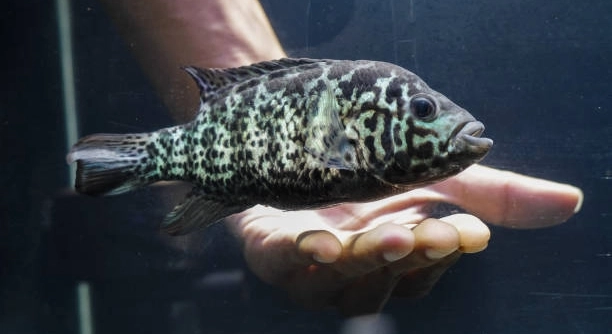
Many aquarium owners notice patterns in their Jack Dempsey fish behavior, especially during feeding and tank maintenance, which often leads to interest in how these intelligent cichlids respond to daily structure within home aquariums today.
Jack Dempsey fish can understand routine through associative learning, where repeated events create predictable outcomes, allowing them to anticipate feeding times, recognize caretakers, and adjust behavior accordingly based on consistent environmental cues and reinforced patterns observed in controlled aquarium settings.
Learning how routine affects Jack Dempsey fish behavior helps improve care practices and strengthens daily interactions in captive environments overall.
How Routine Shapes Jack Dempsey Behavior
I have noticed that Jack Dempsey fish respond strongly to repeated daily patterns inside the aquarium. When feeding, lighting, and maintenance occur at similar times, these fish display calmer movements and reduced stress signals. Consistency allows them to associate specific cues with expected outcomes, such as food delivery or tank interaction. Over time, this association strengthens their confidence within the environment. Jack Dempseys are intelligent cichlids that rely on observation and memory rather than instinct alone. Stable routines help them conserve energy and avoid unnecessary aggression. Sudden changes, however, can trigger hiding behavior or defensive displays. By maintaining a predictable schedule, keepers support natural behavioral regulation. This structure mirrors river conditions where environmental changes follow recognizable patterns. Routine does not limit stimulation but instead provides a foundation for healthy adaptation. I find that even small consistencies can influence overall behavior over long periods of consistent care within home aquariums settings.
Routine also affects how these fish interact with people nearby. Repeated exposure to the same caretaker builds recognition and tolerance. Over time, movements outside the tank become less alarming, allowing the fish to remain visible rather than retreating during regular daily activity within a familiar household environment and consistent surroundings.
Feeding schedules play a central role in routine recognition. When food is offered at predictable times, Jack Dempseys often position themselves near feeding areas in advance. This behavior reflects anticipation rather than instinctual hunger alone. Regular timing reduces frantic behavior and competition. I have observed that fish fed consistently show improved coloration and steadier swimming patterns. Routine feeding also supports digestive health by aligning intake with metabolic rhythms. Skipped or delayed feedings can disrupt this balance and lead to restlessness. A structured schedule creates stability that benefits both fish behavior and overall tank harmony in long term captive care systems.
Creating Consistent Tank Habits
Lighting and maintenance routines are equally important for behavioral stability. Gradual light cycles help regulate activity, while scheduled cleaning prevents sudden disturbances. When these actions occur consistently, Jack Dempseys remain less reactive, showing confidence within their territory instead of defensive posturing during regular care practices in established home aquarium setups.
Establishing routine does not require rigid control, but it does demand consistency. I aim to keep feeding, lighting, and interaction times within the same daily windows. This predictability allows Jack Dempseys to adjust without stress. Tank layout should also remain stable, as frequent decor changes can disrupt learned spatial awareness. When changes are necessary, gradual adjustments are better tolerated. Routine observation helps identify subtle behavioral shifts, such as changes in swimming speed or hiding frequency. These signals often reflect disruptions in schedule rather than health concerns. By responding with small corrections, balance is restored quickly. Routine supports trust between fish and caretaker through repeated non-threatening interactions. Over time, the fish becomes more visible and responsive during normal activity periods. Consistent care also simplifies maintenance decisions, since patterns become easier to track. Stability benefits not only the fish but the entire aquarium system. I have found that routine creates a calm environment where natural behaviors can be observed without interference over extended periods, especially in captive settings with limited space, where consistency supports long-term behavioral balance, reduces unnecessary stress, and allows keepers to maintain healthier, more predictable tank conditions overall, benefiting observation, care, and responsible aquarium management practices daily over time.
Signs Jack Dempsey Fish Recognize Routine
Jack Dempsey fish often show clear signs of routine recognition through behavior changes around feeding, lighting, and human presence. I notice increased visibility, calmer swimming, and predictable positioning in the tank when daily schedules remain consistent over time without sudden environmental shifts that support stable behavior and reduced stress responses.
Another sign appears during feeding preparation, where the fish approaches the surface before food is added. This response develops after repeated exposure to the same timing and movements. I also observe reduced aggression during these moments, as anticipation replaces competition. When routines are stable, Jack Dempseys stop reacting defensively to nearby motion. Instead, they remain alert but composed. This indicates learned association rather than instinct. Over weeks, these behaviors become stronger and more reliable, showing that consistency reinforces memory and expectation within captive environments. This pattern supports long-term behavioral stability and predictable daily activity in home aquariums over extended periods.
Routine recognition also affects how Jack Dempsey fish respond to tank maintenance. When cleaning occurs on a familiar schedule, stress reactions lessen noticeably. I find the fish resumes normal swimming faster after water changes. Predictability helps reduce hiding behavior and limits sudden aggression. Over time, the fish learns which disturbances are temporary. This understanding supports healthier behavior patterns and prevents constant alertness. A stable routine allows the fish to conserve energy and maintain balanced activity levels throughout the day. This contributes to long-term adjustment within confined aquarium environments under consistent care conditions that remain stable over time without frequent disruption.
Mistakes That Disrupt Established Routines
Inconsistent routines can confuse Jack Dempsey fish and interrupt learned patterns. Skipped feedings, irregular lighting, or sudden decor changes increase stress responses. I notice more hiding and defensive displays when schedules shift too often. These disruptions weaken associations the fish relies on. Stability matters more than variety, especially in smaller tanks with limited space. Repeated changes prevent behavioral settling and delay adaptation to captive conditions over extended periods of care within home aquarium systems overall.
Another common issue involves overhandling or excessive interaction at unpredictable times. Jack Dempseys learn through repetition, not constant stimulation. I find that tapping glass or rearranging equipment outside routine hours triggers defensive responses. These actions disrupt trust and increase alert behavior. Inconsistent human presence also delays recognition of caretakers. To avoid this, interactions should follow a loose but reliable schedule. Feeding, observation, and maintenance should occur within similar time frames daily. This consistency allows the fish to predict outcomes and remain calm. Routine correction often restores balance within days. Small adjustments are usually enough to reestablish stability without further stress. Maintaining this approach supports behavioral confidence and reduces unnecessary reactions in long-term captive care environments that rely on predictable daily structure for optimal fish wellbeing.
Benefits of Routine Consistency
Routine stability helps Jack Dempsey fish feel secure within confined aquarium spaces. I notice fewer stress behaviors when daily patterns remain unchanged. Predictable feeding, lighting, and interaction reduce alertness and support steady swimming, consistent appetite, and calmer territorial responses over time during normal household activity and regular care schedules overall.
When routine breaks occur, behavioral changes appear quickly and clearly. I see increased hiding, sharper movements, and delayed feeding responses. These reactions show reliance on learned patterns. Restoring consistency usually reverses these changes without long adjustment periods or added intervention from caretakers maintaining stable daily schedules within established home aquariums.
The Role of Intelligence in Routine Learning
Jack Dempsey intelligence supports routine learning through repetition and association. I observe recognition developing as the fish links actions with outcomes. Feeding tools, hand movements, and lighting shifts become signals rather than surprises. This learning relies on memory rather than instinct alone. Over time, the fish anticipates events and adjusts behavior in advance. This anticipation reduces stress and improves confidence within the tank. Regular routines also limit aggressive displays by removing uncertainty. The fish does not need training to learn patterns. Simple repetition is enough to build predictable responses. Consistency strengthens these associations and supports long-term behavioral stability in captivity.
Environmental Factors That Reinforce Routine
Tank size and environment influence how routines are processed by Jack Dempsey fish. I find stable schedules matter even more in smaller setups. Limited space increases reliance on predictability, helping the fish maintain balance, reduce stress behaviors, and remain visibly active throughout the day under consistent care conditions over time.
FAQ
How quickly do Jack Dempsey fish recognize a new routine?
I have noticed that Jack Dempseys begin responding to a consistent feeding or lighting schedule within a few days. They may start approaching the feeding area at expected times and adjust swimming patterns. Full behavioral adaptation, including calmer territorial behavior and reduced hiding, usually takes a few weeks depending on tank conditions and frequency of disturbances.
Can Jack Dempsey fish learn multiple routines at once?
Yes, they can. I often see them adapt to feeding, lighting, and interaction schedules simultaneously. The fish links repeated cues to predictable outcomes. However, introducing too many changes at once can confuse them, so gradual implementation works best for reinforcing new behaviors without stress.
Do changes in tank décor affect routine recognition?
Significant changes can disrupt established routines. I observe that rearranging plants or rocks often causes temporary hiding or aggression. Jack Dempseys rely on familiar landmarks to navigate the tank and anticipate feeding or activity. Gradual adjustments minimize stress and help maintain their learned behavioral patterns.
Does human interaction influence routine learning?
Yes, it does. When I interact with the tank consistently, the fish begins to recognize movements associated with feeding or maintenance. Predictable presence reduces defensive displays. Inconsistent handling or sudden movements, however, can trigger stress, undermining their ability to recognize patterns over time.
How does feeding schedule affect health and behavior?
A predictable feeding routine improves digestion and overall activity. I notice fish exhibit steadier swimming and enhanced coloration when meals occur at regular times. Skipped or irregular feeding often results in restlessness and temporary aggression, showing that routine directly supports both physical and behavioral well-being.
Do Jack Dempseys remember routines after a break?
Yes, they often remember previous schedules after short breaks. I have observed that after a few days of missed feedings or altered lighting, the fish resumes anticipation behaviors once the routine returns. Extended interruptions may require a week or more to fully restore learned patterns.
Can stress override routine recognition?
High stress can temporarily disrupt their recognition of routines. I notice that sudden water temperature shifts, aggressive tank mates, or loud disturbances make Jack Dempseys retreat, even if routines are consistent. Once conditions stabilize, their learned behaviors usually return gradually, showing the importance of environmental stability alongside routine.
Is routine recognition the same for all Jack Dempsey fish?
Not always. Individual temperament plays a role. Some fish quickly adapt to schedules, while others take longer. I have observed variations in how strongly different fish anticipate feeding or interact with caretakers, meaning patience is key when establishing consistent routines in a multi-fish tank.
Do juvenile Jack Dempseys respond differently to routine than adults?
Juveniles are often more reactive to changes but learn routines faster due to higher activity levels. I notice that young fish quickly anticipate feeding times, but they may show more stress if environmental shifts occur. Adults may adapt more slowly but retain learned routines longer once established.
How important is consistency for long-term behavioral stability?
Consistency is critical. I have found that stable feeding, lighting, and interaction schedules reduce aggression, support energy conservation, and improve overall confidence. Jack Dempseys thrive in environments where daily patterns are predictable, and even minor deviations can temporarily disrupt behavior. Regular routines provide structure essential for long-term adaptation in captivity.
Can Jack Dempseys distinguish between weekday and weekend routines?
They do not distinguish days, but they notice repeated timing differences. I have observed that fish quickly react to patterns regardless of the day. If feeding times shift significantly on weekends, they may show confusion or increased hiding. Maintaining consistent timing every day is more effective than changing schedules based on human convenience.
Do environmental cues besides feeding help reinforce routines?
Yes, cues like light changes, filter sounds, and water movement can reinforce routine. I notice that Jack Dempseys anticipate events when repeated environmental signals accompany feeding or interaction. These cues enhance predictability and strengthen learned behaviors over time, providing additional structure beyond just meal timing.
How long does it take to establish a fully recognized routine?
Generally, consistent patterns for two to four weeks allow Jack Dempseys to fully anticipate feeding, lighting, and caretaker presence. I have found that gradual reinforcement of each cue accelerates learning. Longer observation and repetition ensure stable responses and reduce stress in long-term aquarium care.
What are common mistakes that prevent routine learning?
Inconsistent feeding, irregular maintenance, and sudden decor changes are the main issues. I notice that overhandling or unpredictable human movements also delay pattern recognition. Gradually introducing changes and keeping daily schedules predictable allows the fish to build trust and respond calmly to routines, supporting long-term behavioral health.
Do Jack Dempseys need different routines than other cichlids?
They often do. I observe that Jack Dempseys respond strongly to structure due to their territorial nature and intelligence. While other cichlids may tolerate flexibility, Jack Dempseys benefit from clear, consistent daily schedules for feeding, lighting, and interaction, which reduces stress and improves overall tank dynamics compared to less structured species.
Can I train Jack Dempseys to anticipate new routines?
Yes, gradual repetition works best. I introduce new feeding or lighting schedules slowly, allowing the fish to associate cues with outcomes. Using consistent signals, like a specific hand movement before feeding, reinforces recognition. Patience and repetition help the fish adapt without stress or aggression, strengthening long-term behavioral patterns.
Does water quality affect routine recognition?
Poor water conditions can interfere with learned patterns. I notice that fish in unstable water environments show erratic behavior, even if schedules are consistent. Maintaining proper temperature, pH, and cleanliness supports predictable responses and helps reinforce the benefits of routine learning within a stable habitat over time.
How do tank mates influence routine learning?
Aggressive or highly active tank mates can disrupt recognition of routines. I observe that Jack Dempseys may hide or compete during feeding when other fish are present. Separating feeding areas or minimizing interference allows the fish to focus on cues and develop consistent behaviors without distraction, preserving routine recognition.
Can routines reduce aggression in Jack Dempseys?
Yes, predictable schedules reduce uncertainty and territorial disputes. I notice calmer interactions during feeding and less chasing when daily patterns remain unchanged. Routine allows the fish to anticipate events, reducing competition and energy spent on defensive behaviors, which contributes to a more stable and manageable tank environment for long-term care.
Do Jack Dempseys react differently to morning versus evening routines?
They often respond to timing rather than time of day itself. I see that fish adjust to consistent schedules, whether morning or evening. The key is repetition. Once a routine is established, the fish anticipates events reliably, showing that predictability matters more than the specific time of day.
How do I recover a disrupted routine?
Re-establish consistency gradually. I begin by returning feeding and lighting to regular times, maintaining calm interactions, and avoiding sudden changes. Jack Dempseys usually readjust within days. Observing behavior helps ensure patterns are restored without additional stress, supporting long-term behavioral stability and retention of previously learned routines in the aquarium environment.
What long-term benefits does routine provide?
Routine enhances confidence, reduces stress, improves health, and supports calm territorial behavior. I notice more predictable responses to caretakers and fewer aggressive incidents. A structured environment allows Jack Dempseys to conserve energy, anticipate events, and thrive in captivity over months and years with minimal behavioral disruption.
How do I know if the routine is working?
Signs include reduced hiding, steady swimming, and anticipatory behavior during feeding. I see calmer responses to tank maintenance and human presence. Consistent positive behaviors indicate that the fish recognizes patterns. If stress or erratic behavior persists, minor adjustments may be needed to maintain predictability and reinforce the routine effectively.
Final Thoughts
Jack Dempsey fish respond strongly to consistent routines, and this has been clear in my own observations. When feeding, lighting, and maintenance occur at regular times, the fish show calmer behavior and greater confidence in the tank. Predictable schedules allow them to anticipate events, which reduces stress and unnecessary aggression. I have noticed that even small consistencies, like feeding at the same time each day or turning on the lights in a steady pattern, make a noticeable difference in how the fish move and interact. Over time, these patterns become ingrained, allowing the fish to respond appropriately to cues without hesitation. Routine does not mean the fish become bored or inactive. Instead, it provides a framework for behavior, making them more relaxed and easier to observe. Stability in their environment supports healthier activity levels, better appetite, and improved coloration, which are all signs of well-being.
Maintaining a routine also helps in managing multiple factors in the tank. Water changes, filter maintenance, and tank cleaning all have less impact when performed on a consistent schedule. I have seen that Jack Dempseys are less reactive to movements and disturbances when these tasks happen predictably. Changes in tank décor or sudden alterations in layout can temporarily disrupt behavior, but if routines remain intact, the fish adjust quickly and return to their normal patterns. Feeding schedules are especially important, as they not only meet nutritional needs but also reinforce learning and memory. When food is offered at predictable times, the fish often position themselves near the feeding area in anticipation, showing clear recognition of routine. Inconsistent routines, on the other hand, often result in hiding, restlessness, or even aggression, which can affect the overall harmony of the aquarium. A structured approach to care reduces these problems and provides a stable environment that supports long-term behavioral health.
It is also important to consider that every Jack Dempsey fish is slightly different, and some may take longer to adapt to new routines. Juveniles often learn patterns more quickly, while adults may require additional repetition. Individual temperament, tank size, and the presence of other fish all influence how routines are recognized and maintained. In my experience, patience and consistency are the most effective tools for establishing predictable behavior. Gradual changes, such as adjusting feeding times or slowly rearranging décor, help prevent stress and maintain stability. Over time, a well-maintained routine allows the fish to feel secure, conserve energy, and interact predictably with their environment and caretakers. A consistent daily schedule benefits both the fish and the keeper, creating a calmer, healthier aquarium that supports long-term well-being and allows natural behaviors to flourish without unnecessary disruptions.

Hello,
If you enjoy the content that we create, please consider saying a "Thank You!" by leaving a tip.
Every little bit helps us continue crafting quality advice that supports the health, happiness, and well-being of pets around the world, for pets of all shapes, sizes, and species.
We really appreciate the kindness and support that you show us!