
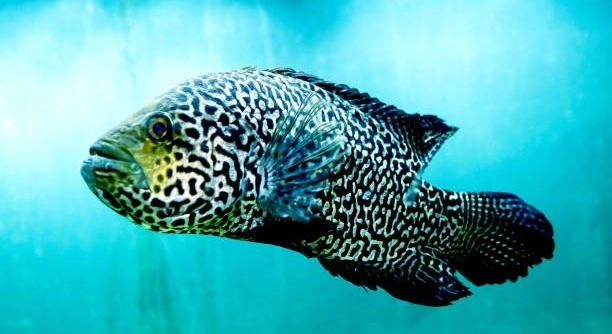
Keeping multiple Jack Dempsey fish in one tank can be tricky. These fish are naturally territorial and need careful management to prevent conflicts. Observing their behavior helps create a calmer, healthier environment for all the fish.
Maintaining multiple Jack Dempsey fish successfully requires clear tank rules, including adequate space, hiding spots, water quality, and monitoring interactions. Following these guidelines reduces aggression, promotes well-being, and ensures that all fish can thrive together in a shared habitat.
Understanding these basic rules will make your aquarium more peaceful and enjoyable for both you and your Jack Dempsey fish.
Choosing the Right Tank Size
Jack Dempsey fish are aggressive and need plenty of space to reduce stress. A tank that is too small can quickly lead to fighting and injuries. Ideally, a tank for multiple Jack Dempsey fish should start at 75 gallons or larger. The larger the tank, the more room each fish has to establish its own territory. This space allows them to swim freely and hide when needed. Adding multiple decorations like rocks or plants can help divide the space naturally, giving each fish its own area. Overcrowding increases aggression, stress, and the risk of disease. Maintaining proper water quality in a larger tank is easier, and the fish are generally healthier. Frequent water testing and regular maintenance are important to keep ammonia and nitrite levels low. A spacious tank supports stable social dynamics among the fish and promotes more natural behaviors. Providing adequate room is the foundation for a peaceful aquarium.
A larger tank reduces territorial disputes and allows each fish to thrive in its own area without constant stress.
When selecting a tank, consider both the adult size of the fish and their activity level. Jack Dempsey fish grow quickly and need room to swim comfortably. They also need hiding places to feel secure, so adding caves or dense plants helps create separate zones. Avoid tall, narrow tanks; horizontal space is more important for these cichlids. A 75-gallon tank is the minimum for two fish, but 100 gallons or more is ideal for three or more. Proper filtration and circulation are also critical to maintain water quality in a larger tank. By providing adequate space, you reduce aggression and make daily care easier, giving your fish a healthier environment to grow and display natural behaviors.
Establishing Territories
Jack Dempsey fish are naturally territorial, and establishing boundaries is essential for multiple fish to coexist.
Each fish should have its own defined area within the tank. Rocks, driftwood, and dense plants help create these territories. Properly spacing hiding spots reduces stress and allows fish to retreat if threatened. Observing interactions during feeding and movement can help you identify conflicts early. It’s important to rearrange decorations if one fish is constantly chasing another, as this may indicate overlapping territories. Consistency is key; frequent changes can confuse the fish and trigger aggression. Using visual barriers like tall plants or rocks can break lines of sight, giving fish peace. Ensuring each fish has a personal area supports healthier interactions and prevents chronic stress. A well-organized tank with clear boundaries allows Jack Dempsey fish to express their natural behaviors while minimizing fights. Over time, fish learn their zones, and overall tank harmony improves, creating a safer environment for all residents.
Territorial boundaries help reduce aggression, giving each fish a sense of security while maintaining a peaceful tank environment.
To successfully establish territories, begin by placing hiding spots evenly throughout the tank. Avoid clustering decorations in one area, which can create competition. Provide multiple caves, overhangs, or dense plant clusters to ensure each fish has an accessible retreat. Feeding in different areas can also reinforce territory ownership, preventing fights over food. Monitor interactions closely, especially when adding new fish. If one fish becomes dominant, adjust barriers or separate the fish temporarily. Consistent observation and careful placement of decorations ensure that each Jack Dempsey fish feels secure. Over time, clear territories reduce stress, support natural behavior, and allow multiple aggressive fish to coexist more peacefully in the same tank.
Providing Hiding Spots
Hiding spots are essential for multiple Jack Dempsey fish. Rocks, caves, and plants give them places to retreat and reduce stress. Each fish should have access to at least one secure spot to feel safe and establish its territory.
Adding a variety of hiding spots helps balance aggression in the tank. Jack Dempsey fish are naturally territorial, and without adequate cover, they may chase or nip at each other constantly. Using rocks, driftwood, or dense plant clusters creates natural divisions within the aquarium. Position caves and decorations in multiple areas so no single fish dominates all the hiding places. Overlapping territories can trigger fights, so spacing shelters strategically is crucial. Providing plenty of options allows fish to rest, feed, and swim without feeling threatened, reducing stress and promoting healthier behaviors in the tank.
Plants also serve as hiding spots and visual barriers. Dense foliage can break lines of sight, helping fish avoid unnecessary confrontations. Using live or artificial plants in combination with rocks or driftwood provides variety and multiple levels for exploration. Grouping decorations in clusters gives smaller fish areas to escape from dominant individuals. Hiding spots should be large enough for adult fish to fit comfortably. Rearranging decorations occasionally can help distribute territories more evenly, but changes should be minimal to avoid triggering aggression. By combining caves, plants, and rocks thoughtfully, multiple Jack Dempsey fish can coexist with fewer conflicts and lower stress levels, improving the overall tank environment.
Feeding Multiple Fish
Feeding multiple Jack Dempsey fish requires planning to prevent competition. Distribute food in different areas so each fish can access it without conflict. A consistent feeding schedule helps reduce aggression.
Feed your fish small amounts multiple times a day instead of one large meal. This ensures all fish get their share and prevents dominant fish from controlling the food. Use sinking pellets, frozen foods, and occasional live treats to provide a balanced diet. Placing food near hiding spots allows shy fish to eat safely. Monitoring feeding behavior helps you spot aggressive tendencies or health issues early. Avoid overfeeding, as leftover food can pollute the tank and trigger fights over scraps. Consistent feeding routines reduce stress and support healthy growth for all fish.
During feeding, watch how the fish interact. Dominant individuals may try to chase others away from food, so placing food in several spots is critical. Rotating food types keeps fish interested and ensures proper nutrition. Using feeding rings or target feeding can help distribute food evenly. Feeding near personal territories reduces conflicts and allows each fish to maintain its space. By combining careful placement, portion control, and observation, you can feed multiple Jack Dempsey fish successfully while minimizing aggression and keeping the tank environment healthy.
Monitoring Water Quality
Maintaining clean water is crucial for multiple Jack Dempsey fish. Frequent testing for ammonia, nitrites, and nitrates prevents stress and disease. Proper filtration and regular water changes keep the tank stable and safe for all fish.
Temperature and pH levels must remain consistent. Jack Dempsey fish prefer slightly warm, neutral to slightly alkaline water. Sudden changes can trigger aggression or illness. Regular maintenance ensures the tank stays balanced, supporting fish health and peaceful interactions.
Observing Behavior
Watch fish interactions closely. Aggression, chasing, or hiding patterns indicate stress or territorial disputes. Early observation helps prevent serious injuries.
Regular observation allows you to notice changes in behavior, appetite, or physical appearance. Dominant fish may intimidate others, while shy individuals might retreat frequently. Tracking these behaviors ensures timely interventions, such as rearranging decorations or separating overly aggressive fish. Consistent monitoring supports a harmonious tank and promotes long-term health for all Jack Dempsey fish.
Limiting Tank Overcrowding
Overcrowding increases stress and fighting among Jack Dempsey fish. Stick to recommended fish-per-gallon ratios to maintain balance.
FAQ
How many Jack Dempsey fish can I keep in one tank?
The number of Jack Dempsey fish depends on tank size and decorations. For two adults, a 75-gallon tank is the minimum. Three or more require at least 100 gallons. Providing hiding spots and territory divisions helps reduce conflicts. Overcrowding leads to stress, aggression, and poor water quality, so always prioritize space over numbers.
What is the best tank setup for multiple Jack Dempsey fish?
A long, wide tank works best. Use rocks, caves, driftwood, and dense plants to create hiding spots and visual barriers. Spread decorations evenly to prevent dominant fish from controlling all territories. Proper filtration, a stable heater, and regular water changes are essential to maintain a healthy environment.
How should I feed multiple Jack Dempsey fish?
Feed small portions multiple times a day, distributing food in several spots. Use sinking pellets, frozen foods, and occasional live treats to provide a balanced diet. Feeding near hiding spots allows shy fish to eat without competition. Avoid overfeeding, as leftover food pollutes the tank and increases aggression.
How do I reduce aggression among Jack Dempsey fish?
Provide enough space, decorations, and hiding spots for each fish. Observe interactions and rearrange decorations if one fish consistently chases others. Overcrowding and poor water quality increase aggression, so maintain proper stocking levels and clean water. Breaking lines of sight with plants or rocks also helps calm dominant fish.
What water parameters are ideal for multiple Jack Dempsey fish?
Keep water temperature between 74–80°F and pH around 7.0–8.0. Ammonia and nitrite levels must stay at 0 ppm, and nitrates below 20 ppm. Stable conditions reduce stress and minimize aggressive behavior. Frequent testing and maintenance are essential for a healthy tank.
Can Jack Dempsey fish live with other species?
They can live with other large, semi-aggressive cichlids but are not suitable for small, peaceful fish. Smaller species may be bullied or eaten. Choose tank mates carefully, provide hiding spots, and monitor interactions closely. Compatibility depends on size, temperament, and tank layout.
How do I know if my fish are stressed?
Signs of stress include constant hiding, chasing, faded colors, or poor appetite. Aggression often increases when fish feel threatened. Observing daily behavior helps identify problems early. Adjust tank conditions, decorations, or feeding methods to reduce stress.
Do I need to rearrange decorations regularly?
Occasional rearranging can help redistribute territories and prevent dominance. However, avoid frequent or drastic changes, as this can confuse fish and trigger fights. Make small adjustments slowly and observe how each fish reacts before continuing.
How often should I clean the tank?
Perform 20–30% water changes weekly. Clean substrate and filter media as needed, without removing all beneficial bacteria. Consistent maintenance keeps ammonia and nitrites low, supports healthy fish, and reduces aggression caused by poor water quality.
Is it normal for Jack Dempsey fish to fight sometimes?
Minor displays of aggression are natural as fish establish territories. Chasing, flaring, or posturing is expected, but constant biting or injuries indicate overcrowding or insufficient hiding spots. Address the environment and space before adding new fish.
What decorations are best for Jack Dempsey fish?
Use sturdy rocks, driftwood, and artificial or live plants. Caves and overhangs provide secure hiding spaces. Decorations should create multiple zones, allowing each fish to claim a territory and retreat when needed. Avoid sharp edges that could injure fish during fights.
How can I prevent dominant fish from controlling the tank?
Provide multiple hiding spots and distribute food across different areas. Rearrange decorations if one fish becomes overly aggressive. Ensuring adequate tank size and enough visual barriers helps balance social dynamics and reduces stress for subordinate fish.
Can I breed multiple Jack Dempsey fish in one tank?
Breeding requires separate territories and often a larger tank. Males can become very aggressive during spawning. Providing plenty of hiding spots and monitoring interactions is critical. For successful breeding, it’s usually best to isolate a pair in a dedicated breeding tank to prevent conflicts.
How do I introduce new Jack Dempsey fish to an established tank?
Use a quarantine tank first to check for disease. Introduce newcomers slowly, with plenty of hiding spots, and monitor interactions closely. Adding decorations or rearranging the tank can help prevent aggressive territorial disputes during introductions.
How can I maintain peace long-term?
Keep tank size sufficient, provide ample hiding spots, maintain clean water, and monitor behavior consistently. Limit overcrowding and avoid frequent rearrangements. Observing fish daily and addressing problems quickly ensures a stable, peaceful tank environment over time.
This FAQ covers the most common concerns about keeping multiple Jack Dempsey fish together, offering practical advice for maintaining a healthy and harmonious aquarium. By focusing on space, hiding spots, water quality, and feeding routines, conflicts can be minimized, and fish can thrive.
Final Thoughts
Keeping multiple Jack Dempsey fish in one tank can be challenging, but with careful planning, it is possible to create a stable and peaceful environment. These fish are naturally aggressive and territorial, so providing enough space, hiding spots, and visual barriers is essential. A larger tank helps reduce competition and allows each fish to establish its own territory. Proper tank decorations, including rocks, driftwood, caves, and plants, create natural zones where fish can retreat and feel secure. Observing their interactions regularly makes it easier to spot potential conflicts early, preventing injuries and reducing stress. Over time, a well-organized tank helps the fish settle into their territories, improving their behavior and overall health.
Water quality plays a major role in keeping multiple Jack Dempsey fish healthy. Stable temperature, pH levels, and low ammonia, nitrite, and nitrate concentrations reduce stress and aggression. Regular water changes and proper filtration are necessary to maintain a clean tank. Monitoring water conditions and performing routine maintenance ensures the fish remain comfortable and less prone to illness. Feeding practices also affect harmony in the tank. Providing small portions of food multiple times a day, distributed in different areas, ensures that all fish can eat without conflict. Including a variety of foods, such as sinking pellets, frozen items, and occasional live treats, supports their nutrition and keeps them active. Feeding near hiding spots allows shy fish to eat safely, reducing dominance struggles over food.
Patience and observation are key when keeping multiple Jack Dempsey fish. It may take time for them to adjust to each other and their environment, and minor displays of aggression are normal as territories are established. Adjusting decorations, providing additional hiding spots, or temporarily separating overly aggressive fish can help maintain peace. Avoid overcrowding, as this often leads to ongoing stress and conflict. By paying attention to space, territory, water quality, feeding routines, and behavior, it is possible to maintain a healthy, balanced tank with multiple Jack Dempsey fish. Consistent care and a structured setup allow these strong-willed fish to coexist peacefully, creating an aquarium that is both interesting to watch and safe for all the fish.

Hello,
If you enjoy the content that we create, please consider saying a "Thank You!" by leaving a tip.
Every little bit helps us continue crafting quality advice that supports the health, happiness, and well-being of pets around the world, for pets of all shapes, sizes, and species.
We really appreciate the kindness and support that you show us!