
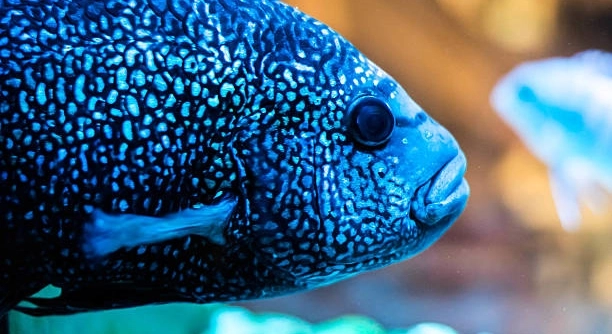
Keeping aquarium fish healthy involves balancing beauty with behavior, especially when choosing plants for aggressive species. Jack Dempsey fish attract attention for their colors, size, and personality, making tank setup decisions important for long-term success.
Jack Dempsey fish can live in planted tanks when durable plants, stable water parameters, and adequate space are provided. Their semi-aggressive nature requires thoughtful plant selection, strong root systems, and careful aquascaping to reduce damage while maintaining environmental enrichment value.
Plant choices, tank layout, and fish behavior all play roles in creating an aquarium that supports aesthetics and fish welfare.
Choosing the Right Plants
I learned early that plant choice matters more than decoration when keeping Jack Dempsey fish. These fish are strong, territorial, and known for digging, which means delicate plants rarely survive. Hardy species like Anubias, Java fern, and Amazon swords handle disturbance better and recover faster from damage. Plants with thick leaves and strong roots are less appealing targets and are easier to anchor securely. Floating plants can also work well because they stay out of reach and help soften lighting. Using rocks or driftwood to shield plant bases adds extra protection and limits uprooting. A planted tank should focus on function rather than variety, especially with cichlids. Choosing fewer, tougher plants reduces stress for both the fish and the keeper, while still offering a natural look that supports overall tank stability. Over time, this approach saved effort, prevented constant replanting, and created a calmer environment for daily observation at home.
Substrate choice also affects plant survival in these tanks. Sand or fine gravel allows easier cleaning but offers less grip for roots. Mixing in plant weights or attaching plants to hardscape keeps them secure and reduces frustration during regular tank maintenance and helps maintain visual balance over time inside aquariums.
Lighting should remain moderate to avoid stressing fish or encouraging excessive algae growth. Jack Dempsey fish prefer slightly subdued conditions, and intense lighting can increase aggression. Choosing slow growing plants reduces maintenance demands and keeps the tank manageable. I found that consistent routines matter more than perfection. Regular trimming, gentle cleaning, and stable water parameters protect both plants and fish. Avoid frequent rearranging because these fish establish territories quickly. When their environment stays predictable, damage decreases and planted areas last longer. A steady setup supports healthier behavior patterns and creates a display that remains attractive without constant intervention long term.
Tank Setup and Maintenance
Tank size plays a major role in planted success with Jack Dempsey fish. Larger tanks dilute aggression and give plants room to recover. A minimum of fifty five gallons allows better spacing, stronger territories, and more stable water conditions for long term balance that supports plant growth and fish health.
Decor placement helps protect plants while meeting the behavioral needs of this species. Rocks, caves, and driftwood break lines of sight and give fish defined zones. These structures reduce constant chasing and allow plants to sit behind natural barriers. I prefer placing heavier decor directly on the tank bottom before adding substrate to prevent shifting. Plants tucked near these anchors stay rooted longer. Maintenance remains simple when layout is intentional. Weekly water changes, steady filtration, and monitoring nitrate levels support both greenery and fish health. Feeding routines should stay controlled because excess food increases waste and affects plant surfaces. Jack Dempsey fish thrive with consistency and space. A planted tank works best when designed around their strength rather than against it. With patience and realistic expectations, planted setups can remain stable, attractive, and manageable for years without constant replacement or stress. I have seen tanks fail when these basics are ignored. Overcrowding, weak filters, and rushed changes cause setbacks. Allowing the system to mature slowly builds resilience. Over time, plants adapt, fish settle, and maintenance becomes predictable, creating a display that feels balanced, durable, and rewarding to maintain. This approach suited my routine and reduced long term effort significantly overall.
Managing Fish Behavior
I noticed behavior matters as much as plants in Jack Dempsey tanks. These fish dig, chase, and defend space, especially during maturity. Providing clear territories, visual breaks, and enough room helps reduce damage to plants and limits constant disturbance throughout the aquarium while supporting calmer daily activity patterns inside tanks.
Territorial behavior increases when space feels limited or unstable. Rearranging decor too often causes stress and triggers digging or uprooting. I learned to keep layouts consistent and make changes slowly. Feeding schedules also influence behavior. Overfeeding leads to excess energy and waste, which increases agitation. Balanced portions keep fish occupied without overstimulation. Tank mates should be chosen carefully or avoided entirely. Even compatible species can disrupt planted areas during disputes. Observing daily patterns helps identify early signs of stress. Addressing these signals quickly prevents escalation and protects both plants and overall tank balance over time with consistent care applied routinely.
Lighting and water conditions influence temperament more than expected. Bright lighting can heighten visibility and increase confrontations. I prefer softer lighting combined with shaded areas. Stable temperature and pH reduce irritation and promote predictable behavior. Sudden fluctuations often result in frantic digging or aggression. Filtration should remain strong but not turbulent. Excess flow encourages fish to move substrate and dislodge roots. Regular testing keeps conditions steady. When the environment stays predictable, Jack Dempsey fish settle faster. This stability supports planted areas and makes daily care feel manageable rather than reactive for long term aquarium success with minimal stress overall maintained.
Balancing Aesthetics and Practicality
A planted tank with Jack Dempsey fish requires realistic expectations. Perfect symmetry rarely lasts, and minor plant damage is normal. I focus on balance rather than perfection. Grouping plants in protected zones maintains structure while allowing open swimming space. Using fewer plant species simplifies care. Visual appeal improves when the layout supports fish behavior instead of fighting it. Accepting small imperfections reduces constant adjustments and keeps maintenance sustainable over time in active home aquariums setups.
Practical design choices save time and frustration in the long run. Heavy rooted plants cost more initially but last longer. I avoid frequent rescapes because stability matters more than novelty. Equipment placement also affects appearance. Hiding heaters and intakes behind decor keeps focus on the fish and plants. Maintenance routines should fit daily life. Simple layouts clean faster and reduce missed debris. Accepting the fish natural behavior prevents disappointment. A planted Jack Dempsey tank works when design choices respect strength, space, and habits. This mindset keeps the aquarium enjoyable rather than demanding. Over time, the tank becomes easier to manage and remains visually consistent without constant intervention during long term ownership with realistic goals and steady care routines maintained patiently at home aquariums daily basis.
Protecting Plants from Damage
Using plant weights and anchoring techniques prevents Jack Dempsey fish from uprooting roots. I often tie Anubias and Java fern to rocks or driftwood. This simple step keeps plants stable and reduces constant replanting while letting the fish behave naturally in their tank environment.
Thick-leaved plants resist nibbling and digging better than delicate ones. I place Amazon swords in corners or behind decor to protect them. Floating plants stay untouched and provide shade, creating calmer zones. Proper placement and plant selection together limit damage and help maintain a planted tank that remains visually pleasing over time.
Feeding and Plant Interaction
Feeding routines influence plant survival. Uneaten food can settle around roots and cause decay. I feed small portions at intervals to minimize excess and maintain water quality. Balanced feeding prevents stress for fish and reduces plant exposure to waste.
Choosing Substrate
A fine gravel or sand substrate allows roots to anchor firmly. I avoid large, loose gravel that shifts easily. Proper substrate supports both plant health and fish behavior, keeping the tank organized and easier to maintain over time.
Water Parameters
Stable water conditions protect plants and fish alike. I monitor temperature, pH, and hardness regularly. Jack Dempsey fish thrive in consistent conditions, which also encourages steady plant growth and reduces stress for both fish and vegetation in the tank.
FAQ
Can Jack Dempsey fish live with other fish in a planted tank?
Jack Dempsey fish are semi-aggressive and territorial, which makes tank mates challenging. I learned it works best with larger, robust fish that can hold their own. Smaller or timid species often get harassed. Careful selection and adequate space help reduce conflicts and protect both plants and other fish.
What types of plants survive best with Jack Dempsey fish?
Hardy plants like Anubias, Java fern, Amazon sword, and Vallisneria handle digging and nibbling. I tie them to rocks or driftwood whenever possible. Floating plants are also useful since they remain out of reach. Thick leaves and strong roots make a significant difference in survival.
How do I prevent Jack Dempsey fish from uprooting plants?
Anchoring plants, using heavy substrate, and placing decor strategically help limit damage. I’ve found that adding rocks around roots or tying plants to driftwood reduces stress on plants. Consistency in layout also prevents repeated digging caused by territorial behavior.
Do Jack Dempsey fish need hiding spots in planted tanks?
Yes, hiding spots are essential. I use rocks, caves, and dense plant clusters to break lines of sight. These zones give the fish security and reduce constant aggression. Hiding areas also protect delicate plants from being uprooted or eaten.
How often should I feed Jack Dempsey fish in a planted tank?
Feeding small portions once or twice daily works best. Overfeeding causes excess waste that can harm plants and water quality. I prefer feeding what fish can eat in a few minutes. This approach keeps both fish and plants healthy.
Can Jack Dempsey fish live in small planted tanks?
They do best in tanks fifty-five gallons or larger. Smaller tanks increase territorial disputes and damage to plants. I’ve tried smaller setups and found they require much more maintenance and stress management to prevent constant uprooting.
What substrate is best for plants in a Jack Dempsey tank?
Fine gravel or sand works well because it allows roots to anchor. Large, loose gravel shifts easily, encouraging digging. I mix in plant weights or use heavy pots for extra stability. Proper substrate reduces replanting and keeps plants upright.
How do lighting and water conditions affect plants and fish?
Moderate lighting helps plants thrive without stressing fish. Bright light can increase aggression and encourage algae growth. Stable temperature, pH, and hardness prevent stress. I check parameters weekly to ensure predictable conditions for both vegetation and Jack Dempsey behavior.
Are floating plants necessary in a Jack Dempsey aquarium?
Floating plants aren’t required, but they help by softening light and providing calm zones. I use them to create shaded areas that reduce aggression and limit digging near delicate rooted plants. They also improve aesthetics without adding maintenance.
How do I maintain a planted tank with Jack Dempsey fish?
Consistency is key. I avoid frequent rearranging, maintain stable water parameters, feed controlled portions, and perform regular water changes. I trim plants selectively and anchor them securely. A predictable routine protects plants and keeps fish behavior manageable over time.
Can Jack Dempsey fish coexist with slow-growing plants?
Yes, but slow-growing plants need protection. I place them behind rocks or in corners to limit exposure. Hardy plants take priority in vulnerable zones, while slower species grow safely in sheltered spots. Observing fish interactions helps identify which plants need extra care.
What common mistakes should I avoid with planted Jack Dempsey tanks?
Frequent rearranging, overcrowding, overfeeding, and choosing delicate plants are mistakes I’ve made myself. Ignoring territorial needs leads to uprooted plants and stressed fish. Focusing on hardy plants, sufficient space, and stable conditions makes maintenance manageable and reduces repeated failures.
How long does it take for plants to establish in a Jack Dempsey tank?
It varies, but with hardy plants and proper anchoring, they can establish within a few weeks. I’ve found that consistent conditions, protection from digging, and occasional trimming support faster growth while reducing losses from fish activity.
Are there any special tips for feeding in a planted setup?
Yes, feeding near the center of the tank reduces disturbance to plants at the edges. I feed slowly and remove uneaten portions to prevent decay around roots. Controlled feeding protects both water quality and the stability of planted areas.
Can Jack Dempsey fish live in heavily planted tanks?
Heavily planted tanks are possible if layout accounts for their behavior. I keep strong plants in the front, dense clusters at the back, and floating plants on top. Planning zones for both fish activity and plant protection ensures long-term balance and reduces constant plant replacement.
How do I know if plants are stressed in a Jack Dempsey tank?
Signs include uprooted roots, torn leaves, yellowing, and slowed growth. I monitor daily and reposition or protect plants when necessary. Early action prevents further damage and allows plants to recover while keeping the tank attractive.
Is it better to use pots or anchor plants directly in substrate?
Anchoring directly works for most hardy plants, but pots are useful for delicate or slow-growing species. I place pots behind decor to shield plants from digging. Both methods reduce replanting and help maintain structure in a semi-aggressive tank environment.
Can Jack Dempsey fish survive without plants?
Yes, they can survive without plants, but vegetation provides enrichment, hiding spots, and territory markers. I prefer at least some hardy plants to improve behavior, aesthetics, and overall tank balance. A planted setup creates a more natural and manageable environment for these fish.
Do Jack Dempsey fish damage all plant types equally?
No, soft-leaved plants suffer more than hardy species. I avoid delicate plants like Cabomba and mosses because they get destroyed quickly. Thick-leaved, anchored plants withstand activity and provide the best chance for long-term survival in the aquarium.
How do I encourage plant growth while keeping Jack Dempsey fish?
I use nutrient-rich substrate, moderate lighting, and stable water parameters. Anchoring plants and providing visual breaks reduces stress. Regular but careful maintenance, including trimming and debris removal, supports growth without encouraging constant digging or plant loss.
What is the most important factor in maintaining a planted Jack Dempsey tank?
Consistency. I focus on stable water conditions, secure plants, proper feeding, and careful observation. Predictable routines and thoughtful plant placement prevent damage, reduce stress, and create a functional, long-lasting tank that balances the needs of both fish and plants effectively.
Are there any long-term strategies for plant survival?
Yes, limiting decor changes, using hardy plants, anchoring properly, and monitoring fish behavior are key. I plan layouts with protected zones, maintain routine feeding, and perform weekly maintenance. Over time, plants adapt, survive, and the tank becomes easier to manage without constant intervention.
Final Thoughts
Maintaining a planted tank with Jack Dempsey fish is a balancing act between providing a natural environment and managing their semi-aggressive behavior. These fish are strong, territorial, and curious, which means plants can easily be uprooted or damaged if not properly protected. I have found that using hardy species like Anubias, Java fern, and Amazon sword makes a significant difference. Anchoring them to rocks or driftwood provides stability, while placing them in protected zones reduces constant disturbance. Floating plants also help by providing shade and breaking sight lines, which calms the fish and gives them defined territories. Accepting that minor plant damage is normal reduces frustration and allows for a more realistic approach to tank management. Consistent routines, careful observation, and deliberate layout choices help create an environment where both fish and plants can thrive together over time.
Water conditions, lighting, and substrate are equally important in supporting a successful planted tank. I learned that stable parameters reduce stress for the fish and encourage steady plant growth. Sudden changes in temperature, pH, or hardness often trigger digging, chasing, or other disruptive behavior that can harm plants. Substrate choice also impacts stability; fine gravel or sand works best because it allows roots to anchor firmly while minimizing shifts caused by fish activity. Moderate lighting helps maintain plant health without overstimulating fish, which can lead to aggression. By keeping these factors predictable and balanced, a planted tank becomes easier to maintain and provides a healthier, calmer environment. Over time, stable conditions support both plant growth and fish behavior, creating a setup that is visually appealing and functionally sustainable.
Behavioral management and layout design play a central role in long-term success. I have found that providing hiding spots, visual barriers, and clear territories reduces stress and prevents constant plant damage. Jack Dempsey fish are more likely to settle when they feel secure and have space to establish dominance without disturbing all planted areas. Feeding routines also affect plant survival, as overfeeding leads to excess waste that can harm roots and water quality. Observing daily patterns and adjusting care accordingly allows plants to recover and fish to remain active without causing destruction. Planning zones where plants can grow safely, along with anchored decor and careful maintenance, ensures the tank remains functional and attractive. With patience, realistic expectations, and attention to detail, a planted Jack Dempsey tank can be both manageable and rewarding, offering long-term stability for fish, plants, and the aquarist alike.

Hello,
If you enjoy the content that we create, please consider saying a "Thank You!" by leaving a tip.
Every little bit helps us continue crafting quality advice that supports the health, happiness, and well-being of pets around the world, for pets of all shapes, sizes, and species.
We really appreciate the kindness and support that you show us!