
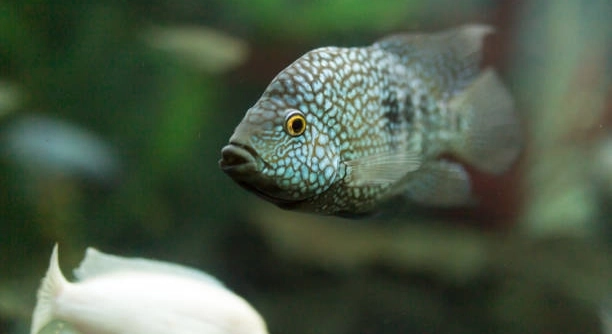
Have you ever watched Jack Dempsey fish in an aquarium and noticed their sudden bursts of energy? These colorful fish are known for their territorial nature and fascinating behaviors that often signal an upcoming fight or display.
Jack Dempsey fish exhibit distinct pre-fight behaviors including flaring their fins, intensifying their coloration, circling rivals, vibrating their bodies, performing short lunges, asserting territory, and maintaining high alertness to communicate dominance and readiness for confrontation.
Recognizing these actions can help fish owners manage aggression safely and maintain a peaceful, balanced environment in the aquarium. Observing these cues is essential for the well-being of all fish.
Flaring Their Fins
Before a fight, Jack Dempsey fish often flare their fins to appear larger and more intimidating. This display is one of the first signals of aggression. The extended fins make their bodies look wider, helping them assert dominance without immediate physical contact. Observing this behavior is a clear way to predict conflict.
Flaring also helps establish a visual boundary for other fish, reducing the need for repeated attacks.
The flaring motion involves spreading the dorsal, anal, and pectoral fins fully. This display is accompanied by subtle movements, such as slow circling or slight lunges toward the opponent. The fish may also vibrate its body slightly while keeping its fins extended. By observing these patterns, aquarium owners can identify potential fights early and intervene if necessary. This behavior is natural, but it can cause stress if the tank is too small. Ensuring enough space and hiding spots can reduce tension and help maintain a calmer environment for all fish.
Color Changes
Jack Dempsey fish often change their coloration before a fight. The shift to brighter or darker shades signals aggression and readiness to attack. This visual cue communicates strength to nearby rivals and helps prevent unnecessary fights.
Color intensity varies depending on stress levels, mood, and health.
During these changes, the fish may display vibrant blues, greens, or reddish tones, emphasizing their dominance. These alterations are controlled by pigment cells called chromatophores. Brighter colors indicate higher energy and confidence, while duller shades may signal submission or fatigue. Observing these shifts helps owners gauge aggression levels and predict which fish might engage in conflict. Maintaining proper water conditions and diet can also influence coloration and overall behavior. In multi-fish tanks, understanding these signals allows for careful placement and monitoring, ensuring the fish coexist safely. Watching these subtle changes can transform how you manage aggression, making it easier to provide a stable and balanced environment for all your fish.
Circling Opponents
Jack Dempsey fish often circle their opponents in slow, deliberate movements. This behavior is a warning signal, showing territorial control and readiness to engage. Circling helps the fish size up their rival before committing to a physical confrontation, minimizing unnecessary risk.
Circling involves the fish swimming around the opponent, maintaining eye contact while adjusting distance. They may pause briefly, then resume the motion, which allows them to assess strength, speed, and reactions. This pre-fight evaluation reduces injuries by determining which fish is dominant without immediate attacks. Circling is accompanied by subtle fin flares and body vibrations, reinforcing the threat display. Tank conditions affect how often this behavior occurs, with crowded spaces leading to more frequent circling and tension among fish. Observing these movements carefully provides valuable insight into the social hierarchy in your aquarium.
This behavior can last several minutes, depending on the personalities of the fish. Environmental factors such as hiding spots, tank size, and water quality influence how aggressive circling becomes. Some fish may retreat sooner, while others persist, making close observation essential for preventing escalation. Recognizing circling patterns also allows timely interventions, like separating highly aggressive individuals or providing more space, ultimately reducing stress and promoting a calmer aquarium. By understanding this pre-fight strategy, owners can better anticipate conflicts and maintain harmony among their fish.
Vibrating Their Bodies
Before engaging in a fight, Jack Dempsey fish often vibrate their bodies rapidly. This movement communicates agitation and readiness to strike. Vibrations act as a subtle but clear signal of aggression, letting other fish know that the individual is prepared for confrontation.
The body vibration involves small, rapid muscle contractions that make the fish’s body tremble slightly. It is usually combined with fin flaring and circling. Vibrations increase tension in the tank as nearby fish sense the aggression and respond defensively. This behavior can also be a stress indicator, as highly stimulated or overcrowded tanks make the fish more prone to vibrating frequently. Observing this behavior helps owners predict fights, adjust tank arrangements, and minimize stress. Consistent vibration patterns usually precede a full confrontation, allowing time for intervention. Proper tank size, environmental enrichment, and hiding spaces reduce excessive vibration and help maintain peaceful interactions.
Sudden Lunges
Jack Dempsey fish sometimes make short, sudden lunges toward their opponent. This movement tests the rival’s reaction time and can intimidate without immediate injury. It signals readiness to escalate the fight if necessary.
These lunges are quick bursts of speed, usually accompanied by flared fins and intense coloration. They allow the fish to assert dominance while maintaining control of the encounter.
Maintaining High Alertness
Throughout pre-fight interactions, Jack Dempsey fish stay highly alert. They continuously watch their opponent, adjusting movements and posture to react instantly to any threat. This vigilance ensures they are ready to defend territory or engage in combat efficiently.
Territorial Displays
Jack Dempsey fish often patrol specific areas of the tank, marking their space. This behavior reinforces dominance and warns rivals to stay away.
FAQ
Why do Jack Dempsey fish flare their fins before a fight?
Flaring their fins makes the fish appear larger and more threatening. It is a visual signal to opponents, showing strength and readiness to fight. By spreading their dorsal, anal, and pectoral fins fully, they communicate dominance without engaging in immediate physical contact.
How can I tell if my Jack Dempsey is circling another fish aggressively?
Aggressive circling is slow and deliberate, often paired with flared fins and direct eye contact. The fish swims around the opponent, pausing occasionally, to gauge strength and reactions. This is a territorial behavior meant to size up the rival.
What causes color changes before fights?
Color changes indicate aggression, mood, and stress levels. Brighter colors signal confidence and dominance, while duller shades may show submission. Chromatophores control these changes, and water conditions, diet, and lighting can influence how intense the coloration becomes.
Why do Jack Dempsey fish vibrate their bodies?
Body vibration is a pre-fight signal showing agitation and readiness. It involves rapid, subtle muscle contractions, often accompanied by circling or lunging. Vibrating communicates tension to rivals and alerts aquarists to potential conflict in the tank.
Do all Jack Dempsey fish lunge at each other?
Not all fish lunge, but it is common during aggressive displays. Short, sudden lunges are tests of reaction time and intimidation. Some fish may retreat after one lunge, while others continue, depending on their personality and confidence.
How long do these pre-fight behaviors last?
The duration varies. Some interactions last only a few minutes, while persistent rivals may display repeated behaviors for longer. Environmental factors like tank size, hiding spots, and population density can influence the length of these interactions.
Can these behaviors cause injury?
Yes, without proper space and tank setup, fights can escalate. Flaring, lunging, and chasing may result in torn fins or bruising. Monitoring interactions and separating aggressive individuals when necessary helps prevent serious injuries.
How can I reduce aggression in my aquarium?
Providing enough space, hiding spots, and visual barriers reduces tension. Proper feeding schedules and water quality also help minimize stress. Observing fish closely allows early detection of aggressive displays, making it easier to intervene before fights escalate.
Do Jack Dempsey fish fight more at certain times?
Aggression often increases during breeding, territorial disputes, or when new fish are introduced. Changes in the environment, like rearranging the tank, can also trigger heightened displays, including flaring, circling, and lunging.
Are there signs that a fight is imminent?
Yes, repeated fin flaring, intense coloration, circling, and vibrations are all indicators. These behaviors signal the fish is assessing its opponent and may escalate to physical confrontation if neither retreats.
Can observing these behaviors improve tank management?
Absolutely. Understanding pre-fight signals allows aquarists to separate aggressive fish, provide sufficient territory, and create a calmer environment. This reduces stress and injuries while supporting healthy interactions among all fish.
Is it normal for one fish to dominate consistently?
Yes, dominant individuals often assert control through repeated displays. Subordinate fish may adopt duller colors, avoid confrontation, or retreat to safer areas. Monitoring dominance hierarchies ensures that weaker fish are not constantly stressed or injured.
How should I react if my Jack Dempsey is consistently aggressive?
Intervene by providing additional hiding spaces or separating highly aggressive fish. Avoid overcrowding and maintain proper tank conditions. Consistent observation helps prevent escalation and ensures the well-being of all fish in the aquarium.
Do these behaviors vary between male and female Jack Dempsey fish?
Yes, males often display more intense aggression, especially when defending territory or during breeding. Females may show pre-fight behaviors too, but usually less frequently or intensely than males. Recognizing these differences helps anticipate interactions more accurately.
Can environmental changes trigger new fights?
Yes, rearranging tank decorations, adding new fish, or altering lighting can provoke territorial responses. Jack Dempsey fish rely on consistent territory, so sudden changes may lead to flaring, lunging, and prolonged vigilance until the hierarchy stabilizes.
How often should I monitor pre-fight behaviors?
Daily observation is ideal, particularly in tanks with multiple Jack Dempsey fish. Early detection of aggression allows timely interventions, reducing stress and injuries while promoting a more peaceful environment.
What role does tank size play in aggression?
Smaller tanks increase tension, as fish have limited space to establish territories or retreat. Larger tanks with hiding spots reduce stress, allowing fish to display behaviors naturally without constant conflict. Proper space is essential for managing aggression effectively.
Can diet influence pre-fight behaviors?
Yes, well-fed fish tend to be calmer, while hunger can increase aggression. A balanced diet supports energy levels and reduces stress, making aggressive displays less frequent and easier to manage.
Are Jack Dempsey fish always aggressive?
Not always. They display aggression primarily to defend territory or during breeding. Outside these situations, they can coexist peacefully, especially if the tank is appropriately sized and enriched with hiding places.
Is it possible to train or condition them to be less aggressive?
Direct training is limited, but managing the environment, spacing, and social groupings can reduce aggression. Consistent monitoring, proper feeding, and stress reduction strategies help maintain a calmer tank without compromising natural behaviors.
Do pre-fight behaviors affect other fish in the tank?
Yes, nearby fish may become stressed or submissive. Dominant displays can influence movement, feeding, and hiding behavior of other species. Careful observation and tank management minimize negative impacts on all inhabitants.
How can I tell if my fish is stressed from pre-fight aggression?
Signs include faded colors, hiding, reduced appetite, or erratic swimming. Prolonged exposure to aggressive displays increases stress, so intervening early with separation or environmental enrichment is crucial to maintain fish health.
Are these behaviors more common in new tanks?
Yes, establishing territory in a new environment triggers more frequent flaring, circling, and lunging. As hierarchy stabilizes, aggressive displays typically decrease, but monitoring remains necessary during the adjustment period.
Can these behaviors predict serious fights?
Yes, repeated and intensified displays often precede actual combat. Recognizing these patterns allows proactive steps to prevent injury and ensure a safer aquarium environment for all fish.
Is it normal for aggression to spike suddenly?
Yes, sudden changes like new tankmates, rearranged decorations, or breeding triggers can cause temporary increases in aggressive behaviors. Close observation and appropriate interventions help manage these spikes effectively.
Do hiding spots reduce pre-fight aggression?
Yes, providing caves, plants, or barriers gives fish areas to retreat and establish territory, reducing constant confrontations. This makes the tank environment calmer and lowers stress for both dominant and subordinate fish.
Can tankmates influence Jack Dempsey aggression?
Yes, the presence of similarly sized or territorial fish can trigger more frequent displays. Careful selection of compatible species reduces tension and prevents frequent pre-fight behaviors from escalating into serious conflicts.
Are repeated fights harmful over time?
Yes, chronic aggression can lead to injuries, stress, and weakened immune systems. Interventions like tank separation, additional hiding places, or monitoring dominant individuals are essential for long-term health.
How do I safely separate aggressive Jack Dempsey fish?
Use a temporary divider or a separate tank to prevent injuries. Avoid handling fish directly, as this causes stress. Monitor behavior after separation to ensure calmer interactions before reintroducing them.
What is the best way to observe pre-fight behaviors?
Watch quietly from outside the tank to avoid influencing behavior. Take notes on flaring, circling, lunging, and body vibrations. Understanding patterns helps anticipate aggression and manage the tank environment effectively.
Do Jack Dempsey fish ever reconcile after fights?
Yes, once dominance is established, fish may coexist peacefully. Subordinate fish usually avoid confrontation, and dominant fish focus on territory rather than continuous aggression. Maintaining proper tank conditions supports long-term harmony.
How important is water quality for aggression management?
Extremely important. Poor water conditions increase stress and trigger more frequent aggressive displays. Regular water changes, proper filtration, and monitoring parameters help reduce pre-fight behaviors and maintain healthy fish.
Can overcrowding make fights worse?
Yes, limited space increases competition for territory, triggering more flaring, circling, and lunging. Ensuring adequate tank size and hiding areas is key to minimizing aggression and maintaining a stable environment.
Are pre-fight behaviors predictable?
Generally, yes. Flaring, color changes, circling, lunging, and vibrations occur in a recognizable sequence. Observing these cues consistently allows proactive management and reduces the risk of serious fights.
Is aggression different during breeding season?
Yes, breeding heightens territoriality and intensity of pre-fight behaviors. Males are especially aggressive, flaring more often, circling, and lunging at rivals. Providing additional space and hiding spots helps manage this heightened aggression.
Can observing these behaviors improve overall tank health?
Absolutely. Recognizing early signs of aggression allows interventions that prevent injuries, reduce stress, and promote a balanced social structure. Observing pre-fight behaviors is a practical tool for maintaining a healthy, peaceful aquarium environment.
Do Jack Dempsey fish ever fight without prior displays?
Rarely. Pre-fight behaviors usually precede physical confrontations, serving as warnings. Sudden attacks are uncommon unless the fish feels extremely threatened or the tank environment is highly stressful.
How do I know when it’s safe to reintroduce separated fish?
Wait until both fish display calmer behaviors and reduced aggression. Gradual reintroduction with visual barriers helps them adjust without immediate confrontation. Observing responses closely ensures a safer reintroduction process.
Are some fish naturally more aggressive than others?
Yes, individual temperament varies. Some Jack Dempsey fish are naturally dominant or territorial, while others are more submissive. Understanding each fish’s personality helps manage interactions and reduce unnecessary fights.
Can enriching the tank environment reduce aggression?
Yes, adding plants, rocks, or structures provides hiding spots and territories, reducing stress and minimizing aggressive interactions. A stimulating environment allows fish to display natural behaviors safely.
How do I balance multiple Jack Dempsey fish in one tank?
Ensure enough space, multiple hiding spots, and visual barriers. Observe behaviors, separate highly aggressive fish, and maintain proper water quality. Balanced tank management prevents constant pre-fight displays and supports coexistence.
Do these behaviors indicate a healthy fish?
Yes, displaying natural aggression and pre-fight behaviors is a sign of normal activity. Problems arise when aggression is excessive due to stress, poor conditions, or overcrowding. Proper management ensures health and well-being.
Can I use observation to predict breeding behavior?
Yes, heightened aggression, intense coloration, and territory defense often signal breeding readiness. Monitoring these behaviors helps anticipate breeding events and prepare the tank accordingly.
Are Jack Dempsey fish aggressive toward all species?
Not necessarily. Aggression is usually toward similarly sized or territorial fish. Smaller, peaceful species may coexist if the tank provides enough space and hiding spots. Careful species selection is crucial for harmony.
How long do pre-fight behaviors usually last in established tanks?
In stable tanks, pre-fight behaviors are shorter and less frequent. Dominance hierarchies reduce repeated displays, though occasional flaring or lunging may still occur. Consistent observation ensures continued balance.
Can tank layout reduce fights?
Yes, dividing the tank visually and providing hiding areas reduces stress and prevents frequent confrontations. Strategic placement of plants, rocks, or decorations creates natural barriers and personal territories for each fish.
Are there signs of submission in Jack Dempsey fish?
Yes, fading colors, retreating to corners or hiding spots, and avoiding dominant fish indicate submission. Recognizing these signs helps prevent excessive stress or injury to subordinate fish.
Is it normal for dominant fish to chase others continuously?
Occasionally, yes, especially in small or overcrowded tanks. Providing space and hiding spots allows subordinate fish to escape, reducing constant harassment and maintaining a healthier social dynamic.
Do all aggressive interactions end in fights?
No, most pre-fight behaviors serve as warnings and rarely escalate into full combat. Recognizing these cues helps manage interactions and maintain a peaceful tank.
How important is observation for new aquarists?
Critical. Early recognition of flaring, circling, lunging, and vibrations allows timely interventions. Consistent observation ensures fish safety, reduces stress, and promotes a balanced environment for all species in the tank.
Can pre-fight behaviors affect feeding habits?
Yes, stressed or threatened fish may eat less or hide during aggressive displays. Providing multiple feeding areas and monitoring interactions ensures all fish get proper nutrition.
What is the best way to document these behaviors?
Use notes or photos to track patterns, frequency, and triggers. Documenting helps identify dominant individuals, predict conflicts, and plan interventions to maintain a calm and healthy aquarium.
Do Jack Dempsey fish remember past fights?
Yes, they can recognize previous rivals and adjust behavior accordingly. Dominant fish may assert control faster, while submissive fish are likely to avoid confrontation. This memory helps maintain social hierarchy in the tank.
Can stress from repeated aggression cause disease?
Yes, chronic stress weakens the immune system, making fish more susceptible to infections. Early detection of aggressive behaviors and proper tank management are essential to prevent health issues.
Are pre-fight behaviors less intense with proper tank care?
Yes, adequate space, hiding spots, and stable water parameters reduce aggression. Well-fed, healthy fish display fewer extreme behaviors, making the tank environment calmer and safer for all inhabitants.
How do I know if my tank has too many Jack Dempsey fish?
Frequent and intense pre-fight behaviors, crowded swimming areas, and stressed fish indicate overstocking. Providing more space or reducing the number of fish helps maintain balance.
Is it normal for aggressive displays to occur at night?
Yes, although less frequent, some fish continue territory defense during low light. Observing behavior patterns helps identify peak aggression periods and plan interventions.
Can adding decorations prevent escalation?
Yes, barriers and hiding spots break lines of sight and allow fish to retreat. This reduces constant displays and promotes a more peaceful aquarium environment.
Do Jack Dempsey fish ever ignore each other?
Yes, once hierarchy is established and territories are respected, fish may coexist with minimal interaction. Proper tank setup encourages this natural balance.
How can I tell if aggression is abnormal?
Constant chasing, injuries, faded colors, and excessive hiding indicate abnormal aggression. Interventions like separation, tank enrichment, or adjusting stocking density are necessary to protect fish health.
Are there warning signs before a serious fight?
Yes, repeated flaring, lunging, circling, and intense body vibrations usually precede actual combat. Recognizing these patterns allows preventive measures to avoid injuries.
Do Jack Dempsey fish fight differently in community tanks?
Yes, aggression may be higher toward similar-sized or territorial species. Non-territorial or smaller fish usually provoke less response. Careful species selection and observation are key for coexistence.
Can pre-fight behaviors indicate dominance hierarchies?
Absolutely. Observing who flares, circles, lunges, and vibrates first helps identify dominant and subordinate fish, allowing better tank management and conflict prevention.
Are these behaviors instinctual?
Yes, pre-fight displays are natural behaviors rooted in survival, territory defense, and reproduction. They serve as communication tools to reduce unnecessary physical conflict.
Do all Jack Dempsey fish display the same intensity?
No, individual temperament and size influence aggression. Some fish are naturally bold and dominant, while others are cautious or submissive, affecting how intensely they display pre-fight behaviors.
How can I create a calm environment despite aggression?
Provide adequate space, hiding areas, stable water conditions, and compatible tankmates. Observing behaviors and intervening when necessary ensures a balanced and peaceful aquarium environment.
Can pre-fight behaviors help predict breeding success?
Yes, heightened territoriality, flaring, and color changes often precede spawning. Monitoring these behaviors allows preparation of safe breeding areas and reduces stress for both partners.
Are aggressive behaviors more common in young fish?
Juveniles may show less intense aggression than adults but still engage in displays to establish early hierarchies. Providing adequate space and hiding spots supports healthy development.
Can frequent pre-fight displays be harmful psychologically?
Yes, continuous exposure to aggressive displays can stress subordinate fish, causing anxiety, hiding, and reduced feeding. Interventions help maintain mental well-being.
Do Jack Dempsey fish have preferred territories?
Yes, they often claim specific areas with structures or open spaces. Protecting these territories is key to reducing conflicts and ensuring stable interactions.
Is it necessary to intervene in every pre-fight display?
No, minor displays that do not escalate are normal. Intervention is needed only when fights become frequent, prolonged, or result in injuries.
Can these behaviors be observed in smaller tanks?
Yes, but displays may be more intense due to limited space. Providing barriers and hiding spots is essential to reduce stress and prevent constant confrontation.
Do Jack Dempsey fish communicate with body language?
Yes, flaring, circling, lunging, and vibrations are all forms of communication. These signals convey aggression, dominance, or submission without direct physical combat.
Can these behaviors change over time?
Yes, as fish mature, establish territories, or adapt to tankmates, pre-fight behaviors may become less frequent or intense, reflecting a stable social hierarchy.
How do I monitor multiple aggressive fish effectively?
Observe daily, take notes on displays, and separate if necessary. Ensuring adequate space, hiding areas, and compatible tankmates reduces conflicts and maintains a balanced environment.
Do Jack Dempsey fish ever show playful behavior during pre-fight displays?
Some movements may appear playful, but most are purposeful signals of dominance and territory defense. Recognizing intent helps differentiate harmless activity from serious aggression.
How do water temperature and lighting affect aggression?
Higher temperatures can increase metabolism and activity, making fish more prone to displays. Proper lighting supports natural behavior patterns and can reduce unnecessary tension.
Is it normal for aggression to spike after feeding?
Yes, competition for food may trigger flaring, lunging, and circling. Providing multiple feeding spots reduces conflicts and ensures all fish eat safely.
Can observation of these behaviors improve long-term tank health?
Yes, understanding pre-fight signals allows timely intervention, reducing stress, preventing injuries, and maintaining a balanced social structure that supports overall fish health.
Are Jack Dempsey fish aggressive toward their reflection?
Yes, they may perceive reflections as rivals, displaying flaring and lunging behaviors. Using non-reflective tank backgrounds or reducing light glare can minimize this issue.
**Do pre-fight behaviors ever
Jack Dempsey fish are fascinating creatures, especially when it comes to their pre-fight behaviors. Observing them closely provides valuable insight into how they communicate aggression, assert dominance, and protect their territory. Behaviors like fin flaring, circling, body vibrations, sudden lunges, and color changes are all natural expressions that allow these fish to interact without immediately resorting to serious fighting. Each display has a clear purpose, whether it is to intimidate a rival, establish boundaries, or test the reactions of other fish in the tank. Understanding these actions is important for anyone keeping Jack Dempsey fish, as it helps maintain a peaceful environment and reduces the risk of injuries. By paying attention to these behaviors, aquarists can predict potential conflicts and intervene before they escalate, making life safer for all fish in the aquarium.
Providing an appropriate environment is crucial in managing Jack Dempsey aggression. Tank size, hiding spots, and visual barriers all play a role in how often and how intensely these pre-fight behaviors occur. Smaller tanks or overcrowded conditions can increase tension, causing repeated displays and stress for all inhabitants. On the other hand, well-planned spaces with adequate room for territory allow fish to demonstrate natural behaviors without constant conflict. Regular monitoring of interactions, along with maintaining stable water quality and a proper diet, reduces stress and prevents excessive aggression. Even dominant fish benefit from a structured environment that allows them to establish territory naturally while avoiding unnecessary confrontations. Observing patterns of dominance and submission also helps aquarists manage social hierarchies, ensuring subordinate fish are not constantly harassed and maintaining overall tank harmony.
Recognizing and understanding pre-fight behaviors is not only useful for preventing physical harm but also for promoting a healthy and balanced aquarium ecosystem. These behaviors provide insight into the fish’s well-being, energy levels, and territorial needs. By learning to identify signals such as flaring fins, color intensification, circling, lunges, and body vibrations, aquarists can make informed decisions about tank setup, fish groupings, and intervention strategies. Properly managing aggression supports long-term health, reduces stress, and helps fish coexist more peacefully. Paying attention to these subtle cues allows for better care and a more harmonious environment, ensuring that Jack Dempsey fish can thrive while displaying their natural, fascinating behaviors.

Hello,
If you enjoy the content that we create, please consider saying a "Thank You!" by leaving a tip.
Every little bit helps us continue crafting quality advice that supports the health, happiness, and well-being of pets around the world, for pets of all shapes, sizes, and species.
We really appreciate the kindness and support that you show us!