
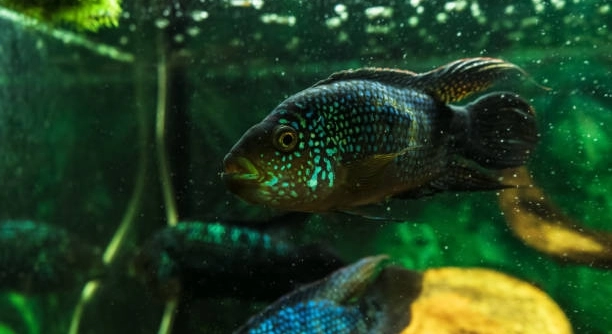
Jack Dempsey fish are popular in home aquariums for their striking colors and lively personalities. They require specific care to thrive, including proper tank size, water conditions, and boundaries that support their natural behavior and reduce stress.
Jack Dempsey fish are capable of recognizing the limits of their tank environment through spatial awareness and repeated interactions. They learn boundaries over time, responding to physical barriers and established territories, which helps maintain social order and prevents excessive aggression.
Observing their behavior and understanding these patterns can help ensure a healthier, more harmonious aquarium for your Jack Dempsey fish. Proper setup and monitoring are key to their well-being.
Understanding Jack Dempsey Behavior
Jack Dempsey fish are territorial by nature, which means they need clearly defined spaces within their tank. They often patrol their area and react when another fish enters their perceived boundaries. Providing hiding spots, rocks, and plants helps them feel secure and reduces aggressive encounters. Over time, they begin to recognize areas they should not cross, showing signs of learned boundaries. Their behavior can include flaring fins, chasing intruders, or retreating to a shelter when challenged. Observing these patterns allows you to adjust tank setup, spacing, and social groupings to minimize stress. Consistency in tank arrangement supports their learning, as sudden changes can confuse them and trigger aggression. Monitoring water conditions and feeding routines also contributes to stable behavior, allowing them to focus on territory rather than survival stress. Small adjustments can make a significant difference in their comfort and the overall harmony of the aquarium environment.
Territorial behavior is natural and manageable with proper planning and observation. Their interactions become predictable over time.
Learning boundaries is gradual. By maintaining consistent tank structure and providing secure spaces, Jack Dempsey fish adapt well to their environment. This not only limits conflicts but encourages natural behaviors such as patrolling and hiding. Observing them allows you to notice subtle cues like body posture or fin displays, which indicate comfort or tension. Adjusting tank size, decorations, and fish companions can prevent dominance disputes. A well-structured environment helps them feel confident and reduces stress, promoting healthier growth. Feeding schedules also play a role; regular, predictable meals keep them focused on territory rather than food competition. Over months, their memory of tank layout strengthens, leading to smoother interactions and reduced accidents. Understanding these dynamics allows for more efficient care, ensuring their natural instincts are respected while maintaining a peaceful tank.
Setting Tank Boundaries Effectively
Clear physical boundaries are essential for Jack Dempsey fish in any tank. Rocks, plants, and decorations serve as markers and hideouts, helping them navigate their territory safely.
Arranging the tank thoughtfully can prevent aggressive encounters and ensure each fish has its own space. Using dividers or distinct zones helps manage multiple territorial fish. Observing their responses to these setups shows whether adjustments are needed. Boundaries are not only physical but also involve consistent routines. Feeding in specific areas and maintaining water conditions contribute to their understanding of limits. Introducing changes slowly avoids confusion and aggression, while regular monitoring ensures harmony. By combining structure with attention to behavior, the tank becomes an environment where Jack Dempsey fish feel secure, allowing them to express natural behaviors safely and predictably. Proper planning, observation, and gradual adjustments create a stable, stress-free habitat. This structured approach makes it easier to manage multiple fish, reduces fighting, and encourages healthy growth while respecting their territorial instincts.
Signs Your Jack Dempsey Has Learned Boundaries
Once a Jack Dempsey fish becomes familiar with its tank, it starts showing predictable patterns. They stop repeatedly bumping into barriers, respect the space of other fish, and respond calmly to minor intrusions. Observing these signs indicates they have adapted well.
Body language, such as relaxed fins and steady swimming near boundaries, reflects their comfort. They begin to patrol specific areas without crossing into others, reducing territorial conflicts. Interactions with tank mates become measured, with fewer aggressive chases or sudden flares. Even feeding routines are smoother, as they recognize where food will be offered without rushing or fighting. These behaviors develop gradually through repetition, environmental consistency, and careful observation.
Monitoring how they explore and retreat to shelters helps reinforce learned boundaries. Clear zones marked by decorations or plants assist memory. Over time, they internalize the layout, minimizing stress and aggression. Consistent routines and stable conditions allow them to feel secure, supporting natural behavior and long-term health.
Tips to Reinforce Tank Boundaries
Placing rocks, plants, and ornaments strategically creates distinct zones, guiding Jack Dempsey fish to respect each area. Proper spacing between hiding spots prevents conflicts and reduces stress.
Regular observation helps identify problem areas where territorial disputes might occur. Adjusting tank decorations gradually allows fish to adapt without confusion. Feeding in consistent spots reinforces spatial awareness and reduces aggressive competition. When keeping multiple territorial fish, using dividers temporarily can ease introductions and prevent injuries. Water parameters and temperature stability also support calm behavior, making boundary learning more effective. These measures together encourage a peaceful, structured environment where Jack Dempsey fish can thrive confidently.
Consistency in tank setup is key to reinforcing boundaries. Structured layouts, predictable routines, and careful monitoring reduce stress and aggression. Providing multiple hiding spots and visual markers helps them internalize limits. Over time, fish respond reliably to their environment, showing fewer territorial disputes and smoother interactions. Adjustments should be gradual, allowing them to recognize new boundaries naturally. Monitoring behavior daily ensures early intervention if conflicts arise, maintaining harmony. Feeding, water changes, and social arrangements contribute to the overall understanding of space, creating a safer and more comfortable habitat for every fish in the tank.
Common Mistakes When Setting Boundaries
Overcrowding the tank is a frequent issue. Without enough space, Jack Dempsey fish cannot establish territories properly, leading to stress and aggressive behavior.
Changing decorations too often can confuse them. Frequent rearrangements make it difficult for fish to remember boundaries, causing repeated conflicts and anxiety.
Using Visual Cues Effectively
Visual markers like rocks, plants, and background ornaments guide Jack Dempsey fish in recognizing their territory. These cues help them differentiate zones, understand where to patrol, and avoid crossing into other fish’s space. Clear visual boundaries reduce aggressive encounters and make the tank environment more predictable and comfortable for all inhabitants.
Tank Size Considerations
A larger tank allows multiple Jack Dempsey fish to coexist with minimal conflict. Proper spacing and layout support boundary learning and overall well-being.
FAQ
How do I know if my Jack Dempsey fish respects its boundaries?
You can tell by observing their behavior. A fish that has learned boundaries will patrol specific areas calmly, retreat to shelters when challenged, and avoid repeatedly bumping into tank walls or other fish. Aggressive chases and sudden flaring should decrease over time.
Can Jack Dempsey fish adapt to new tank layouts?
Yes, they can adapt if changes are made gradually. Moving decorations slowly and leaving familiar zones intact allows them to explore safely. Sudden rearrangements can cause stress, so maintaining consistency helps them retain memory of boundaries and reduces aggressive encounters.
What is the ideal tank size for boundary learning?
A tank of at least 55 gallons is recommended for a single Jack Dempsey fish. Larger tanks provide enough space for multiple fish to establish territories. Proper spacing allows them to patrol without constant confrontation, which supports calmer, more predictable behavior.
Do hiding spots help reinforce boundaries?
Yes, hiding spots are essential. Rocks, plants, and ornaments serve as visual cues and safe zones. Fish use them to retreat when threatened and to patrol their territory confidently. The more structured and predictable these spaces are, the faster they learn their limits.
How often should I adjust tank decorations?
Adjust decorations only when necessary and make changes gradually. Frequent rearrangements confuse fish and prevent them from remembering their boundaries. Consistent structure encourages natural behavior, reduces stress, and helps them feel secure in their territory.
Can Jack Dempsey fish coexist with other species?
They can, but careful planning is required. Avoid smaller, passive fish that may become targets. Choose similarly sized, semi-aggressive species, and provide ample hiding spots. Dividing the tank into zones helps maintain peace while allowing natural social interactions.
Does feeding routine affect boundary learning?
Yes, feeding routines reinforce spatial awareness. Offering food in consistent locations prevents competition and aggression. Predictable feeding reduces stress and allows fish to focus on territory rather than rushing or fighting over meals. This consistency supports their understanding of boundaries.
What signs indicate territorial stress?
Signs include constant chasing, fin damage, rapid breathing, and hiding excessively. Stress may also show through erratic swimming or refusal to eat. Monitoring these behaviors helps identify issues early, allowing adjustments to tank layout, companions, or feeding routines.
Is it necessary to use tank dividers?
Dividers can help during introductions of new fish or when aggression is high. They provide temporary separation, allowing fish to recognize boundaries safely. Once territorial stability is achieved, dividers can be removed to allow natural interactions.
How long does it take for Jack Dempsey fish to learn boundaries?
Learning is gradual, usually taking several weeks to months. Consistency in tank layout, feeding, and social structure accelerates the process. Daily observation and gradual adjustments support memory retention, helping fish establish predictable behavior over time.
Can boundary learning prevent all aggression?
While boundary learning reduces conflicts, it cannot eliminate all aggression. Natural territorial instincts remain, and occasional disputes may occur. Proper tank size, structured environment, and careful monitoring are essential to maintain peace and minimize risks.
Do older fish learn boundaries more easily than younger fish?
Older fish often display more predictable behavior, but younger fish can learn effectively with consistent routines. Patience is required, as juveniles may be more curious and prone to testing limits. Gradual reinforcement and stable conditions help both age groups adapt.
Are water conditions important for boundary learning?
Absolutely. Stable temperature, pH, and cleanliness reduce stress, allowing fish to focus on territory instead of survival. Poor water quality increases anxiety, making them more aggressive and less likely to respect established boundaries. Regular maintenance supports both health and behavioral stability.
Can multiple Jack Dempsey fish share the same tank?
Yes, if space and hiding spots are sufficient. Each fish should have a clearly defined area. Observing interactions and adjusting zones as needed prevents dominance disputes. Overcrowding or limited structure increases conflict and stress, hindering boundary learning.
How do I introduce new fish without triggering aggression?
Introduce new fish slowly, using dividers or separate zones initially. Allow visual contact without direct confrontation. Gradually increase interaction as boundaries become recognized. Consistent observation and adjustment of hiding spots reduce stress and help establish peaceful coexistence.
What role do plants play in boundary learning?
Plants provide cover, break lines of sight, and create natural boundaries. Fish use them as landmarks to patrol territory and retreat when threatened. Strategically placed plants support spatial memory, reduce aggressive encounters, and make the environment more secure.
Is there a difference between male and female territorial behavior?
Males are usually more aggressive, particularly during breeding periods. Females may be less confrontational but still require clear territory. Observing each fish individually and providing balanced zones prevents excessive stress and ensures all fish have space to feel secure.
Can stress impact boundary memory?
Yes, high stress can impair learning. Frequent disturbances, overcrowding, or poor water quality may cause fish to ignore boundaries or act aggressively. Maintaining stable conditions and predictable routines helps fish retain memory and behave consistently.
Do Jack Dempsey fish ever forget boundaries?
Sudden changes in tank layout or introduction of new aggressive fish can temporarily confuse them. With consistent reinforcement, boundaries are quickly relearned. Patience and observation ensure they regain comfort and resume predictable territorial behavior.
Are decorations more important than tank size for learning boundaries?
Both are important. Tank size provides enough space for territories, while decorations mark zones and offer hiding spots. A combination of adequate space and strategic visual cues maximizes comfort, reduces aggression, and supports boundary learning efficiently.
How do I encourage peaceful coexistence in a shared tank?
Provide ample space, multiple hiding spots, and clearly defined zones. Feed consistently and monitor behavior closely. Gradual introductions and temporary dividers help manage aggression. Stable water conditions and structured routines allow fish to feel secure and maintain predictable territorial interactions.
Final Thoughts
Jack Dempsey fish are strong, territorial, and intelligent. Their natural instincts make them careful about space, and they respond well to consistent boundaries in a tank. Observing their behavior is essential to understanding how they interact with their environment and other fish. When a tank is set up with clear zones, hiding spots, and decorations that mark territories, these fish can feel secure. They begin to patrol areas confidently, retreat when challenged, and show reduced aggression. Consistency is key. Sudden changes in layout or tank companions can confuse them and increase stress. Paying attention to their routines, preferred spots, and interactions helps in adjusting the tank to their needs. Over time, their memory of space strengthens, and they become more predictable, making the aquarium a calmer and safer place.
Providing proper space is just as important as decorations and hiding spots. Jack Dempsey fish need room to swim, patrol, and explore without constant confrontation. A tank that is too small can lead to heightened aggression and stress, making it difficult for them to learn boundaries. Multiple fish require even more space and structured zones to coexist peacefully. Plants, rocks, and ornaments act as visual markers and shelters, giving fish the confidence to maintain their territory. Regular feeding in specific areas also reinforces boundaries and reduces fights over food. Observing their behavior helps identify potential problem areas, allowing small adjustments to prevent conflicts. Structured routines, clean water, and stable conditions support their learning and overall health. With attention and planning, these fish can thrive and display natural behaviors safely.
Patience and observation are essential for maintaining a healthy environment. Boundary learning does not happen overnight. It can take weeks or months for Jack Dempsey fish to fully adapt to their tank, companions, and layout. Monitoring behavior, adjusting decorations gradually, and providing enough space all contribute to a stress-free habitat. Consistent feeding routines and clean water help them feel secure and focused on territory rather than survival. Even after boundaries are learned, occasional conflicts may occur due to natural instincts, so ongoing attention is necessary. By providing a structured, stable environment, fish not only learn where they belong but also develop confidence and comfort. A well-planned tank allows Jack Dempsey fish to coexist peacefully, thrive in their territory, and display the striking, lively behavior that makes them unique.

Hello,
If you enjoy the content that we create, please consider saying a "Thank You!" by leaving a tip.
Every little bit helps us continue crafting quality advice that supports the health, happiness, and well-being of pets around the world, for pets of all shapes, sizes, and species.
We really appreciate the kindness and support that you show us!