
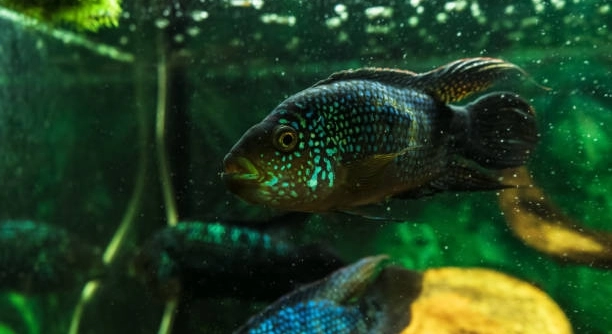
Have you ever wondered why Jack Dempsey fish seem so intimidating at first glance? Many people hold strong opinions about their behavior and care that are not entirely accurate or fair to the fish.
Several myths exist about Jack Dempsey fish, including misunderstandings about their aggression, feeding habits, and tank needs. Correcting these misconceptions is essential for proper care, promoting healthy growth, and ensuring a stable, thriving aquarium environment.
Knowing the truth behind these myths can make keeping Jack Dempsey fish more manageable and enjoyable for both beginners and experienced fish owners.
Myth 1: Jack Dempsey Fish Are Always Aggressive
Jack Dempsey fish are often labeled as aggressive, but this is not entirely true. Their behavior depends heavily on their environment, tank size, and companions. In a properly sized tank with enough hiding spaces, they can coexist with other fish without constant conflict. Aggression usually appears when they feel threatened or during breeding periods. Observing their body language, such as flared fins or chasing, can help you manage interactions. Providing decorations like caves and plants helps reduce tension. Understanding their temperament allows you to enjoy their personality rather than fearing them. Many people mistakenly assume they will attack anything, but with proper care, they are more predictable and manageable. Feeding them consistently and keeping them in compatible groups reduces stress and minimizes aggressive displays. Over time, you learn to recognize the difference between normal defensive behavior and true aggression. Proper care changes how they behave significantly in captivity.
Aggression is situational and can be controlled with tank setup and compatible companions.
Creating a calm environment with enough space, hiding spots, and consistent feeding schedules makes Jack Dempsey fish much less aggressive. Observing their behavior daily allows you to prevent conflicts and maintain harmony. Tankmates should be chosen carefully, and overstocking should be avoided to reduce stress. Breeding periods may require separating them to prevent fights, but outside of these times, they can be peaceful and social with the right conditions. Regular maintenance and monitoring of water quality also play a role in keeping their behavior stable. With patience and attention, their “aggressive” reputation is often overstated, and they become engaging, vibrant additions to your aquarium.
Myth 2: Jack Dempsey Fish Can Eat Anything
Jack Dempsey fish are not indiscriminate eaters. Feeding them a varied, balanced diet is essential for their health. They require protein-rich foods like pellets, frozen foods, and occasional live treats. Overfeeding or giving inappropriate foods can lead to health problems such as bloating or poor coloration. While they may show interest in anything in the tank, it does not mean they should eat it. Observing their feeding behavior helps ensure they receive the right nutrition. Proper diet supports growth, vibrant colors, and overall health. Supplements like vitamins can be added if needed, but their main diet should remain consistent. Feeding schedules should be moderate—twice a day is generally enough for adult fish. Young fish may require more frequent feedings, but portions should be controlled to avoid water quality issues. Being careful with diet prevents unnecessary stress and promotes longevity.
Feeding Jack Dempsey fish requires balance and attention to their specific nutritional needs.
A well-planned diet impacts their health, behavior, and color. They thrive on pellets designed for cichlids, occasional frozen foods like bloodworms, and carefully chosen live foods. Overfeeding is a common mistake and can harm water quality, stress fish, and reduce lifespan. Avoid giving them general leftovers or random aquarium treats that lack proper nutrients. Rotating protein sources keeps them healthy, while vegetables can supplement their diet occasionally. Observing their appetite and adjusting portions ensures they remain active without gaining excess weight. With the right care and attention, Jack Dempsey fish maintain bright colors, energetic movements, and strong immune systems. Feeding correctly also reduces aggression during meals, as all fish get enough food. Creating a structured feeding routine helps you monitor their health and makes tank management easier, keeping them lively and well-nourished over time.
Myth 3: Jack Dempsey Fish Grow Too Large for Home Tanks
Many people believe Jack Dempsey fish quickly outgrow home aquariums. While they can reach around 10–15 inches, proper tank size and care prevent overcrowding and stress.
With adequate space, usually a 55-gallon tank or larger, Jack Dempsey fish thrive without harming tankmates or decorations. They grow at a manageable rate when fed a balanced diet and kept in clean water. Overcrowding can stunt growth and increase aggression, so maintaining proper tank conditions is essential. Providing hiding spots and structured areas allows multiple fish to coexist peacefully. Monitoring growth and adjusting tank conditions ensures they remain healthy and vibrant without causing damage. Their impressive size is often misunderstood as unmanageable rather than a factor of proper care.
Many owners assume these fish will constantly need massive tanks. In reality, careful planning of tank size, filtration, and decoration allows them to grow comfortably while staying healthy. Observing water parameters, feeding schedules, and fish behavior ensures they do not become stressed or aggressive. Regular water changes, proper filtration, and maintaining space between fish help them adjust to the environment without overwhelming the aquarium. Growth rates are predictable with consistent care, and their final size is achievable without extreme measures. Learning how to manage them in a home setting makes their size a benefit rather than a problem.
Myth 4: Jack Dempsey Fish Are Difficult to Breed
Breeding Jack Dempsey fish is not as difficult as some think, especially with proper tank conditions. They naturally pair up when healthy and mature.
To encourage breeding, maintain clean water, a slightly warmer temperature, and suitable hiding spaces. They form strong bonds with chosen mates and exhibit typical cichlid behaviors during spawning. Removing other tankmates reduces stress, and observing their nesting behavior allows for successful hatching. Providing soft substrate or flat rocks supports egg laying. Both parents participate in guarding eggs and fry, which makes the process manageable. Stress, poor diet, or unsuitable tank setups are often the main obstacles, not the fish themselves. With attention to detail, breeding becomes predictable.
Pair selection is critical. Even in a shared tank, they often choose compatible mates naturally. During the breeding period, they display territorial behavior but calm down once eggs are protected. Feeding high-quality food and monitoring water parameters improve success rates. Removing aggressive or interfering fish ensures the parents focus on eggs. Fry should be separated only if parents become overly aggressive or if tank space is insufficient. Understanding natural behavior patterns reduces fear about breeding. Many perceived difficulties come from improper preparation rather than inherent challenges in reproduction. Planning and observation make breeding straightforward and rewarding.
Myth 5: Jack Dempsey Fish Only Live a Short Time
Jack Dempsey fish can live 8 to 10 years with proper care. Lifespan depends on tank conditions, diet, and stress levels. Regular maintenance and consistent feeding help them reach full maturity.
Providing a stable environment with clean water and balanced nutrition supports long-term health. Avoid overcrowding and sudden changes in water parameters. Monitoring their behavior and ensuring they receive proper vitamins and protein helps prevent illness. With attention to care, these fish can thrive for many years, offering both vibrant colors and active behavior throughout their lifespan.
Myth 6: Jack Dempsey Fish Don’t Need Hiding Spots
Hiding spots are essential for Jack Dempsey fish. They reduce stress, prevent aggression, and provide security, especially during breeding.
Natural decorations, caves, and plants mimic their environment. Lack of hiding areas can increase aggression and make them feel unsafe. Proper tank setup improves behavior and keeps fish healthy, active, and comfortable in captivity.
Myth 7: Jack Dempsey Fish Can Survive in Any Water
Water quality is critical for Jack Dempsey fish. They need stable pH, temperature, and hardness for health and vibrant colors. Poor water conditions lead to stress, disease, and reduced lifespan. Regular water changes and monitoring parameters are necessary to maintain a healthy environment.
Myth 8: Jack Dempsey Fish Are Low Maintenance
These fish require consistent care and attention. Regular feeding, tank cleaning, and monitoring of water parameters are essential. Neglecting these basics affects health, behavior, and growth. Proper care ensures longevity, vibrant colors, and a stable tank environment.
FAQ
How often should I feed my Jack Dempsey fish?
Jack Dempsey fish do best with two feedings per day for adults. Juveniles can be fed three times daily in smaller portions. Overfeeding can cause water quality issues and health problems, so it’s better to provide moderate amounts that they can consume within a few minutes. A mix of pellets, frozen foods, and occasional live treats keeps them healthy and supports vibrant coloration. Monitoring their appetite and adjusting amounts as they grow helps prevent obesity and reduces stress in the tank. Feeding at consistent times also encourages predictable behavior and allows you to notice any changes in appetite that may signal illness.
Can Jack Dempsey fish live with other fish?
Yes, but tankmates must be chosen carefully. Jack Dempsey fish are semi-aggressive and may chase smaller or overly passive fish. Larger, robust species that occupy different areas of the tank usually do best. Providing hiding spots and a spacious tank reduces conflicts. Observing interactions daily helps identify potential problems before they escalate. Avoid overcrowding and ensure all fish have enough food. Pairing them with fish of similar temperament creates a calmer environment. With careful planning and observation, Jack Dempsey fish can coexist peacefully with others in a community tank without constant aggression.
What water conditions are best for Jack Dempsey fish?
Jack Dempsey fish prefer slightly hard, neutral to mildly alkaline water, typically between pH 6.5 and 8.0. Temperature should remain steady between 74°F and 80°F. Consistent water parameters prevent stress and maintain vibrant colors. Frequent water testing and partial water changes are essential. Sudden fluctuations in pH, temperature, or hardness can lead to illness or aggressive behavior. A reliable filtration system and regular tank cleaning are important to remove waste and maintain oxygen levels. Keeping water conditions stable ensures long-term health, strong immunity, and predictable behavior, making them more enjoyable to keep.
How do I tell if my Jack Dempsey fish is healthy?
Healthy Jack Dempsey fish are active, alert, and display bright, even colors. They should swim confidently, explore their environment, and respond to feeding. Fins should be intact without fraying, and scales should lie flat. Rapid gill movement, lethargy, clamped fins, or unusual spots indicate stress or illness. Maintaining clean water, a proper diet, and observing behavior daily helps prevent disease. Prompt attention to early signs of illness ensures faster recovery. Consistency in care supports their immune system and allows them to thrive for many years.
How big do Jack Dempsey fish get?
Adults usually reach 10 to 15 inches in length. Growth depends on tank size, diet, and overall care. Providing adequate space and a high-quality diet ensures healthy growth without overcrowding. Stunted growth often occurs from small tanks or poor nutrition. Monitoring their size over time allows adjustments to feeding and tank conditions to support proper development. Proper tank planning makes their size manageable and highlights their striking appearance.
Do Jack Dempsey fish need special lighting or decorations?
Lighting should be moderate to highlight their colors but not stress them. Bright, direct lighting can make them more aggressive or shy. Decorations like caves, rocks, and plants provide hiding spots and reduce stress, especially for juveniles or during breeding. Hiding places help manage aggression, allow rest, and simulate natural habitats. Variety in decoration encourages exploration and activity. A well-structured tank creates a stable environment that supports both health and behavior, making the fish more visually striking and easier to care for.
How long do Jack Dempsey fish live?
With proper care, they can live 8 to 10 years, sometimes longer. Lifespan depends on diet, tank conditions, water quality, and stress levels. Consistent feeding, regular water changes, and attention to health extend their life. Avoiding overcrowding and sudden environmental changes also helps. Watching for illness and acting quickly improves survival rates. Well-maintained tanks allow them to display natural behaviors and vibrant coloration throughout their lifespan. Proper care makes their long-term companionship both rewarding and manageable.
Can Jack Dempsey fish change color?
Yes, coloration varies with mood, health, breeding, and environment. Bright colors often indicate good health and low stress. Dull colors may signal illness, stress, or poor water conditions. Adjusting diet, lighting, and water quality can restore vibrancy. Breeding pairs often display the brightest colors to attract mates. Observation of color changes helps monitor overall wellbeing. Proper care ensures their natural patterns remain vivid, making them visually appealing and easier to track for health or stress issues.
Is it okay to handle Jack Dempsey fish?
Handling should be minimized. They have delicate slime coats that protect against disease, and rough handling can cause stress or injury. Use nets carefully during tank maintenance or relocation. Minimizing contact keeps them healthy, reduces stress, and preserves their immune system. Observing them in the tank is usually enough to monitor behavior and health. Proper tank setup reduces the need for handling while allowing routine care without disturbing them unnecessarily.
What are common mistakes new owners make?
Overfeeding, small tanks, incompatible tankmates, poor water quality, and lack of hiding spots are frequent mistakes. Ignoring their semi-aggressive nature leads to stress and injury. Maintaining proper tank size, filtration, water parameters, and diet prevents problems. Regular observation helps catch issues early. Planning tank layout and monitoring interactions creates a balanced environment. Understanding their specific needs improves health, longevity, and overall behavior, reducing frustration for both the fish and owner. Good preparation ensures they thrive rather than struggle in captivity.
How can I encourage breeding?
Provide clean water, slightly warmer temperatures, and appropriate hiding spots. Remove other fish that may stress the pair. Feeding high-protein foods improves readiness. Monitor their behavior for courtship and egg-laying activity. Both parents usually guard eggs and fry. Observation and proper care improve success rates. A stable environment supports natural behavior. Adjusting tank conditions gradually, without sudden changes, encourages spawning. Ensuring the pair feels safe and stress-free is key. Proper nutrition, water quality, and habitat structure make breeding predictable and manageable.
Can Jack Dempsey fish live in small tanks temporarily?
Short-term housing in smaller tanks is possible but not ideal. Stress, limited swimming space, and aggression increase in cramped conditions. Providing hiding spots and keeping duration minimal helps reduce negative effects. Long-term care requires a tank of at least 55 gallons. Proper water changes and careful monitoring are essential to prevent illness. Temporary setups should not become permanent solutions. Ensuring adequate space supports health, behavior, and growth. Planning ahead for a larger tank prevents long-term problems and promotes a more comfortable environment.
Do Jack Dempsey fish need special medical care?
They do not require specialized care beyond routine observation and prevention. Regular water changes, proper diet, and monitoring for illness are usually sufficient. Quarantining new fish and maintaining clean tanks prevents most problems. Quick attention to early signs of stress or disease ensures recovery. Preventive care is the most effective approach, and keeping the environment stable minimizes the risk of health issues. Basic attention and observation are usually all that is needed to keep them healthy and active.
Are Jack Dempsey fish suitable for beginners?
They can be, with preparation and proper tank setup. Understanding their semi-aggressive behavior, dietary needs, and water requirements is essential. Beginners who follow guidelines and maintain regular tank care find them manageable. Attention to tank size, tankmates, and hiding spots ensures a stable environment. While not as easy as small tetras or guppies, they are rewarding fish for those willing to invest time and care. Planning and observation make them accessible to dedicated first-time fish owners.
How do I reduce aggression in Jack Dempsey fish?
Provide enough space, hiding spots, and compatible tankmates. Overcrowding and poor tank setup increase fights. Feeding regularly and observing interactions prevent unnecessary stress. Dividing territories and adding decorations helps them feel secure. Aggression is usually environmental rather than inherent. Proper planning and observation create a calmer, manageable tank. Consistent care reduces conflicts.
Can I keep only one Jack Dempsey fish?
Yes, a single Jack Dempsey can thrive alone. Without competition, aggression is not an issue. Ensure the tank is large enough to allow normal swimming and activity. They remain active and healthy when given proper care, hiding spots, and consistent feeding. Solitary housing avoids fights but may limit social interaction if adding other fish later. Proper planning ensures a fulfilling environment for a single fish.
What tank decorations work best?
Caves, rocks, driftwood, and dense plants provide hiding spots and reduce aggression. Open swimming areas combined with structured territories encourage exploration. Decorations mimic natural habitats and make fish feel secure. Avoid overcrowding and sharp objects. Proper layout balances space for movement with secure areas to retreat. Regular observation helps determine if additional hiding places are needed to reduce stress and maintain harmony.
How can I tell if my fish is stressed?
Signs include dull coloration, hiding constantly, clamped fins, rapid breathing, or erratic swimming. Stress often comes from poor water quality, overcrowding, or incompatible tankmates. Addressing the cause quickly improves health. Stable water, proper diet, and hiding spots prevent long-term stress. Observing daily behavior allows early detection. Quick action ensures recovery and maintains vibrant colors and activity levels.
What is the ideal tank size for multiple Jack Dempsey fish?
A 75-gallon tank or larger is recommended for multiple adults. Larger tanks reduce aggression, provide swimming space, and allow hiding spots. Overcrowding increases fights and stress. Proper layout, decoration, and compatible companions are essential. Sufficient space ensures long-term health and natural behavior. Planning for growth prevents overcrowding and keeps the environment balanced.
Can Jack Dempsey fish tolerate fluctuations in temperature?
They prefer stable temperatures between 74°F and 80°F. Sudden changes cause stress, reduce immunity, and trigger aggressive behavior. Using a reliable heater and thermometer maintains consistency. Avoid placing tanks near drafts or direct sunlight. Stability supports health, behavior, and breeding. Careful monitoring prevents problems from temperature swings.
Do Jack Dempsey fish require specific water hardness?
They tolerate moderately hard water, ideally between 8–12 dGH. Extreme softness or hardness stresses them and affects coloration and breeding. Consistent water chemistry supports growth, health, and vibrant patterns. Regular testing and adjustment maintain proper hardness and balance in the tank. Gradual changes prevent shock and reduce health risks. Stable water ensures comfort and longevity.
How often should I clean the tank?
Partial water changes of 20–30% weekly are ideal. Clean decorations and substrate to prevent waste buildup. Avoid full cleaning, which can stress fish. Monitoring ammonia, nitrite, and nitrate levels keeps water safe. Maintaining filtration and removing debris supports health and reduces disease risk. Regular cleaning balances tank maintenance with fish comfort. Consistency prevents sudden stress and maintains stable water parameters.
Can Jack Dempsey fish recognize their owner?
They do show recognition of people who feed them regularly. They may swim toward you during feeding times. While not interactive like some mammals, this recognition shows memory and learned behavior. Consistency in feeding and tank care strengthens this response. It adds a personal connection to observing their activity daily.
What should I do if my Jack Dempsey fish becomes sick?
Isolate the fish if necessary, maintain clean water, and adjust diet. Identify symptoms quickly and consult reliable sources or veterinarians for treatment. Early action prevents spread to other fish and improves recovery. Stress reduction and stable tank conditions are essential during treatment. Regular observation helps catch issues before they worsen.
Do Jack Dempsey fish need live plants?
Live plants are optional but beneficial. They provide hiding spaces, improve water quality, and create a natural environment. Hardy plants withstand semi-aggressive behavior. Plastic plants can be used but lack natural filtration benefits. A mix of live or artificial plants with rocks and caves ensures security and reduces stress.
Can Jack Dempsey fish adapt to new tanks quickly?
They adapt gradually if introduced carefully. Acclimate slowly to temperature, pH, and tank water to reduce stress. Sudden changes increase aggression, hide behavior, and illness risk. Using drip acclimation or gradual mixing helps them adjust. Observing behavior during the first few days ensures proper adaptation and reduces long-term problems. Stable water and structured territory support successful transitions.
Are Jack Dempsey fish noisy or disruptive?
They are generally quiet. Most activity involves swimming and chasing within their territory. Aggression may cause short bursts of activity, but they do not make sounds noticeable to humans. Maintaining proper tank size and decorations minimizes conflicts and disruption. Their presence is visually engaging rather than noisy.
Do they need frequent water testing?
Yes, monitoring pH, ammonia, nitrites, and nitrates weekly prevents stress and illness. Stable water parameters are critical for vibrant color, growth, and longevity. Testing allows early detection of problems before they affect health. Proper filtration combined with testing ensures a safe and stable environment. Regular monitoring supports predictable behavior and reduces aggression.
Can Jack Dempsey fish coexist with plants that are delicate?
They may uproot or damage delicate plants. Hardy species like Java fern or Anubias are better suited. Using rocks or decorations to anchor plants helps. Creating zones where plants are protected reduces damage. Careful planning balances aesthetics with fish behavior, ensuring plants survive while fish remain active and comfortable.
How do I monitor their growth?
Regular measurement or observation of body size over months helps track health and diet effectiveness. Growth should be steady and proportional. Stunted growth indicates stress, poor diet, or overcrowding. Adjusting conditions as needed ensures they reach expected adult size. Monitoring growth also helps plan for tank upgrades and proper long-term care.
Are Jack Dempsey fish compatible with goldfish or tetras?
They are not suitable for goldfish or small tetras. Aggression toward smaller, slower-moving fish is common. Goldfish require cooler water, conflicting with Jack Dempsey preferences. Choosing robust, similarly sized tankmates prevents stress, fights, and potential injury. Careful planning ensures a balanced community aquarium.
Do they require quarantine before adding to a tank?
Quarantine is recommended. Isolating new fish for two to three weeks prevents introducing diseases. Monitoring health and behavior during this period ensures they are free of parasites or infections. Quarantine protects established fish and maintains a healthy tank environment. Proper observation and treatment during quarantine reduce long-term risks and improve survival.
Can Jack Dempsey fish recognize tank boundaries?
Yes, they quickly learn tank layout and territory limits. Hiding spots, decorations, and tank size define boundaries. Territorial awareness reduces stress and aggression when properly structured. Understanding this helps manage tank design and prevents conflicts. They adapt to environment consistency, creating a stable living space.
Do Jack Dempsey fish need special substrate?
They prefer soft sand or smooth gravel to protect delicate fins and allow natural digging. Sharp or rough substrate can cause injuries. Substrate choice also supports plants and decorations. Proper selection reduces stress, maintains hygiene, and allows natural behavior like rearranging sand or small rocks for nests.
Can I keep Jack Dempsey fish with snails or shrimp?
Small snails and shrimp may be eaten. Larger, robust snails can coexist if tankmates are carefully selected. Adding invertebrates requires monitoring to prevent predation. Providing hiding spots increases survival chances. Planning the ecosystem carefully ensures a balanced and secure environment for all inhabitants.
Do Jack Dempsey fish need frequent tank rearrangements?
Occasional changes can stimulate activity, but frequent rearrangement increases stress and aggression. Stable territories allow comfort and predictable behavior. Minor adjustments are enough to refresh their environment. Careful planning prevents disruption while encouraging exploration and natural behaviors.
Are Jack Dempsey fish prone to specific diseases?
They can develop common freshwater fish illnesses like ich, fin rot, or bacterial infections. Poor water quality, stress, and improper diet increase risks. Prevention through stable water conditions, regular feeding, and quarantine of new fish is most effective. Quick identification and treatment reduce severity. Maintaining a clean, stable environment is key.
Can they tolerate low oxygen levels?
No, Jack Dempsey fish need well-oxygenated water. Proper filtration and aeration prevent stress and support growth. Low oxygen levels cause lethargy, rapid gill movement, and increased susceptibility to disease. Monitoring oxygen and water movement ensures their comfort and longevity. Proper aeration supports activity and overall health.
How fast do Jack Dempsey fish grow?
Growth is moderate, influenced by diet, water quality, and tank size. Juveniles grow quickly with frequent feedings, while adults grow more slowly. Balanced nutrition and proper tank conditions ensure steady, healthy growth without stunting or excessive size. Observing growth patterns allows adjustments to care.
Do Jack Dempsey fish need a specific pH range?
Yes, pH should remain stable between 6.5 and 8.0. Sudden fluctuations stress fish, reduce immunity, and affect breeding. Gradual adjustments are safe, and consistent monitoring prevents problems. Stable pH supports vibrant colors, active behavior, and overall health.
Can they coexist with cichlids of similar size?
Yes, if the tank is large with enough hiding spots. Some aggression may occur, but territorial boundaries help reduce fights. Observing interactions and separating overly aggressive individuals prevents injury. Proper planning supports a balanced community with compatible species.
Are Jack Dempsey fish sensitive to light changes?
Sudden bright lights can cause stress. Gradual light adjustments and moderate intensity promote comfort and natural behavior. Providing shaded areas or plants allows retreat from strong light. Stable lighting supports activity, color, and overall wellbeing.
Do Jack Dempsey fish require special vitamins?
A balanced diet generally provides sufficient nutrients. Supplements can be added occasionally if deficiencies appear. Over-supplementing is unnecessary and may harm water quality. Consistent feeding of high-quality pellets, frozen, or live food supports growth, coloration, and immune function. Observation ensures dietary needs are met.
Can Jack Dempsey fish live in brackish water?
No, they prefer freshwater environments. Brackish conditions can cause stress, illness, and poor coloration. Maintaining stable freshwater conditions is essential. Attempting brackish setups may lead to long-term health problems and reduced lifespan. Freshwater tanks with proper care are optimal for thriving and longevity.
Are Jack Dempsey fish active during the day or night?
They are mostly diurnal, active during daylight hours. They explore, feed, and defend territory during this time. Nighttime is for resting in hiding spots. Proper lighting and decorations support their natural activity cycle. Observing this pattern helps manage feeding and tank interactions effectively.
Do Jack Dempsey fish need frequent tank mates rotation?
No, frequent rotation can cause stress and aggression. Stable companions with enough space work best. Introducing new tankmates gradually and monitoring behavior prevents conflicts. Maintaining consistent social structure ensures calm, healthy interactions. Proper planning avoids unnecessary stress while keeping the environment balanced.
Can they tolerate water hardness changes?
Jack Dempsey fish prefer stable water hardness around 8–12 dGH. Sudden changes stress them and affect health. Gradual adjustments are acceptable, but frequent or extreme fluctuations can trigger illness
Jack Dempsey fish are often misunderstood because of the myths surrounding them. Many people assume they are always aggressive, grow too large, or are difficult to care for. In reality, much of what makes them seem challenging is linked to common mistakes, such as small tanks, poor water quality, or incorrect diet. When their needs are met, they can be calm, healthy, and vibrant. Proper care, including a balanced diet, sufficient tank space, and stable water conditions, makes a noticeable difference in behavior and overall health. Observing their temperament and providing suitable hiding spots allows them to feel secure and reduces aggressive displays. These fish are intelligent enough to adapt to their environment, and over time, owners can learn to recognize their moods and behaviors. This makes them a manageable and rewarding species for both beginners and experienced aquarium keepers.
Understanding their specific needs is essential for creating a stable and thriving environment. They require water with consistent temperature and pH, as well as filtration that maintains cleanliness. Overfeeding or introducing incompatible tankmates can quickly lead to problems, while careful planning prevents most issues. They also benefit from decorations, caves, and plants, which provide territories and spaces to retreat, reducing stress. Breeding, while sometimes seen as difficult, becomes manageable when environmental conditions are appropriate, and parents feel secure. Their diet should include high-protein pellets, frozen or live foods, and occasional supplements, which help maintain growth, coloration, and immunity. Regular observation, water changes, and monitoring of tank conditions are crucial in supporting long-term health and longevity. With consistent care, Jack Dempsey fish can live up to 10 years or more, maintaining both vibrant colors and active, engaging behavior throughout their life.
Keeping Jack Dempsey fish can be very rewarding once the myths are understood and proper care is applied. They offer personality, intelligence, and striking colors that make them stand out in an aquarium. Avoiding common misconceptions about aggression, tank size, feeding, and breeding allows owners to interact with them confidently. They respond well to stable routines, compatible tankmates, and thoughtfully designed habitats. By learning their natural behaviors and needs, it becomes easier to anticipate problems, minimize stress, and create a balanced environment. Overall, Jack Dempsey fish are not inherently difficult or dangerous; they simply require attention, preparation, and understanding. When these factors are in place, keeping them becomes a satisfying experience, and their unique personalities and appearance make them an enjoyable and long-lasting addition to any freshwater aquarium.

Hello,
If you enjoy the content that we create, please consider saying a "Thank You!" by leaving a tip.
Every little bit helps us continue crafting quality advice that supports the health, happiness, and well-being of pets around the world, for pets of all shapes, sizes, and species.
We really appreciate the kindness and support that you show us!