
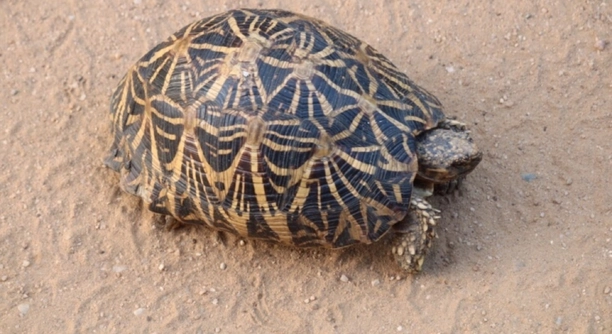
Creating the right environment for an Indian Star Tortoise can be a rewarding experience. Proper care and habitat setup are essential to ensuring your tortoise stays healthy and happy in its enclosure.
To create the ultimate Indian Star Tortoise enclosure, focus on providing the right temperature, humidity, lighting, substrate, and space. Additionally, ensure there is a secure area for basking and hiding, along with adequate food and water sources.
These key steps will guide you in setting up a safe, comfortable, and enriching habitat for your tortoise. It’s important to ensure every detail is carefully planned for their well-being.
Step 1: Choose the Right Size Enclosure
The size of the enclosure is crucial in providing enough space for your Indian Star Tortoise to roam freely. A larger enclosure allows your tortoise to move around, explore, and engage in natural behaviors. The minimum size for a single tortoise should be at least 4 feet by 2 feet for a long-term setup. If you plan to house more than one tortoise, you’ll need to increase the size accordingly to avoid stress or territorial disputes. Ensure the enclosure is high enough to prevent your tortoise from escaping, as they are skilled climbers.
A spacious enclosure allows for physical activity and can help maintain good health. An overcrowded space can lead to stress and poor living conditions for your pet.
When designing the enclosure, make sure to provide areas with different temperatures, hides, and a few obstacles for climbing and burrowing. This creates a stimulating environment where your tortoise can feel safe and secure while exploring its space.
Step 2: Maintain Proper Temperature and Lighting
Temperature and lighting are essential in replicating the tortoise’s natural environment. The enclosure should have a temperature gradient, with one side being warmer for basking and the other cooler for retreat. A heat lamp can provide the necessary warmth for basking, with temperatures ranging from 90°F to 95°F in the basking area. The cooler side should be around 75°F to 80°F, offering a comfortable space for resting.
UVB lighting is equally important to ensure your tortoise gets the necessary vitamins for healthy shell growth and metabolism. Place the UVB light over the basking area for 10 to 12 hours a day to mimic natural sunlight. Regular exposure to UVB light is crucial for tortoises kept indoors.
Be mindful of maintaining a proper day and night cycle. Keeping the lighting on a timer helps regulate this and allows your tortoise to follow a natural sleep-wake schedule.
Step 3: Use the Right Substrate
Choosing the right substrate is essential for maintaining your tortoise’s comfort and health. A good substrate should allow for burrowing and provide easy cleaning. Avoid sandy or overly dry materials, as they can cause digestive issues if ingested. Opt for organic topsoil or coconut coir mixed with a bit of sand for better drainage.
Substrate thickness should be at least 3 to 4 inches deep. This depth will allow your tortoise to burrow or dig, which is part of their natural behavior. Make sure the substrate is kept dry in the cooler areas and slightly moist in the warmer areas to maintain humidity levels.
Regular cleaning is necessary to prevent bacteria or mold buildup. Spot clean daily by removing waste and uneaten food. Change the substrate completely every few months, especially if it starts to smell or looks dirty.
Step 4: Provide Hiding Spots and Shelters
Tortoises feel safest when they have a hiding spot or shelter to retreat to. These provide security and help reduce stress. Incorporate natural shelters like logs, caves, or even commercial hides. Make sure they are large enough for your tortoise to enter comfortably but small enough to feel secure.
Hiding spots should be placed in the cooler areas of the enclosure, as tortoises use these areas to rest and cool down. Creating a safe space will allow your tortoise to escape from the heat when necessary. It also offers them a private area to sleep and feel secure.
If your tortoise is kept in an enclosure with multiple animals, it’s especially important to provide enough hiding spaces to prevent territorial conflicts. Each tortoise needs its own safe place to rest, which helps them avoid stress.
Step 5: Set Up a Proper Watering System
Providing fresh water daily is important for your tortoise’s hydration and overall health. Use a shallow dish that is easy for your tortoise to access. The dish should be large enough for them to drink from but not so deep that they could accidentally drown.
Check the water daily and change it frequently to ensure it stays clean. A water dish that is too deep could pose a drowning risk, especially for young tortoises. Make sure it’s low enough for them to easily step in and drink.
Step 6: Proper Humidity Levels
Humidity plays a big role in your tortoise’s health, especially for their shell growth and skin. Maintaining a humidity level between 40% and 60% is ideal. You can achieve this by using a humidifier or spraying the substrate with water.
Be mindful that too much humidity can cause mold or fungal growth, so keep the enclosure well-ventilated. Adjust humidity levels based on the weather and the tortoise’s specific needs. During warmer months, you might need to increase the humidity slightly.
Step 7: Offer a Balanced Diet
A proper diet is key for your tortoise’s health. Focus on providing a variety of leafy greens like collard greens, dandelion greens, and kale. Offer a mix of vegetables and occasional fruits as well. Avoid high-protein foods, as they can cause kidney issues over time.
FAQ
How often should I clean my tortoise’s enclosure?
Cleaning your tortoise’s enclosure should be done on a regular basis to maintain a healthy environment. Spot clean daily by removing waste and uneaten food. Every couple of weeks, perform a more thorough cleaning where you remove and replace the substrate. If you have a larger enclosure or multiple tortoises, cleaning frequency may need to increase. Regular cleaning helps avoid the build-up of bacteria and keeps your tortoise’s habitat fresh.
What is the best lighting for an Indian Star Tortoise?
Indian Star Tortoises need both UVB and UVA lighting to thrive. UVB light helps with calcium absorption, promoting strong shell growth and overall health. You’ll need to provide 10-12 hours of light each day using a combination of heat lamps and UVB light bulbs. A proper light setup mimics the natural sun cycle, ensuring your tortoise stays active and healthy.
Can I keep my tortoise with other animals?
It’s not always a good idea to house your Indian Star Tortoise with other animals. Tortoises are territorial and may get stressed or even aggressive towards other species. They can also catch diseases from other animals. If you choose to house them with others, make sure they have enough space and hiding spots to retreat to, and always monitor their behavior closely. It’s best to keep your tortoise in an environment where they can live peacefully without stress.
What temperature should the basking area be?
The basking area should be between 90°F and 95°F (32°C to 35°C). This temperature range is ideal for your tortoise to regulate its body temperature and aid in digestion. It’s important to create a temperature gradient in the enclosure, so the tortoise can move between warmer and cooler areas depending on its needs. Be sure to check the temperature regularly with a reliable thermometer to avoid overheating.
How do I know if my tortoise is healthy?
A healthy Indian Star Tortoise should have a smooth, firm shell and clear eyes. Their activity level should be moderate, with periods of basking, eating, and roaming. Look for signs of weight loss, lethargy, or excessive scratching, which could indicate health problems. Check for abnormal changes in their shell, as soft or cracked shells can be a sign of nutritional deficiencies. If you’re concerned, consult a vet with experience in reptile care.
What should I feed my Indian Star Tortoise?
Indian Star Tortoises are herbivores, and their diet should consist mainly of leafy greens, grasses, and some vegetables. Offer a variety of greens like dandelion, collard, or mustard greens, along with some occasional fruits like strawberries or melons. Avoid high-protein foods such as meat or processed pet foods. Ensure the diet is high in fiber and low in oxalates, as oxalates can interfere with calcium absorption.
Can I handle my tortoise often?
While Indian Star Tortoises are generally not as social or interactive as some other pets, they can tolerate handling in short sessions. Avoid frequent or rough handling, as it can cause stress. Let your tortoise come out of its shell naturally, and always support its body gently. When handling, be mindful not to drop or handle them by their shell, as it can cause injury.
Do I need to provide supplements for my tortoise?
Yes, Indian Star Tortoises require calcium and vitamin D3 supplements to help with bone and shell development. Dust their food with a calcium supplement every few days. Ensure they are also exposed to UVB light, as it helps in the natural synthesis of vitamin D3. Too much supplementation can lead to health issues, so be sure to follow proper guidelines.
Is it safe to let my tortoise roam outside?
Yes, it’s safe to let your tortoise roam outside, but you must be cautious of the environment. Make sure the area is secure, free from predators, and has a suitable temperature. A pen or enclosed garden with escape-proof walls is best. Avoid letting them roam in areas with toxic plants or pesticides. Never leave your tortoise outside unattended, as they can get into dangerous situations.
How do I prevent my tortoise from escaping?
Indian Star Tortoises are skilled climbers, and they can escape if their enclosure isn’t secure. Ensure the walls of the enclosure are tall enough, around 18 inches, and are made of a material that can’t be easily scaled. Dig the walls into the ground a few inches to prevent digging under them. Regularly check the enclosure for any weak spots, especially after cleaning or adjustments.
Final Thoughts
Creating the ideal enclosure for your Indian Star Tortoise takes effort, but it is well worth it to ensure they thrive in a healthy and comfortable environment. By focusing on factors such as proper size, temperature, humidity, and lighting, you can create a space where your tortoise can live naturally and happily. Remember that their needs will change as they grow, so it’s important to adjust the enclosure accordingly. A large, secure, and well-maintained enclosure helps your tortoise feel safe, reduces stress, and encourages natural behaviors, which is essential for their long-term well-being.
The right substrate, hiding spots, and access to clean water are key elements that contribute to a balanced habitat. A deep substrate will give your tortoise a place to dig and explore, mimicking the wild conditions they are used to. Providing a variety of food and keeping the diet healthy ensures that your tortoise stays nourished. It’s also essential to regularly check their health, including their shell, eyes, and behavior. Keep a consistent cleaning routine to prevent any build-up of waste or bacteria. Healthy living conditions and proper care should be a priority to prevent unnecessary health issues in the future.
While caring for an Indian Star Tortoise can seem like a lot of work, it’s incredibly rewarding to see them flourish in a space made just for them. The joy of watching your tortoise move around, bask, and explore is a simple but satisfying part of pet ownership. With careful planning and attention to detail, you can ensure your tortoise enjoys a healthy and fulfilling life in its new home. Taking the time to meet their needs and providing a safe, enriching environment will make a lasting difference in your tortoise’s quality of life.

Hello,
If you enjoy the content that we create, please consider saying a "Thank You!" by leaving a tip.
Every little bit helps us continue crafting quality advice that supports the health, happiness, and well-being of pets around the world, for pets of all shapes, sizes, and species.
We really appreciate the kindness and support that you show us!