
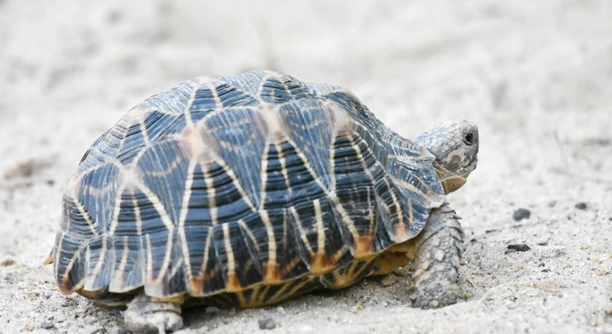
Indian star tortoises are often kept as pets due to their beautiful shells and peaceful nature. If you’re wondering about their diet, you may want to know which foods are safe for them. One common vegetable many owners wonder about is spinach.
Indian star tortoises can eat spinach, but it should only be given in moderation. Too much spinach contains high levels of oxalates, which can interfere with calcium absorption and may lead to health issues.
It’s important to balance their diet with a variety of vegetables. Learning what’s safe and how much to feed them is key to keeping them healthy and happy.
Why Spinach is a Concern for Indian Star Tortoises
Spinach is a vegetable that often pops up as a potential food for tortoises. While it may seem like a healthy option, there are concerns about feeding it too often. Spinach contains oxalates, compounds that can bind to calcium and prevent your tortoise from properly absorbing it. Over time, this can lead to calcium deficiency, which can weaken bones and shell growth. For a species like the Indian star tortoise, which requires calcium for healthy development, it’s crucial to limit their intake of spinach to avoid these negative effects.
Feeding spinach in small amounts occasionally is safe, but the risk increases when it becomes a regular part of their diet. To ensure the health of your tortoise, it’s best to offer a variety of other greens that are lower in oxalates.
The key to feeding your tortoise a balanced diet lies in moderation. Offering spinach once in a while won’t harm your pet, but don’t let it become a staple. Instead, opt for leafy greens like kale, dandelion greens, and hibiscus leaves, which are better for calcium absorption. When adding spinach, make sure it’s mixed with other vegetables to reduce its impact on calcium. Keep an eye on the portion sizes, and always provide fresh water.
How Much Spinach Is Safe?
If you’re concerned about how much spinach your tortoise can have, keep it limited. A small leaf or two can be enough, but not on a daily basis.
Even with a limited amount, it’s crucial to pay attention to the frequency of spinach offerings. The more you mix up their food, the better for their overall health. Offer a variety of calcium-rich foods, like clover or plantains, and always make sure your tortoise has access to clean water.
Alternatives to Spinach for Indian Star Tortoises
If you want to give your tortoise more variety, there are many greens that are better alternatives to spinach. Dandelion greens, collard greens, and mustard greens are all excellent choices. These are high in calcium and low in oxalates, making them much safer for your pet. You can also offer other types of leafy vegetables like kale, but be careful not to overdo it with any single type of food.
In addition to greens, tortoises enjoy other vegetables, such as carrots, squash, and bell peppers. These provide a range of nutrients and vitamins that are essential for your tortoise’s health. Mixing up their diet with a variety of vegetables ensures they’re getting the nutrients they need, without the risks associated with feeding too much spinach.
Fruits can also be offered in small amounts. Berries, melon, and papaya are popular choices for tortoises, but they should be fed sparingly. Too much fruit can upset their digestion, so always keep the portions small. A balanced, varied diet will help your tortoise stay healthy and happy.
Signs of a Calcium Deficiency
Calcium deficiency in Indian star tortoises can show up in several ways. If your tortoise’s shell is soft or shows signs of deformity, this could indicate a lack of calcium. Another sign is if your tortoise seems lethargic or has difficulty moving. A healthy tortoise should be active and have a firm shell. If you notice these signs, it’s important to address the issue as soon as possible.
To prevent calcium deficiency, always offer your tortoise calcium-rich foods and consider supplementing with calcium powder. Dusting their food with a calcium supplement, especially if their diet isn’t rich enough in calcium, is a good way to ensure they’re getting the nutrients they need. Avoid feeding them too much spinach and other oxalate-rich foods, as this can block calcium absorption. Regular exposure to sunlight also helps in calcium metabolism, so make sure your tortoise has access to natural sunlight or UVB light.
How to Safely Introduce New Foods
When introducing new foods to your tortoise, do so gradually. This allows their digestive system to adjust. Start by offering small pieces of a new vegetable or fruit and observe how they react. If they seem to enjoy it and have no issues, you can continue adding it to their diet.
Make sure any new food is cut into small, manageable pieces to avoid choking hazards. Keep in mind that some tortoises are more sensitive to certain foods than others, so monitor their behavior closely for signs of discomfort or digestive problems.
How Much Should You Feed Your Indian Star Tortoise?
Indian star tortoises should be fed a diet of primarily leafy greens and some vegetables. Offer a variety, but be mindful of portions. Typically, your tortoise should eat about the same size portion of food daily as the size of their shell.
If your tortoise isn’t eating enough or seems disinterested, it could be a sign that their diet isn’t appealing enough. Try offering fresh, varied foods to encourage a healthy appetite. Always avoid overfeeding, as this can lead to obesity and other health problems.
FAQ
Can Indian Star Tortoises eat fruit?
Yes, Indian star tortoises can eat fruit, but it should be offered in moderation. Fruits like berries, melon, and papaya are safe choices. However, fruit is high in sugar, which can upset their digestive system if fed too often. Keep fruit portions small and only offer it occasionally to avoid health issues.
Is it safe to feed Indian Star Tortoises tomatoes?
Tomatoes can be fed to Indian star tortoises in small amounts, but they should be an occasional treat. While not harmful in small quantities, tomatoes are high in acid and water content, which can upset their digestive system. Remove the seeds and skin to reduce any risks, and always serve in moderation.
Can Indian Star Tortoises eat flowers?
Yes, many flowers are safe for Indian star tortoises to eat. Flowers like hibiscus, dandelions, and clover are perfect additions to their diet. Just make sure the flowers are pesticide-free and from a safe source. Avoid feeding toxic flowers like lilies, daffodils, and tulips, as these can be harmful to your tortoise.
Can Indian Star Tortoises eat kale every day?
Kale is generally safe for Indian star tortoises, but it should not be fed every day. Kale contains compounds like goitrogens that can interfere with thyroid function if consumed in excess. It’s best to rotate kale with other greens to provide a varied diet. Offer kale in moderation as part of a balanced mix of vegetables.
How often should I feed my Indian Star Tortoise?
Indian star tortoises should be fed daily, but the amount and type of food can vary based on their age and size. Young tortoises typically require more food and should be fed once a day, while adults may only need feeding every other day. Adjust the frequency and portion sizes based on their activity levels and overall health.
Can Indian Star Tortoises eat lettuce?
Lettuce can be fed to Indian star tortoises, but it should not be a primary food source. Most types of lettuce, like iceberg, have little nutritional value and can cause diarrhea. Romaine lettuce or other dark leafy greens are better options. Always offer a variety of vegetables for a more balanced diet.
Can Indian Star Tortoises eat carrots?
Carrots can be fed to Indian star tortoises, but in moderation. They are high in vitamin A and beta-carotene, which can be beneficial. However, too many carrots can lead to an imbalance in their diet, so it’s best to feed them only a small portion a few times a week as part of a varied diet.
How much water should my Indian Star Tortoise drink?
Indian star tortoises don’t drink a lot of water, but they still need access to fresh water at all times. Provide a shallow dish where they can drink and soak if needed. It’s important to offer clean water daily, especially if your tortoise is eating dry foods or is in a warm environment.
Can Indian Star Tortoises eat cabbage?
Cabbage can be fed to Indian star tortoises, but it should only be an occasional treat. Like kale, cabbage contains goitrogens, which can interfere with thyroid function if fed in large amounts over time. Offer it in small quantities, and make sure to mix it with other greens to provide a varied diet.
How can I tell if my Indian Star Tortoise is overfed?
Overfeeding can lead to obesity in Indian star tortoises, which can cause a variety of health problems. Signs of overfeeding include a visibly swollen or bloated body, lack of activity, and difficulty moving. Monitor their weight and size regularly to ensure they are eating appropriate portions, and always provide a balanced diet.
Are there any foods I should avoid feeding my Indian Star Tortoise?
Yes, some foods should be avoided. These include high-oxalate foods like spinach (in excess), iceberg lettuce, avocado, and any food high in sugar or salt. Certain plants and flowers can also be toxic to tortoises, so it’s important to research the safety of any new food before offering it. Always stick to safe, nutritious options for your tortoise’s health.
Final Thoughts
When it comes to feeding your Indian star tortoise, it’s important to strike the right balance. While spinach can be a healthy vegetable in moderation, it should not make up a large portion of their diet. Due to the high oxalate content in spinach, too much can interfere with calcium absorption, leading to potential health problems over time. As a pet owner, it’s crucial to understand the risks and feed spinach only in small amounts, alongside other vegetables that provide a more balanced nutritional profile. Keep in mind that variety is key in your tortoise’s diet.
Indian star tortoises are herbivores that thrive on a variety of greens and vegetables. By offering a mix of calcium-rich foods like dandelion greens, collard greens, and kale, you can help ensure your tortoise gets the nutrients it needs for strong bones and a healthy shell. Fruits can be offered occasionally but should be kept to a minimum to prevent digestive issues. It’s also important to provide clean, fresh water daily, as hydration plays a significant role in their overall well-being. By being mindful of portion sizes and food choices, you’ll be able to support your tortoise’s health in the long run.
While spinach can be part of your tortoise’s diet, it’s clear that moderation and variety are essential. Feeding a diverse selection of safe vegetables and greens will help your Indian star tortoise stay active and healthy. It’s always a good idea to consult a vet if you notice any signs of illness or changes in behavior, as they can provide advice tailored to your tortoise’s specific needs. Proper care, attention to diet, and regular monitoring will keep your tortoise in good health, allowing them to thrive in their home.

Hello,
If you enjoy the content that we create, please consider saying a "Thank You!" by leaving a tip.
Every little bit helps us continue crafting quality advice that supports the health, happiness, and well-being of pets around the world, for pets of all shapes, sizes, and species.
We really appreciate the kindness and support that you show us!