
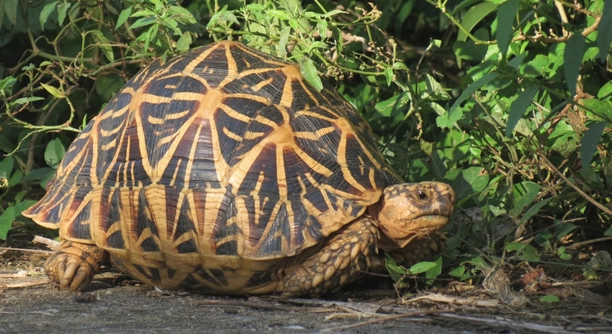
Indian Star Tortoises are known for their gentle nature and distinctive patterns. However, when adjusting to a new home, they may exhibit slow adaptation behaviors. Understanding why can help provide a better environment for them.
The slow adjustment of Indian Star Tortoises to new environments is primarily due to their cautious nature and sensitivity to change. They require time to acclimate to unfamiliar surroundings, temperature fluctuations, and new habitats, which can affect their behavior.
Recognizing these challenges can help make the transition smoother for them. Understanding their needs ensures a comfortable and stress-free environment during the adjustment period.
Unfamiliar Environments Cause Stress
Indian Star Tortoises are highly sensitive to changes in their environment. When placed in a new home, they may take longer to adapt because the unfamiliar surroundings can cause them stress. The sudden change in temperature, humidity, and even the presence of new objects can be overwhelming. Tortoises are creatures of habit and often prefer to stay in familiar environments. It’s crucial to provide them with a consistent habitat where they feel secure.
They may initially hide or move less as they adjust. It’s important to keep the environment as stable as possible to avoid causing further stress. A tortoise’s need for routine makes the process of adjusting more complex, as they will take time to feel comfortable in a new place.
By minimizing sudden changes and maintaining a calm atmosphere, they can eventually feel more at ease. Understanding this can help set realistic expectations and allow the tortoise to acclimate at its own pace.
Temperature Fluctuations Affect Behavior
Temperature is another factor that influences a tortoise’s ability to adjust. Tortoises are ectothermic, meaning they rely on external heat sources to regulate their body temperature. If the temperature in their new environment fluctuates, it can cause discomfort or stress.
Inconsistent temperatures can lead to reduced activity levels and poor eating habits. To help your tortoise adjust, create a stable temperature gradient in their habitat. This will allow them to regulate their body temperature and move to areas they feel comfortable in. A warm basking spot and a cooler area will help them acclimate at their own pace. By ensuring the temperature remains consistent, you create an environment where your tortoise can thrive. Stability is key to reducing stress during the transition period.
New Diet and Feeding Habits
When transitioning to a new home, Indian Star Tortoises may have trouble adjusting to a different diet. Changes in the types of food or feeding schedules can cause hesitation in eating. It’s important to offer familiar foods at first and gradually introduce new ones.
Tortoises often rely on routine when it comes to feeding. Any significant change in their diet can disrupt their eating habits. They may refuse to eat or eat less until they become accustomed to their new food. To help your tortoise adjust, stick to the same diet initially. Introduce new foods slowly to avoid upsetting their stomach and causing unnecessary stress.
Maintaining a stable feeding schedule will help establish trust and comfort. If a tortoise struggles with eating, it’s essential to monitor their health and ensure they are receiving the right nutrients. Patience and consistency are necessary for a smooth transition.
Space and Habitat Changes
Indian Star Tortoises are accustomed to specific types of spaces. A new habitat may initially feel too large or too small for them, impacting their comfort and movement. Ensuring their new enclosure offers plenty of space to roam is crucial.
The size and setup of the enclosure can make a significant difference in how quickly a tortoise adjusts. A spacious environment allows them to feel secure, as they can move around freely and explore their surroundings. Be mindful that smaller enclosures can create stress, while larger ones can be overwhelming if not properly structured. Adding hiding spots or familiar objects will also help them feel more at ease. A well-designed habitat promotes a quicker adjustment, reducing the time they spend feeling insecure or stressed.
Noise and Activity Levels
Indian Star Tortoises are naturally sensitive to noise and sudden movements. In their new environment, excessive noise can add to the stress, making it harder for them to settle in. A quieter space allows them to feel safer and more comfortable.
A calm environment encourages tortoises to explore their surroundings and engage in normal behavior. Loud sounds, such as children running around or pets in the area, may cause them to hide or retreat into their shell. If possible, keep their area quiet, especially in the initial days of adjustment. This will help them settle more quickly.
Health and Stress Management
Stress can affect the health of Indian Star Tortoises, making them more vulnerable to illness. When a tortoise is stressed, its immune system may weaken, leading to potential health issues. Managing stress is vital for their well-being and smooth adjustment.
To manage stress, keep their environment stable and avoid handling them too much. Allow them time to acclimate on their own and provide a stress-free habitat with familiar surroundings. Monitoring their behavior closely can help identify signs of stress early. If needed, consult a vet to ensure they are adjusting well and are in good health.
FAQ
How long does it take for an Indian Star Tortoise to adjust to a new home?
The time it takes for an Indian Star Tortoise to adjust varies. It can take anywhere from a few days to several weeks. Factors like their age, previous experiences, and the changes in their environment play a big role in how quickly they settle in. Younger tortoises or those who have had multiple home changes may take longer.
Patience is key. Provide a stable, familiar environment and avoid making rapid changes. Over time, they will begin to feel more secure and comfortable in their new home. Watching their behavior closely can give you an idea of how they are adjusting.
What should I do if my tortoise isn’t eating after moving to a new home?
If your Indian Star Tortoise isn’t eating, first check their environment. Ensure that the temperature, humidity, and lighting are suitable for them. If these factors are off, they may not feel comfortable enough to eat. Stress from the move could also cause them to stop eating temporarily.
Offer familiar food items that they enjoyed in their previous environment. Be sure to give them time to adjust without forcing them to eat. If the issue persists for more than a few days, it may be helpful to consult with a vet to rule out any health problems.
How can I make my tortoise feel more secure in a new environment?
Creating a secure environment for your tortoise involves reducing stress factors. This can include keeping the habitat quiet and consistent in temperature. Add hiding spots or shelters in the enclosure, as this gives them a safe space to retreat if they feel overwhelmed.
Familiar objects from their previous habitat, like a favorite rock or piece of wood, can also help. The more predictable and familiar the environment, the quicker your tortoise will feel secure and begin to adjust. Remember, stability and consistency are important during this time.
Can I handle my tortoise during the adjustment period?
It’s best to minimize handling during the adjustment period. Too much interaction can add to their stress and delay the settling process. Allow your tortoise time to explore its new home and get used to the changes around them.
Once your tortoise begins to eat and move freely, gentle handling can be introduced. Always handle with care, supporting their body properly. Keep in mind that each tortoise is different, so take their behavior into account before attempting to handle them too much.
Is it normal for my tortoise to hide after moving?
Yes, it’s perfectly normal for your tortoise to hide when adjusting to a new home. Hiding is a natural response to feeling uncertain or stressed. During this time, it’s important to avoid disturbing them while they seek comfort in their new surroundings.
As your tortoise becomes more comfortable with the environment, you will notice they begin to spend more time out in the open. Be patient and give them space to adjust at their own pace. Hiding is simply their way of dealing with change.
What kind of food should I offer during the adjustment period?
Stick to the foods your tortoise is used to during the adjustment period. Offering familiar greens, like dandelion leaves or collard greens, will help ease the transition. Avoid sudden dietary changes, as they may upset their stomach or cause further stress.
After they’ve settled in, you can begin to introduce new food items gradually. Fresh vegetables and fruits can be offered, but it’s important to remember that tortoises are herbivores and their diet should mainly consist of leafy greens and grasses. Always provide clean water, too.
How can I maintain the proper temperature in my tortoise’s habitat?
Maintaining the right temperature is crucial for your tortoise’s well-being. Ensure that there is a warm basking area, typically between 85-95°F (29-35°C), and a cooler area for them to move to when they want to regulate their body temperature.
Use a reliable thermometer to monitor the temperature and adjust the heat source as needed. Avoid sudden temperature fluctuations, as these can stress your tortoise and hinder their ability to adjust. Proper lighting, such as UVB lamps, will also help maintain the health of your tortoise during this time.
Why is my tortoise moving less after the move?
A reduction in movement is quite common during the adjustment period. Stress, unfamiliar surroundings, and temperature changes can make a tortoise less active. It’s important not to worry too much if your tortoise is moving less, as long as they are still eating and drinking.
Give them time to explore and feel safe in their new environment. If the inactivity persists or if they appear lethargic, it’s best to consult a vet to ensure there are no underlying health issues.
Can I add other animals to the tortoise’s habitat during the adjustment period?
It’s best to wait until your tortoise has fully adjusted to its new home before introducing any other animals. Additional animals, especially other pets, can cause stress and disturb the tortoise’s adjustment process.
Once your tortoise feels secure and is showing regular behavior, you can begin thinking about adding companions if desired. However, always consider compatibility and ensure that the new animal won’t disturb your tortoise’s peace.
Final Thoughts
Adjusting to a new home can be a challenging process for Indian Star Tortoises, as they are creatures of habit and prefer stability. The transition period may take time, and understanding their needs is essential in helping them feel comfortable. By providing a stable environment, monitoring their behavior, and ensuring they are not overly stressed, you can help your tortoise settle in at their own pace. The key is patience and a consistent approach to care, as forcing the adjustment may cause more harm than good.
During the adjustment period, creating a secure and familiar environment is crucial. This includes maintaining proper temperature, humidity, and lighting, which are all important for their physical health. Offering them the same food they ate in their previous home can help avoid dietary stress. Allowing your tortoise to take its time adjusting and providing hiding spots for safety are small but significant steps toward easing their transition. Once the basics are in place, you’ll notice gradual signs of comfort, such as eating, exploring, and moving around more freely.
While the adjustment period can feel slow, the process is temporary. In time, your tortoise will become more accustomed to its new surroundings and begin to show signs of settling in. Regularly observing their behavior can help you determine if they are adjusting well or if there are any concerns that need addressing. If your tortoise continues to show signs of stress or health problems beyond the first few weeks, it may be necessary to consult with a veterinarian for additional guidance. Ultimately, the goal is to create an environment where your tortoise feels safe and content, ensuring a long and healthy life in its new home.

Hello,
If you enjoy the content that we create, please consider saying a "Thank You!" by leaving a tip.
Every little bit helps us continue crafting quality advice that supports the health, happiness, and well-being of pets around the world, for pets of all shapes, sizes, and species.
We really appreciate the kindness and support that you show us!