
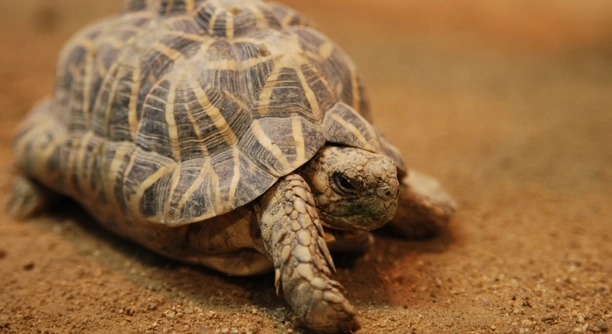
Indian star tortoises are unique pets with specific dietary needs. As a responsible owner, it’s important to ensure you are feeding them safe and appropriate foods to support their health and well-being.
Indian star tortoises should not eat rosemary as it contains compounds that can be harmful to them. A better option is to provide a balanced diet of leafy greens, vegetables, and some fruits to support their nutrition.
In the following sections, we will provide a deeper look into safe feeding practices for your Indian star tortoise and how to offer them the best diet for their health.
Why Rosemary Isn’t Suitable for Indian Star Tortoises
Rosemary, while aromatic and flavorful for humans, isn’t suitable for Indian star tortoises. This herb contains compounds like rosmarinic acid, which can be toxic to reptiles. When ingested in large amounts, it may lead to digestive issues and other health concerns. It’s important to note that rosemary is not a natural part of a tortoise’s diet and should be avoided. A tortoise’s digestive system isn’t designed to handle certain herbs, especially those with strong scents and flavors.
The main concern with rosemary is its high concentration of essential oils, which can cause gastrointestinal upset and even poisoning if consumed regularly. While some herbs can be fed in small amounts, rosemary is better left off the menu entirely. As a tortoise owner, it’s essential to pay attention to the plants you provide, as their health depends on the right balance of nutrients.
Instead, focus on offering fresh, safe plants that provide the necessary nutrients for growth and longevity. Leafy greens such as dandelion, collard greens, and mustard greens are excellent choices. These plants are rich in fiber, calcium, and vitamins, promoting healthy digestion and overall well-being. Be sure to vary the diet to avoid deficiencies.
Best Alternatives to Rosemary for Indian Star Tortoises
You may be wondering what herbs and plants are safe for your tortoise. There are several safe options to incorporate into their diet.
Dandelion greens, clover, and hibiscus flowers are just a few that are safe and beneficial for tortoises. These alternatives are high in fiber and provide essential nutrients for your pet’s well-being.
Safe Foods for Indian Star Tortoises
Indian star tortoises thrive on a diet consisting of leafy greens and some vegetables. These foods are high in essential nutrients, providing fiber and vitamins to support their overall health. Fresh greens should make up the majority of their diet, with occasional fruit as a treat.
In addition to leafy greens, you can offer them vegetables such as squash, carrots, and bell peppers. These vegetables are packed with vitamins and minerals that support the tortoise’s immune system and help maintain strong shell growth. However, avoid offering vegetables like spinach in large amounts due to its high oxalate content, which can interfere with calcium absorption.
It’s important to always wash these foods thoroughly to remove any pesticides or contaminants. Providing a balanced diet with a variety of safe foods helps ensure your tortoise receives all the nutrients it needs. Regularly changing the offerings will also keep them interested in their meals, promoting healthy eating habits.
Foods to Avoid for Indian Star Tortoises
While some foods are safe, others can be harmful or toxic to Indian star tortoises. It’s crucial to avoid feeding them any processed or sugary foods.
Foods such as iceberg lettuce, potatoes, and high-fat foods should be completely excluded from their diet. These foods provide little nutritional value and can lead to digestive problems. Iceberg lettuce, in particular, contains too much water and very few nutrients, which can cause diarrhea in tortoises. Potatoes contain solanine, a toxic compound that can be harmful to reptiles. High-fat foods, like oils or fatty meats, can contribute to obesity and other health issues over time.
Being mindful of the foods you offer will help keep your tortoise in optimal health.
How to Feed Your Indian Star Tortoise
Feeding your tortoise involves offering a variety of foods that promote good health. Ensure fresh vegetables and greens are the main part of their diet, along with occasional fruits. Avoid feeding them large amounts of fruit as it can cause digestive upset.
Always feed your tortoise in a clean area, free from contaminants. Remove any uneaten food after a few hours to prevent spoilage. Providing a shallow dish of clean, fresh water daily is also essential for hydration and digestion. Make sure the water is changed regularly to keep it fresh.
Regular feeding schedules help establish healthy eating habits for your tortoise. Offer food daily, but adjust the portion sizes based on your tortoise’s age and activity level. Keep in mind that a balanced diet is key to their long-term health.
How Often to Feed Your Indian Star Tortoise
Indian star tortoises typically require daily feeding. However, younger tortoises may require slightly more food as they are growing.
As they mature, feeding every other day may suffice, though younger tortoises need to eat more frequently for proper growth and development. Adjust the amount of food based on their appetite and size. You can monitor their weight to ensure they are receiving enough food.
FAQ
Can Indian star tortoises eat fruits?
Yes, Indian star tortoises can eat fruits, but in moderation. Some safe options include strawberries, apples, and melons. However, fruits should only be offered as occasional treats because they are high in sugar and can upset the tortoise’s digestive system. Overfeeding fruits can lead to obesity and other health issues. Always remove any uneaten fruit from their enclosure to prevent spoilage. Stick to feeding them primarily leafy greens and vegetables for the majority of their diet.
Is it safe to feed Indian star tortoises leafy greens?
Leafy greens are an essential part of an Indian star tortoise’s diet. Greens like dandelion, collard greens, and mustard greens are great options. These plants provide important nutrients such as fiber, calcium, and vitamins. It’s important to rotate different types of leafy greens to prevent dietary imbalances. Avoid iceberg lettuce as it has little nutritional value and too much water. Offering a variety of greens ensures they receive a broad range of essential nutrients, contributing to their overall health.
Should I provide calcium supplements for my Indian star tortoise?
Calcium is crucial for the health of Indian star tortoises, especially for their shell development. If your tortoise is not getting enough calcium from its diet, you may need to supplement it. You can use a calcium powder supplement, which is available at most pet stores. Dust the food with the supplement a few times a week. However, over-supplementation can be harmful, so it’s essential to follow the recommended guidelines and consult a vet if you’re unsure about the right amount.
Can Indian star tortoises eat flowers?
Yes, many types of flowers are safe for Indian star tortoises to eat. Hibiscus flowers, dandelions, and clover are common choices. These flowers are not only safe but can also add variety and interest to their diet. Ensure the flowers are pesticide-free before feeding them to your tortoise. Always offer them in moderation to avoid overfeeding. Some flowers may be toxic, so it’s crucial to research any flower before offering it to your tortoise. Only feed flowers from safe sources to avoid harmful chemicals.
How do I know if my Indian star tortoise is eating enough?
You can tell if your Indian star tortoise is eating enough by monitoring its behavior and weight. A healthy tortoise will be active, alert, and have a healthy appetite. If your tortoise is consistently not eating or losing weight, it may indicate an issue with its diet or overall health. Always offer food in amounts appropriate for its size and age. Young tortoises may require more food than adults. Regularly check its weight to ensure it’s not under or overweight. If in doubt, consult a vet to rule out any underlying health problems.
Can Indian star tortoises eat kale?
Kale can be fed to Indian star tortoises, but only in moderation. It contains oxalates, which can bind to calcium and interfere with its absorption. While kale is not toxic, feeding too much can lead to calcium deficiency over time. For a balanced diet, it’s best to offer kale occasionally and mix it with other greens like dandelion leaves and collard greens. This ensures a more balanced nutrient intake and reduces the risk of calcium imbalances. Always vary the greens to avoid over-reliance on any one type.
What is the best temperature for feeding my Indian star tortoise?
The best temperature for feeding your Indian star tortoise is between 75°F and 85°F (24°C and 29°C). It is essential to maintain a proper ambient temperature in their enclosure to support digestion. If the temperature is too low, their metabolism may slow down, making it harder for them to process food. A basking area should be provided at a higher temperature, around 90°F (32°C), for optimal health. Always monitor the temperature with a thermometer to ensure a consistent and suitable environment for your tortoise.
Can Indian star tortoises eat cucumber?
Yes, Indian star tortoises can eat cucumber in moderation. Cucumbers are mostly water, which can help keep your tortoise hydrated. However, they are low in nutrients, so they should not be the primary food source. Offer cucumbers occasionally, and pair them with nutrient-dense vegetables and greens. Avoid overfeeding cucumbers as they can lead to diarrhea due to their high water content. Always remove any uneaten cucumber after a few hours to prevent spoilage and ensure your tortoise’s habitat remains clean.
Is it necessary to give my Indian star tortoise water daily?
Yes, it’s crucial to provide fresh water daily for your Indian star tortoise. Hydration is essential for their digestion and overall health. Tortoises may not drink water immediately, but they will hydrate as needed. A shallow dish of water should be placed in their enclosure, and it should be changed regularly to ensure it’s clean and fresh. Some tortoises may also enjoy soaking in the water, which can aid in digestion and hydration. Keep an eye on the water level, as it should be accessible but not too deep to avoid drowning risks.
How can I tell if my Indian star tortoise is healthy?
A healthy Indian star tortoise will display active and alert behavior. Their shell should be firm and smooth, with no signs of injury or deformities. Their eyes should be clear and bright, not swollen or cloudy. If your tortoise is eating well, drinking water regularly, and moving around its enclosure, it’s a good sign of good health. Regular weight checks are also essential to ensure your tortoise isn’t under or overweight. If you notice changes in their behavior, appetite, or appearance, it’s a good idea to consult a veterinarian to rule out any health issues.
Final Thoughts
Indian star tortoises are relatively low-maintenance pets, but they do require a balanced diet and proper care to thrive. Ensuring that they have access to the right foods is essential for their long-term health. A varied diet that includes leafy greens, safe flowers, and the occasional fruit will help provide the necessary nutrients they need to grow strong and healthy. It is important to avoid overfeeding fruits and high-water content foods like cucumber, as they can cause digestive issues.
Offering fresh water daily is another vital aspect of their care. While Indian star tortoises may not drink large amounts, they still need to stay hydrated. Providing clean, shallow water in their enclosure ensures they have access when needed. Alongside water, a proper temperature range should be maintained to support their digestion. Keeping the environment consistent with a basking spot at the right temperature encourages good metabolism and overall well-being.
By following safe feeding practices and offering a variety of foods, you can help ensure that your Indian star tortoise lives a healthy, happy life. Monitoring their weight, observing their eating habits, and providing proper care will keep them in good health. Regular visits to the vet, if necessary, can also help prevent health issues. With the right attention and care, your tortoise can thrive for many years.

Hello,
If you enjoy the content that we create, please consider saying a "Thank You!" by leaving a tip.
Every little bit helps us continue crafting quality advice that supports the health, happiness, and well-being of pets around the world, for pets of all shapes, sizes, and species.
We really appreciate the kindness and support that you show us!