
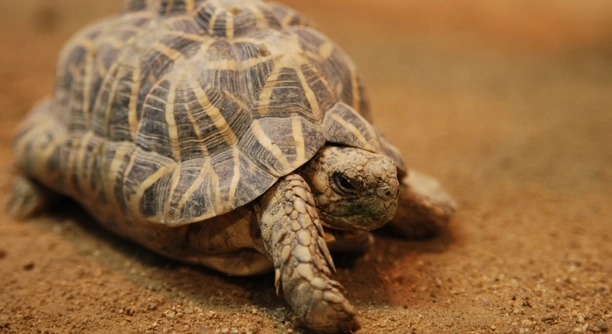
Indian star tortoises are unique creatures with specific dietary needs. While they enjoy various vegetables, it’s essential to understand what’s safe for them. Brussel sprouts may seem like a healthy choice, but are they suitable for your tortoise?
Indian star tortoises can eat Brussel sprouts, but moderation is key. These vegetables contain goitrogens, which can affect thyroid function if consumed in large amounts. Therefore, it’s important to offer Brussel sprouts occasionally, ensuring a balanced diet.
Understanding their dietary requirements ensures your tortoise stays healthy and thrives. It’s vital to provide a variety of foods that support their well-being without risking nutrient imbalances.
Nutritional Value of Brussel Sprouts for Tortoises
Brussel sprouts are rich in vitamins and minerals, which are beneficial to many animals. They contain vitamin C, fiber, and potassium, all of which contribute to the overall health of a tortoise. These vegetables also provide essential antioxidants, which can help strengthen the immune system. However, their high content of goitrogens and oxalates means they should only be given in small amounts to prevent health issues such as thyroid imbalances and kidney problems. The key is balance; too many Brussel sprouts could lead to health concerns, so moderation is essential.
While Brussel sprouts provide some health benefits, they should not form a large part of a tortoise’s diet. These veggies can be offered as an occasional treat, but a varied diet with leafy greens, grasses, and other vegetables is crucial to keep your tortoise healthy. Ensuring your tortoise eats a wide range of food helps avoid nutrient imbalances that could impact its well-being.
A well-rounded diet for an Indian star tortoise includes a variety of vegetables, fruits, and grasses. While Brussel sprouts can be part of the diet, offering them too frequently could disrupt thyroid function and calcium absorption. It’s best to rotate different vegetables, including dandelion greens, collard greens, and kale. Supplementing with occasional fruits like strawberries or melon adds variety. A balanced diet prevents the risk of potential health problems and supports the long-term health of your tortoise. Avoid feeding Brussel sprouts in large quantities and offer them sparingly to ensure your tortoise gets the best nutrition.
Other Vegetables to Include
When considering your tortoise’s diet, a variety of greens is essential.
Adding dark, leafy greens like collard greens and dandelion greens offers a rich source of calcium, which is vital for shell health. Unlike Brussel sprouts, these vegetables do not contain goitrogens and can be fed regularly.
Potential Risks of Feeding Brussel Sprouts
Overfeeding Brussel sprouts can lead to several potential issues. The high levels of goitrogens in these vegetables can interfere with thyroid function if consumed too often. In large quantities, they may cause metabolic imbalances or hinder calcium absorption. Moderation is crucial to prevent these problems and maintain a balanced diet.
While Brussel sprouts are a healthy vegetable, they should only be fed occasionally. They contain oxalates that can bind to calcium and prevent its absorption, potentially leading to calcium deficiencies over time. This can weaken the tortoise’s shell and bones, making it more susceptible to fractures or deformities. A balanced diet with low-oxalate vegetables can help avoid these issues.
It’s also important to consider that each tortoise is different, and some may have a stronger tolerance for certain vegetables than others. However, it’s generally safer to err on the side of caution and limit Brussel sprout intake. Offering a variety of other vegetables and greens ensures your tortoise is getting the best nutrition without putting its health at risk.
How to Properly Serve Brussel Sprouts
When preparing Brussel sprouts for your tortoise, avoid serving them raw in large quantities.
To reduce the goitrogen content, lightly steaming or boiling the sprouts can help. This softens them and makes them easier to digest, while also reducing the level of harmful compounds. Always chop them into small pieces to avoid choking hazards.
Signs of Overfeeding Brussel Sprouts
Overfeeding Brussel sprouts can cause digestive issues in tortoises. Symptoms may include bloating, lethargy, or unusual stool. If you notice any of these signs after feeding Brussel sprouts, it’s important to adjust their diet and consult a veterinarian for advice.
Feeding too many Brussel sprouts may also result in thyroid problems. If a tortoise is frequently fed goitrogenic foods, you might notice changes in behavior, like reduced activity or difficulty shedding. These signs can indicate thyroid issues that may require medical attention. It’s essential to monitor your tortoise’s overall health.
Nutritional Alternatives for a Healthy Tortoise Diet
Other vegetables are a better source of nutrients and can be offered more regularly.
Leafy greens like collard greens, mustard greens, and dandelion greens are great substitutes. These vegetables offer a higher calcium-to-phosphorus ratio, which is essential for shell and bone health. Additionally, grasses like timothy hay are an excellent addition to the diet. They provide fiber, which aids digestion and helps maintain a healthy weight. Always ensure a mix of greens and vegetables for a well-rounded diet.
Managing Treats in a Tortoise’s Diet
Brussel sprouts can be a rare treat, not a staple in your tortoise’s diet.
Limiting the number of treats ensures your tortoise gets the right balance of nutrients. Avoid feeding Brussel sprouts more than once or twice a week.
FAQ
Can Indian star tortoises eat Brussel sprouts every day?
No, it is not recommended to feed Indian star tortoises Brussel sprouts every day. While they can eat them occasionally, these vegetables contain goitrogens and oxalates, which can negatively affect their thyroid and calcium absorption if consumed frequently. Moderation is key to ensure their health remains optimal.
What are the risks of overfeeding Brussel sprouts to a tortoise?
Overfeeding Brussel sprouts can lead to thyroid issues due to the goitrogens they contain. Excessive consumption can also cause digestive problems and reduce calcium absorption, which is essential for maintaining a healthy shell. It’s best to limit Brussel sprouts to occasional servings and ensure variety in their diet.
How often can I feed Brussel sprouts to my tortoise?
Brussel sprouts should be offered no more than once or twice a week. Offering them too frequently can lead to health complications like thyroid imbalances and calcium deficiency. It’s important to mix in other vegetables and greens that are safer for regular consumption to keep the diet balanced.
Are there any other vegetables I should avoid feeding my tortoise?
Yes, there are several vegetables to avoid feeding your tortoise regularly. These include spinach, beet greens, and Swiss chard, as they contain high levels of oxalates, which can bind to calcium and hinder its absorption. These vegetables can also contribute to kidney issues if consumed too often. Always opt for leafy greens like dandelion greens or collard greens instead.
Can Brussel sprouts be served raw?
Brussel sprouts can be served raw, but it’s better to lightly steam or blanch them before offering them to your tortoise. This reduces the goitrogen levels and makes the vegetable easier to digest. Avoid serving raw Brussel sprouts in large amounts to minimize the risk of digestive upset.
How should I prepare Brussel sprouts for my tortoise?
When preparing Brussel sprouts, chop them into small, manageable pieces to avoid choking hazards. If you choose to steam or blanch them, make sure they are cool before serving. You can offer them alongside other vegetables like collard greens or grasses for added nutrition.
Can I feed my tortoise other cruciferous vegetables?
Yes, other cruciferous vegetables like kale, cabbage, and broccoli can be fed to tortoises in moderation. These vegetables also contain goitrogens, so they should not be offered frequently. Occasionally feeding them is fine, but variety is essential for a balanced diet. Be sure to provide a range of leafy greens and safe vegetables.
What are the signs of a calcium deficiency in my tortoise?
Signs of calcium deficiency in tortoises include soft or deformed shells, weak bones, and abnormal behaviors such as lethargy or difficulty moving. If you notice these signs, consult a veterinarian. Offering more calcium-rich foods like leafy greens and certain fruits can help improve calcium intake and prevent further issues.
How do I ensure my tortoise is getting enough calcium?
To ensure your tortoise gets enough calcium, provide calcium-rich foods like collard greens, dandelion greens, and cactus pads. You can also offer a calcium supplement, but it should be done carefully. Avoid over-supplementing, as too much calcium can lead to kidney problems. A varied diet is the best approach.
Can feeding Brussel sprouts cause kidney problems in my tortoise?
Feeding Brussel sprouts in large amounts may contribute to kidney problems due to their high oxalate content. Oxalates can bind to calcium and cause issues with calcium absorption, potentially leading to kidney stones or other renal issues. It’s best to offer them sparingly and maintain a diverse diet to support kidney health.
What should a balanced diet for an Indian star tortoise look like?
A balanced diet for an Indian star tortoise includes a variety of leafy greens, such as collard greens, dandelion greens, and mustard greens. You should also provide grasses, like timothy hay, and occasional fruits. Limit high-oxalate vegetables and offer calcium-rich foods to support shell and bone health. Rotate different foods to ensure nutritional variety.
Are there any benefits to feeding Brussel sprouts to my tortoise?
Brussel sprouts do have some nutritional benefits, such as being a good source of fiber, vitamin C, and potassium. These can support overall health and immunity. However, due to the potential health risks, they should only be offered occasionally, and their consumption should never replace other more suitable vegetables.
How do I monitor my tortoise’s health after feeding Brussel sprouts?
Keep an eye on your tortoise for any signs of digestive upset, like bloating or changes in stool consistency, after feeding Brussel sprouts. If you notice lethargy, difficulty shedding, or changes in activity level, it may be a sign of thyroid or calcium issues. Always adjust their diet accordingly and seek veterinary advice if needed.
Can I feed my tortoise Brussel sprouts along with other vegetables?
Yes, you can mix Brussel sprouts with other vegetables, but it’s important to limit their quantity. Offering a combination of safe, calcium-rich vegetables like collard greens, kale, and dandelion greens is a good strategy. This ensures a balanced diet while minimizing the risks associated with feeding Brussel sprouts.
Final Thoughts
Brussel sprouts can be a healthy addition to an Indian star tortoise’s diet, but they should be offered in moderation. They provide some beneficial nutrients like fiber, vitamin C, and potassium, which support overall health. However, their goitrogenic properties and high oxalate content mean that feeding them too often could lead to thyroid problems or calcium absorption issues. Balancing your tortoise’s diet with a variety of vegetables and greens will ensure they receive the proper nutrition without the risks associated with overfeeding Brussel sprouts.
When considering Brussel sprouts for your tortoise, it’s essential to be aware of the potential health impacts. Feeding them once or twice a week, in small amounts, is usually safe. However, it’s crucial to pay attention to your tortoise’s overall health, looking for any signs of digestive discomfort or changes in behavior. If you notice any unusual symptoms like bloating, lethargy, or difficulty shedding, it may indicate an underlying health issue related to their diet. In such cases, reducing or eliminating Brussel sprouts from their meals is a necessary step.
A balanced diet is key to keeping your Indian star tortoise healthy. Providing a variety of leafy greens, grasses, and calcium-rich vegetables ensures that your tortoise gets the right nutrients for strong bones, a healthy shell, and proper digestion. While Brussel sprouts can be a part of that variety, they should not dominate their diet. The goal is to offer a range of foods that are both safe and nutritious, supporting your tortoise’s long-term well-being.

Hello,
If you enjoy the content that we create, please consider saying a "Thank You!" by leaving a tip.
Every little bit helps us continue crafting quality advice that supports the health, happiness, and well-being of pets around the world, for pets of all shapes, sizes, and species.
We really appreciate the kindness and support that you show us!