
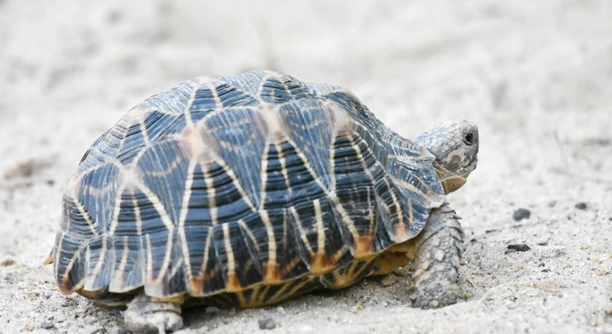
Breeding Indian Star Tortoises can be a rewarding experience for enthusiasts. However, it requires attention to specific conditions to ensure their health and success. Understanding the essentials can make a significant difference in your breeding efforts.
Indian Star Tortoise breeding success depends on providing optimal environmental conditions, proper nutrition, and a stress-free habitat. Maintaining a balanced diet, ideal temperature, humidity, and appropriate nesting areas will promote healthy breeding and hatching.
With the right knowledge, you can create a thriving environment for your tortoises. These tips will help set the foundation for a successful breeding experience.
Proper Habitat Setup
Creating the right environment is essential for breeding success. Indian Star Tortoises need a warm, dry area with access to shade and humidity. They also require a spacious enclosure with hiding spots and a nesting area. Ensure the space is free of hazards and large enough for the tortoises to move freely. A proper habitat reduces stress and allows natural behavior to occur, which is key for breeding.
To achieve a stable environment, focus on proper lighting, heat, and ventilation. Provide a basking spot with a temperature around 95°F (35°C) and a cooler area between 75-80°F (24-27°C). Monitor humidity levels, keeping them between 50-60%.
Regularly check the condition of your tortoises’ enclosure and adjust temperatures or humidity as needed. These small changes can help create a thriving space for your tortoises to mate and lay eggs. Without the right setup, it’s difficult to achieve success in breeding. Ensuring a stable habitat is one of the first steps toward a healthy breeding process.
Proper Diet and Nutrition
A balanced diet supports breeding efforts. Offer fresh vegetables, fruits, and occasional protein to maintain health.
Feeding Indian Star Tortoises requires care in selecting appropriate foods. Fresh leafy greens, such as dandelion greens and collard greens, make up the majority of their diet. Include some fruits, like apples or pears, but feed them sparingly. Too much fruit can lead to digestive problems.
Provide calcium supplements to support shell growth and egg production. The right food intake ensures that the tortoises remain healthy and prepared for successful breeding. Proper nutrition directly influences the fertility and overall health of the tortoises, so be mindful of their diet.
Temperature and Humidity Control
Maintaining consistent temperatures and humidity levels is critical. Indian Star Tortoises need a warm environment for breeding. Keeping the right balance will help your tortoises thrive during the mating season.
For breeding, aim for temperatures of around 80°F (27°C) during the day. At night, temperatures should drop slightly to 70-75°F (21-24°C). Consistent warmth helps stimulate mating behaviors and ensures egg development. In addition to temperature control, monitor humidity levels. Humidity should be kept between 50-60%, as it supports healthy digestion and proper shell growth. Regularly check temperature and humidity to maintain a balanced environment.
If humidity is too high or low, it can affect your tortoises’ health and egg viability. Excess moisture can lead to respiratory issues, while low humidity can result in dehydration. Pay attention to your tortoises’ behavior and adjust accordingly to keep the environment stable and conducive to breeding.
Nesting Areas
A proper nesting site is essential for the reproductive process. Indian Star Tortoises prefer to dig in loose soil to lay their eggs.
Ensure the nesting area is spacious and deep enough to allow the female to dig and bury her eggs. The substrate should be a mix of sand and soil, providing a secure, natural environment. Avoid using overly compacted or artificial materials, as these hinder digging. Allow the female tortoise plenty of time and space to build her nest. Be patient and allow her to perform the process naturally. A healthy, well-prepared nesting area encourages successful egg laying.
After eggs are laid, avoid disturbing the nest. Monitor the area for any signs of problems, but let the tortoises handle the nesting process. The right setup gives the female a comfortable environment for egg laying, increasing the chances of a successful breeding season.
Handling the Eggs
After laying, it’s important to carefully handle the eggs. Gently remove them from the nesting area without damaging them.
Use a soft, clean tool to lift the eggs and place them in an incubator or container with the same orientation as when they were laid. This prevents any harm to the developing embryos.
The eggs need to be placed in a controlled environment. Incubators should maintain a temperature between 85-88°F (29-31°C) for optimal hatching conditions. Keep humidity levels steady around 80%, as excessive moisture or dryness can impact egg development. Monitor regularly and adjust the settings as needed.
Breeding Season
Breeding seasons typically occur during warmer months. The timing can vary depending on local climate conditions and the specific tortoise’s needs.
During breeding season, females become more active, and males may display mating behaviors. This can include chasing and head-bobbing. Keep the males and females together during this time but watch for aggression. Separating them when necessary prevents stress and injury, encouraging successful mating. Monitor closely to ensure a stress-free breeding environment for both genders.
Post-Breeding Care
Once breeding is complete, focus on post-breeding care. Ensure that females have enough space to rest and recuperate after laying eggs.
Monitor their health and reduce handling to minimize stress. Provide extra calcium to help with shell strength and egg production. Ensure their diet continues to be balanced, focusing on fresh greens and appropriate supplementation. A calm environment helps them recover and prepares them for future breeding cycles.
FAQ
What is the ideal temperature for Indian Star Tortoise breeding?
The optimal temperature for breeding should range between 80°F (27°C) during the day and 70-75°F (21-24°C) at night. These conditions help stimulate mating behaviors and ensure healthy egg development. A consistent temperature is necessary for successful breeding and hatching.
How do I create the right habitat for my tortoises?
Provide a spacious enclosure with hiding spots and natural substrates like soil and sand. Ensure there is access to both heat and shade to help regulate their body temperature. A secure environment without sharp objects or risks is essential for tortoises to thrive. Make sure the humidity levels are kept at 50-60%.
Can I keep multiple males and females together?
It is possible to keep multiple tortoises in one enclosure, but you should monitor their interactions carefully. Males can sometimes be aggressive, especially during mating season. If aggression occurs, it’s best to separate them to prevent injury or stress. Maintain a low-stress environment for all tortoises.
How often should I feed my Indian Star Tortoise?
Feed your tortoises every day, offering a variety of greens, fruits, and vegetables. They need a balanced diet to remain healthy and prepare for breeding. It’s important to include calcium supplements to promote strong shells and support egg production in females. Limit fruits to avoid excess sugar intake.
What should I do if my tortoise isn’t mating?
If mating isn’t occurring, check for signs of stress or environmental issues. Ensure that the temperature, humidity, and habitat conditions are ideal. Sometimes, males may need encouragement by ensuring there is a proper nesting site and multiple females present. Reducing stress can help increase mating success.
How long does it take for Indian Star Tortoise eggs to hatch?
The incubation period for Indian Star Tortoise eggs is generally around 120-150 days, depending on temperature and humidity. Higher temperatures can speed up the process, but it’s crucial to maintain steady conditions. Regularly check the eggs for any signs of mold or other issues.
Should I handle the eggs after they are laid?
Handling the eggs should be minimal. Only move them if absolutely necessary, and always do so gently to avoid damaging them. When relocating, ensure the eggs remain in the same orientation as when laid. This helps prevent harm to the embryos inside.
What is the best way to incubate tortoise eggs?
Use a reliable incubator to maintain a temperature of 85-88°F (29-31°C) with humidity around 80%. Keep the eggs in an incubator until they hatch, ensuring there is enough air circulation. Do not disturb the eggs frequently, as this can disrupt the incubation process.
Can Indian Star Tortoises breed year-round?
No, Indian Star Tortoises typically breed during warmer months when environmental conditions are most favorable. Breeding usually happens in spring or summer. Their natural cycles align with the temperature and humidity changes, making it crucial to mimic those conditions during breeding season.
How do I prevent health problems in breeding tortoises?
To avoid health issues, maintain a clean and stable environment. Provide a varied, nutritious diet and monitor temperature and humidity. Make sure tortoises have access to UVB light, which is vital for calcium absorption and overall health. Prevent stress by avoiding overcrowding and frequent handling.
Can I expect all the eggs to hatch successfully?
Not all eggs will necessarily hatch. Various factors, such as improper temperature or humidity, can cause eggs to fail. It’s important to monitor the incubation conditions and check the eggs regularly for any signs of mold or abnormalities. Some eggs may not be viable from the start.
How can I tell if my tortoise is ready to breed?
Mature tortoises typically begin breeding between 5-7 years of age. During the breeding season, males may start exhibiting head-bobbing and chasing behavior. Females will show interest in nesting sites and may become more active. The signs indicate that they are physically and behaviorally ready for breeding.
How can I care for my tortoises after they lay eggs?
Once eggs are laid, minimize disturbances. Ensure the female tortoise has enough time to rest and recover. Continue providing a balanced diet and extra calcium to support her post-laying health. Ensure the environment remains calm and free from stress, which could impact her recovery and future breeding.
What are the signs that the eggs are close to hatching?
You may notice small cracks or the eggs slightly shifting when nearing hatching time. The eggs will also become more translucent as the embryos grow inside. After several months, the tortoises will begin to emerge from the shells, though they may take several days to fully hatch.
Is it necessary to keep the tortoises together during breeding?
Yes, keeping the tortoises together during breeding season helps facilitate natural mating behaviors. However, it is important to monitor them closely. If aggression occurs, separate them to prevent stress or injury. Ensure that the enclosure has enough space for both males and females to avoid territorial issues.
What should I do if my tortoise refuses to lay eggs?
If a female tortoise refuses to lay eggs, it may be due to stress, an improper nesting site, or environmental factors. Ensure she has access to a suitable nesting area and the correct temperature and humidity. If the problem persists, it might be best to consult a veterinarian for advice.
How can I tell if my tortoise is healthy enough to breed?
A healthy tortoise is active, has a strong shell, and is eating regularly. Before breeding, make sure the tortoise is free from any illness or parasites. A veterinarian can help assess the health of your tortoises to ensure they are fit for breeding.
What should I do if I see signs of aggression between tortoises?
If aggression occurs, separate the tortoises immediately to prevent injury. Make sure the males and females have enough space, and provide multiple nesting sites to avoid territorial disputes. Stress can impact breeding success, so reducing conflict is essential for a successful breeding environment.
Final Thoughts
Breeding Indian Star Tortoises requires careful attention to detail and a good understanding of their natural needs. The key factors that contribute to successful breeding include maintaining the right environmental conditions, providing a balanced diet, and creating a stress-free environment for the tortoises. By mimicking their natural habitat as closely as possible, you can help your tortoises thrive and increase the chances of successful mating and hatching. This means controlling temperature, humidity, and ensuring that they have access to both a heat source and areas for shelter. Regular checks on their health and well-being also play a crucial role in ensuring a positive outcome.
It’s important to recognize that breeding tortoises is a long-term commitment that requires patience and dedication. The process doesn’t happen overnight, and you may face some challenges along the way. However, by staying consistent with care and monitoring the breeding environment, the process can become more predictable and successful. When breeding, consider both the male and female’s physical health, and make sure they are mature enough to handle the stresses of mating and egg-laying. Providing extra calcium and nutrients will support their health, particularly for females who need it to develop healthy eggs and recover post-laying.
Overall, successful Indian Star Tortoise breeding is possible with the right approach and a clear understanding of their needs. By focusing on the essentials, such as habitat, diet, and proper care, you create an environment where your tortoises can breed naturally. While the process may take time, the rewards of seeing new tortoises hatch from the eggs are well worth the effort. Keep learning and adapting based on the needs of your specific tortoises, and be prepared to adjust care as needed. Patience, consistency, and attention to detail will go a long way in ensuring a successful breeding experience.

Hello,
If you enjoy the content that we create, please consider saying a "Thank You!" by leaving a tip.
Every little bit helps us continue crafting quality advice that supports the health, happiness, and well-being of pets around the world, for pets of all shapes, sizes, and species.
We really appreciate the kindness and support that you show us!