
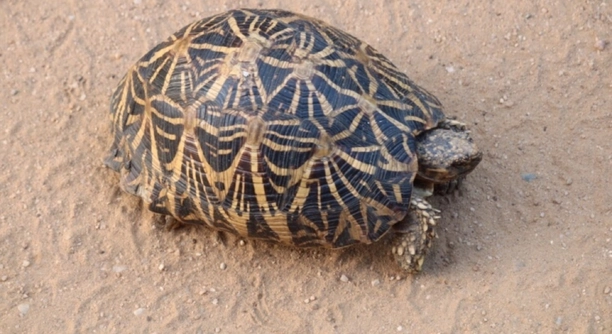
Indian Star Tortoises are popular pets due to their striking appearance. If you have one, you may wonder about their climbing abilities and how to keep them safe. Understanding their behavior can help ensure their well-being.
Indian Star Tortoises are not natural climbers. Their domed shells and heavy bodies make it difficult for them to climb, but they may attempt to scale low obstacles. Providing a secure environment is important to prevent accidental falls or injuries.
Creating a safe space for your tortoise involves understanding their limitations. Implementing safety measures will protect them and enhance their environment.
Can Indian Star Tortoises Climb?
Indian Star Tortoises have a naturally slow pace and are not built for climbing. Their domed shells and sturdy legs make them excellent at walking on flat surfaces but not ideal for scaling obstacles. Though they can attempt to climb low structures, their weight and body shape limit their ability to climb effectively. They are ground-dwelling creatures and do not possess the climbing instincts of other reptiles, like some lizards. Therefore, you won’t usually see them attempting to scale higher areas or escape from their enclosures. Keeping their environment secure is important for their safety.
Indian Star Tortoises are happiest when their habitat reflects their natural ground-based lifestyle. Providing a flat and secure space reduces the chance of climbing accidents. They may try to climb a low fence, but it is rare for them to make it far.
When setting up a habitat, it’s essential to consider factors that prevent climbing. A secure barrier should be tall enough to keep them from attempting to climb. Ensure the enclosure is spacious enough for movement and that there are no easily reachable escape routes. Regularly inspect the enclosure for weak spots or areas where the tortoise might try to escape. Ensuring their environment is free from potential climbing hazards will help keep them safe from falls and injuries.
Safety Tips for Your Indian Star Tortoise
Your tortoise will be safest in a secure, flat space. It’s essential to provide barriers that prevent any possible climbing attempts. Safety should always be a priority.
Make sure the walls of the enclosure are high enough to keep your tortoise inside. Indian Star Tortoises may try to climb but are unlikely to succeed if they are kept in a properly sized habitat. Keep the space clean and check for cracks or weaknesses in the enclosure. They can be surprisingly resourceful if given the chance, so regular maintenance is key to ensuring their safety.
Why Do Indian Star Tortoises Attempt to Climb?
Indian Star Tortoises may attempt climbing out of curiosity or when seeking a better view of their surroundings. They do not climb as an instinctive behavior but may explore their space, especially when trying to find food or an escape route. While they are not natural climbers, they are capable of testing their environment.
If a tortoise senses an obstacle, it might try to climb it. This is usually a sign of a need for more space or enrichment. Their natural instincts encourage exploration, even if it’s not ideal for climbing.
It’s also possible for them to be seeking warmth or a better spot within their enclosure. In the wild, tortoises often seek out sunbathing spots, and the desire to reach such areas may trigger climbing attempts. Offering enough variety in their environment can discourage such behavior.
How to Prevent Your Tortoise from Climbing
To reduce climbing attempts, create a secure, spacious habitat. Ensuring the enclosure has tall, smooth walls will deter the tortoise from trying to climb. You can also add natural obstacles like rocks or plants that help keep them grounded.
Keep in mind that Indian Star Tortoises are curious creatures. If they sense a way out, they might test their limits. It’s important to create an environment where they can explore and engage without facing escape risks. Regularly adjust their space and remove anything that could tempt them to climb. Consider covering the walls with smooth surfaces to make it more difficult for them to grip onto.
Signs of Potential Injury from Climbing
Indian Star Tortoises are prone to injury if they attempt to climb and fall. Injuries can range from minor scrapes to more serious fractures, especially if they fall from any height. Always keep an eye on their behavior to prevent accidents.
If your tortoise begins to climb, it’s important to monitor them closely. A fall can result in painful injuries that affect their movement and overall health. Make sure to check for any signs of distress or discomfort, especially after a climbing attempt. If you notice anything unusual, seek veterinary attention immediately.
Creating a Safe Environment
Providing a safe, secure environment is essential for your tortoise’s health and well-being. Keep their habitat free from anything they might use as a climbing tool. Consider using smooth, tall barriers or enclosures with no sharp edges.
Additionally, ensure that there are no gaps in the walls that could encourage climbing. A well-constructed enclosure will keep your tortoise safe and reduce the risk of falls or escapes. Regularly inspect the habitat to ensure everything is secure. Make changes if necessary to maintain a risk-free environment.
FAQ
Can Indian Star Tortoises climb fences?
Indian Star Tortoises are not natural climbers, but they may attempt to scale low fences or enclosures. Their domed shells and heavy bodies make climbing difficult, but they may try if they feel curious or confined. Providing a higher barrier that is smooth and without footholds is the best way to prevent climbing.
What should I do if my tortoise tries to climb?
If your tortoise tries to climb, assess the situation carefully. Ensure that the enclosure is secure and that there are no gaps or objects they can use to push themselves up. You can also provide enrichment in their environment to distract them from climbing, such as hiding food or creating different textures they can explore on the ground.
How high should the walls of my tortoise’s enclosure be?
The walls of your tortoise’s enclosure should be at least 12 to 18 inches high to prevent climbing. This height is generally sufficient to discourage them from attempting to scale it. Avoid barriers that have rough or uneven surfaces that might give them footholds. Smooth walls will reduce their chances of climbing successfully.
Is it okay for my tortoise to climb sometimes?
While Indian Star Tortoises are not built for climbing, they can sometimes attempt to do so. It’s not inherently harmful if the climbing is minimal and the tortoise isn’t at risk of falling. However, it’s important to keep a close eye on them, as falls can lead to injuries. Ensuring a secure environment is always the best practice.
How can I make my tortoise’s habitat more engaging without encouraging climbing?
To keep your tortoise engaged, you can offer a variety of safe, low obstacles like rocks or shallow tunnels. These allow them to explore without putting them at risk of falling. You can also introduce plants or create hiding spots for them to encourage natural behaviors. Avoid placing anything too tall that could tempt them to climb.
What kind of surface is best for my tortoise’s habitat?
The surface of your tortoise’s habitat should be soft enough to avoid injury but firm enough to allow for proper movement. A good option is to use soil or a reptile-safe substrate mixed with sand. Avoid using gravel or rough materials that could cause damage to their soft underbelly.
Can I keep multiple tortoises in the same enclosure?
Indian Star Tortoises can be kept together, but it’s important to monitor their behavior closely. Some tortoises may become territorial, leading to aggression or stress. If keeping more than one, ensure there’s enough space for each tortoise to roam freely and establish their own territory.
What temperature should my tortoise’s habitat be?
Indian Star Tortoises thrive in temperatures between 75°F and 95°F. It’s important to provide a heat gradient so your tortoise can regulate its body temperature. A basking area should be kept around 90°F to 95°F, while cooler areas should be around 75°F. Make sure there’s always access to a cooler space.
How often should I clean my tortoise’s habitat?
Cleaning your tortoise’s habitat regularly is crucial to maintaining their health. Spot clean daily by removing waste, uneaten food, and debris. A deep clean, which involves disinfecting the entire enclosure, should be done every 1 to 2 weeks. Ensure that the substrate is dry to prevent mold growth.
Are there any plants that my tortoise can safely eat?
Yes, many plants are safe for Indian Star Tortoises, including dandelion greens, clover, and various grasses. Always research the plants you introduce to ensure they are non-toxic. Avoid feeding them iceberg lettuce, as it has little nutritional value, and be cautious with any plants that could cause digestive issues.
Final Thoughts
Indian Star Tortoises are fascinating creatures with unique habits and needs. While they are not natural climbers, they may try to climb if they feel curious or confined. Understanding why they engage in this behavior is crucial to creating a safe environment for them. Providing a secure enclosure with smooth, high walls and a variety of enrichment options will help keep your tortoise happy and reduce the risk of climbing attempts. Ensuring that their habitat meets both their physical and psychological needs is essential to their well-being.
Taking simple precautions, like regularly checking their habitat and providing plenty of space for exploration, can go a long way in preventing climbing. Offering ground-level stimulation, such as hiding food and introducing safe obstacles, will also keep your tortoise engaged and discourage them from seeking an escape. If you notice your tortoise attempting to climb, assess the environment for possible changes, such as ensuring there are no gaps or objects that could encourage the behavior. Climbing attempts often occur when tortoises feel cramped or overly restricted, so keeping their enclosure spacious and stimulating is key.
Injuries from falls are the most significant concern when tortoises try to climb. To minimize this risk, always monitor your tortoise’s behavior and be proactive in making any necessary changes to their living space. A secure, comfortable habitat will not only prevent climbing but will also improve the overall health and happiness of your Indian Star Tortoise. Understanding their instincts and providing them with an enriching environment will ensure they lead a fulfilling life in your care.

Hello,
If you enjoy the content that we create, please consider saying a "Thank You!" by leaving a tip.
Every little bit helps us continue crafting quality advice that supports the health, happiness, and well-being of pets around the world, for pets of all shapes, sizes, and species.
We really appreciate the kindness and support that you show us!