
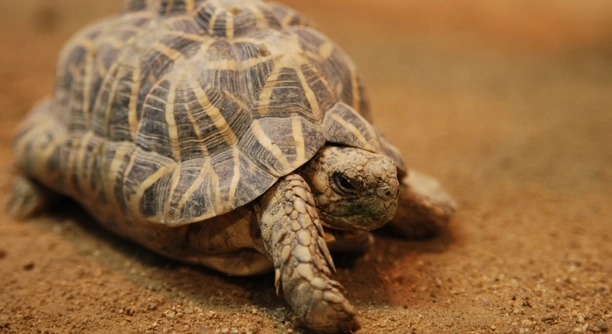
The Indian star tortoise is a popular pet due to its gentle nature and unique appearance. However, it is essential to provide proper care to keep them healthy. Knowing what foods to avoid is key to their well-being.
Certain foods can harm an Indian star tortoise, potentially causing digestive issues or even long-term health problems. It is important to avoid feeding them high-protein, high-oxalate, and sugary foods, which can disrupt their digestive system and cause kidney or bladder issues.
Feeding the right foods helps ensure a long, healthy life for your tortoise.
Foods High in Oxalates
Oxalates are natural compounds found in many plants, and while they are not harmful in small amounts, they can cause serious issues in Indian star tortoises. High oxalate foods, such as spinach, beet greens, and rhubarb, can lead to kidney and bladder stones if consumed too frequently. These stones can be painful and may require medical intervention to remove. The body of a tortoise is not able to process oxalates efficiently, which can result in calcium being bound to oxalates, preventing proper bone growth and shell development. This can lead to further complications if left unchecked.
Some foods are rich in calcium but also have high oxalate content, making them tricky for tortoises. It’s important to focus on offering foods that are low in oxalates while still providing essential nutrients. When you feed a balanced diet, the risk of kidney and bladder problems is minimized. Instead of oxalate-rich vegetables, look for safe alternatives, like dandelion greens or clover, which are both nutritious and safe for tortoises.
Avoiding these foods will support the overall health of your tortoise.
Excessive Protein Intake
Tortoises need a low-protein diet to thrive. Overfeeding them high-protein foods can lead to liver issues and shell deformities, which can be harmful in the long term. Protein-rich foods like animal-based proteins should be kept to a minimum.
Feeding too much protein can cause rapid growth, which puts strain on their internal organs. Additionally, it can lead to an imbalance in their diet and impact their ability to absorb essential nutrients. Protein sources should primarily come from plant-based foods like grasses, herbs, and leaves. By limiting high-protein foods, you allow your tortoise to grow steadily and stay healthy.
Fruits High in Sugar
Fruits like bananas, grapes, and apples are high in sugar and can cause digestive issues for your tortoise. While these fruits are safe in small amounts, they should not make up a large part of their diet. Feeding too many sugary fruits can lead to obesity, which can strain the tortoise’s internal organs and affect its overall health.
High sugar content can lead to unhealthy weight gain and disrupt the balance of nutrients in their system. Too much sugar also causes blood sugar spikes that can lead to metabolic problems. It’s important to stick to low-sugar fruits like strawberries, raspberries, and melon in moderation. Avoid fruits with seeds or pits, as they may cause choking hazards or blockages.
Introducing more vegetables into their diet can help balance the sugar intake while ensuring your tortoise gets essential nutrients without the risk of excess sugar.
Processed Foods
Processed foods are not suitable for tortoises. These foods are often high in preservatives, additives, and unhealthy fats. They can be harmful to your tortoise’s digestion and overall health. Feeding processed foods can also cause imbalances in their diet, leading to long-term health complications.
These foods lack the natural nutrients tortoises need for proper growth and development. Additionally, the artificial ingredients can create toxic buildup in their system over time. Tortoises thrive on fresh, natural foods like leafy greens, grasses, and edible flowers. By sticking to natural foods, you ensure your tortoise is getting the best nutrition possible without the harmful effects of processed products.
Dairy Products
Dairy products like milk, cheese, and yogurt should never be fed to an Indian star tortoise. Their digestive systems cannot process dairy properly, which can lead to upset stomachs and diarrhea. Dairy can also cause dehydration and discomfort for your tortoise.
It’s best to avoid giving dairy in any form, as it offers no nutritional benefit and can cause more harm than good. Stick to plant-based foods that align with their natural diet. Fresh, green leafy vegetables are always a safer, more suitable option for providing essential nutrients.
Nightshade Vegetables
Nightshade vegetables, such as tomatoes, peppers, and potatoes, should not be part of your tortoise’s diet. They contain compounds that can be toxic to reptiles, leading to digestive issues and long-term health problems. These compounds can cause inflammation and damage to the internal organs.
Even small amounts of nightshades can be harmful over time. Opt for safe alternatives, like leafy greens and grasses, which are much better suited to their digestive systems. Avoid these vegetables at all costs to prevent any potential harm to your tortoise.
FAQ
Can I feed my Indian star tortoise strawberries?
Strawberries can be fed to your tortoise in small amounts, but they should not make up a large part of their diet. They are low in oxalates and sugar compared to other fruits, making them a safer option. However, it’s important to feed them in moderation, as too much fruit can lead to digestive issues. Fresh, leafy greens should still be the main part of their diet, and strawberries can be used as a treat.
Is it okay to feed my tortoise lettuce?
Lettuce can be fed to your tortoise, but only certain types are safe. Iceberg lettuce, for example, offers very little nutritional value and should be avoided. Romaine lettuce is a better option as it provides some fiber and nutrients. However, lettuce should not be the primary food source, as it lacks essential nutrients needed for their growth and health. Always ensure a variety of leafy greens are included in their diet.
How often should I feed my Indian star tortoise?
Adult Indian star tortoises should be fed every other day. They don’t need daily meals because they are slow metabolisers. Young tortoises, however, require more frequent feedings—generally once a day. Their diet should consist mostly of leafy greens, grasses, and a small portion of fruits or flowers for variety. It’s important not to overfeed them, as this can lead to obesity and other health problems.
Can I feed my tortoise cucumbers?
Cucumbers are safe to feed your tortoise in moderation, but they should not be a staple in their diet. They have high water content and low nutritional value, which means they don’t offer much benefit. Too many cucumbers can cause loose stools due to their high moisture content. A few slices now and then won’t harm them, but make sure you balance their diet with more nutrient-dense foods.
What vegetables are best for my tortoise?
Leafy greens like dandelion greens, collard greens, and kale are the best vegetables to feed your Indian star tortoise. These vegetables provide a good balance of calcium, fiber, and other essential nutrients. Grasses such as timothy hay are also great additions. Avoid giving them vegetables like spinach and beet greens too often, as they are high in oxalates, which can interfere with calcium absorption.
Can I feed my tortoise carrots?
Carrots can be fed to your Indian star tortoise, but they should only be offered as a treat rather than a staple food. Carrots are high in sugar, so excessive consumption can lead to digestive issues and weight gain. A small slice or two is enough to add variety to their diet. Always balance carrot intake with more fiber-rich, leafy greens to ensure proper nutrition.
Should I feed my tortoise fruit?
Fruit can be fed to your Indian star tortoise occasionally, but it should not be a major part of their diet. Some fruits, like berries and melon, are good choices because they are low in sugar and oxalates. However, high-sugar fruits like bananas and grapes should be avoided or given only in small amounts. Fruit can be a nice treat, but remember, their diet should mostly consist of vegetables and grasses.
Can I feed my tortoise flowers?
Yes, many types of edible flowers are safe for your Indian star tortoise. Flowers like dandelions, hibiscus, and pansies provide a variety of nutrients and add some color to their diet. Just be sure to avoid any flowers that may have been treated with pesticides or chemicals. It’s important to feed them a variety of flowers in moderation to avoid any digestive upset.
Are there any foods I should completely avoid?
Yes, there are several foods that should be completely avoided when feeding your tortoise. High oxalate foods like spinach and rhubarb, high-protein foods like animal products, and processed foods should never be given. Additionally, nightshade vegetables like tomatoes and peppers contain toxic compounds that can harm your tortoise. Always research new foods before introducing them into your tortoise’s diet to ensure they are safe and healthy.
How do I know if I’m feeding my tortoise too much?
If your tortoise starts to gain weight rapidly, becomes lethargic, or experiences difficulty moving, these may be signs that you are overfeeding. A healthy tortoise should have a smooth, firm shell and be active. Obesity in tortoises is a common issue caused by overfeeding high-calcium foods or too many fruits and vegetables with high sugar content. Pay attention to their overall behavior and health, and adjust their diet accordingly.
Final Thoughts
Feeding an Indian star tortoise requires careful attention to their dietary needs. These reptiles are herbivores, so their diet should primarily consist of leafy greens, grasses, and edible flowers. It’s important to provide a variety of foods to ensure they get all the necessary nutrients. Avoid high-sugar fruits, processed foods, and foods that are toxic to them, such as nightshades and dairy. By focusing on natural, fresh foods, you can help maintain their health and well-being.
A balanced diet for a tortoise not only supports their physical health but also contributes to their long-term happiness and activity levels. Offering the right foods helps prevent obesity, digestive problems, and other health issues that can arise from improper feeding. It’s also essential to adjust their food intake based on their age, as younger tortoises require more frequent meals than adults. Observing their eating habits and making adjustments when necessary will help them thrive in their environment.
Lastly, always ensure that your tortoise has access to fresh, clean water at all times. Hydration is just as important as a healthy diet, and it helps maintain proper digestion and organ function. While tortoises can go for extended periods without food, they must have access to water regularly. By understanding their dietary preferences and avoiding harmful foods, you can give your Indian star tortoise the best care possible.

Hello,
If you enjoy the content that we create, please consider saying a "Thank You!" by leaving a tip.
Every little bit helps us continue crafting quality advice that supports the health, happiness, and well-being of pets around the world, for pets of all shapes, sizes, and species.
We really appreciate the kindness and support that you show us!