
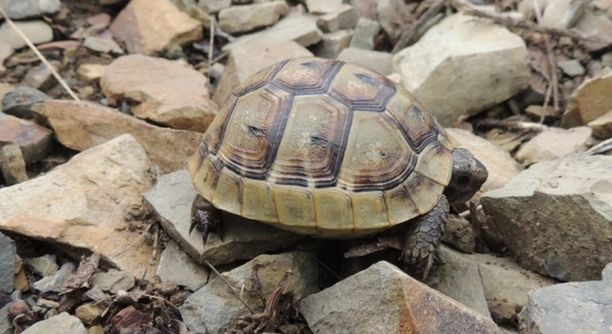
Edible flowers can be a delightful addition to many pets’ diets, but it’s important to know which ones are safe. Greek tortoises, known for their herbivorous nature, often enjoy a variety of plant foods, including flowers.
Greek tortoises can indeed eat edible flowers, but not all flowers are safe for them. Certain flowers are beneficial, while others can be toxic and harmful. It is crucial to know which flowers are appropriate for their diet to ensure their health and safety.
Knowing which edible flowers are safe will help you make the best choices for your tortoise’s health. Keep reading to discover the safest options and how to include them in their meals.
Safe Edible Flowers for Greek Tortoises
Greek tortoises enjoy a variety of flowers, which can add a colorful touch to their diet. The key is choosing safe and nutritious flowers, as some may cause digestive issues or be toxic. Common safe flowers include dandelions, hibiscus, and nasturtiums. These flowers provide beneficial vitamins, minerals, and fiber to your tortoise’s diet.
While these flowers are safe, it is essential to make sure they have not been treated with pesticides. Always choose organic or pesticide-free flowers, as chemicals can harm your tortoise. Fresh flowers are best, but dried flowers can also be used in moderation.
Incorporating flowers into their diet not only enriches the food but also helps mimic their natural environment. Be sure to limit flowers to a few types and combine them with other leafy greens and vegetables for a balanced meal. When offering flowers, always check for any potential signs of allergies, like changes in appetite or behavior. If you see any, remove them from their diet.
Toxic Flowers to Avoid
Some flowers can be dangerous for your Greek tortoise. Avoid flowers like lilies, daffodils, and oleanders, as they can cause harm to your pet. Toxic flowers can lead to poisoning, affecting their digestive system or even causing organ damage. Make sure to do thorough research on any flower you plan to offer.
How to Prepare Flowers for Greek Tortoises
Before offering flowers to your Greek tortoise, it’s important to wash them thoroughly to remove any dirt or potential pesticides. Gently rinse the petals under cool, running water. If you’re using dried flowers, make sure they are free from preservatives.
Once cleaned, you can serve the flowers whole or cut them into smaller pieces to make it easier for your tortoise to consume. You can mix flowers with other tortoise-safe foods, such as leafy greens and vegetables, to provide variety in their diet. Always make sure that flowers are free of any harmful substances.
Serving flowers fresh is ideal because they retain more nutrients. You can also freeze small batches of flowers in ice cubes for later use. This method helps keep the flowers fresh and provides a fun, cool treat for your tortoise during warmer months. Make sure to not overfeed flowers as they should only be an occasional addition to their diet.
Benefits of Adding Flowers to Their Diet
Adding edible flowers to a tortoise’s diet provides a natural, varied food source that mimics their wild environment. Flowers like dandelions and hibiscus are rich in vitamins A, C, and K, which support healthy skin and a strong immune system. They also offer hydration due to their high water content.
Besides nutrition, flowers give your tortoise the mental stimulation of foraging. This encourages natural behavior and prevents boredom. It’s important, however, to offer flowers in moderation, as too many could upset their digestive balance. For a balanced diet, rotate different types of flowers with vegetables and greens.
Common Flowers That Are Safe for Greek Tortoises
Some of the best flowers for your tortoise include dandelions, hibiscus, and nasturtiums. These are easy to find and offer great nutritional value. Dandelions provide vitamin A, while hibiscus adds a variety of antioxidants to their diet. Nasturtiums also contain high levels of vitamin C.
While these flowers are nutritious, it’s essential to be mindful of the amount you offer. Too many flowers at once can upset their stomach, so it’s best to serve them as part of a varied diet. Combining these flowers with leafy greens will help balance their meals and avoid overfeeding any one type of food.
How to Tell if a Flower Is Safe
To ensure a flower is safe for your tortoise, check its origin and confirm that it’s non-toxic. Avoid flowers from florists that may have chemicals or pesticides. Grow your own flowers if possible, as you’ll know they are untreated.
Look up the specific flower species online to verify if it is safe for reptiles. Many online resources and tortoise forums list safe and harmful flowers, so use them to guide your choices.
Potential Allergies to Flowers
Some tortoises may have allergic reactions to certain flowers, though this is rare. If you notice any unusual symptoms, such as lack of appetite or changes in behavior after feeding them flowers, stop offering that particular flower and monitor your tortoise closely.
FAQ
Can Greek tortoises eat roses?
Yes, Greek tortoises can safely eat roses, but only the petals. Make sure to remove the thorns and leaves, as they may be too tough or contain harmful chemicals. Always wash the petals thoroughly to ensure there are no pesticides or residues before serving them.
Are pansies safe for Greek tortoises?
Pansies are safe for Greek tortoises to eat in moderation. They offer a mild flavor and contain vitamins and minerals that can benefit your tortoise. As with other flowers, wash them thoroughly to remove any potential chemicals or pesticides.
Can Greek tortoises eat sunflowers?
Greek tortoises can eat sunflower petals, but they should not consume sunflower seeds. The seeds are high in fat and may upset their digestive system. Only offer the petals, and ensure they are free of pesticides.
What flowers should Greek tortoises avoid?
Greek tortoises should avoid flowers like oleander, lilies, and daffodils. These flowers are toxic to reptiles and can cause serious health issues, including digestive distress, heart problems, or even death. Always double-check the safety of a flower before feeding it to your tortoise.
How often can Greek tortoises eat flowers?
Flowers should only be offered as an occasional treat, not as a regular part of their diet. They should make up no more than 10-20% of your tortoise’s food intake. It’s important to provide a variety of other foods, like leafy greens and vegetables, for balance.
Can Greek tortoises eat lavender?
Lavender is safe for Greek tortoises in small amounts. It can provide some beneficial nutrients but should not be overfed, as too much could upset their stomach. Always ensure the lavender is free of chemicals, and only offer it occasionally.
Is it okay for Greek tortoises to eat dandelions every day?
Dandelions are a great addition to a Greek tortoise’s diet, as they are rich in vitamins and minerals. However, feeding them daily could lead to an imbalance. Offering dandelions a few times a week, along with other greens, will help maintain variety and balance in their diet.
Can Greek tortoises eat clover?
Yes, Greek tortoises can eat clover, and it’s a great source of nutrition for them. Clover is rich in fiber, which supports digestion, and contains a variety of vitamins and minerals. Just like with other flowers, ensure it’s free of pesticides.
Are edible flowers from my garden safe for Greek tortoises?
Edible flowers from your garden can be safe for Greek tortoises, but only if they’ve never been treated with pesticides, fertilizers, or herbicides. Always verify the type of flower and wash it thoroughly before offering it to your tortoise. Growing your own flowers is a great way to ensure their safety.
Can Greek tortoises eat all types of wildflowers?
Not all wildflowers are safe for Greek tortoises. Some may be toxic, so it’s important to identify the species before feeding them. Stick to well-known safe options, like dandelions and violets, and avoid anything that looks suspicious or unfamiliar.
Are flowers like marigolds safe for Greek tortoises?
Marigolds are safe for Greek tortoises and can be a colorful addition to their diet. They offer vitamins and antioxidants that can support overall health. Like other flowers, marigolds should be washed thoroughly before being offered.
How can I tell if my tortoise is allergic to a flower?
If your Greek tortoise shows signs of distress, such as loss of appetite, lethargy, or unusual behavior after eating a flower, they might be allergic to it. Remove the flower from their diet and monitor their condition. If symptoms persist, consult a veterinarian.
Can Greek tortoises eat wildflowers from the forest?
Wildflowers from the forest can be safe for Greek tortoises if you’re sure they haven’t been exposed to pesticides or other chemicals. Some wildflowers can be toxic, so only feed flowers you’ve identified as safe for tortoises, like clover, dandelions, and violets.
Are geraniums safe for Greek tortoises?
Geraniums are not safe for Greek tortoises. While some varieties of geraniums are non-toxic to humans, they can cause digestive issues or toxicity in reptiles. Always research a flower’s safety before introducing it into your tortoise’s diet.
How can I provide variety in my tortoise’s flower diet?
To add variety, mix different safe flowers like hibiscus, dandelions, and nasturtiums with their regular greens. You can rotate flowers so your tortoise doesn’t get too accustomed to one type, ensuring a diverse range of nutrients. Keep a mix of flowers that offer different benefits.
Can Greek tortoises eat violets?
Yes, violets are safe for Greek tortoises. They are a great source of vitamin C and other nutrients. Just be sure to offer them in moderation, as part of a varied diet with other vegetables and leafy greens to ensure nutritional balance.
Are there any edible flowers I should avoid from the supermarket?
Supermarket flowers can sometimes be treated with harmful chemicals, so it’s best to avoid them. Even if labeled as edible, they may have been sprayed with pesticides, which can be dangerous for your tortoise. Opt for organic flowers or those from a trusted, chemical-free source.
Final Thoughts
Incorporating edible flowers into your Greek tortoise’s diet can be a rewarding way to add variety and essential nutrients. Many flowers, such as dandelions, hibiscus, and nasturtiums, are safe and healthy options. They provide important vitamins, fiber, and antioxidants that support overall well-being. However, it’s essential to offer these flowers in moderation. Overfeeding flowers can lead to an imbalance in their diet, and it’s best to include them as part of a more extensive range of foods, such as leafy greens, vegetables, and high-fiber plants.
It’s equally important to ensure that any flowers you feed your tortoise are free from harmful pesticides or chemicals. Flowers grown in your garden, where you control the environment, are typically a safer option than store-bought or wildflowers. Always verify the safety of any new flower before offering it to your tortoise. Educating yourself on the specific flowers that are beneficial and those that can be harmful will help prevent any health issues. It’s also worth noting that some tortoises may develop mild allergies or sensitivities to certain flowers, so observing your tortoise’s behavior after introducing new flowers is essential.
Providing a well-balanced diet, including a variety of safe flowers, ensures that your tortoise gets the nutrients it needs while avoiding potential risks. By following the guidelines outlined in this article, you can confidently offer your Greek tortoise a selection of flowers that promote health and well-being. Always consult a veterinarian if you have any concerns about your tortoise’s diet or health, as they can offer tailored advice to meet your tortoise’s specific needs. With a little knowledge and attention, your tortoise will thrive on a diet enriched with nutritious, safe flowers.

Hello,
If you enjoy the content that we create, please consider saying a "Thank You!" by leaving a tip.
Every little bit helps us continue crafting quality advice that supports the health, happiness, and well-being of pets around the world, for pets of all shapes, sizes, and species.
We really appreciate the kindness and support that you show us!