
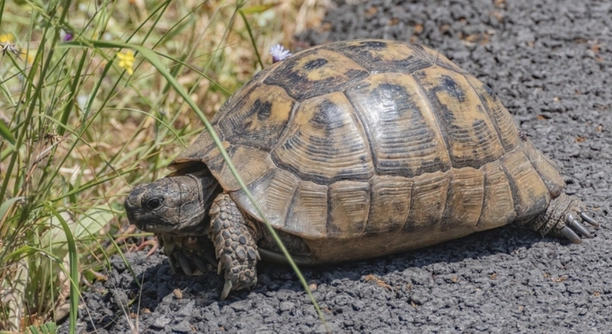
Creating a secure outdoor habitat for your Greek tortoises is essential for their well-being. With the right setup, you can ensure they thrive in a safe and comfortable environment. Let’s explore the key steps to make this possible.
To set up a secure outdoor habitat for Greek tortoises, start by selecting an appropriate enclosure that offers enough space and protection from predators. Ensure the habitat includes shelter, proper substrate, and access to sunlight, along with enough hiding spots for comfort.
This guide will provide you with the essential steps to create a secure and healthy environment for your tortoises.
Choosing the Right Location for Your Greek Tortoise Habitat
When setting up a habitat for your Greek tortoises, the location is key. You want a spot that is safe, free from strong winds, and has plenty of natural sunlight. Avoid areas with heavy foot traffic or close to places that could expose the tortoises to predators. Choose a place where they can also have access to shade, especially during the hottest part of the day. This gives your tortoises a chance to regulate their body temperature.
The area should be large enough to allow your tortoises to roam and explore. A bigger space reduces stress and allows them to display natural behaviors like foraging. Ensure the location is also relatively quiet and calm, as this helps prevent them from becoming anxious.
A well-chosen location creates a comfortable living environment that mimics the natural habitat of Greek tortoises. This will encourage healthy growth, good habits, and long-term happiness.
Designing the Enclosure
The next step is to design the enclosure. It should be secure, with a sturdy barrier to prevent escapes. Ensure the walls are high enough so your tortoises can’t climb out. Also, check that there are no gaps that predators could use to enter. If you live in an area with raccoons or foxes, consider adding a top to the enclosure for extra protection.
The enclosure should be spacious enough for your tortoises to roam freely, with various elements like plants, rocks, and logs for them to climb or hide under. Including a small pond or water dish is also important, as it helps keep them hydrated and aids in their digestion.
With a well-designed enclosure, your tortoises will have plenty of space and security, allowing them to live comfortably and safely outdoors.
Providing Adequate Shelter for Your Greek Tortoises
Shelter is an important aspect of their habitat. A shaded area is necessary to help them escape the heat during the day. A simple wooden or plastic structure can serve as a refuge from rain or strong sunlight. It’s important that it’s well-ventilated and roomy enough for them to feel comfortable.
Consider using materials that are safe and non-toxic. The shelter should be raised slightly off the ground to keep it dry. Adding some bedding, like hay or straw, can make the space more inviting. The shelter needs to be large enough to accommodate all your tortoises, allowing them to rest and move around freely without feeling cramped. A secure shelter offers a place to hide and stay protected during cooler weather.
Proper shelter is vital for their comfort and overall health, giving them a safe retreat in their outdoor space.
Maintaining the Right Temperature and Humidity
Temperature and humidity are two critical factors that will directly affect your tortoises’ well-being. Greek tortoises prefer temperatures between 75°F and 85°F during the day, with a slight drop at night. Ensure that the area has both shaded and sunlit spots for them to move between. A temperature gradient helps them regulate their body heat.
Humidity should be kept at a moderate level to prevent dehydration but avoid excessive moisture that could lead to health issues like respiratory problems. Ensure the enclosure provides opportunities for the tortoises to soak in water when needed, but also has dry areas to promote natural behavior.
Achieving the correct balance between temperature and humidity will ensure that your tortoises stay healthy and thrive in their environment.
Adding Natural Elements to the Habitat
Include rocks, logs, and plants in the enclosure to mimic a natural environment. These elements provide hiding spots, climbing surfaces, and areas to forage. Choose non-toxic plants that are safe for tortoises. Avoid sharp rocks or anything that might cause injury.
Having these elements creates a more engaging habitat. It allows your tortoises to exhibit natural behaviors like climbing, burrowing, and exploring. You can even add some edible plants, such as dandelions or clover, for them to munch on. A variety of textures and surfaces helps them feel more comfortable and entertained.
Water and Hydration
Always provide fresh water for your tortoises to drink. A shallow water dish works well for this, but it must be changed daily to prevent contamination. Ensure that it’s deep enough for them to soak if needed. Regular soaking helps with hydration and digestion.
Hydration is crucial to keep your tortoises healthy, especially in hot weather. It also helps with maintaining proper humidity in their habitat. Always monitor their water intake to ensure they are staying properly hydrated. Providing a consistent water source can prevent dehydration-related health issues.
Securing the Habitat from Predators
Predators can be a real threat to outdoor tortoise habitats. To secure the space, make sure the enclosure is fully enclosed, with no gaps or holes. A strong fence or mesh can help keep out animals like raccoons, foxes, or birds of prey.
It’s important to inspect the perimeter regularly to ensure that no predators have found a way in. For extra security, consider using a predator-proof cover, especially if you live in an area with a lot of wildlife. Keeping your tortoises safe from threats is essential for their well-being and survival.
FAQ
What size should the outdoor habitat be for Greek tortoises?
The size of the habitat depends on how many tortoises you have. For a single Greek tortoise, a minimum of 8 feet by 4 feet is recommended. If you have more tortoises, increase the size accordingly to give them enough space to roam. A larger space reduces stress and encourages natural behaviors.
The habitat should be spacious enough for the tortoises to walk around, forage, and find shelter. It’s also a good idea to include different areas within the enclosure, such as shaded spots, sunlit areas, and places to hide. This variety promotes natural movement and reduces boredom.
Can I keep my Greek tortoises outside year-round?
Greek tortoises can live outdoors year-round in warm climates, but it’s important to consider the temperature. They thrive in temperatures between 75°F and 85°F. If you live in a colder climate, it’s best to bring them indoors during the winter to prevent them from becoming too cold, as they are not suited for freezing temperatures.
In cooler months, consider using a heated shelter or indoor area to keep them safe and comfortable. If your climate experiences extreme weather, adjusting the outdoor habitat to ensure they have a warm retreat is essential. Keeping them outdoors in warmer seasons can help them thrive and stay active.
What kind of food should I provide for my Greek tortoises?
Greek tortoises are herbivores, so their diet should consist mostly of leafy greens, grasses, and flowers. Offer a variety of plants like dandelions, clover, and hibiscus. Avoid feeding them high-fat foods like lettuce or spinach, which don’t provide the nutrition they need.
You can also feed them some fruits in moderation, such as strawberries or melon, but they shouldn’t be a main part of their diet. The key to keeping your tortoises healthy is providing a variety of plants and offering fresh, clean food daily. Additionally, providing calcium and vitamin supplements can help support their overall health.
How can I ensure my tortoises get enough sunlight?
Greek tortoises need direct sunlight to regulate their temperature and promote healthy shell growth. Ideally, the outdoor habitat should have access to full sunlight for a few hours each day. Make sure there are shaded areas available to let your tortoises cool off.
If you can’t provide direct sunlight year-round due to weather, consider using a UVB light in the shelter to mimic natural sunlight. This helps maintain their health by allowing them to absorb the necessary UVB rays for vitamin D3 production, which is essential for calcium absorption and overall well-being.
Is it necessary to have a heated shelter for my Greek tortoises?
A heated shelter is necessary in areas with cold winters. If temperatures drop below 50°F, Greek tortoises can become lethargic, and prolonged exposure to the cold can lead to hibernation issues or even death. A heated shelter ensures they stay warm and active.
In warmer climates, a heated shelter may not be necessary, but it’s still important to provide some form of shelter from rain or extreme heat. Even in mild weather, having a space where they can retreat to avoid the elements helps keep them comfortable and safe. Regularly check the temperature to ensure the shelter remains warm enough.
What kind of substrate should I use in the enclosure?
The substrate should be absorbent, non-toxic, and safe for your tortoises. Ideal substrates include organic soil, coconut coir, and sand. A mix of these materials helps retain moisture and provides a natural surface for them to burrow in. Avoid using cedar or pine shavings, as these can be harmful.
The substrate should be deep enough for burrowing and should be changed regularly to prevent the buildup of waste or bacteria. Additionally, you can add leaves or grass to mimic the tortoises’ natural habitat. Ensure the ground is dry in some areas to allow your tortoises to dig and find cooler spots.
How do I prevent predators from entering the tortoise habitat?
To keep predators out, ensure the enclosure is fully enclosed and has no gaps or weak spots. Use strong fencing material like wire mesh or wood to build the walls. The fence should be at least 18 to 24 inches tall to prevent predators from jumping over.
For extra protection, bury the fence a few inches into the ground to prevent predators like raccoons or foxes from digging under. You can also consider adding a roof or mesh cover to the enclosure to keep out larger predators like birds of prey. Regularly check the integrity of the fence and make repairs when needed.
How can I keep my tortoises hydrated?
Hydration is essential for Greek tortoises. Always provide fresh water in a shallow dish that they can easily access. The water should be changed daily to ensure it remains clean. Tortoises will often soak in water, so it’s helpful to have a dish large enough for them to climb in.
In addition to water, you can provide shallow soaking dishes for them to hydrate. Soaking not only helps with hydration but also assists with their digestion. Be sure to monitor the humidity levels in the enclosure, as a dry environment can lead to dehydration.
How do I know if my Greek tortoises are healthy?
Healthy tortoises are active, have clear eyes, and are alert. They should have a smooth, shiny shell without any cracks, lesions, or abnormal growth. If your tortoises are eating well, staying hydrated, and moving around their habitat, they are likely in good health.
Regularly check for signs of illness, such as lethargy, loss of appetite, or changes in behavior. If you notice any of these signs, consult a veterinarian experienced with reptiles to address any potential health concerns promptly.
Final Thoughts
Creating a secure outdoor habitat for Greek tortoises requires careful planning and attention to detail. These tortoises need enough space to roam and explore, as well as a variety of environments within their enclosure. Ensuring they have access to both sunny and shaded areas, along with shelter from rain and extreme temperatures, is key to keeping them comfortable and healthy. The proper setup helps mimic their natural environment, which is crucial for their well-being.
It’s also important to consider their diet, hydration, and the safety of their habitat. Greek tortoises are herbivores and require a steady supply of fresh, clean food that is appropriate for their nutritional needs. Regular access to water, along with the ability to soak, is vital for keeping them hydrated. Keeping predators out of their enclosure is essential for their protection, so make sure the fencing is strong and secure. The right setup allows them to thrive, ensuring their health and happiness in your care.
In conclusion, providing a safe and comfortable environment for Greek tortoises requires commitment and attention to their unique needs. By creating an enclosure with ample space, proper lighting, and secure shelter, you can provide them with a habitat that supports their natural behaviors and overall health. Ensuring that their dietary and hydration needs are met and addressing any environmental hazards will help them thrive for years to come. A well-maintained habitat will allow your tortoises to enjoy a long, healthy life outdoors.

Hello,
If you enjoy the content that we create, please consider saying a "Thank You!" by leaving a tip.
Every little bit helps us continue crafting quality advice that supports the health, happiness, and well-being of pets around the world, for pets of all shapes, sizes, and species.
We really appreciate the kindness and support that you show us!