
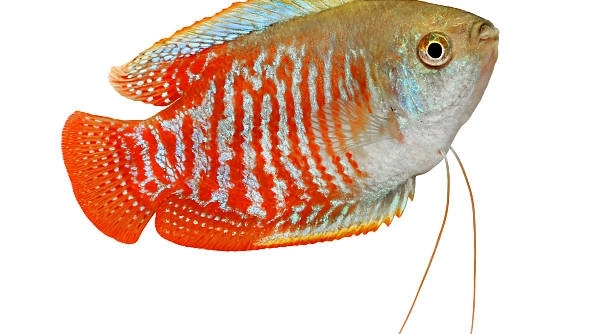
Gouramis are small, colorful fish that many people enjoy keeping in home aquariums. They can be lively and interactive, often exploring their surroundings with curiosity. Observing their behavior can be both relaxing and rewarding for fish owners.
Gouramis can develop a bond with their tank setup through consistent interaction and an environment that meets their needs. Proper hiding spots, plants, and stable water conditions encourage comfort and familiarity, fostering trust and natural behavior within the aquarium.
Creating a suitable habitat is just the beginning, and learning how to maintain it can enhance your gouramis’ well-being. Understanding these details will help you create a more engaging and balanced environment for them.
How Tank Setup Affects Gourami Behavior
The way you set up your tank can have a big impact on how your gouramis behave. They thrive in environments with plenty of hiding spots and plants, which give them a sense of security. Floating plants or tall vegetation can help reduce stress, while open swimming areas allow them to explore freely. Tank decorations, such as caves or driftwood, can provide resting areas and stimulate natural instincts. Water conditions are equally important; stable temperature and clean water contribute to their overall comfort. Gouramis are sensitive to sudden changes, so a calm, consistent setup encourages them to settle in and interact with their surroundings more confidently. Proper tank size also matters—crowded tanks increase stress and reduce opportunities for bonding with the environment. Observing your fish over time can reveal their preferences, helping you adjust the layout to make the tank more inviting and supportive of their natural behaviors.
A well-arranged tank helps gouramis feel safe, reducing stress and encouraging natural movement.
Careful placement of plants, decorations, and swimming space allows gouramis to explore safely while establishing routines. Over time, this setup promotes calmer, more confident behavior, making interactions more predictable and enjoyable. The balance between hiding areas and open space directly affects their comfort level, encouraging positive engagement with the environment. Regular monitoring and minor adjustments ensure the tank remains suitable as gouramis grow, maintaining their sense of security and fostering consistent behavior patterns. By paying attention to these details, owners can create an environment where gouramis feel settled and secure, allowing them to display natural behaviors without fear or discomfort. Understanding these factors is essential for maintaining a healthy, stable aquarium that supports both physical and emotional well-being for these delicate fish.
Signs of Bonding with the Tank
Gouramis show signs of bonding through curiosity and exploration. They often investigate plants, decorations, and other areas regularly.
When gouramis feel comfortable, they may repeatedly swim through preferred paths, rest near familiar hiding spots, or interact with floating objects. Observing consistent patterns in movement or position indicates they recognize and trust their surroundings. This behavior can include responding calmly to nearby activity outside the tank, such as lights turning on or people approaching. A bonded gourami usually maintains regular feeding routines, showing interest without hesitation. Subtle behaviors, like gentle fin movements near plants or gliding along tank walls, suggest comfort and familiarity. Recognizing these signs allows you to adjust the environment further, reinforcing areas where gouramis feel safe while minimizing stress points. Over time, attentive care and a stable, enriched tank can strengthen this connection, ensuring gouramis remain engaged, confident, and less prone to anxiety-related behaviors.
Creating a Comfortable Environment
Providing hiding spots and plants helps gouramis feel secure. They respond positively to gentle water movement and stable temperatures, which reduce stress and encourage natural activity.
Gouramis rely on a balanced environment for comfort. Adding floating plants, driftwood, or small caves allows them to hide and rest, while open swimming areas support exploration. Consistent lighting and temperature mimic natural conditions, promoting healthy behavior. Avoid overcrowding the tank, as too many fish can increase stress and aggression. Regular water changes and filtration maintain cleanliness, preventing illness and maintaining a stable habitat. Small adjustments, like rearranging decorations or adding new plants gradually, can help gouramis adapt without feeling threatened. Observing their reactions provides insight into their comfort levels.
Comfort in the tank influences gouramis’ social behavior. A well-structured setup encourages interaction with the environment and reduces fear-based hiding. Over time, they become more active, exploring and using the spaces provided. Consistency in care, along with minor environmental enrichments, strengthens their attachment to the tank, promoting calm and confident behavior patterns that reflect their sense of security.
Feeding and Interaction
Regular feeding schedules help gouramis feel secure and form routines. Predictable meal times reduce stress and encourage natural behavior.
Gouramis develop trust through consistent feeding practices. Providing a varied diet, including flakes, pellets, and occasional live or frozen foods, ensures nutritional balance and maintains their interest. Observing feeding behavior shows which foods they prefer and highlights signs of stress or illness. Feeding in the same area each time helps them associate certain locations with safety and reward. Avoid overfeeding, which can affect water quality and fish health. Interaction during feeding, such as gentle movement near the tank, can also strengthen their familiarity with surroundings and routine, creating a sense of comfort that extends beyond mealtime.
Attention to feeding patterns affects their connection to the environment. When gouramis recognize feeding spots and schedules, they explore the tank confidently, knowing their needs will be met. Repeated positive experiences during meals reinforce trust and curiosity, making them more likely to use all areas of the tank. Combining proper diet, timing, and minimal stress interactions helps establish a predictable and secure routine. Over time, this approach encourages a stable bond between the gouramis and their environment, supporting both physical health and behavioral comfort.
Social Behavior in Gouramis
Gouramis often display calm interactions when they feel secure in their tank. They may swim near each other or rest close to plants without showing aggression.
Territorial behavior can appear if the tank is crowded. Proper spacing and hiding spots help reduce conflicts and encourage peaceful cohabitation.
Adjusting Tank Features
Changing decorations or rearranging plants can affect gouramis’ comfort. Gradual adjustments allow them to explore new spaces without stress. Regular observation ensures they adapt well, and minor changes can improve engagement with the tank. Consistency in water parameters remains essential during any modifications to maintain stability and reduce anxiety.
Signs of Stress
Lethargy, hiding for long periods, or loss of appetite indicates stress. Early detection allows for quick adjustments to the tank setup, water quality, or social conditions. Monitoring these behaviors ensures gouramis remain healthy, comfortable, and more connected to their environment.
FAQ
Can gouramis recognize their owners?
Gouramis can become familiar with regular activity near their tank. They may swim closer during feeding or follow movements outside the aquarium. Recognition is not the same as affection, but consistent interaction helps them feel secure and reduces stress over time.
How long does it take for gouramis to bond with a tank?
Bonding depends on the tank setup and consistency in care. Most gouramis start exploring and showing comfort within a few weeks, but full adaptation can take several months. Stable water conditions, hiding spots, and regular feeding routines accelerate this process.
What are the best plants for a gourami tank?
Floating plants, tall grasses, and bushy vegetation are ideal. They provide cover, reduce stress, and create resting areas. Plants like Java fern, Anubias, and water lettuce are hardy options that gouramis tend to enjoy. Plants also help maintain water quality by absorbing nutrients.
Do gouramis like open swimming areas or hiding spots more?
Both are essential. Open areas allow exercise and natural movement, while hiding spots offer safety when they feel threatened. A balanced mix ensures comfort, reduces stress, and encourages confident exploration of the tank.
Can gouramis live alone or do they need tank mates?
Gouramis can live alone comfortably if the tank is enriched. Some species are territorial, so careful selection of tank mates is necessary to avoid aggression. A compatible setup promotes peace and reduces stress for all fish.
How do water parameters affect bonding?
Stable temperature, pH, and clean water are crucial. Fluctuations can stress gouramis, causing hiding or lethargy. Maintaining consistent water quality ensures they remain comfortable and gradually form a positive connection with the tank.
Are gouramis affected by tank size?
Yes. Small tanks can cause stress and limit exploration. Adequate swimming space, along with plants and decorations, helps them feel secure. Proper tank size supports natural behavior and encourages interaction with their environment.
Can gouramis recognize feeding spots?
Yes. They quickly learn where and when food is provided. Predictable feeding locations reduce stress and encourage them to explore the tank more confidently, knowing that their needs will be met.
Do gouramis prefer certain types of decorations?
Gouramis enjoy caves, driftwood, and plants that provide both hiding spots and resting areas. They explore decorations gradually, and observing their choices helps adjust the tank to suit their comfort.
What signs show a gourami is bonded to its tank?
Consistent swimming patterns, using hiding spots without fear, and responding calmly to nearby movement indicate comfort. Regular engagement with plants and decorations also shows they feel secure and have adapted well to their environment.
How should new gouramis be introduced to a tank?
Introduce them slowly, ensuring water parameters match their previous environment. Adding hiding spots and minimizing sudden changes reduces stress. Gradual acclimation allows them to explore confidently and begin forming a bond with the tank.
Can stress break the bond gouramis have with a tank?
Yes. Sudden changes in water, temperature, or tank layout can cause fear. Returning conditions to a stable, familiar state helps them regain comfort and confidence. Observing behavior during changes ensures adjustments are effective.
Do gouramis interact differently with plants versus decorations?
Yes. Plants often serve as resting or hiding spots, while solid decorations can be explored or used for territorial boundaries. Both contribute to comfort and engagement, supporting natural instincts and reducing stress.
How can I encourage a stronger bond between gouramis and the tank?
Maintain consistent care routines, stable water conditions, and a balanced layout of plants and decorations. Gentle observation, predictable feeding, and gradual changes help gouramis feel secure, promoting confidence and comfort in their environment.
Is it normal for gouramis to ignore parts of the tank?
Yes. They may avoid unfamiliar areas initially. Over time, with consistent care and gradual exposure, they usually explore more, demonstrating trust and comfort with the entire environment.
How do tank mates affect bonding?
Peaceful, compatible tank mates allow gouramis to feel secure. Aggressive or overly active fish can increase stress, reducing interaction with the environment. Proper selection ensures they remain confident and engaged.
Can gouramis show preference for certain areas of the tank?
Yes. They often favor areas with a balance of cover and open space. Observing their preferred spots helps adjust the setup to provide comfort and encourage exploration throughout the tank.
Do gouramis respond to light changes in the tank?
Yes. Gradual lighting changes are preferred. Sudden bright lights can stress them, while consistent day-night cycles support natural behavior and help them feel safe and connected to the environment.
How important is routine for bonding?
Routine is very important. Regular feeding, stable water conditions, and predictable environmental cues help gouramis feel secure, allowing them to explore confidently and interact positively with their surroundings.
Can gouramis bond with more than one tank area?
Yes. They often use multiple areas for feeding, resting, or hiding. A well-arranged tank with diverse spaces supports comfort, exploration, and a stronger overall connection to their environment.
Final Thoughts
Gouramis are delicate fish that respond strongly to their environment. Their comfort and behavior depend largely on how their tank is arranged and maintained. A tank with sufficient space, plants, hiding spots, and stable water conditions allows them to feel secure. When these factors are carefully considered, gouramis gradually become more confident, exploring their surroundings and showing natural behaviors without signs of stress. Observing their actions over time can give insight into their comfort levels and help owners adjust the tank setup to meet their needs. A well-planned aquarium supports both physical health and emotional well-being for these fish, creating a calm and balanced environment.
Regular feeding routines and consistent care are important for building a bond between gouramis and their tank. Predictable schedules help them feel safe, reducing anxiety and encouraging exploration. A varied diet ensures proper nutrition and keeps them interested in mealtime, which is also an opportunity to observe their behavior. Overfeeding or sudden changes in feeding can cause stress or water quality issues, which may negatively affect their comfort and confidence in the tank. Simple steps like keeping decorations consistent, maintaining water parameters, and adding plants gradually can make a noticeable difference in how gouramis interact with their environment. With patience and careful observation, owners can create a space where gouramis thrive and display their natural personalities.
Gouramis show clear signs of bonding when they feel secure and engaged in their tank. Swimming patterns, resting near familiar spots, and exploring decorations or plants indicate comfort and trust in their surroundings. Stress, on the other hand, can cause hiding, lethargy, or changes in appetite, signaling a need for adjustment. A stable, thoughtfully arranged tank helps reduce these issues, allowing gouramis to develop routines and confidence. Over time, consistent care, a balanced environment, and attention to their behavior foster a connection between the fish and their habitat. Understanding and responding to their needs ensures they remain healthy, active, and comfortable, highlighting the importance of a well-maintained tank in supporting both their physical and behavioral development.

Hello,
If you enjoy the content that we create, please consider saying a "Thank You!" by leaving a tip.
Every little bit helps us continue crafting quality advice that supports the health, happiness, and well-being of pets around the world, for pets of all shapes, sizes, and species.
We really appreciate the kindness and support that you show us!