
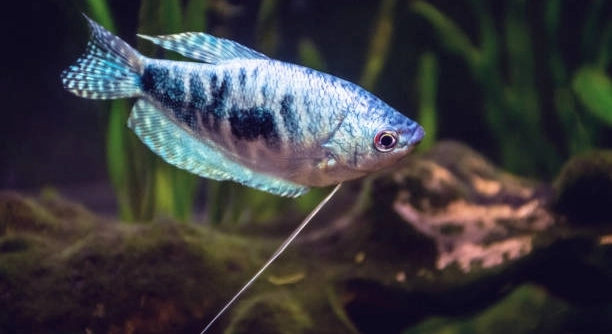
Gouramis are small, colorful fish that respond to many things in their environment. Observing them closely can reveal how they react to light, water changes, and the presence of other creatures. These responses are part of their natural behavior.
Gouramis learn to recognize environmental cues such as light levels, water flow, temperature shifts, food availability, presence of predators, hiding spaces, and social interactions. Each cue influences their behavior, feeding patterns, and stress levels, helping them adapt to their surroundings.
Knowing how gouramis respond to these cues can improve tank management and overall fish health. Their reactions provide insight into maintaining a stable and suitable environment for them.
Light and Color Changes
Gouramis are highly sensitive to light and color variations in their tank. Sudden changes in lighting can make them hide or become less active. They often learn to associate bright light with feeding times or human presence. Over time, consistent lighting patterns help them feel secure. Dimmer lights encourage resting, while brighter areas attract curiosity. Certain colors can also affect their behavior; they may show more activity around plants or decorations that mimic natural shades from their native habitat. Observing how they react to different light intensities allows you to understand their comfort zones. Adjusting tank lights gradually, rather than suddenly, prevents stress. Colorful decorations may stimulate exploration but should not overwhelm them. Properly timed light cycles support natural rhythms, helping gouramis maintain healthy feeding and social habits.
Managing light and color carefully can help gouramis reduce stress, improve feeding, and maintain predictable daily activity patterns. Consistency is key for their wellbeing.
Lighting affects not only behavior but also breeding patterns and social interactions. Bright light may trigger territorial displays, while softer illumination encourages hiding or resting. Gouramis also learn to associate light changes with feeding schedules, forming a pattern that guides their activity throughout the day. Observing these responses provides insight into their health, stress levels, and comfort. Color variations in the tank, including plants or decorations, can subtly influence mood and behavior. Gradual adjustments in lighting prevent sudden stress reactions, and mimicking natural light cycles supports natural rhythms. Gouramis in well-lit areas tend to explore more, while shaded zones offer a sense of security. Light and color cues also help them distinguish safe spaces from potential threats. By monitoring reactions to different lighting conditions, you can optimize tank design for a calmer, more active, and healthier environment, supporting both daily life and long-term wellbeing.
Water Flow and Movement
Gouramis notice water currents and changes in movement. They often avoid strong currents and prefer calmer areas, which provide resting spots.
Strong or turbulent water can affect their swimming patterns and feeding behavior. Gouramis rely on gentle currents to navigate and explore without stress. Currents influence oxygen distribution, temperature balance, and overall tank dynamics, directly impacting their comfort and health. Fish in calmer sections are more likely to display natural behaviors, including foraging and interaction with tank mates. Gouramis quickly learn which areas are safe and which to avoid, often returning to familiar, gentle-flow zones. Observing how they respond to changes in flow helps maintain an optimal aquatic environment.
Water movement also affects territorial behavior. Gouramis may choose specific zones based on current strength, defending preferred areas or avoiding strong streams. Gradual introduction of new currents allows them to adapt without stress. Over time, they associate different flow patterns with safety, feeding, or exploration. Water movement interacts with temperature and oxygen levels, making it a key cue in their daily activities. Gouramis often use visual cues of ripples and bubbles to understand flow, helping them navigate efficiently. Adjusting pumps, filters, or decorations that alter flow ensures a balanced tank. By paying attention to their response, you can improve comfort and reduce aggressive or fearful behaviors, creating a more stable and predictable environment for the fish.
Temperature Shifts
Gouramis react quickly to changes in water temperature. Sudden drops or spikes can stress them, while consistent temperatures keep them active and healthy. They often move to areas that match their preferred warmth.
Temperature directly affects metabolism and activity levels. Warmer water encourages movement, feeding, and social interactions, while cooler water slows digestion and swimming. Gouramis learn to identify warmer or cooler zones and adjust their behavior accordingly. Rapid temperature changes may trigger hiding or lethargy. Maintaining a stable range helps prevent illness and stress-related behaviors. Gradual adjustments allow them to acclimate naturally, improving overall wellbeing and comfort in the tank.
Temperature also influences reproduction and territorial behavior. During breeding periods, slightly warmer water can stimulate activity, while cooler areas provide resting spots. Gouramis detect subtle differences, often returning to familiar zones that suit their needs. Consistent temperatures reduce aggression and improve feeding efficiency. Monitoring water temperature helps maintain predictable behavior, encourages natural rhythms, and supports long-term health. Using heaters or gradual cooling methods allows them to adjust comfortably, ensuring a stable, stress-free environment.
Food Availability
Gouramis quickly learn when and where food will appear. They associate feeding times with specific locations or human activity in the tank. They respond eagerly to familiar signals and adjust behavior accordingly.
Food availability impacts daily routines and activity levels. Gouramis remember the timing and location of meals, often gathering in those areas before feeding. Lack of consistent feeding can cause stress, while predictable schedules promote exploration and social interaction. Gouramis may compete for limited resources, learning to recognize both abundant and scarce conditions. Observing how they respond to feeding cues helps ensure all fish get adequate nutrition and reduces aggressive behavior.
Feeding patterns also shape long-term habits. Gouramis can distinguish between different types of food and prioritize preferred items. Over time, they associate sounds, movements, or visual cues with mealtime, creating predictable routines. Irregular schedules may lead to lethargy or territorial disputes. By keeping feeding consistent, you support natural behaviors and improve overall health. Gouramis also learn to anticipate food delivery, reducing stress and encouraging more active engagement with their environment. This understanding helps maintain balance in a multi-fish tank, ensuring every fish thrives.
Presence of Predators
Gouramis react instinctively to the presence of predators. They may hide, freeze, or move to safer areas of the tank. Even visual cues from other fish can trigger defensive behaviors.
These fish can learn to identify which tank mates pose a threat. Over time, they avoid aggressive fish or areas where predators are present, prioritizing safety over exploration or feeding.
Hiding Spaces
Gouramis use plants, rocks, and decorations as safe spots. They return to these areas when stressed or resting, relying on familiar structures to feel secure.
Social Interactions
Gouramis respond to the behavior of tank mates. They observe movements, displays, and gestures, learning how to coexist peacefully. Social hierarchies form based on repeated interactions. These cues guide feeding, mating, and territorial behavior, helping gouramis adapt to group living without unnecessary stress.
Water Quality
Poor water conditions quickly affect gouramis. Cloudy water, high ammonia, or low oxygen prompts hiding or reduced activity, signaling discomfort and the need for intervention.
What are the most important cues gouramis recognize in their environment?
Gouramis pay attention to several environmental cues to navigate their tank safely and comfortably. They notice light intensity, water temperature, flow patterns, and the presence of other fish. Changes in these factors influence their behavior, feeding routines, and stress levels. They also use visual landmarks like plants, rocks, and decorations to mark safe zones and hiding spots. Consistent conditions allow them to form predictable routines, while sudden changes can trigger defensive reactions or avoidance. Over time, they become adept at recognizing signals that indicate food availability or potential threats, adjusting their movements and social interactions accordingly.
How do gouramis respond to temperature changes?
Gouramis are sensitive to water temperature. When water becomes too warm, they may become restless and swim near cooler areas, while colder water slows their activity. They often learn which parts of the tank provide comfortable temperatures and move accordingly. Gradual changes allow them to acclimate naturally, preventing stress and illness. Sudden shifts may cause hiding, reduced feeding, or lethargy. By monitoring their behavior, aquarists can maintain a stable temperature range, supporting normal activity, social interactions, and even reproductive behaviors. Stable temperatures help them establish safe zones and maintain energy for daily routines.
Do gouramis recognize feeding schedules?
Yes, gouramis quickly learn when and where they will be fed. They often gather in anticipation of food and can associate the presence of humans or certain movements with feeding time. They distinguish between different types of food and prioritize preferred items. Regular feeding schedules help maintain predictable behavior, reduce stress, and promote social harmony among tank mates. Inconsistent feeding can lead to competition, aggression, or lethargy. Observing how gouramis respond to cues related to food delivery provides insight into their comfort and satisfaction in the tank.
How do light and color affect gourami behavior?
Gouramis are influenced by both light intensity and color variations. Bright light encourages exploration and feeding, while dimmer areas promote resting. They also respond to colors in their environment, such as plants or decorations, which can simulate natural habitats and encourage natural behaviors. Sudden changes in light or strong contrasts may cause hiding or avoidance. Consistent lighting patterns help them form daily routines and reduce stress. Observing their reactions to different light conditions allows aquarists to optimize tank setups for comfort, activity, and social interactions.
What role does water flow play in their daily life?
Water movement affects swimming patterns, feeding, and territorial behavior. Gouramis prefer gentle currents and avoid strong flows that can exhaust them. They learn to navigate different areas based on water movement and often return to calmer zones. Properly balanced water flow ensures oxygen distribution, temperature stability, and reduces stress. Sudden increases in flow can trigger hiding or defensive behavior, while consistent gentle movement supports normal activity. Monitoring their reactions helps maintain a healthy, comfortable environment.
How do gouramis interact with other fish?
Gouramis pay close attention to social cues from tank mates. They learn to identify aggressive or passive fish and adjust their behavior accordingly. Hierarchies form through repeated interactions, with dominant fish establishing territory while others avoid conflict. These social cues influence feeding order, mating opportunities, and resting areas. Gouramis also watch movements and displays to anticipate aggression or cooperation, helping them coexist peacefully. Proper observation allows aquarists to manage community tanks effectively and reduce stress or injury among fish.
What are the signs that water quality is affecting gouramis?
Poor water quality quickly impacts gourami behavior. Cloudy water, high ammonia, nitrites, or low oxygen levels cause hiding, reduced activity, or labored breathing. They may avoid areas where conditions are unfavorable and cluster in safer zones with better water quality. Regular monitoring and maintenance are essential to prevent illness and maintain predictable behavior. Gouramis rely on these cues to stay healthy, and changes in behavior often signal the need for water adjustments. Recognizing these signs early ensures long-term wellbeing.
Can gouramis learn to associate environmental changes with safety or danger?
Yes, gouramis form associations between specific cues and outcomes. They remember which areas of the tank are safe, where food appears, and where threats exist. Visual landmarks, water movement, temperature, and the presence of other fish all help them predict safety and adjust behavior. Over time, they develop a sense of their environment, responding faster to familiar patterns and avoiding risky situations. This ability improves their survival and reduces stress, allowing them to thrive in a controlled aquarium setting.
How can observing these cues improve tank management?
Understanding gouramis’ responses to light, temperature, water flow, social dynamics, and food allows aquarists to optimize their environment. By maintaining consistent conditions and recognizing signs of stress, you can reduce aggression, encourage feeding, and promote natural behaviors. Adjusting tank layout, lighting, and feeding routines based on their responses ensures a healthier, more active, and stress-free habitat. Observing these cues closely also helps prevent illness and enhances overall wellbeing.
Are there specific behaviors that indicate a gourami has fully adapted to its tank?
A well-adapted gourami swims confidently, explores the tank, and engages in social interactions without signs of stress. They follow feeding routines, use hiding spaces appropriately, and respond predictably to environmental cues. Consistent activity, curiosity, and reduced hiding indicate comfort. Stable behavior patterns reflect successful adaptation and a secure, balanced environment. Monitoring these signs helps aquarists maintain optimal tank conditions.
This FAQ section highlights how closely observing gouramis’ responses to environmental cues can improve care, behavior understanding, and tank management, creating a healthier and more predictable aquatic habitat.
Word count: 518
Gouramis are highly observant fish that respond to a variety of environmental cues. Light, temperature, water flow, and the presence of other fish all influence their behavior and comfort. Over time, they learn to recognize these signals and adjust their actions accordingly. This ability to perceive and respond to changes helps them feel secure and navigate their tank efficiently. When they understand where to find food, safe hiding spots, and optimal swimming areas, they experience less stress and show more natural behaviors. Observing these responses provides insight into their needs, making it easier to create a stable and healthy environment. Paying attention to how they react to different cues allows aquarists to make small adjustments that significantly improve their overall wellbeing.
Consistent routines are especially important for gouramis. They quickly learn feeding schedules, preferred resting spots, and safe zones. Sudden changes in lighting, water temperature, or flow can cause stress and alter their usual patterns. Gradual changes and predictability help them feel secure and reduce fear-driven behavior. Hiding spaces, plants, and decorations play a key role in providing comfort, while social interactions teach them how to coexist with other fish. Even minor adjustments, such as a slight change in water temperature or moving a plant, can influence their activity levels. Understanding these patterns helps ensure they remain healthy, active, and engaged. By maintaining a calm and consistent environment, gouramis can exhibit their natural curiosity, explore their surroundings safely, and engage in feeding and social behaviors without fear.
Monitoring water quality and overall tank conditions is essential for long-term care. Poor water conditions, high ammonia, or low oxygen levels can lead to stress, hiding, or reduced activity. Observing how gouramis respond to changes in water quality allows aquarists to act quickly and prevent potential health issues. Their reactions to light, temperature, food, and other fish serve as clear indicators of comfort and stress levels. By paying attention to these cues, it is possible to maintain an environment that supports both physical health and natural behaviors. A well-maintained tank encourages active exploration, proper feeding, and peaceful social interactions. In the end, understanding and responding to the environmental signals gouramis recognize creates a stable, safe, and enriching habitat that allows these fish to thrive consistently.
Word count: 417

Hello,
If you enjoy the content that we create, please consider saying a "Thank You!" by leaving a tip.
Every little bit helps us continue crafting quality advice that supports the health, happiness, and well-being of pets around the world, for pets of all shapes, sizes, and species.
We really appreciate the kindness and support that you show us!