
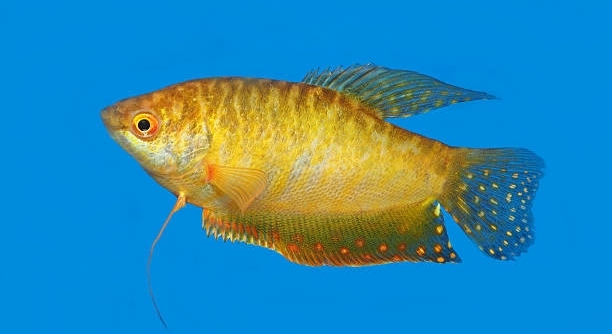
Gouramis are popular freshwater fish often kept in home aquariums. Their behavior can be quite engaging, especially when they react to changes in their environment. Observing their responses to sudden movements can reveal much about their nature.
Gouramis do react to sudden movements in their surroundings. This response is typically a defensive behavior triggered by perceived threats or disturbances. The fish may display quick darting motions, changes in posture, or brief hiding to avoid potential danger.
Understanding how gouramis respond to sudden stimuli helps ensure their well-being and creates a calmer environment for these fish in captivity. This article explores these behaviors and what they mean for your aquarium setup.
How Gouramis Detect Sudden Movements
Gouramis rely on their senses to monitor changes in their environment. Their lateral line system allows them to detect vibrations and movement in the water. When something sudden occurs nearby, such as a hand moving quickly or a shadow passing overhead, it triggers a natural reaction. This reaction helps protect them from predators in the wild. In an aquarium setting, these responses may appear as sudden swims or hiding behind plants or decorations. Frequent disturbances can stress gouramis, so minimizing abrupt movements around the tank is important. Calm and steady actions will help keep them comfortable and reduce unnecessary stress. Understanding their sensitivity to movement also supports better tank maintenance and feeding routines.
The lateral line system plays a key role in how gouramis perceive sudden movements. It is an essential part of their sensory awareness and survival.
Sudden movements often cause a startle response in gouramis. This response varies depending on the fish’s personality and the environment. Some gouramis react with rapid bursts of swimming, while others may freeze or retreat to safe spots. Recognizing these behaviors helps aquarium owners provide a peaceful habitat. A well-planted tank offers plenty of hiding places, which gouramis appreciate. Over time, they may become less reactive as they get used to regular activity around them. Keeping the environment stable and avoiding sudden disturbances can improve the fish’s overall health and reduce stress-related problems.
Signs of Stress in Gouramis from Sudden Movements
Gouramis that are frequently startled may show signs of stress. These include hiding often, loss of appetite, and changes in coloration. Stress can weaken their immune system, making them more vulnerable to illness.
Stress from repeated disturbances can lead to health problems in gouramis. It is important to observe their behavior carefully.
When gouramis experience stress, their physical and behavioral changes can indicate the need for adjustments in the aquarium environment. They may swim erratically, scratch against objects, or become lethargic. Loss of appetite is another common sign and can affect their growth and vitality. Ensuring the tank has enough plants and decorations for shelter helps reduce stress levels. Regular tank maintenance without sudden loud noises or quick movements benefits their well-being. Creating a stable routine for feeding and care allows gouramis to feel safe and secure. Addressing stress promptly is key to preventing long-term health issues and ensuring a calm, balanced habitat for these fish.
How to Minimize Gourami Reactions to Sudden Movements
Reducing sudden movements near the tank lowers gouramis’ stress and keeps them calmer. Slow, gentle actions help maintain a peaceful environment that supports their natural behavior.
Creating a stable environment means moving carefully around the aquarium. Avoid tapping on the glass or making quick hand gestures. Dim lighting can also reduce shadows and sudden flashes that startle gouramis. Using a cover for the tank helps minimize external disturbances from room activity. Feeding times should be consistent, and approaching the tank slowly allows gouramis to anticipate interaction. These simple steps reduce stress and improve the fish’s overall health.
Regular observation helps identify specific triggers that upset your gouramis. Some may react more to shadows, while others respond to sudden water movement. Adjusting your habits accordingly creates a more comfortable space for them. A calm environment encourages natural behavior and makes it easier to enjoy watching your gouramis thrive without frequent startle responses.
Feeding Gouramis and Sudden Movements
Sudden movements during feeding can startle gouramis, causing them to hide or avoid food. Approaching the tank calmly encourages better feeding habits.
Gouramis rely on routine and predictability during feeding. Sudden hand movements or quick drops of food may scare them away. Slowly placing food on the water surface or in feeding rings helps keep them comfortable. Some gouramis prefer feeding when the environment is quiet and still. Maintaining a consistent feeding schedule also helps reduce stress. If the fish are frequently startled, they may eat less or miss meals, affecting their health and growth.
Ensuring a calm atmosphere during feeding supports the gouramis’ natural instincts and appetite. Consistent feeding practices reduce the likelihood of stress caused by sudden stimuli. Observing your gouramis’ reactions during feeding helps adjust your approach, making the experience better for both you and the fish. A peaceful feeding routine promotes their well-being and encourages active, healthy behavior.
Common Triggers for Gourami Reactions
Sudden shadows, quick hand movements, and loud noises often trigger gouramis’ startled responses. These fish are sensitive to changes in their environment and react instinctively to protect themselves.
Reflections on the glass can also confuse gouramis, causing them to dart or hide. Minimizing reflections helps create a calmer tank atmosphere.
How Tank Setup Affects Gourami Sensitivity
A well-planted tank with plenty of hiding spots helps gouramis feel secure and less reactive to sudden movements. Plants and decorations break up sight lines, reducing stress. Open, bare tanks expose them to more disturbances, increasing their sensitivity. Choosing the right tank layout improves their comfort and lowers the chance of frequent startle responses.
Handling Gouramis with Care
Gentle and slow movements when working around the tank reduce stress. Quick actions often cause unnecessary panic in gouramis, so patience is key.
FAQ
Can sudden movements harm gouramis?
Sudden movements themselves usually do not cause physical harm to gouramis. However, repeated stress from frequent startle responses can weaken their immune system. Chronic stress may lead to illness, slower growth, or behavioral changes. Protecting gouramis from constant disturbances is important for their long-term health.
Why do gouramis dart around when startled?
Darting is a natural escape response triggered by perceived threats. It helps them avoid predators in the wild. In captivity, sudden movements or noises can mimic danger, causing this quick swimming behavior. While normal in small doses, excessive darting may indicate stress.
How can I tell if my gourami is stressed from sudden movements?
Signs include hiding more than usual, loss of appetite, faded coloration, and erratic swimming. Stress may also cause them to rub against tank decorations or appear lethargic. Observing these behaviors can help identify if the environment needs adjustment.
Are all gouramis equally sensitive to sudden movements?
Sensitivity varies by species and individual temperament. Some gouramis are naturally more skittish, while others may tolerate disturbances better. Younger or newly introduced fish tend to be more reactive until they acclimate.
What should I do if my gourami constantly hides after sudden movements?
Provide more hiding places such as plants or caves. Reduce rapid actions near the tank and keep lighting soft. Over time, gouramis usually become more comfortable with a stable environment and will hide less.
Can feeding routines reduce gouramis’ reaction to sudden movements?
Yes. A calm and consistent feeding routine helps gouramis feel secure. Approaching slowly and avoiding quick hand motions reduces startle responses during feeding times. Predictability creates a sense of safety.
Do reflections in the tank cause sudden reactions?
Reflections can confuse gouramis and make them think another fish is present or moving quickly. This often triggers a reaction. Minimizing light glare and using tank backgrounds can reduce reflections.
Is it normal for gouramis to freeze instead of darting when startled?
Freezing is another common defense mechanism. It makes the fish less noticeable to predators. Some gouramis may freeze briefly before swimming away. Both darting and freezing are natural responses.
How does tank size influence gouramis’ reactions to sudden movements?
Smaller tanks offer less space to escape, which can increase stress. Larger tanks provide more room to retreat and hide. Proper tank size is important for reducing frequent startled behaviors.
Can introducing other peaceful fish help gouramis feel less stressed?
Compatible tank mates can provide a sense of security. However, overcrowding or aggressive species increase stress. Carefully selecting peaceful companions improves social environment and reduces reactions to disturbances.
How often should I interact with gouramis to reduce their sensitivity?
Regular, gentle interactions help gouramis become accustomed to human presence. Infrequent or sudden visits may increase sensitivity. Consistency in care routines builds trust and lowers stress responses.
What lighting conditions help minimize gouramis’ reactions?
Soft, even lighting with gradual changes is best. Bright or flickering lights can startle gouramis. Using adjustable lighting helps create a calm atmosphere that supports natural behavior.
Are gouramis more sensitive to movements outside the tank or inside?
Movements outside the tank, like people walking or sudden shadows, are more likely to startle gouramis. Inside the tank, gouramis get used to slow water currents and decorations. Reducing external disturbances is key.
Can sudden water changes cause gouramis to react strongly?
Yes. Rapid temperature or chemical changes stress gouramis and cause visible reactions. Gradual water changes are important to avoid shocking them and triggering defensive behavior.
How long does it take for gouramis to adjust to a new environment?
Adjustment varies but usually takes a few days to weeks. Minimizing sudden movements and providing hiding spots speeds up acclimation. Patience and steady care help gouramis feel safe faster.
Is it possible to train gouramis to be less reactive?
While not trainable like pets, gouramis can become accustomed to regular, gentle activity. Consistent, calm handling reduces their flight response over time. Avoiding sudden disruptions is essential.
What should I avoid doing around the tank to prevent startling gouramis?
Avoid tapping the glass, making quick hand movements, sudden noises, or loud voices near the tank. These actions cause unnecessary stress. Gentle, slow motions support a peaceful environment.
Do gouramis react differently during the day and night?
Gouramis are generally less active at night and may be less responsive to movements. During the day, they are more alert and sensitive. Keeping a regular day-night cycle helps regulate their behavior.
Can stress from sudden movements affect gouramis’ breeding behavior?
Stress can inhibit breeding and reduce egg production. A calm, stable environment encourages natural reproductive behavior. Reducing disturbances is important when trying to breed gouramis.
Are there specific gourami species more prone to reacting to sudden movements?
Species like the dwarf gourami tend to be more shy and reactive. Larger species may be bolder but still sensitive. Knowing your species helps tailor care to reduce stress reactions.
Final Thoughts
Gouramis are naturally sensitive fish that can react quickly to sudden movements around their tank. This behavior is part of their instinct to protect themselves from potential threats. While these reactions are normal, frequent startle responses can cause stress, which affects their health and well-being. Understanding how gouramis respond to their environment helps in creating a space where they feel safe and less anxious. By controlling factors such as lighting, tank setup, and daily interactions, it is possible to reduce their sensitivity and improve their quality of life.
Maintaining a calm and stable environment is key to minimizing gouramis’ reactions to sudden movements. Simple changes like approaching the tank slowly, avoiding quick hand gestures, and providing ample hiding places can make a significant difference. A planted tank with decorations breaks up sight lines and helps gouramis feel more secure. Feeding routines that are consistent and gentle also help the fish associate human presence with positive experiences rather than threats. These adjustments take patience but are effective in creating a peaceful atmosphere where gouramis can thrive.
It is important to remember that every gourami is different. Some may be more skittish, while others adapt quickly to changes. Observing your fish regularly allows you to notice signs of stress or discomfort and make necessary changes. Avoiding sudden disturbances and creating predictable routines will support your gouramis’ health and natural behavior. In time, these fish can become more comfortable with their surroundings, reducing their need to react strongly to every movement. A calm environment benefits both the fish and those who care for them, making the aquarium a more enjoyable place.

Hello,
If you enjoy the content that we create, please consider saying a "Thank You!" by leaving a tip.
Every little bit helps us continue crafting quality advice that supports the health, happiness, and well-being of pets around the world, for pets of all shapes, sizes, and species.
We really appreciate the kindness and support that you show us!