
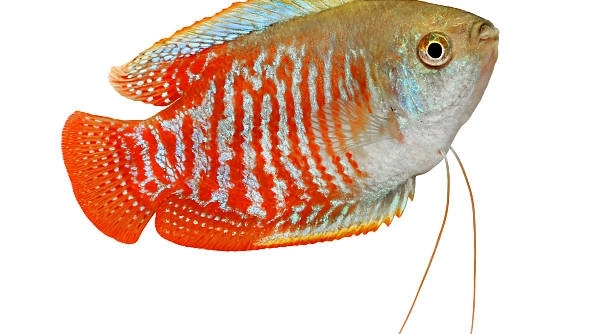
Gouramis are popular freshwater fish known for their calm nature and vibrant colors. These fish exhibit unique behaviors that reveal their distinct personalities. Observing these traits can deepen your appreciation for their presence in an aquarium.
Gouramis show personality through various behaviors such as bubble nest building, territorial displays, social interactions, and feeding habits. These actions demonstrate their natural instincts and individual temperaments, offering insight into their behavior patterns and needs.
Recognizing these personality traits can improve care and interaction with gouramis, making your aquarium a more engaging environment. Understanding these behaviors enhances the connection between owner and fish.
Bubble Nest Building
Gouramis are known for their unique bubble nest building behavior. Male gouramis blow bubbles at the water surface, creating a floating nest to protect their eggs. This activity shows confidence and readiness to breed. Watching a male build a bubble nest highlights his natural instincts and personality. The process requires patience and precision, which reflects their calm yet purposeful nature. This behavior is often seen when the fish feels secure in its environment. A well-established bubble nest indicates a healthy and content gourami. In community tanks, this can also show dominance and territorial control. It is a fascinating display that sets gouramis apart from many other fish species. Recognizing this behavior helps aquarium owners understand their fish better and supports their natural breeding habits. Bubble nests are a clear, visible sign of a male gourami’s personality and condition.
Bubble nest building represents both care for offspring and a display of territorial behavior. It is a key indicator of the male gourami’s health and mood.
The presence of bubble nests in an aquarium can encourage observation and interaction. It reveals the fish’s instinctive behaviors, offering an opportunity to learn more about their breeding habits. For owners, supporting this behavior by maintaining stable water conditions and minimal disturbances is essential. It also helps reduce stress, encouraging natural actions. This simple behavior can enhance the aquarium’s dynamic and provide an interesting focus for observation. Watching the process unfold is a reminder of the complexity beneath the fish’s calm exterior. Providing proper care ensures these behaviors continue and contribute to a thriving tank environment.
Territorial Displays
Territorial displays are a common way gouramis express their personality, especially males. They may flare their fins, chase intruders, or guard specific areas. These actions communicate dominance and protectiveness over their space. This behavior helps establish a hierarchy within the aquarium and prevents conflicts. Gouramis often mark their territory around plants, decorations, or near the surface where bubble nests are made. Recognizing these displays allows owners to manage tank mates effectively and reduce aggression. Territorial behavior varies by species and individual temperament but remains a strong personality indicator.
Territorial behavior serves to protect resources and assert dominance within the tank environment.
Managing territorial gouramis involves balancing tank size, hiding spaces, and compatible companions. Providing ample space reduces conflict and stress. Dense vegetation and decor allow fish to retreat and feel secure, preventing prolonged aggression. Observing these displays helps identify dominant fish and adjust the tank accordingly. While some territorial behavior is natural, excessive aggression may require intervention, such as rearranging tank layout or separating aggressive individuals. Understanding these dynamics creates a peaceful aquarium and respects the gouramis’ natural instincts. Proper care and attention to territorial needs promote healthier, happier fish that display their personality without causing harm.
Social Interactions
Gouramis often engage with other fish in the tank through gentle chasing or swimming together. These social behaviors reveal their tolerance levels and preferences for company. Some gouramis enjoy the presence of tank mates, while others prefer solitude.
Social interaction is a key way gouramis express personality. They may approach other fish curiously or maintain distance, depending on individual temperament. Observing these interactions helps identify which gouramis are more outgoing or shy. This behavior also influences tank dynamics and compatibility with other species. Some gouramis establish small groups, creating peaceful coexistence, while others defend their personal space more strictly. These differences highlight their unique social needs and help owners manage the community environment effectively.
Recognizing social behavior in gouramis improves tank management. Encouraging compatible groupings supports natural activity and reduces stress. It also provides an opportunity to observe their distinct personalities in action. Adjusting tank mates and layout based on social cues fosters a balanced and harmonious aquarium.
Feeding Habits
Gouramis show personality through their feeding responses. Some eagerly accept food at the surface, while others prefer hiding and nibbling on plants or bottom deposits. These habits reflect their comfort and confidence levels.
Feeding behavior varies widely among gouramis. Some are bold and fast eaters, swimming actively to claim food. Others are more cautious, taking time to approach feeding areas. These patterns provide insight into their natural instincts and individual preferences. Understanding feeding styles allows owners to tailor feeding routines and food types. It also helps identify shy or stressed fish that may need special attention during meals. Maintaining a consistent feeding schedule supports gouramis’ health and encourages natural behavior expression.
Observing feeding habits reveals much about gouramis’ personality and well-being. Adapting feeding practices improves fish care and interaction. It also strengthens the bond between owner and fish, making daily feeding a rewarding experience.
Resting Spots
Gouramis often select specific resting spots in the tank where they feel safe and comfortable. These favorite areas reflect their need for security and personal space.
The choice of resting spots can reveal a gourami’s temperament. More confident fish may rest in open areas, while shy ones prefer hiding among plants or decorations.
Fin Flaring
Fin flaring is a common way gouramis communicate aggression or dominance. This behavior shows their intent to assert control or warn others.
Exploring Behavior
Gouramis display curiosity by exploring their environment. This active behavior highlights their intelligence and engagement with the tank setup.
Color Changes
Gouramis can change color based on mood, health, or breeding status. These shifts provide visual clues about their personality and condition.
How can I tell if my gourami is happy?
A happy gourami will show active behaviors like exploring the tank and interacting with other fish. They often swim calmly, build bubble nests, and eat regularly. Their colors appear vibrant, and they rest comfortably in their chosen spots without hiding excessively.
Happiness in gouramis is linked to proper tank conditions. Clear water, adequate space, and compatible tank mates support their well-being. When gouramis feel secure, they display natural behaviors such as bubble nest building for males or gentle social interactions. Conversely, lethargy, hiding, or loss of color might indicate stress or illness. Monitoring these signs helps ensure the fish are thriving. Providing a stable environment and suitable diet contributes significantly to their overall happiness and personality expression.
Why does my gourami flare its fins?
Fin flaring is usually a sign of territorial behavior or dominance. Gouramis flare their fins to appear larger when feeling threatened or to warn other fish to keep their distance. This behavior can also occur during breeding or when establishing hierarchy.
Understanding fin flaring is important for managing tank dynamics. Occasional flaring is normal, but frequent or aggressive displays may require adjustments in tank size or rearranging decorations to create hiding spots. Providing enough space reduces stress and minimizes conflicts. If fin flaring leads to constant chasing or injury, separating aggressive individuals is recommended. Recognizing this behavior helps maintain a peaceful environment and respects the gouramis’ natural communication methods.
What causes gouramis to build bubble nests?
Bubble nest building is a reproductive behavior seen mostly in male gouramis. It signals readiness to breed and serves as a protective structure for eggs and fry. This natural behavior reflects good health and suitable tank conditions.
Males blow bubbles coated with saliva, creating a floating nest at the water surface. The size and complexity of the nest can vary depending on the individual and the environment. Proper water temperature, cleanliness, and low stress levels encourage this behavior. Even in community tanks, bubble nests can appear if conditions are ideal. Supporting this instinct helps maintain the gouramis’ natural behaviors and can indicate a balanced habitat.
How do gouramis show aggression?
Gouramis may show aggression by chasing, fin flaring, or biting other fish. Territorial disputes, competition for food, or mating behavior often trigger these actions. Aggression levels vary between species and individual fish.
Managing aggression involves observing tank interactions closely. Providing sufficient space and hiding places reduces conflict. It is essential to choose compatible tank mates that tolerate gouramis’ behavior. Overcrowding often increases stress and aggression. In some cases, rearranging the tank or separating aggressive gouramis helps restore peace. Recognizing signs of aggression early prevents injury and promotes a healthier community.
Why is my gourami changing color?
Color changes in gouramis can be caused by mood, health, breeding readiness, or environmental factors. Stress, illness, or poor water quality often lead to dull or faded colors.
Bright, vibrant colors usually indicate good health and comfort. During breeding, males may intensify their colors to attract mates or assert dominance. Temporary color changes also occur during social interactions or when adjusting to new surroundings. Maintaining stable water conditions and a balanced diet supports healthy coloration. Monitoring color shifts helps detect early signs of stress or disease, allowing timely intervention.
What should I feed my gourami?
Gouramis thrive on a varied diet including flakes, pellets, frozen, and live foods. A mix of protein and plant-based foods ensures balanced nutrition.
Feeding small amounts two to three times daily prevents overfeeding and maintains water quality. Including foods like bloodworms, brine shrimp, and algae wafers covers dietary needs. Gouramis appreciate occasional treats but need consistency for health. Observing feeding habits helps identify any changes in appetite, which can indicate health issues. Proper feeding supports their energy and natural behaviors, contributing to visible personality traits.
How do I reduce stress in gouramis?
Stress in gouramis can be reduced by providing a stable environment with clean water, proper temperature, and sufficient space. Avoid sudden changes in tank conditions or aggressive tank mates.
Regular maintenance, hiding places, and a consistent feeding schedule create a calm habitat. Stress weakens the immune system, leading to illness and behavioral changes. Observing your gouramis’ behavior helps identify stress early. Reducing noise and limiting disturbances also contributes to a peaceful setting. A well-planned tank setup ensures gouramis feel secure and can display their natural personalities fully.
Can gouramis live peacefully with other fish?
Gouramis generally coexist well with peaceful, similarly sized fish. Avoid housing them with overly aggressive or fin-nipping species to prevent conflicts.
Choosing compatible tank mates depends on gourami species and individual temperament. Adding plenty of plants and hiding spots helps reduce stress and territorial disputes. Monitoring interactions after introducing new fish is important. Proper planning and observation support a harmonious community tank where gouramis can thrive and express their personality.
Final Thoughts
Gouramis display a variety of behaviors that clearly show their personalities. From their social interactions to feeding habits and resting preferences, each fish reveals unique traits. Observing these behaviors regularly provides insight into their comfort and well-being. Understanding how gouramis express themselves helps owners create better living environments that meet their needs. Attention to these details enhances the connection between the fish and the person caring for them. A calm and balanced aquarium encourages gouramis to behave naturally and share their distinct characteristics.
Providing proper care plays a crucial role in allowing gouramis to show their personality. Factors such as water quality, tank size, temperature, and compatible tank mates influence their behavior. Stress or poor conditions can suppress natural traits and cause health issues. Conversely, a healthy environment supports active and confident fish. Owners who maintain consistent care routines often notice their gouramis becoming more interactive and expressive. Tailoring care to individual needs based on observed behavior improves the overall quality of life for these fish.
Recognizing personality in gouramis also adds enjoyment to keeping them. Each fish may respond differently to changes in the tank or new companions. Some are bold and curious, while others are shy and reserved. These differences make watching gouramis engaging and rewarding. Learning to identify these traits allows owners to better support their fish. In turn, gouramis are more likely to thrive and display the behaviors that make them interesting and unique pets. Paying attention to personality deepens the appreciation for these species and encourages responsible care.

Hello,
If you enjoy the content that we create, please consider saying a "Thank You!" by leaving a tip.
Every little bit helps us continue crafting quality advice that supports the health, happiness, and well-being of pets around the world, for pets of all shapes, sizes, and species.
We really appreciate the kindness and support that you show us!