
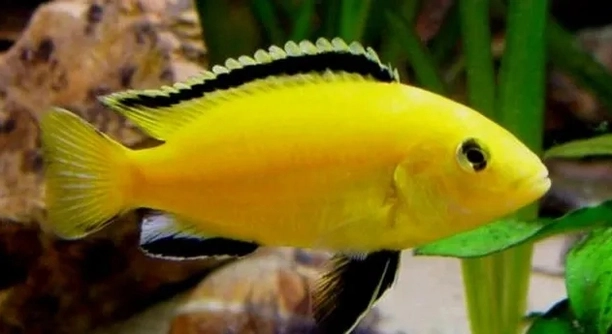
Do you enjoy keeping colorful fish but wonder if they can thrive outside your home? Many fish owners admire the bright electric yellow cichlid and consider placing them in outdoor ponds for a unique touch.
Electric yellow cichlids can survive in outdoor ponds under certain conditions. Maintaining stable water temperature, proper filtration, and shelter from predators are essential to ensure their health and longevity in such an environment.
Understanding the requirements of these vibrant fish will help you create a safe and suitable pond for them to flourish. Proper planning ensures their well-being throughout the seasons.
Understanding Outdoor Pond Requirements
When considering an outdoor pond for electric yellow cichlids, water temperature is the most critical factor. These fish thrive in stable temperatures between 74 and 82 degrees Fahrenheit. Sudden drops can stress them and lead to illness. Filtration is also essential to maintain water clarity and remove toxins. A pond without proper circulation can quickly accumulate waste, which harms the fish. Additionally, cichlids need hiding spots and areas to explore, such as rocks or plants. Overcrowding should be avoided, as it increases aggression and reduces water quality. Regular testing of water parameters, including pH, ammonia, and nitrite levels, is necessary to prevent problems before they become severe. Shade is beneficial to protect the fish from direct sunlight, which can overheat the water and encourage algae growth. Lastly, the pond must be secure from predators, including birds and neighborhood animals that might disturb the fish. Proper preparation ensures a safe habitat.
Maintaining stable temperature, clean water, and shelter allows electric yellow cichlids to thrive in an outdoor pond.
Planning an outdoor pond takes thought. The layout should provide both open swimming areas and hiding spaces. Plants such as floating lilies can reduce sunlight and provide shelter, while rocks and caves give the cichlids territory and safety. A proper filtration system must handle the fish load efficiently to avoid toxic buildup. Seasonal changes require monitoring water temperature, and heaters or pond covers may be necessary in cooler months. Feeding should be balanced, with high-quality cichlid pellets supplemented occasionally with vegetables or frozen food. Observing fish behavior regularly can alert you to stress or illness early. Finally, introducing new fish gradually and avoiding sudden changes helps maintain harmony and health in the pond ecosystem.
Selecting Suitable Pond Plants
Plants in a cichlid pond provide more than decoration. They improve water quality, offer shelter, and help regulate temperature. Floating plants, hardy perennials, and marginal plants are the best choices for stability and coverage.
Choosing the right plants requires research and care. Some plants are sensitive to fish digging or nibbling, so durable species like Java fern, anubias, or water lettuce are ideal. Ensure the plants are rooted securely or floating freely to prevent uprooting. Dense plant coverage helps reduce algae growth by competing for nutrients. Plants also create natural hiding spots that reduce aggression and stress among cichlids. In colder climates, potted plants can be brought indoors during winter to protect them and maintain the pond ecosystem. Regular trimming of dead or overgrown foliage keeps the water clean and oxygen levels stable. Balancing plant types and locations ensures both aesthetic appeal and functional support for the fish. Properly selected plants contribute to a healthy, vibrant pond where electric yellow cichlids can thrive all year long.
Feeding and Nutrition
Electric yellow cichlids need a balanced diet to stay healthy. High-quality cichlid pellets should form the base, supplemented occasionally with vegetables and frozen foods to provide variety and essential nutrients.
A consistent feeding schedule helps maintain water quality and fish health. Overfeeding can lead to waste buildup and water contamination. Including vegetables like peas or spinach ensures they get fiber, while occasional protein treats, such as brine shrimp or bloodworms, support growth and color. Observing fish during feeding helps identify health issues early, such as lethargy or loss of appetite, allowing timely adjustments to diet or environment. Proper nutrition improves immunity, enhances coloration, and supports natural behavior.
Electric yellow cichlids also benefit from feeding methods that encourage natural foraging behavior. Scattering food across different areas of the pond keeps them active and reduces aggression. Rotating protein and vegetable-based foods prevents nutrient deficiencies. Feeding smaller amounts multiple times a day is better than a single large portion, as it mimics natural feeding patterns. Monitoring leftovers and adjusting portions maintains clean water, preventing algae blooms. Attention to diet ensures your cichlids remain vibrant, healthy, and active in their pond environment.
Monitoring Water Quality
Maintaining water quality is essential for electric yellow cichlids’ survival in outdoor ponds. Testing pH, ammonia, nitrite, and nitrate levels regularly prevents stress and disease.
Water clarity and temperature must be closely observed. Filtration and aeration are key to preventing toxic buildup and oxygen depletion. Sudden changes in temperature or water chemistry can cause shock or illness. Seasonal weather shifts may require heaters, covers, or partial water changes to maintain stability. Excess algae indicates nutrient imbalance, requiring plant adjustments or reduced feeding. Regular monitoring allows early detection of potential problems, ensuring the pond remains safe and healthy for the fish.
Proper water management involves both mechanical and biological controls. Filtration removes debris and waste, while beneficial bacteria break down harmful compounds like ammonia and nitrite. Adding aerators ensures oxygen levels remain adequate, especially during warmer months when oxygen can deplete quickly. Periodic partial water changes help maintain mineral balance and reduce accumulated toxins. Monitoring water pH is critical, as cichlids thrive in slightly alkaline conditions around 7.5 to 8.2. Temperature fluctuations must be minimized with strategic pond placement, shading, or heating systems. By combining consistent testing, filtration, aeration, and temperature control, the pond environment becomes stable and supportive, allowing electric yellow cichlids to grow, reproduce, and display their natural behaviors without undue stress.
Predator Protection
Outdoor ponds expose electric yellow cichlids to birds, cats, and other predators. Netting or pond covers can provide effective protection without restricting sunlight or airflow.
Creating hiding spots with rocks, plants, and PVC tubes gives fish areas to escape. Dense vegetation near the pond edge helps reduce visibility for predators, keeping cichlids safer.
Seasonal Care
Seasonal changes require adjustments to maintain a stable pond environment. Temperature fluctuations can stress cichlids, so monitoring water and adding heaters or shade is necessary. Ice formation in winter can harm fish if the pond is shallow or unprotected. Maintaining consistent care ensures survival.
Choosing Compatible Fish
Electric yellow cichlids are territorial and aggressive. Selecting tank mates requires caution. Other peaceful or slow-moving species may be bullied, while similarly sized cichlids coexist better. Planning community interactions helps prevent stress and injury.
Pond Maintenance
Regular cleaning and debris removal maintain water quality. Removing leaves, uneaten food, and algae prevents harmful buildup, keeping the pond healthy and safe for electric yellow cichlids.
Can electric yellow cichlids survive cold winters in an outdoor pond?
Electric yellow cichlids are tropical fish and are sensitive to cold water. If your region experiences temperatures below 70 degrees Fahrenheit, supplemental heating or pond covers are necessary. Partial pond heaters or floating heaters can maintain a safer temperature range. Shallow ponds are especially vulnerable, as they cool quickly.
What type of filtration is best for outdoor ponds?
A combination of mechanical and biological filtration works best. Mechanical filters remove debris, while biological filters allow beneficial bacteria to break down ammonia and nitrite. A pond with heavy vegetation or many fish may need a higher-capacity filter. Regular maintenance of filters ensures consistent water quality.
How often should I feed my electric yellow cichlids?
Feeding small amounts two to three times daily is ideal. Overfeeding can pollute the water, while underfeeding affects growth and coloration. Include high-quality pellets as the base diet, supplemented with vegetables and occasional protein treats like brine shrimp or bloodworms.
Can electric yellow cichlids live with other fish?
These cichlids are territorial and can be aggressive, particularly in confined areas. Suitable pond mates include other robust cichlids or species that occupy different water levels. Avoid slow-moving or peaceful fish, as they may be bullied or injured. Providing hiding spots helps reduce aggression.
How do I prevent algae overgrowth in my pond?
Algae grows quickly in nutrient-rich, warm water. Controlling feeding, adding plants to compete for nutrients, and providing partial shade help prevent blooms. Regular pond cleaning and occasional water changes reduce excess nutrients. Algae-eating fish or snails can also help maintain balance.
What are the signs of stress or illness in electric yellow cichlids?
Signs include faded color, erratic swimming, loss of appetite, and hiding excessively. Stress often comes from poor water quality, temperature fluctuations, overcrowding, or aggressive tank mates. Early detection and adjustment to water conditions or diet improve recovery chances.
Do electric yellow cichlids need hiding spots in a pond?
Yes, hiding spots are essential. Rocks, caves, plants, and PVC tubes provide security, reduce aggression, and give the fish areas to establish territory. Properly spaced shelters prevent bullying and allow shy fish to avoid constant conflict.
How often should I test pond water?
Testing water weekly is recommended. Monitor pH, ammonia, nitrite, and nitrate levels. Sudden changes can stress or kill fish. Keeping records of test results helps identify trends and prevent potential problems before they escalate.
Is it necessary to cover the pond?
Pond covers or netting protect fish from predators like birds, cats, and raccoons. Covering also reduces debris like leaves from falling in. Use covers that allow light penetration and airflow to maintain a healthy environment.
What is the best pond depth for electric yellow cichlids?
A depth of at least 2 feet is ideal to maintain temperature stability and protect against predators. Deeper areas provide refuge during heat or cold, while shallow sections allow plant growth and easier maintenance. Depth variety helps create a comfortable habitat for all fish.
Can I use tap water directly in my pond?
Tap water must be treated to remove chlorine or chloramine before introducing fish. Adding water conditioners or letting it sit for 24–48 hours ensures harmful chemicals dissipate. Untreated water can cause gill damage and stress, leading to disease.
How do I manage breeding behavior in outdoor ponds?
Electric yellow cichlids are prolific breeders and highly territorial when spawning. Provide caves or secluded areas for eggs. Remove aggressive adults if necessary, or separate fry into a different area to prevent predation. Monitoring and managing breeding ensures pond harmony.
What should I do if my pond water becomes cloudy?
Cloudy water can result from overfeeding, excess waste, or algae blooms. Perform partial water changes, clean filters, and reduce feeding temporarily. Adding more plants or aeration improves water clarity. Frequent observation prevents long-term water quality issues.
How do I introduce new fish to the pond?
Acclimate new fish gradually by floating the bag in pond water for 15–30 minutes. Slowly mix pond water into the bag before release to reduce shock. Introducing fish slowly prevents stress and reduces aggressive behavior from established cichlids.
How can I keep electric yellow cichlids vibrant and healthy?
A combination of proper diet, clean water, stable temperature, and hiding spots promotes health. Regular monitoring, balanced feeding, and avoiding overcrowding enhance color and activity. Attention to detail ensures the fish remain lively and visually striking throughout the year.
This FAQ covers essential care aspects for electric yellow cichlids in outdoor ponds, helping ensure their safety, health, and long-term well-being. Proper attention to water, feeding, and environment keeps the pond balanced and the fish thriving.
Electric yellow cichlids are a vibrant and striking addition to any outdoor pond, but their care requires careful planning and attention. These fish are tropical and need stable water temperatures to stay healthy. Sudden drops or spikes in temperature can cause stress, which may lead to illness or even death. Maintaining consistent water conditions with filtration, aeration, and appropriate pond depth is essential. Providing hiding spots such as rocks, plants, or PVC tubes allows the fish to establish territory and reduces aggressive behavior. A well-planned pond layout with both open swimming areas and sheltered spaces helps the cichlids feel secure and comfortable. Seasonal changes should also be considered, as cold winters or extremely hot summers may require supplemental heating, shading, or temporary adjustments to protect the fish. By understanding their natural needs and carefully designing the pond environment, you can create a space where electric yellow cichlids thrive.
Feeding and nutrition are key factors in maintaining healthy cichlids. A balanced diet composed of high-quality cichlid pellets supplemented with vegetables and occasional protein treats supports growth, vibrant coloration, and overall well-being. Overfeeding can quickly pollute the water, so small, frequent feedings are preferable to a single large portion. Observing the fish during feeding can provide early indications of stress or illness, such as reduced appetite, lethargy, or unusual swimming patterns. Water quality and cleanliness are directly tied to feeding habits, making it important to remove uneaten food and monitor nutrient levels to prevent algae growth or toxic buildup. The combination of proper feeding practices, regular water testing, and a clean pond environment creates the conditions needed for electric yellow cichlids to display natural behaviors, maintain health, and live longer lives in an outdoor pond.
Predator protection and pond maintenance are equally important for a successful outdoor habitat. Birds, cats, raccoons, and other predators can pose a threat, making netting or protective covers a practical solution. Dense plantings and strategically placed hiding areas give the fish a sense of security while reducing stress from aggression or outside threats. Regular pond cleaning, including the removal of debris and monitoring algae levels, ensures water quality remains high. Testing for ammonia, nitrite, nitrate, and pH levels helps prevent problems before they become serious. Attention to these details, combined with careful selection of compatible fish and monitoring of seasonal changes, creates a balanced pond ecosystem. By investing time and care into the pond setup and ongoing maintenance, electric yellow cichlids can live safely, thrive, and bring color and activity to your outdoor space for years.

Hello,
If you enjoy the content that we create, please consider saying a "Thank You!" by leaving a tip.
Every little bit helps us continue crafting quality advice that supports the health, happiness, and well-being of pets around the world, for pets of all shapes, sizes, and species.
We really appreciate the kindness and support that you show us!