
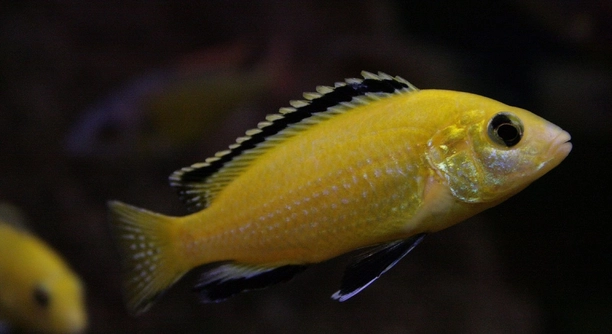
Electric Yellow Cichlids are lively and bright fish that often capture the attention of hobbyists. Their energetic movements and vivid color make them a favorite for home aquariums, offering both beauty and interaction. Many owners enjoy observing their daily behavior.
Electric Yellow Cichlids can be trained to recognize feeding routines and respond to simple cues. Consistent interaction, patience, and positive reinforcement allow these fish to learn basic patterns, although their training potential is limited compared to more interactive pets.
Learning about their behavior and training methods can help improve your care routine, making interactions with your cichlids more engaging and rewarding over time.
Understanding Electric Yellow Cichlid Behavior
Electric Yellow Cichlids are naturally curious and territorial. They spend much of their time exploring their surroundings, inspecting decorations, and observing other tank inhabitants. These fish are social within their species but can show aggression toward unfamiliar fish, especially in confined spaces. Recognizing their daily habits is essential for effective interaction. Their bright color and active nature make them easy to notice, allowing owners to track feeding times, resting periods, and swimming patterns. They respond to movement near the tank and may approach during feeding, which can be used to develop simple training routines. Paying attention to subtle behaviors, like fin flicks or head movements, helps in understanding moods and stress levels. Over time, consistent observation can create predictable patterns for training. Providing hiding spots and maintaining stable water conditions also reduces stress, which improves responsiveness. Observing these behaviors forms the foundation for any successful interaction or training plan.
Proper understanding of cichlid behavior makes it easier to predict responses to feeding and environmental changes.
Being consistent with feeding times and observing reactions can gradually make cichlids more interactive. Daily routines help them recognize signals, and even small actions, like tapping near the tank or using feeding cues, can encourage participation. Over time, these habits support better engagement.
Training Methods for Electric Yellow Cichlids
Training Electric Yellow Cichlids requires patience and repetition. Positive reinforcement through food rewards is the most effective approach. Start with simple actions, like approaching a finger or responding to a specific sound during feeding. Using small portions ensures that the fish remain motivated but not overfed.
Consistency is key. Training sessions should be brief and regular, ideally once or twice daily. Avoid sudden changes in environment or feeding schedules, as this can confuse the fish. While they can learn simple routines, these fish do not develop complex tricks, so expectations should remain realistic. Observing reactions carefully allows minor adjustments in timing or signals. Some cichlids may respond faster than others depending on temperament and stress levels. Rewarding the fish immediately after the desired response strengthens the connection between the cue and the action. Over weeks, repeated practice encourages recognition of signals, creating a reliable pattern of behavior. Proper care, attention to water quality, and minimal stress enhance training success, resulting in more engaging and interactive fish without forcing them beyond their natural limits.
Common Challenges in Training
Electric Yellow Cichlids can be stubborn, especially when they feel stressed or unsafe. Sudden changes in tank setup or aggressive tankmates often reduce their willingness to participate. Patience and gradual adjustments are essential to maintain consistent training results.
Stress is the main barrier to successful training. Overcrowding, poor water quality, or frequent disturbances can make cichlids hesitant to respond. Even minor changes, like moving decorations or adjusting lighting, may impact behavior. Some fish may take longer to recognize feeding cues or signals, requiring extra repetition and calm handling. Understanding individual temperaments helps tailor training approaches, ensuring that progress happens without forcing reactions. Slow, consistent practice with positive reinforcement minimizes stress and encourages learning over time.
Another challenge is maintaining focus during sessions. Cichlids are easily distracted by other fish or sudden movements. Short, predictable sessions work best. Reward timing is crucial, as delayed rewards can confuse the fish. Patience, consistency, and observation allow even hesitant cichlids to respond over time, building small but reliable training habits.
Tools and Techniques
Small tools like feeding rings or target sticks can improve training success. Using visual or tactile cues helps cichlids understand expectations quickly. Repetition and consistency are essential when implementing these tools.
Target training involves gently guiding the fish toward a stick or finger and immediately offering food when they follow. This technique strengthens their association between action and reward. Feeding rings can focus attention during mealtime, encouraging the fish to swim to specific locations. Timing is critical, as instant reinforcement creates clear learning patterns. Adjusting tools for tank size and fish temperament ensures safety and effectiveness. Regular practice with these methods gradually improves responsiveness, making cichlids more predictable and easier to interact with during daily care routines.
In addition to tools, maintaining a calm environment enhances learning. Avoid loud noises and sudden movements, as these can distract or frighten the fish. Combining visual cues with feeding routines creates clear expectations, helping them recognize patterns faster. Over time, these small techniques lead to a smoother training experience, reducing stress while encouraging active engagement. Careful observation and minor adjustments to tools or timing can further refine responses, allowing each fish to reach its potential in learning simple behaviors.
Feeding as Motivation
Using food as a reward is the most effective way to train Electric Yellow Cichlids. Small portions given immediately after a desired action reinforce learning. Avoid overfeeding to maintain health and motivation during sessions.
Different foods can influence responses. Live or frozen treats often get faster reactions than standard flakes. Consistency in timing and type of reward helps the fish connect actions with positive outcomes. Monitoring their diet ensures they stay healthy while remaining eager to participate in training.
Timing and Patience
Training sessions should be short, no more than a few minutes, to match the fish’s attention span. Consistent daily routines help establish predictable behavior patterns. Avoid rushing or forcing responses, as this can create stress or reluctance.
Observing Progress
Keep track of each fish’s responses to cues and rewards. Noting small improvements helps refine training techniques. Regular observation ensures that methods remain effective and adjustments can be made when needed.
Creating a Comfortable Environment
A calm, stable tank with hiding spots and proper water conditions supports learning. Reducing stress increases willingness to participate, making training sessions more productive and enjoyable for the fish.
FAQ
Can Electric Yellow Cichlids learn tricks like other pets?
Electric Yellow Cichlids can learn simple behaviors but are limited compared to mammals or birds. They respond best to predictable routines, such as approaching a finger, following a target, or swimming to a specific area for food. Complex tricks are unlikely, but consistent practice allows them to recognize cues.
How long does it take for them to respond to training?
Response time varies between individual fish. Some cichlids may show recognition within a few days, while others may take weeks. Daily short sessions of a few minutes with immediate rewards are most effective. Patience and consistency are crucial for progress.
What type of food works best as a reward?
Small portions of live or frozen food, like brine shrimp or bloodworms, are the most motivating. Flakes and pellets can also work but may not create the same level of excitement. Timing is critical—rewards must follow the desired action quickly.
Can multiple cichlids be trained at the same time?
Training multiple cichlids simultaneously is possible but can be challenging. Territorial behavior or distractions may interfere with learning. Individual sessions are usually more effective, ensuring that each fish receives attention and consistent cues.
What are common mistakes in training Electric Yellow Cichlids?
Rushing sessions, overfeeding, or inconsistent cues are common issues. Sudden changes in the tank, loud noises, or aggressive tankmates can reduce focus and stress the fish. Keeping sessions short, calm, and predictable improves outcomes significantly.
How often should training sessions occur?
Daily practice is ideal, but consistency is more important than frequency. Even one short session per day can build recognition over time. Avoid overtraining, as this can stress the fish or make them lose interest.
Does tank setup affect training?
Yes, a stable and stress-free environment is essential. Proper water quality, hiding spots, and minimal disturbances make fish more willing to participate. A well-structured tank encourages exploration while maintaining comfort, which supports learning.
Can training improve their overall well-being?
Yes, gentle interaction and routine can reduce boredom and encourage natural behaviors. Training stimulates mental activity and creates predictable patterns, helping reduce stress and improve engagement with their environment.
Is there a limit to what they can learn?
Electric Yellow Cichlids are intelligent for fish, but their learning capacity is limited. They respond best to simple cues related to feeding and movement. Overly complex tasks or expectations beyond basic recognition and pattern learning are unrealistic.
What is the best way to track progress?
Observe and record reactions to cues, noting improvements or setbacks. Keeping a brief log helps identify which methods work best and when adjustments are needed. Regular evaluation ensures consistent progress and prevents frustration for both the fish and the owner.
Can training reduce aggressive behavior?
Indirectly, yes. Training encourages interaction and mental stimulation, which can reduce stress-induced aggression. Predictable routines and positive reinforcement help fish feel secure, but territorial instincts will still influence behavior, so aggression may not disappear completely.
Are there signs a fish is stressed during training?
Yes, rapid darting, hiding, clamped fins, or refusal to approach are clear indicators. If these behaviors occur, pause training and ensure the environment is calm. Gradual exposure and consistency help reduce stress over time.
How long should a training session last?
Sessions should be brief, typically two to five minutes. Longer sessions can cause fatigue or stress. Multiple short sessions are more effective than one long session, allowing the fish to remain engaged and responsive.
Can training help with feeding issues?
Yes, training can make feeding more controlled. Fish learn to swim to a specific spot for food, reducing competition and encouraging all individuals to eat. This approach is especially helpful in community tanks or with shy fish.
Do all Electric Yellow Cichlids respond equally to training?
No, personality differences affect learning speed and responsiveness. Some are naturally curious and eager to interact, while others are shy or aggressive. Observing each fish and adjusting methods individually leads to better results.
Are there any tools that improve training success?
Simple tools like feeding rings, target sticks, or visual cues help focus attention. These tools clarify expectations and reinforce the connection between action and reward. Using them consistently makes training more effective without causing stress.
Is it necessary to have a single fish for training?
Not necessary, but helpful. Training in a group may create distractions or competition. Individual sessions ensure each fish gets attention, learns cues clearly, and avoids conflicts during practice.
Can training strengthen the bond with my fish?
Yes, structured interaction builds familiarity and trust. While fish do not bond like mammals, predictable routines and gentle handling create positive experiences, making them more comfortable with your presence and daily care activities.
What is the key to successful training overall?
Consistency, patience, and observation are essential. Short, regular sessions using immediate rewards, minimal stress, and clear cues produce the best results. Understanding each fish’s personality and adjusting methods accordingly ensures steady progress while maintaining their well-being.
Are there risks associated with training?
When done correctly, risks are minimal. Overfeeding, forcing responses, or stressing the fish can be harmful. Monitoring behavior and maintaining proper tank conditions ensures training remains safe and beneficial for the fish.
How do I know when training is effective?
Consistent responses to cues, reduced hesitation, and engagement during sessions indicate effectiveness. Small improvements, like approaching a target or following feeding signals reliably, show that the fish understands and is adapting to the training routine.
Can training routines be combined with enrichment activities?
Yes, integrating training with environmental enrichment, such as rearranging tank decorations or introducing safe obstacles, keeps fish mentally stimulated. Combining interaction with exploration reinforces learning while encouraging natural behaviors in a controlled way.
How important is water quality during training?
Extremely important. Poor water conditions increase stress, reduce responsiveness, and can lead to illness. Maintaining clean, stable water ensures the fish are healthy, alert, and willing to participate in training sessions.
Can training help with shy or nervous fish?
Yes, gradual, positive reinforcement can increase confidence. Short, consistent sessions, calm handling, and predictable rewards encourage shy fish to explore and respond, improving their comfort level in the tank.
What is the role of timing in training?
Timing is crucial. Immediate rewards after the desired action reinforce learning. Delayed reinforcement can confuse the fish and slow progress. Consistent timing creates clear connections between behavior and outcomes, improving responsiveness.
How do I handle setbacks during training?
Setbacks are normal. Fish may ignore cues due to stress, illness, or environmental changes. Pause sessions, reassess tank conditions, and return to simple, short exercises. Gradual repetition restores learning without creating frustration or stress for the fish.
Are Electric Yellow Cichlids more trainable than other cichlid species?
They are relatively responsive due to their curiosity and active behavior. Some cichlid species are more aggressive or territorial, making training more difficult. Electric Yellow Cichlids often show consistent responses to routines, feeding cues, and simple target training, making them a good choice for basic interaction.
Can training improve my experience as a caretaker?
Yes, training enhances daily interactions, making feeding and observation more predictable. It also provides insight into individual personalities, allowing tailored care. Engaged, responsive fish create a more rewarding and manageable aquarium experience, improving satisfaction for the caretaker.
How do I maintain training over time?
Regular reinforcement is key. Even after the fish learns a behavior, occasional practice ensures the connection remains strong. Consistent routines, rewards, and attention prevent regression and help the fish stay familiar with cues and signals.
Is it possible to overtrain Electric Yellow Cichlids?
Yes, excessive sessions or forcing responses can stress the fish and reduce interest. Short, consistent sessions with positive reinforcement prevent fatigue and maintain motivation, keeping the fish healthy and willing to participate.
What final tips improve training success?
Observe each fish closely, adjust methods for temperament, maintain water quality, and use immediate rewards. Keep sessions short, consistent, and stress-free. Understanding their limitations ensures training is safe, enjoyable, and effective, creating predictable behavior patterns and more interactive aquarium care.
Word count: 507
Electric Yellow Cichlids are bright, active fish that can bring a lot of life to a home aquarium. Their color and energy make them enjoyable to watch, and learning to interact with them can add another layer of satisfaction. While they are not capable of complex tricks like dogs or birds, they can recognize routines, respond to cues, and even follow simple target training. Observing their behavior carefully allows owners to understand when they are curious, comfortable, or stressed. Small gestures, such as consistent feeding signals or short, focused sessions, can encourage participation without creating unnecessary stress. Over time, these simple interactions can make the fish more predictable and engaging, improving the overall experience of caring for them.
Training Electric Yellow Cichlids is a process that requires patience and attention. Each fish has its own personality, and some may respond faster than others. The most effective approach is to keep sessions short, maintain a calm environment, and use immediate rewards to reinforce positive behaviors. Consistency is key. Performing training at the same time every day helps the fish understand what to expect, and gradual repetition builds recognition and trust. Tools such as feeding rings or target sticks can make the process clearer, while maintaining proper tank conditions ensures the fish remain healthy and willing to participate. Avoid rushing the process or forcing responses, as this can cause stress and reduce responsiveness. By adjusting training methods to suit individual fish, owners can achieve small but reliable progress over time.
The benefits of training go beyond simple recognition of cues. Structured interaction helps reduce boredom, encourages natural behaviors, and can improve overall well-being. Even brief daily sessions create opportunities for stimulation, helping fish stay active and engaged. Monitoring progress and adjusting techniques ensures training remains effective and safe, while attention to water quality and tank setup maintains comfort. While Electric Yellow Cichlids have limits to what they can learn, simple routines, consistent rewards, and careful observation allow for meaningful engagement. Over weeks or months, these small efforts build trust, enhance interactions, and make caring for them more enjoyable. Learning to work with the fish at their own pace helps create a calm and rewarding environment for both the fish and the owner.
Word count: 407

Hello,
If you enjoy the content that we create, please consider saying a "Thank You!" by leaving a tip.
Every little bit helps us continue crafting quality advice that supports the health, happiness, and well-being of pets around the world, for pets of all shapes, sizes, and species.
We really appreciate the kindness and support that you show us!