
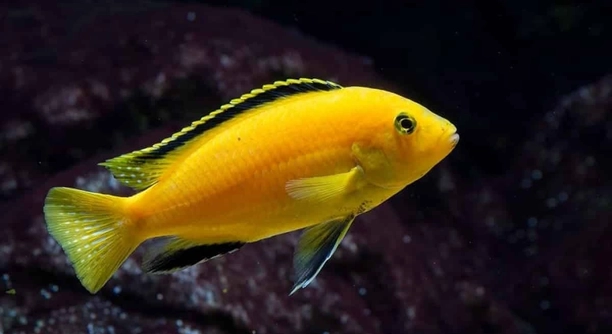
Have you ever noticed how quickly your electric yellow cichlid eats and wondered what happens next in its stomach? These vibrant fish have unique digestive habits that influence their health and growth in the aquarium environment.
Electric yellow cichlids possess a relatively simple yet efficient digestive system. Their stomachs and intestines work together to break down protein-rich diets, while specialized enzymes ensure proper nutrient absorption, supporting growth, energy, and overall physiological health.
Learning about these processes can improve feeding habits and maintain your cichlid’s well-being in the long run.
How Electric Yellow Cichlids Process Food
Electric yellow cichlids have a straightforward digestive system that efficiently converts food into energy. When they eat, food passes from the mouth into the stomach, where gastric acids start breaking down proteins. Enzymes then continue this process, splitting nutrients into smaller molecules the fish can absorb. Their intestines play a crucial role in extracting vitamins, minerals, and fats, ensuring that each meal supports growth and vitality. Because they are primarily omnivores, a mix of protein and plant matter allows their digestive system to function optimally. Overfeeding can slow digestion, leading to bloating or reduced nutrient absorption, so careful portioning is essential. Additionally, the consistency of food matters; pellets and flakes break down differently than live or frozen options. Regular feeding schedules help maintain a stable digestive rhythm, preventing stress and supporting overall health. Understanding these aspects allows owners to make informed choices about diet and care.
Proper digestion keeps electric yellow cichlids healthy and energetic. Balanced portions prevent bloating and support long-term growth.
A well-maintained diet directly influences activity levels and coloration. Fish that digest food efficiently show brighter hues and more active swimming patterns. Observation of eating behavior can indicate digestive health. Irregular feeding or unsuitable food can disrupt the digestive process, making the fish lethargic or prone to illness. By providing high-quality food, monitoring portions, and maintaining water quality, digestion remains consistent. Offering occasional vegetables or specialized pellets ensures nutrient variety and prevents deficiencies. Additionally, avoiding sudden dietary changes helps prevent digestive upset. Even small adjustments in feeding frequency or type can have noticeable effects on growth and vitality. Owners often find that healthier digestion reduces waste and maintains cleaner aquarium conditions. Over time, understanding these patterns builds confidence in managing a thriving cichlid environment. Paying attention to these details promotes both physical health and behavioral stability.
Factors Affecting Digestion
Water temperature plays a key role in digestion for electric yellow cichlids. Warmer water increases metabolic rates, while cooler water slows enzymatic activity, impacting nutrient absorption.
Diet composition, feeding frequency, and tank conditions all influence digestive efficiency. Protein-rich foods require sufficient enzymes, while fibrous plant matter needs time to pass through the gut. Overfeeding can strain the digestive system, leading to bloating or constipation. Regular observation allows owners to adjust portions and types of food based on activity levels and appetite. Consistency in feeding schedules supports stable digestive rhythms, which reduces stress and improves overall health. Live foods stimulate natural feeding instincts and can enhance enzyme activity, while pellets and flakes offer convenience and controlled nutrition. Balancing these options ensures optimal digestion and nutrient uptake. Tank maintenance, such as regular water changes and proper filtration, prevents digestive issues caused by poor water quality. Recognizing subtle signs like slowed movement or uneaten food helps owners intervene early. By understanding these factors, electric yellow cichlids remain healthy, vibrant, and active, with efficient digestion supporting every aspect of their physiology.
Common Digestive Issues
Digestive problems in electric yellow cichlids often stem from overfeeding or poor diet quality. Constipation and bloating are frequent signs, while sudden changes in behavior can indicate underlying issues. Maintaining a balanced diet helps prevent these complications.
Monitoring feeding amounts is crucial. Overfeeding can lead to undigested food remaining in the stomach, causing bloating, constipation, and stress. Uneaten food can also degrade water quality, further impacting digestion. Choosing high-quality pellets or flakes designed for cichlids ensures proper nutrient absorption. Occasionally offering vegetables like peas can help prevent constipation. Observing how quickly your cichlid eats and how often it defecates provides insight into its digestive health. Proper portioning and regular feeding schedules support a stable and efficient digestive system, reducing the risk of long-term problems.
Stress and water quality play a large role in digestion. Rapid changes in temperature or pH can slow enzyme activity, leading to digestive discomfort. Tank overcrowding increases competition for food, often causing hurried feeding, which can result in swallowed air and bloating. Consistent monitoring and gradual adjustments in diet or environment help mitigate these issues. Combining proper diet, regular feeding, and stable tank conditions ensures the digestive system functions smoothly, promoting vibrant coloration, active behavior, and overall well-being in electric yellow cichlids.
Enzyme Function and Nutrient Absorption
Digestive enzymes are essential for breaking down proteins, fats, and carbohydrates into usable nutrients. Without them, energy intake and growth are compromised. Proper diet ensures enzymes work effectively.
Protein from pellets, flakes, or live foods is broken down by proteases, while lipases target fats, and amylases handle carbohydrates. A diet lacking balance can reduce enzyme efficiency, slowing nutrient absorption and affecting growth. Live foods can stimulate natural enzymatic responses, while plant matter adds fiber to maintain gut health. Regular feeding intervals allow enzymes to work consistently, ensuring nutrients are fully absorbed. Maintaining clean water prevents stress that can interfere with enzymatic activity. By providing the right mix of protein, fats, and plant material, digestion remains efficient, supporting both physical health and energy levels in electric yellow cichlids.
Efficient enzyme function depends on diet quality, feeding consistency, and water stability. Enzyme activity peaks in optimal conditions, promoting growth, bright coloration, and active swimming. Sudden dietary shifts or low-quality food can reduce efficiency, causing slower digestion and nutrient deficiencies. Monitoring the fish’s response to different foods helps maintain enzyme balance. Including occasional live or frozen options encourages natural feeding behavior and supports enzyme production. Keeping the tank free of waste and maintaining proper temperature and pH levels minimizes stress that could interfere with digestion. A combination of quality food, stable environment, and attentive care ensures the fish’s digestive system remains effective.
Feeding Frequency
Electric yellow cichlids digest small meals more efficiently than large, infrequent feedings. Dividing daily portions into two or three meals reduces stress on their digestive system.
Consistent feeding times help regulate metabolism and maintain energy levels. Irregular schedules can lead to overeating or digestive slowdowns, so sticking to a routine is important for overall health.
Signs of Healthy Digestion
Healthy digestion is reflected in consistent appetite, regular defecation, and active swimming behavior. Bright coloration also indicates proper nutrient absorption. Observing these behaviors helps track digestive health.
Effects of Fiber in Diet
Fiber helps electric yellow cichlids maintain smooth digestion and prevent constipation. Occasional vegetables like peas or spinach promote gut motility and overall digestive efficiency. A balance of protein and fiber supports optimal nutrient absorption and reduces bloating risk.
Monitoring Waste
Observing waste provides insight into digestive health. Normal, well-formed feces indicate proper nutrient processing, while irregular or discolored waste may signal dietary issues or illness.
FAQ
How often should I feed my electric yellow cichlid?
Electric yellow cichlids do best with small meals two to three times a day. Overfeeding can slow digestion, cause bloating, and reduce nutrient absorption. Dividing the daily ration into multiple feedings keeps their digestive system working efficiently and prevents stress. Maintaining a consistent feeding schedule also stabilizes metabolism and activity levels.
What types of food are easiest for them to digest?
High-quality cichlid pellets and flakes are formulated to support digestion. Live or frozen foods like brine shrimp or bloodworms provide protein and stimulate natural enzymatic activity. Occasional plant matter, such as peas or spinach, adds fiber to help prevent constipation. A balanced diet of protein, fats, and fiber ensures the digestive system functions smoothly. Avoid low-quality food, as it may be hard to digest and lead to waste buildup in the tank.
How can I tell if my cichlid’s digestion is healthy?
Healthy digestion is visible through appetite, activity, and waste. A cichlid that eats consistently, swims actively, and produces firm, regular feces generally has a well-functioning digestive system. Bright coloration is also a sign of proper nutrient absorption. Irregular or soft waste, loss of appetite, or lethargy may indicate digestive stress or dietary problems that need attention. Regular observation helps identify issues early.
Can temperature affect digestion?
Yes, water temperature strongly influences enzyme activity and metabolic rate. Warmer water speeds up digestion but can increase stress if too high. Cooler water slows enzyme function, leading to slower nutrient absorption. Maintaining a stable temperature within the recommended range for electric yellow cichlids helps digestion remain consistent and supports overall health. Sudden temperature changes should be avoided to prevent stress and digestive disruption.
Is overfeeding a problem for electric yellow cichlids?
Overfeeding is one of the most common issues affecting digestion. Excess food can remain undigested, leading to bloating, constipation, and poor nutrient absorption. Uneaten food can also pollute the tank, worsening water quality and creating additional stress. Feeding appropriate portions based on size, age, and activity level ensures the digestive system functions efficiently and reduces the risk of long-term health problems.
What role does fiber play in their diet?
Fiber is crucial for maintaining gut motility and preventing constipation. Occasional vegetables like peas, spinach, or zucchini can supplement their protein-based diet. Fiber helps regulate digestion by moving food smoothly through the intestines and supporting nutrient absorption. Too little fiber may slow the digestive process, while too much can reduce protein absorption. Balancing fiber with high-quality protein sources ensures optimal digestive health.
How does water quality influence digestion?
Poor water quality can stress cichlids and slow digestion. High levels of ammonia, nitrites, or nitrates can affect enzyme activity and appetite. Clean, well-filtered water supports normal digestion and nutrient absorption. Regular water changes, proper filtration, and monitoring of pH and temperature are essential to maintaining a stable environment that promotes healthy digestion. Stress-free conditions allow the digestive system to function properly.
Should I change their diet periodically?
Gradual diet changes are beneficial but should be done carefully. Sudden switches in food type can upset digestion, cause bloating, or result in nutrient deficiencies. Rotating between high-quality pellets, flakes, and occasional live or frozen foods ensures a balanced nutrient intake. Adding plant matter periodically provides fiber and supports gut health. Observing how the fish responds helps adjust portions and food types without disrupting digestive efficiency.
Can stress affect digestion?
Stress has a direct impact on digestion. Overcrowding, aggressive tank mates, or sudden environmental changes can slow enzyme activity and nutrient absorption. Stress can lead to irregular feeding, bloating, or reduced activity. Maintaining a calm, stable environment with proper tank size, hiding spaces, and consistent care allows the digestive system to function effectively. Observing behavior and addressing sources of stress supports long-term digestive health.
How do I manage constipation in electric yellow cichlids?
Constipation is often caused by overfeeding or low-fiber diets. Providing peas or other fibrous vegetables can help relieve blockage. Adjusting feeding amounts and frequency ensures the digestive system processes food efficiently. Maintaining clean water and proper temperature supports enzyme activity and gut motility. Regular monitoring of waste consistency and appetite helps prevent recurring digestive issues.
Can digestive problems affect growth and color?
Yes, poor digestion limits nutrient absorption, affecting growth rates and coloration. Fish that cannot process protein, fats, and vitamins effectively may appear dull, grow slowly, or become lethargic. Supporting digestion with balanced meals, consistent feeding schedules, and stable environmental conditions promotes healthy growth and vibrant coloration. Attention to digestive health is essential for long-term vitality.
What is the best way to prevent digestive issues?
Prevention involves a combination of proper diet, controlled feeding, stable water conditions, and careful observation. High-quality food, appropriate portions, and regular meal times support enzyme function. Maintaining tank cleanliness, proper temperature, and minimal stress ensures the digestive system works efficiently. Regularly monitoring appetite, activity, and waste helps catch early signs of digestive problems, keeping electric yellow cichlids healthy and active.
This FAQ provides practical, actionable information to manage and maintain efficient digestion in electric yellow cichlids, supporting their overall health, color, and activity in the aquarium.
Understanding the digestion of electric yellow cichlids is key to keeping them healthy and active. Their digestive system, while straightforward, relies on a balanced diet and consistent care to function properly. Feeding small, regular meals prevents stress on the stomach and intestines, helping the fish absorb nutrients effectively. Protein-rich foods such as pellets, flakes, or live options provide energy and support growth, while occasional plant matter adds fiber that aids smooth digestion. Observing how your cichlid eats and behaves after meals can give clues about the state of its digestive system, allowing for small adjustments to feeding routines when needed.
Water quality and environmental stability also play a major role in digestion. Electric yellow cichlids are sensitive to changes in temperature, pH, and chemical levels. Even minor fluctuations can slow enzyme activity, reduce appetite, or cause digestive discomfort. Regular water changes, proper filtration, and a stable tank environment are essential to support efficient digestion. Stress from overcrowding, aggressive tank mates, or sudden environmental changes can also negatively affect nutrient absorption. By maintaining a calm, consistent environment and providing high-quality, properly portioned food, owners can reduce the risk of digestive issues and ensure their fish remain energetic, colorful, and healthy.
Digestive health directly impacts overall vitality and appearance. Fish that digest food properly display bright coloration, consistent growth, and active swimming behavior. Problems such as bloating, constipation, or irregular waste often indicate a need to adjust diet, feeding frequency, or environmental conditions. Regular observation and small, informed changes are effective ways to prevent long-term digestive problems. A balance of protein, fats, and fiber, combined with clean, stable water and consistent care, keeps the digestive system functioning efficiently. Paying attention to these details ensures that electric yellow cichlids thrive, maintaining both physical health and vibrant appearance over time.

Hello,
If you enjoy the content that we create, please consider saying a "Thank You!" by leaving a tip.
Every little bit helps us continue crafting quality advice that supports the health, happiness, and well-being of pets around the world, for pets of all shapes, sizes, and species.
We really appreciate the kindness and support that you show us!