
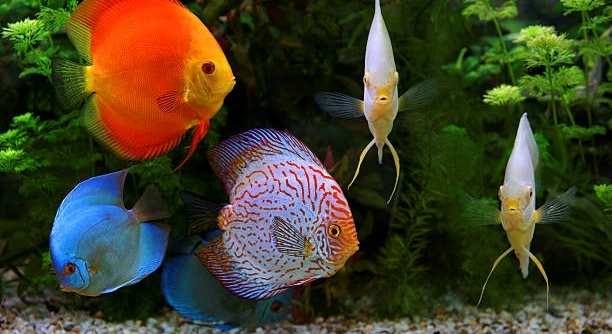
Many people enjoy keeping discus fish for their beauty and calm nature. These colorful fish often live in groups, which leads to questions about how they interact with each other. Understanding their social behavior can help in caring for them better.
Discus fish do recognize other fish, especially those in their group or territory. They use visual cues and behavior to identify familiar individuals, which plays a role in social bonding and establishing hierarchies within their community.
Exploring these social facts will give you a clearer idea of how discus fish relate to one another and how this affects their well-being in an aquarium setting.
How Discus Fish Identify Each Other
Discus fish rely mainly on their keen eyesight to recognize other fish. They notice colors, patterns, and body shapes to tell individuals apart. Over time, they remember specific markings and behaviors that make certain fish familiar. This recognition helps reduce aggression and supports group harmony. In a tank with many fish, discus tend to focus on the ones they see most often. They also use subtle body movements and postures to communicate. These signals let them show dominance or submission without fighting. This system keeps their social life balanced and peaceful. When a new fish enters their space, discus take some time to adjust and figure out if the newcomer is a threat or a potential companion. This behavior is part of their natural instinct to protect their territory while maintaining social bonds.
In short, discus fish use sight and behavior to recognize and remember other fish in their environment, helping maintain social order.
Recognizing one another is crucial for discus fish because it affects how they behave in groups. Without this ability, constant fights could break out, making their environment stressful. When they identify familiar fish, they tend to swim calmly together and share space better. This recognition also helps during breeding, as discus often pair with fish they know well. Understanding how they identify each other can improve how you set up their tank, ensuring a peaceful community.
Social Behavior of Discus Fish
Discus fish are social creatures that enjoy being in groups called shoals. They feel safer and more comfortable when surrounded by other discus.
They often form strong bonds with certain tank mates and show signs of cooperation, such as swimming in synchrony or guarding each other. These bonds are important for their mental health. If kept alone or with incompatible fish, discus can become stressed or shy. Group living also helps them compete less aggressively for food and space. In nature, this behavior helps protect them from predators. At home, it creates a calmer tank environment. Observing these social interactions can be rewarding and helps you notice if a fish is feeling out of place or unwell.
When you understand their social behavior, you can create a setup that meets their needs, improving their overall happiness and health.
Recognition Through Scent and Sound
Discus fish rely less on scent and sound compared to vision for recognizing others. Their environment underwater limits how far these senses can travel. Still, subtle chemical signals might play a small role in identifying familiar tank mates or rivals.
Chemical cues in the water help discus detect stress or changes in health among their group. These signals are not as strong as visual cues but can influence behavior, especially when fish are close. Sound is mostly used for communication through body movements or water vibrations rather than recognition. This shows discus fish mainly depend on what they see but use other senses to support social interactions.
While vision dominates their recognition, scent and sound offer additional information that helps discus maintain group cohesion and respond to environmental changes.
Impact of Recognition on Behavior
When discus fish recognize each other, they show less aggression and more cooperation. Familiar fish tend to swim together calmly and share hiding spots without conflict.
Recognition also reduces stress in discus fish, making them more comfortable and less likely to fight over territory or food. Fish that do not recognize each other might display territorial behavior or chase one another. This can cause injuries or long-term stress. Recognizing familiar fish leads to smoother social dynamics, especially in tanks with multiple discus. It helps them focus energy on feeding and growth rather than constant defense. This behavior highlights the importance of stable groups and proper tank management for keeping discus healthy and peaceful.
Familiarity Affects Group Stability
Discus fish tend to form stable groups with individuals they recognize. This familiarity lowers tension and creates a peaceful environment.
Newcomers may cause stress until they are accepted. Gradual introductions help discus adapt and maintain group harmony.
Recognition During Breeding
Discus fish are selective when it comes to choosing breeding partners. They often prefer mates they recognize from their group. This recognition helps strengthen pair bonds and increases the chances of successful spawning. Familiarity reduces aggression between pairs, allowing them to focus on caring for their eggs and fry.
Signs of Recognition
Discus fish show recognition by swimming closer to familiar fish and mirroring their movements. They also reduce aggressive displays toward known tank mates.
How do discus fish show they recognize other fish?
Discus fish show recognition mainly through their behavior. When they see a familiar fish, they often swim close together and mimic each other’s movements. They might also reduce aggressive postures like flaring fins or chasing. This calm interaction is a sign they feel comfortable and recognize the other fish as part of their group. Sometimes, they swim side by side or share hiding spots, which is unusual for unfamiliar or new tank mates. These subtle behaviors help keep peace in the aquarium.
Can discus fish recognize fish from different species?
Discus fish mainly recognize members of their own species because they rely heavily on visual patterns and behavior specific to discus. While they may notice fish from other species, they don’t usually form strong social bonds with them. Recognition across species is limited and more about reacting to threats or competition rather than friendship. So, discus fish are better at recognizing their own kind, which helps maintain stable groups and reduces conflict inside the tank.
Do discus fish remember other fish after separation?
Discus fish have a good memory for recognizing familiar fish, even after being separated for a while. When reunited, they usually respond with less aggression compared to meeting a stranger. This memory helps keep social bonds strong. However, the length of memory can depend on how long they were apart and their experiences during separation. It shows that discus fish can recognize individuals over time, which is useful for managing groups in home aquariums or breeding programs.
How does tank size affect discus fish recognition?
In smaller tanks, discus fish tend to recognize each other more easily because they have more frequent interactions and visual contact. Larger tanks can make recognition harder if fish do not see each other regularly. If the tank is too big or crowded, it can increase stress and aggression due to less clear social structure. Keeping discus in a properly sized tank helps them maintain social bonds and reduces conflict, creating a healthier environment.
Does recognition help discus fish avoid fighting?
Yes, recognizing other fish helps discus avoid unnecessary fights. When they know who they are dealing with, they use less energy on aggression and more on swimming calmly or feeding. Recognition helps set social ranks and boundaries without constant conflict. This natural behavior reduces injuries and stress, which is important for their health. When new or unfamiliar fish enter the tank, aggression might increase until they are recognized or accepted.
Can discus fish recognize humans?
Discus fish do recognize their owners to some extent. They learn to associate humans with feeding times and may swim closer or show less fear when their owner approaches. This recognition is based on repeated positive experiences rather than true understanding of human identity. While they do not bond with humans like some pets, they can become comfortable and respond to regular care routines.
How can I help my discus fish recognize new tank mates?
Introduce new fish slowly to reduce stress and aggression. Use a tank divider or place new fish in a separate container inside the tank for a few days. This allows discus to see and get used to the newcomers without direct contact. Gradual introduction helps discus recognize new fish more peacefully. Keeping water conditions stable and providing plenty of hiding spots also supports smoother social integration.
Why do some discus fish still fight despite recognition?
Even with recognition, discus fish may fight due to factors like overcrowding, stress, or competition for food and territory. Illness or changes in the tank environment can also increase aggression. Sometimes, individual personalities or dominance struggles cause conflict despite familiarity. Monitoring the tank setup and fish behavior can help identify and reduce triggers for fighting.
Do discus fish recognize their offspring?
Discus fish show strong parental care, often guarding their eggs and fry closely. They seem to recognize their own offspring through visual and behavioral cues. Parents clean and protect the young until they are ready to swim on their own. This recognition is important for survival and ensures parents invest energy in their own young rather than others’.
Can discus fish forget fish they once recognized?
It is possible for discus fish to forget individuals if separated for a very long time or if social conditions change drastically. Memory may fade without regular interaction. However, they generally remember familiar fish within a reasonable timeframe, which helps maintain group stability. Consistent social groups help discus fish keep recognition fresh and reduce stress.
Discus fish have a unique way of recognizing other fish, especially those they live with. They mainly use their eyesight to spot familiar colors and patterns. This helps them know who belongs in their group and who is new or different. By recognizing each other, discus fish can stay calmer and avoid unnecessary fights. This is important because a peaceful tank means healthier fish. When discus feel safe and comfortable, they show less stress and behave more naturally, which is good for their overall well-being.
In groups, discus fish build social bonds that help keep the community stable. They swim together, share spaces, and communicate with subtle body movements. These behaviors show that they remember and accept certain fish. When new fish are added to the tank, discus take time to learn about them. Sometimes, this causes temporary tension, but with patience, most discus adjust and form new relationships. Proper tank care, like keeping enough space and good water quality, supports these social interactions. Knowing how discus fish recognize and interact with each other helps owners create a better home for them.
Understanding discus fish recognition is useful for anyone who keeps these fish. It helps explain why they behave in certain ways and how to reduce conflicts in the tank. By paying attention to their social habits, owners can improve their care routines. This includes introducing new fish slowly, avoiding overcrowding, and observing how discus react to each other. When discus fish feel recognized and accepted, they live happier and healthier lives. This makes the aquarium a more enjoyable place for both the fish and their owners.

Hello,
If you enjoy the content that we create, please consider saying a "Thank You!" by leaving a tip.
Every little bit helps us continue crafting quality advice that supports the health, happiness, and well-being of pets around the world, for pets of all shapes, sizes, and species.
We really appreciate the kindness and support that you show us!