
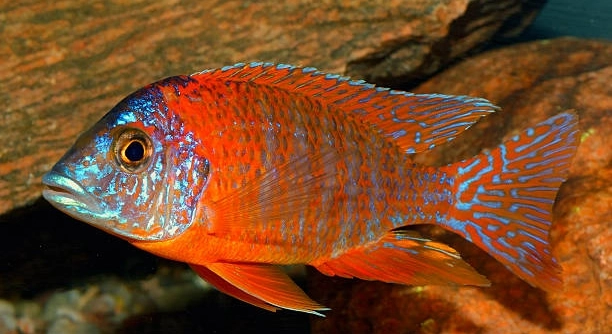
Convict cichlids are colorful, active fish that often capture the attention of aquarium enthusiasts. Their social behaviors are interesting to observe, and many owners notice interactions that suggest a structured pecking order within their tanks.
Convict cichlids can form hierarchies, with dominant individuals establishing territories and controlling access to resources. Subordinate fish recognize these ranks, which reduces constant conflict and helps maintain stability within their social groups. This behavior is consistent in both wild and captive populations.
Understanding these dynamics can improve tank management and the well-being of all fish involved. Observing their interactions provides insight into natural social structures.
Understanding Convict Cichlid Hierarchies
Convict cichlids are known for their strong social structures. Dominant fish often control prime areas of the tank, including hiding spots and feeding zones. Subordinates accept these roles, which helps reduce aggressive encounters and maintains a sense of order. In many cases, dominance is established through displays rather than constant fighting. These displays can include flaring fins, chasing, or short bursts of chasing. Territorial boundaries are respected once ranks are clear, and even smaller fish adapt to the hierarchy to avoid conflict. Observing these interactions can be surprisingly detailed, showing how each fish understands its position and reacts to changes. Environmental factors, such as tank size and decorations, influence the clarity and stability of the hierarchy. Providing enough space and hiding spots can prevent excessive aggression while allowing natural behaviors to occur. Recognizing these patterns allows aquarists to manage the tank more effectively, promoting a peaceful and balanced environment.
Maintaining a structured environment helps reduce stress and supports healthier fish interactions, allowing both dominant and subordinate fish to thrive.
Dominance shifts can happen over time, especially if new fish are introduced or older ones grow stronger. Subordinate fish often adjust quickly, avoiding conflicts while finding ways to access resources. Understanding these dynamics allows careful observation of feeding patterns, breeding behavior, and territorial changes. Tank setup plays a key role, as sufficient space, decorations, and hiding areas give fish opportunities to express natural behaviors without constant confrontation. Social structure is not rigid but flexible, allowing fish to adapt to changes in their group. Awareness of these behaviors helps aquarists prevent injury and stress-related illness, ensuring the overall health of the tank. Over time, observing how convict cichlids negotiate their social positions can provide insight into their intelligence and adaptability, making the management of their environment smoother and more rewarding.
Signs of a Stable Hierarchy
A stable hierarchy is often seen through consistent behaviors among the fish. Dominant individuals show control without constant aggression.
Subtle cues indicate stability. Fish maintain personal space, and conflicts are brief. Feeding occurs in a predictable manner, and subordinate fish remain aware of dominant positions. Over time, the hierarchy strengthens as fish recognize their roles and boundaries. This stability reduces stress, promotes healthy growth, and encourages natural behavior. Territorial disputes are minimized, and breeding pairs can form without interference. Careful observation of these cues helps maintain a balanced tank, ensuring both dominant and subordinate fish have access to food and shelter. Environmental adjustments, like adding hiding spots or rearranging decorations, can support hierarchy stability. Recognizing these signs early prevents unnecessary stress and promotes long-term harmony within the tank.
Monitoring interactions and adjusting the environment is essential. Dominant fish may shift positions, requiring careful attention. Introducing new fish should be done gradually to avoid destabilizing established ranks. Tank layout impacts visibility and accessibility, which can influence aggression. Providing multiple hiding spots reduces competition, allowing subordinate fish to retreat safely. Observing patterns over several days or weeks gives insight into how individuals interact, revealing whether the hierarchy is solid or needs intervention. Balanced feeding schedules prevent dominant fish from monopolizing resources, and ensuring consistent water conditions supports overall health. Understanding these behaviors and making small adjustments creates an environment where convict cichlids can express natural behaviors, develop social bonds, and coexist peacefully. Over time, this awareness allows for better tank management, reducing conflict and fostering a stable, thriving aquatic community.
Factors Influencing Hierarchy Formation
Tank size, decorations, and hiding spots directly affect hierarchy. Crowded conditions increase aggression, while ample space allows fish to establish territories and reduce conflicts. Environmental complexity plays a key role in social structure.
A larger tank provides room for multiple territories, giving dominant fish control without constant harassment. Subordinate fish can find safe zones and avoid unnecessary stress. Rocks, plants, and caves allow fish to claim spaces, creating natural boundaries. The placement of these features influences how quickly hierarchies form and how stable they remain. Fish learn to navigate these areas, respecting others’ claimed zones. Over time, this setup promotes peaceful coexistence, enabling natural behaviors such as foraging and breeding without constant interference. Adjusting tank layout carefully supports a balanced social environment for all fish.
Feeding routines also impact hierarchy. Dominant fish may assert control during mealtimes, chasing others away if resources are limited. Providing multiple feeding points ensures subordinate fish access to food. Observation of feeding patterns can indicate the strength and stability of social ranks. Gradually, fish adapt to these arrangements, learning when and where it is safe to eat. Regular monitoring allows for timely adjustments, preventing disputes and maintaining health. Environmental enrichment, combined with thoughtful feeding strategies, supports both dominant and subordinate fish, fostering a cohesive, low-stress tank environment that reflects natural social behavior.
Gender and Age Roles
Male and female convict cichlids often show different dominance behaviors. Males are usually more territorial, while females focus on defending eggs or fry.
Age influences hierarchy as well. Older, larger fish often dominate younger ones. Size advantage gives them priority over food and prime hiding spots, establishing clear social ranks. Younger fish adapt by finding safe areas and avoiding confrontation. Breeding pairs can intensify dominance patterns, as males guard territories while females protect offspring. Observing interactions over time highlights how gender and age roles combine to form a stable hierarchy. Adjustments in tank composition can prevent excessive aggression and allow all fish to thrive within their social positions.
Common Aggression Patterns
Dominant convict cichlids often chase or nip at subordinates to assert control. These interactions are usually brief and help reinforce the social order without causing serious harm.
Aggression can increase during feeding or when defending territories. Subordinates quickly learn to respect boundaries, reducing prolonged conflicts. Regular observation ensures that aggressive behavior does not escalate into stress or injury.
Breeding and Hierarchy
During breeding, dominance is more pronounced. Males guard territories while females focus on protecting eggs and fry. Hierarchy helps prevent interference from other fish, ensuring offspring have a higher survival rate. Clear social ranks reduce competition and maintain order within the tank.
Observing Behavioral Changes
Shifts in hierarchy often occur with new introductions or growth. Watching fish interactions helps track stability and address potential conflicts early.
FAQ
How can I tell which convict cichlid is dominant?
Dominant fish are usually larger, more confident, and occupy prime areas of the tank. They display behaviors like flaring fins, chasing subordinates, and controlling hiding spots. Subordinate fish tend to avoid confrontation, keep their distance, and wait for feeding opportunities without challenging the dominant individual.
Do convict cichlids fight constantly to maintain hierarchy?
No. Most conflicts are brief displays or short chases. Once ranks are established, fish rely on recognition rather than continuous fighting. This reduces stress and prevents injuries, allowing both dominant and subordinate fish to coexist peacefully. Environmental structure and sufficient space further reduce the need for constant aggression.
Can hierarchy change over time?
Yes. Hierarchies are flexible. Growth, age, or the introduction of new fish can shift ranks. Older or larger fish may assert dominance over previously dominant individuals. Subordinate fish adapt by finding safe areas, and the hierarchy eventually stabilizes again as all fish learn their roles.
Does tank size affect social structure?
Absolutely. Smaller tanks increase aggression because territories overlap. Larger tanks allow fish to establish separate territories and reduce conflict. Providing hiding spots, rocks, and decorations gives subordinate fish safe spaces. This creates a natural environment where fish can express behaviors without constant stress or competition.
How do breeding pairs affect hierarchy?
Breeding pairs intensify social dynamics. Males guard territories while females protect eggs and fry. Dominant fish maintain control over prime spaces, and subordinates typically respect boundaries. Hierarchy helps ensure the survival of offspring by reducing interruptions and minimizing aggression during sensitive periods.
What role does feeding play in hierarchy?
Feeding time can trigger displays of dominance. Dominant fish often control food access, chasing others away. Providing multiple feeding points allows subordinate fish to eat safely, preventing stress and ensuring all fish receive adequate nutrition. Observing feeding patterns also helps track social dynamics within the tank.
Do subordinate fish ever challenge dominants?
Challenges are rare but can occur when a subordinate grows larger or stronger. These disputes are usually brief and resolved through displays or short chases. Subordinates quickly learn to retreat if they are overpowered, which helps maintain stability within the social structure without prolonged aggression.
Can environmental changes disrupt hierarchy?
Yes. Rearranging tank decorations, adding new fish, or altering hiding spots can temporarily confuse social ranks. Dominant fish may reassert control, and subordinates adjust to new territories. Gradual changes minimize stress and help fish adapt without triggering excessive aggression or injury.
How can I maintain a healthy hierarchy?
Provide a spacious tank with multiple hiding areas and decorations. Monitor fish interactions, offer multiple feeding spots, and introduce new fish gradually. Observing behaviors regularly ensures that ranks remain stable, aggression is minimized, and all fish thrive within a balanced social environment.
Are there signs of an unstable hierarchy?
Unstable hierarchies often show constant chasing, frequent injuries, or stressed behavior in subordinate fish. Dominant individuals may repeatedly harass others, and subordinate fish may hide excessively. Early detection allows adjustments, such as adding space, hiding spots, or separating overly aggressive fish, to restore balance and reduce stress.
Do age and size always determine dominance?
Mostly, yes. Larger, older fish often become dominant due to physical advantage and experience. However, temperament also plays a role. Some smaller fish may assert dominance through aggression or persistence, but size typically determines long-term social rank and access to resources within the tank.
How do I observe hierarchy without stressing the fish?
Watch interactions from a distance and avoid tapping the glass or sudden movements. Note feeding behavior, territory claims, and chasing patterns. Observations over time reveal social structure, dominance shifts, and areas of conflict without interfering with natural behaviors.
Can subordinate fish still thrive in a hierarchical tank?
Yes. With proper space, hiding spots, and multiple feeding areas, subordinate fish can live healthily. Recognizing their role and allowing them safe zones reduces stress, supports growth, and ensures they participate in natural behaviors despite not being dominant.
Do hierarchy behaviors appear in all convict cichlid tanks?
Almost always, though the clarity of the hierarchy depends on tank conditions. Small, bare tanks may increase visible aggression, while well-structured tanks allow subtle social cues to dominate. Fish naturally form social ranks to reduce conflict and maintain order, even in captive environments.
Is hierarchy beneficial for the fish?
Yes. Hierarchy reduces constant fighting, organizes access to resources, and helps maintain a stable social environment. Both dominant and subordinate fish benefit, as social order prevents injuries, reduces stress, and allows natural behaviors like foraging, territorial defense, and breeding to occur smoothly.
How long does it take for a hierarchy to stabilize?
It varies depending on tank size, number of fish, age, and environmental complexity. Some hierarchies form within days, while others may take weeks. Observing fish regularly ensures that ranks stabilize and that subordinate fish adapt without prolonged stress or aggression.
Can hierarchy affect breeding success?
Yes. Stable hierarchies reduce interruptions and stress, allowing breeding pairs to focus on eggs and fry. Dominant males defend territories, and females protect young, increasing survival rates. Subordinates generally respect these boundaries, which promotes successful reproduction in a structured social environment.
What should I do if aggression becomes excessive?
Consider adding hiding spots, increasing tank size, or separating highly aggressive individuals. Adjust feeding strategies with multiple points and monitor fish behavior closely. Small changes can restore balance, reduce stress, and maintain a stable hierarchy without permanently removing fish from the tank.
Do all fish within the hierarchy behave the same?
No. Each fish has a unique role. Dominants assert control, subordinates avoid conflict, and mid-ranking fish may switch roles occasionally. Personality, size, and age influence behavior, and observing these differences helps in understanding the overall social structure and managing the tank effectively.
Can hierarchy behavior be influenced by diet or water conditions?
Indirectly, yes. Poor nutrition or unstable water conditions can increase stress and trigger more aggression. Healthy food, clean water, and consistent conditions support natural behaviors, allowing fish to maintain a clear social order with minimal conflict.
Is hierarchy permanent in convict cichlids?
No. While ranks are generally stable, they remain flexible. Growth, new fish introductions, or environmental changes can alter positions. Subordinates may rise in rank, and dominants can be challenged. Regular observation ensures timely adjustments to maintain a healthy tank environment.
How do I know if my hierarchy is healthy?
Healthy hierarchies have brief displays of aggression, clearly defined territories, and subordinate fish that are active but cautious. Feeding occurs smoothly, injuries are rare, and overall stress is low. A balanced social structure supports growth, breeding, and long-term well-being of all fish.
Can juvenile fish affect adult hierarchies?
Juveniles usually adapt to adult ranks, finding safe areas and avoiding confrontation. However, as they grow, they may challenge mid-ranking or even dominant adults. Monitoring growth and behavior helps manage these changes without destabilizing the established hierarchy.
Are territorial disputes common outside of feeding or breeding?
Yes, but they are typically brief and resolved quickly. Displays, chasing, or short nips help fish establish boundaries. Once roles are understood, disputes decrease, and social order is maintained, allowing the tank to function smoothly.
Do all tank decorations help hierarchy formation?
Not necessarily. Hiding spots, caves, and plants aid in creating territories and safe zones. However, excessive or poorly placed decorations can block sightlines, confuse ranks, or limit movement. Thoughtful arrangement supports natural behaviors and reduces stress for all fish.
Can hierarchy influence disease or injury risk?
Yes. Subordinate fish that are constantly stressed or chased may have weaker immune systems. Dominant fish that engage in excessive aggression risk injury. Maintaining space, hiding areas, and monitoring behavior reduces health risks associated with social stress.
Is it possible to prevent hierarchy entirely?
No. Convict cichlids naturally form hierarchies as part of their social behavior. Efforts should focus on managing space, resources, and tank layout to reduce conflict rather than eliminating hierarchy. Recognizing and supporting social ranks ensures a healthier, more balanced tank.
Does gender ratio affect hierarchy intensity?
Yes. More males can increase competition and aggression, while balanced ratios tend to reduce stress. Understanding how males and females interact allows better management of territories and feeding access, promoting stable social behavior and minimizing conflict in the tank.
How often should I observe hierarchy behavior?
Daily or several times a week is ideal. Regular observation helps track changes, detect aggression, and adjust tank conditions or feeding strategies. Consistent monitoring ensures subordinate fish are safe, dominant fish are not overly aggressive, and the overall hierarchy remains stable and healthy.
Can stress from hierarchy affect fish coloration?
Yes. Subordinate or stressed fish may show faded colors, while dominant fish often display brighter, more vivid patterns. Healthy hierarchy management, proper nutrition, and a well-structured tank help maintain natural coloration and overall vitality of all fish.
What tools help in observing social structure?
A simple notebook, camera, or video recording can track behaviors over time. Noting feeding order, chasing, and territory use allows careful analysis of hierarchy stability and helps identify when interventions or adjustments are needed to maintain a balanced tank environment.
Are hierarchy behaviors the same in the wild and captivity?
Largely yes. Dominance, territory, and social ranking are natural behaviors seen in both environments. Captive conditions may amplify aggression if space is limited, but providing a structured environment allows natural social patterns to emerge as they would in the wild.
Can hierarchy affect compatibility with other fish species?
Yes. Highly territorial or aggressive dominant convict cichlids may harass smaller or passive species. Understanding the social structure and tank dynamics is essential before mixing species to prevent stress, injury, or disruption of both hierarchy and overall tank harmony.
Do subordinate fish ever become dominant without physical growth?
Occasionally, yes. A shift in confidence, experience, or environmental changes can allow a previously subordinate fish to rise in rank. While size often determines long-term dominance, personality and opportunity can influence social mobility within the hierarchy.
What is the best way to introduce new fish into a tank with an established hierarchy?
Introduce new fish gradually using dividers or quarantine tanks. Allow existing fish to adjust before full integration. Monitor interactions carefully to prevent excessive aggression and give subordinate fish safe spaces to retreat. Patience ensures a smoother transition and preserves hierarchy stability.
Can hierarchy impact fish longevity?
Yes. A stable hierarchy reduces stress, limits injury, and allows access to food and shelter. Properly managed social structures contribute to healthier fish, supporting growth, reproduction, and overall lifespan. Disrupted hierarchies, overcrowding, or constant aggression can negatively affect health and shorten life expectancy.
Are there long-term benefits to observing hierarchy?
Understanding hierarchy helps maintain a peaceful tank, optimize breeding, and reduce stress. Observing behaviors allows proactive adjustments, promotes fish health, and ensures both dominant and subordinate individuals thrive in a structured, balanced environment. Regular observation is key to long-term tank success.
Do dominant fish bully subordinates outside of feeding or breeding?
Sometimes, but interactions are usually brief displays or minor chases. Continuous bullying is rare if the tank provides enough space and hiding spots. Dominant fish generally assert authority through short interactions and allow subordinates to coexist safely once ranks are clear.
Can environmental enrichment reduce hierarchy-related stress?
Yes. Providing plants, rocks, and caves creates territories and hiding spots. Subordinate fish can retreat safely, while dominants maintain control of prime spaces. Enrichment encourages natural behaviors, reduces prolonged conflict, and supports both physical and psychological well-being in the tank.
Is it necessary to separate fish to manage hierarchy?
Only in extreme cases. Most hierarchies stabilize naturally with proper tank size, hiding spots, and multiple feeding points. Separation is required if aggression escalates to injury or stress that cannot be mitigated through environmental adjustments.
How do I know if a dominant fish is over-aggressive?
Signs include constant chasing, repeated nips causing injury, monopolizing food, or preventing subordinates from accessing shelter. Observing these behaviors early allows intervention through tank modifications, feeding adjustments, or temporary separation to restore balance.
Can hierarchy influence breeding pair selection?
Yes. Dominant males often secure territories preferred by females, influencing which fish pair and reproduce. Stable hierarchies reduce competition and stress, giving breeding pairs a higher chance of successful egg laying and fry survival without interference from subordinates or rival males.
Does hierarchy affect juvenile survival?
Indirectly. A stable hierarchy reduces harassment and stress for juveniles, especially when parents defend territories. Subordinates respect boundaries, allowing fry to grow safely. Conversely, unstable hierarchies can lead to stress, aggression, and reduced survival rates among young fish.
Are some convict cichlids naturally more dominant?
Yes. Personality, size, and experience influence dominance. Certain fish consistently assert control through displays and territory defense. Recognizing these individuals helps manage tank dynamics, ensuring subordinates have access to resources without excessive stress or conflict.
Can hierarchy be predicted based on initial size or age?
Mostly. Larger, older fish usually become dominant, while smaller or younger fish take subordinate roles. However, observation is necessary to account for personality, temperament, and interactions, as these factors can influence social ranking over time.
Do subordinates ever form alliances?
Not in a complex sense like higher animals, but subordinate fish may temporarily group near safe zones or avoid dominant territories together. These behaviors help reduce stress and provide mutual protection without challenging the established hierarchy.
How can I safely introduce juveniles into a tank?
Add them gradually in areas away from dominant territories. Provide plenty of hiding spots, monitor interactions closely, and ensure multiple feeding points. Gradual acclimation allows juveniles to adapt without triggering excessive aggression or destabilizing established ranks.
Is it normal for hierarchy to shift frequently?
Minor shifts are normal, especially with growth or environmental changes. Major shifts are less common but can occur if a dominant fish is removed or new fish are introduced. Observation helps maintain stability during these transitions.
Can hierarchy influence overall tank harmony?
Yes. Stable hierarchies reduce stress, prevent constant fighting, and ensure all fish have access to food and shelter. Well-managed social structures create a peaceful environment where natural behaviors, growth, and reproduction can occur without unnecessary conflict.
Do tank decorations need regular adjustment for hierarchy stability?
Occasionally. Adjusting decorations can refresh territories, provide new hiding spots, or resolve conflicts. Changes should be gradual to avoid disrupting ranks and increasing stress. Thoughtful adjustments support stable social structure and promote healthy interactions.
How does water quality interact with hierarchy behaviors?
Poor water quality increases stress, which can amplify aggression and destabilize ranks. Maintaining clean, stable conditions reduces tension, supports natural behavior, and ensures hierarchy functions smoothly without unnecessary conflict.
Can hierarchy affect the appearance of subordinate fish?
Yes. Stressed or suppressed fish may lose color or show signs of fatigue. Stable hierarchy, safe spaces, and consistent feeding support healthy appearance and vitality for all fish, regardless of rank.
Do hierarchy behaviors differ between captive-bred and wild convict cichlids?
Patterns are similar, but captive conditions can intensify displays if space is limited. Proper tank setup helps replicate natural conditions, allowing fish to express social behaviors as they would in the wild.
How important is observation for long-term tank management?
Observation is crucial. Monitoring hierarchy allows timely adjustments, prevents excessive aggression, ensures all fish have resources, and promotes healthy growth. Regular attention supports a balanced social structure and a thriving aquatic environment.
Can stress from hierarchy trigger illness?
Yes. Subordinate or constantly harassed fish may have weakened immune systems, making them more susceptible to disease. Managing tank space, hiding spots, and feeding reduces stress and protects overall fish health.
Do dominant fish ever allow subordinates access to prime areas?
Occasionally. Dominant fish may tolerate subordinates in non-critical zones or during non-feeding times. Clear boundaries and sufficient space reduce conflict while allowing subordinate fish safe access to resources without constant harassment.
Can hierarchy behaviors be modified through training?
Not intentionally like human training. Hierarchies are instinctual, shaped by size, age, and environmental conditions. However, careful tank management, space allocation, and feeding strategies can influence social interactions and reduce aggressive behavior.
Are hierarchy behaviors visible at all ages?
Yes, though more subtle in juveniles. Young fish may test boundaries, but full hierarchy becomes clearer as fish grow and assert control over territories, resources, and feeding order.
Do dominant fish always eat first?
Usually, yes. Dominant individuals often assert control during feeding. Providing multiple feeding spots ensures subordinate fish can eat safely, reducing stress and supporting healthy growth for all fish.
Can hierarchy behaviors change with seasonal or environmental shifts?
Yes. Changes in temperature, light, or tank conditions can temporarily alter aggression levels and territorial behavior. Fish adapt, and ranks may shift slightly, but overall hierarchy remains a natural component of their social structure.
Is it necessary to separate breeding pairs from the rest of the tank?
Not always. Stable hierarchies usually allow pairs to breed safely. Separation is only needed if subordinate fish interfere or if aggressive behaviors threaten eggs or fry. Proper tank structure usually supports natural breeding within the social framework.
Do dominant fish protect subordinates from outside threats?
Not in a cooperative sense. Dominants primarily protect their own territory and resources. Subordinates benefit indirectly by learning boundaries and avoiding conflict, which keeps them safe from unnecessary aggression.
How often should tank layout be evaluated for hierarchy support?
Periodic evaluation every few months is helpful. Adjustments may be needed as fish grow or ranks shift. Proper layout supports territories, hiding spots, and stable social structure, reducing stress and conflict for all fish.
Can hierarchy be used to predict breeding success?
Yes. Stable dominant males and attentive females often lead to successful breeding. Hierarchy reduces interference, protects territories, and supports fry survival, making social structure an important factor in reproduction.
Do all fish recognize hierarchy cues immediately?
Not always. New or juvenile fish may take time to understand ranks. Brief displays and minor conflicts help them learn boundaries. Over time, recognition improves, and social order stabilizes naturally.
Can hierarchy affect tank cleaning routines?
Yes. Aggressive or territorial fish may become stressed during maintenance. Planning cleaning around territories and providing temporary hiding spots minimizes disruption and ensures fish remain safe and calm.
Does hierarchy impact interactions with other species?
Dominant convict cichlids may bully smaller or passive species. Awareness of ranks helps manage mixed-species tanks, reducing stress and injury while maintaining stability. Proper space and hiding areas benefit all inhabitants.
Can hierarchy behavior indicate overall tank health?
Yes. Stable, predictable interactions suggest a well-balanced environment. Constant aggression, stress, or injuries may indicate overcrowding, poor conditions, or insufficient resources. Monitoring hierarchy provides insight into the tank’s overall status.
How can I support subordinate fish long-term?
Provide safe zones, multiple feeding points, and
Final Thoughts
Convict cichlids are naturally social fish that form clear hierarchies to maintain order and reduce conflict. Dominant fish establish territories, control access to resources, and protect breeding areas, while subordinate fish learn to recognize these ranks and adjust their behavior accordingly. Observing these interactions shows how structured their social system can be. Even though some displays of aggression occur, most are brief and meant to reinforce positions rather than cause harm. Providing enough space, hiding spots, and environmental enrichment allows all fish to express their natural behaviors safely. When the tank environment is well-organized, stress levels decrease, aggression is controlled, and fish can coexist peacefully. Understanding hierarchy in convict cichlids not only helps in managing the tank but also gives insight into their intelligence and natural instincts. Subordinate fish are not simply passive; they navigate the social system carefully to access food, shelter, and opportunities for growth, showing adaptability and awareness.
Environmental factors have a significant impact on how hierarchies form and stabilize. Tank size, decorations, hiding places, and feeding routines all influence social interactions. Smaller or overcrowded tanks tend to increase competition and aggression because there is limited space for territories. In contrast, larger tanks with thoughtfully placed rocks, plants, and caves allow fish to claim areas, establish boundaries, and retreat when necessary. Multiple feeding points reduce disputes and ensure subordinate fish have access to nutrition. Even small adjustments in layout can support a stable hierarchy, reduce stress, and promote healthy growth. Observing fish behavior regularly helps identify shifts in dominance or emerging conflicts, allowing for timely interventions before stress or injuries occur. Breeding pairs further complicate hierarchy dynamics, as males guard territories and females protect eggs or fry, but a stable social structure ensures reproductive success and overall tank harmony.
Hierarchy is flexible and changes naturally over time. Growth, age, introduction of new fish, or environmental shifts can alter positions, with previously subordinate fish sometimes rising in rank. These changes are usually gradual, and fish adapt to maintain social order. Understanding this flexibility is essential for managing a tank successfully. Patience and careful observation are key. By monitoring interactions, providing proper space, and maintaining stable conditions, dominant and subordinate fish can coexist without excessive conflict. Hierarchy is a natural part of convict cichlid behavior, benefiting both dominant and subordinate fish by reducing stress, preventing injuries, and allowing access to food and shelter. Supporting these social structures creates a balanced, healthy environment where all fish can thrive, grow, and display their natural behaviors consistently. Recognizing the importance of hierarchy allows for better tank management and a more rewarding experience observing these intelligent, territorial fish.

Hello,
If you enjoy the content that we create, please consider saying a "Thank You!" by leaving a tip.
Every little bit helps us continue crafting quality advice that supports the health, happiness, and well-being of pets around the world, for pets of all shapes, sizes, and species.
We really appreciate the kindness and support that you show us!