
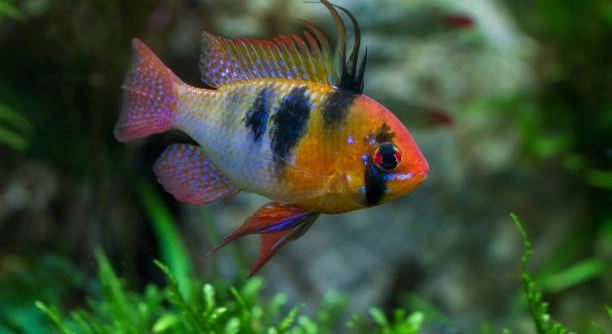
Cichlids are colorful and fascinating fish that attract many hobbyists to home aquariums. Their vibrant patterns and active behavior can make them a centerpiece, but keeping them healthy requires careful attention to breeding practices.
Overbreeding cichlids can lead to overcrowding, stress, and a weakened immune system. Excessive reproduction disrupts social hierarchies, reduces water quality, and increases the risk of disease, making it essential to monitor population growth and implement proper breeding controls.
Recognizing early warning signs helps prevent serious problems and ensures your cichlids remain healthy and thriving in a balanced aquatic environment.
Increased Aggression Among Fish
When cichlids overbreed, their tanks often become crowded, and aggression can spike noticeably. Fish that were once calm may start chasing or nipping at each other constantly. Territorial disputes increase, and dominant fish may prevent others from accessing food or hiding spots. Over time, these behaviors can lead to injuries and stress, which weakens the immune system and makes fish more vulnerable to illness. Stressful environments also reduce breeding success in the long run, even if the population continues to grow. Maintaining enough space and monitoring interactions between fish is crucial. It is important to remove excess fry or separate breeding pairs before tensions escalate. Observing subtle changes, like sudden chasing or repeated fin nipping, can help identify the problem early. Adjusting tank layout with more hiding places can reduce stress but will not fully solve overbreeding issues.
Aggression in an overpopulated tank signals immediate intervention is necessary to protect the fish.
Proper management includes reducing overcrowding and carefully controlling breeding pairs. Creating a balanced environment with ample space, hiding areas, and monitoring interactions reduces stress and prevents further injuries. Feeding should be consistent, and observation of all tank inhabitants is necessary to identify early aggression. Long-term solutions may include relocating excess fish, maintaining separate breeding tanks, and ensuring the aquarium environment supports natural behaviors. Taking these measures preserves both the health and social stability of the cichlids, preventing long-term damage from overbreeding. By maintaining controlled breeding and attentive care, fish remain healthy, territorial conflicts decrease, and the tank’s ecosystem becomes stable, creating a more enjoyable environment. Consistent monitoring and intervention are essential for maintaining both population control and overall fish well-being.
Poor Water Quality
Overbreeding increases waste levels, which quickly deteriorates water quality. Tanks become murky, ammonia spikes, and oxygen levels drop. Regular testing and water changes are necessary to keep fish healthy.
Unchecked water deterioration can lead to illness and stunted growth in cichlids.
High population density produces excess food waste, excrement, and decaying plant matter, all of which contribute to toxic conditions in the tank. Ammonia and nitrite levels rise faster, placing continuous stress on fish. Even with filtration, the biological load may exceed the system’s capacity, making water changes essential. Overcrowded tanks also prevent proper circulation and oxygen distribution, reducing overall fish health. Certain fish may struggle to survive or display abnormal behavior due to constant poor water quality. Maintaining a proper ratio of fish to tank volume, feeding carefully, and performing consistent water maintenance are critical. Overbreeding can be subtle at first, but long-term effects on water quality eventually impact every fish. A clean, balanced environment supports breeding at a healthy pace without risking illness, aggression, or growth problems. Consistent attention to water chemistry preserves the well-being of all tank inhabitants.
Stunted Growth
Overcrowding from overbreeding limits resources, causing young cichlids to grow more slowly. Smaller fish may struggle to compete for food or proper space, affecting their overall development and health.
Limited space and competition for nutrients directly impact growth rates. Juvenile cichlids may remain undersized compared to their peers, and weak fish are more likely to fall ill. Stress from constant interaction with older or more aggressive fish further hinders growth. Uneven development can affect breeding potential later and may create long-term population imbalances in the tank. Monitoring size differences and ensuring proper feeding routines can reduce these effects, though population control is the most effective solution.
Even with adequate nutrition, overpopulated tanks make growth unpredictable. Fish may experience deformities or delayed maturation due to persistent stress. Separating fry into smaller groups and managing adult populations helps ensure healthier, more uniform development. Tank design, hiding spots, and structured feeding schedules also support growth by minimizing competition. Failure to act can create long-term issues, making the tank less stable and reducing the overall health of all cichlids.
Decline in Reproductive Health
Overbreeding can weaken adult cichlids, reducing fertility and hatch rates. Repeated reproduction strains their bodies and limits recovery time.
Constant breeding affects hormone balance, causing eggs and sperm quality to decline. Adults may produce fewer viable offspring, and fry survival rates drop. Long-term overbreeding can shorten lifespans and reduce the overall population’s genetic health.
Managing reproductive cycles is essential to maintain a strong, healthy population. Rotating breeding pairs, limiting fry numbers, and providing rest periods between spawnings allow adults to recover and sustain fertility. Tanks that remain overcrowded prevent proper spawning behavior, as stressed fish may abandon nests or fail to care for eggs. Adequate nutrition, water quality, and population control all support reproductive health. Ignoring these factors can cause cascading problems, including weaker offspring, lower survival rates, and increased susceptibility to disease, making long-term population stability difficult.
Increased Disease Risk
Overcrowding from overbreeding makes cichlids more prone to infections. Close contact spreads bacteria, parasites, and fungal issues quickly, compromising the health of the entire tank.
Stress from limited space further lowers immunity, allowing minor illnesses to develop into serious problems. Maintaining cleanliness and monitoring fish regularly is essential.
Uneven Size Distribution
When too many fry share a tank, larger cichlids outcompete smaller ones for food. Unequal growth creates dominance imbalances and weakens smaller fish. Over time, stunted individuals may struggle to survive or reproduce effectively, affecting the tank’s long-term population health.
Constant Spawning Behavior
Overbred cichlids may breed continuously without proper rest, exhausting their bodies. Constant spawning increases stress, reduces immunity, and can lead to smaller, weaker fry.
FAQ
What are the main signs my cichlids are overbreeding?
Overbreeding often shows through aggression, stunted growth, poor water quality, and constant spawning. You may notice fry numbers increasing rapidly, adult fish appearing stressed, or uneven sizes among juveniles. Observing these signs early helps prevent serious health and behavioral problems in the tank.
How can I reduce aggression in an overpopulated tank?
Aggression is usually caused by overcrowding and territorial disputes. Adding hiding spots, rearranging tank décor, and separating dominant fish can help. Reducing the number of fry or moving breeding pairs to separate tanks is the most effective way to restore balance and calm stressed fish.
How do I improve water quality with too many fish?
Regular water changes are essential. Overcrowded tanks produce excessive waste, so testing ammonia, nitrite, and nitrate levels is important. Filtration may need to be upgraded to handle the load, and overfeeding should be avoided to prevent additional contamination. Proper maintenance helps fish remain healthy.
Can overbreeding affect fish growth?
Yes, stunted growth is common in crowded tanks. Juveniles compete for food and space, and stress limits development. Separating fry into smaller groups and ensuring consistent feeding routines helps. Controlling population and giving fish adequate room promotes uniform growth and healthier development over time.
Does overbreeding affect reproductive health?
Continuous reproduction can weaken adult cichlids. Fertility declines, eggs and sperm quality drops, and fry survival decreases. Providing rest periods between breeding cycles, rotating breeding pairs, and keeping adult populations manageable ensures stronger offspring and healthier adults. Overcrowding can prevent proper spawning behavior entirely.
What diseases are common in overbred tanks?
Crowded tanks increase the risk of bacterial, fungal, and parasitic infections. Stress from limited space lowers immunity, allowing minor illnesses to spread quickly. Maintaining clean water, observing fish regularly, and addressing early signs of illness can prevent outbreaks and protect overall tank health.
How do I control fry numbers effectively?
Removing excess fry early is the best approach. Alternatively, separate breeding tanks for adults and fry can prevent overpopulation. Feeding fry appropriately, monitoring survival rates, and not letting every pair breed continuously keeps populations under control without harming fish.
Can constant spawning harm adult cichlids?
Yes, continuous breeding exhausts adult fish, reducing immunity and energy. They may produce weaker fry and experience stress-related health issues. Providing rest periods, limiting simultaneous breeding pairs, and maintaining balanced nutrition helps adults recover and sustain healthy reproduction.
Is tank size a factor in overbreeding problems?
Tank size directly affects overcrowding. Smaller tanks cannot support large populations, increasing stress, aggression, and disease risk. Choosing the right tank size, monitoring population density, and separating fry when necessary ensures fish have space to grow, feed properly, and maintain social stability.
What long-term effects can overbreeding have on my cichlids?
Long-term effects include stunted growth, weakened immunity, lower fertility, increased aggression, and uneven population sizes. Chronic stress may shorten lifespans, reduce fry survival, and make fish more prone to disease. Controlling breeding, maintaining clean water, and managing population density are critical for healthy, stable cichlids.
How often should I check for overbreeding issues?
Frequent observation is key. Daily monitoring allows you to spot aggression, abnormal growth, or spawning behavior early. Regular water testing and checking fry numbers ensures early intervention. Consistent attention prevents minor problems from becoming major health or population concerns.
Are there preventative steps to avoid overbreeding?
Yes, planning breeding cycles, maintaining separate breeding tanks, limiting pairs per tank, and monitoring fry numbers are essential. Ensuring adult fish have recovery periods and maintaining proper nutrition supports long-term health. Prevention reduces stress, aggression, and the risk of population imbalances.
What is the best way to balance population naturally?
Separating fry, rotating breeding pairs, and using multiple tanks when necessary helps maintain population control. Avoid letting every pair reproduce continuously. Balanced population density minimizes aggression, supports growth, and maintains overall tank stability while keeping fish healthy.
How does nutrition impact overbreeding issues?
Proper feeding reduces competition and stress. Overcrowded tanks often see unequal access to food, causing stunted growth and weaker immunity. Feeding consistent, measured portions ensures all fish receive adequate nutrition, supporting healthy development and reproductive performance.
Can I keep overbreeding under control without removing fish?
In small or medium tanks, controlling numbers without removing fish is challenging. Using separate breeding tanks, carefully timing breeding pairs, and monitoring fry survival helps. However, population management often requires relocating excess fish to maintain healthy conditions for both adults and juveniles.
How do hiding spots reduce stress and aggression?
Hiding spots provide refuge for weaker or smaller fish. They reduce conflicts by giving fish places to escape during territorial disputes. Rearranging tank décor or adding rocks, plants, or caves helps reduce constant chasing and improves overall well-being, especially in overpopulated conditions.
What should I do if disease spreads in an overcrowded tank?
Immediate action is necessary. Quarantine sick fish, perform partial water changes, and treat infections with appropriate medication. Reducing population density and improving filtration prevents further spread. Consistent monitoring and early detection are critical to controlling outbreaks effectively.
Does overbreeding affect social behavior in cichlids?
Yes, crowded tanks disrupt social hierarchies. Dominant fish may bully others, juveniles may fail to establish territories, and overall interactions become tense. Restoring balance through population control and tank adjustments improves social behavior, reduces stress, and supports healthy development.
How do I know when intervention is required?
Intervention is necessary when aggression, poor growth, constant spawning, or declining water quality appears. Early action prevents long-term health problems and stabilizes the tank. Monitoring daily behaviors and tank conditions ensures timely response to overbreeding issues.
What are simple steps to prevent overbreeding long-term?
Maintain separate breeding areas, limit the number of active pairs, rotate adults, and remove excess fry. Keep tanks clean, monitor health, and ensure adequate nutrition. Consistent attention to population control prevents stress, aggression, and health problems, supporting a stable, thriving cichlid community.
How often should I rotate breeding pairs?
Rotating breeding pairs every few months allows adults to recover. Overbreeding strains their bodies, reduces fertility, and increases stress. Structured rotation maintains reproductive health, supports strong fry, and ensures balanced population growth without overtaxing any individual fish.
Can I use tank size to prevent overbreeding naturally?
Yes, larger tanks provide more space, reducing stress, aggression, and competition. They allow fry and adults to coexist with less conflict, supporting healthier growth and reproduction. Adequate space helps maintain stable populations without frequent intervention.
What is the most effective way to monitor overbreeding?
Observe aggression, spawning behavior, fry numbers, and growth patterns regularly. Test water quality and note any signs of disease. Keeping records of breeding cycles, population size, and health indicators helps identify problems early and supports timely corrective actions.
How do I maintain healthy cichlids while controlling breeding?
Combine population control, proper nutrition, clean water, and adequate space. Monitor fish behavior, rotate breeding pairs, separate fry when necessary, and provide hiding spots. Consistent care and early intervention maintain health, prevent overbreeding problems, and support long-term stability in the tank.
What is the impact of ignoring overbreeding signs?
Ignoring overbreeding leads to stunted growth, weakened immunity, higher disease risk, and chronic stress. Fry survival drops, adult fertility declines, and aggressive behavior increases. Over time, tank stability is compromised, and long-term fish health suffers, making intervention essential for a thriving aquarium.
Can overbreeding affect tank aesthetics?
Yes, overcrowded tanks often appear chaotic. Excess fry, stressed adults, and poor water quality reduce visual appeal. Fish may hide more, grow unevenly, or display injuries, making the tank less attractive and enjoyable. Managing population maintains both fish health and visual balance.
How do I balance multiple breeding pairs?
Use separate tanks or dividers to control interactions. Rotate pairs periodically, provide adequate space, and monitor fry production. Structured management prevents aggression, supports adult recovery, and ensures offspring have proper growth conditions without overcrowding the tank.
Are there signs of chronic stress from overbreeding?
Yes, constant chasing, loss of appetite, frequent hiding, and dull coloration indicate stress. Chronic stress reduces immunity and growth, and increases disease susceptibility. Early recognition allows corrective actions, including population control, environmental adjustments, and improved nutrition.
How important is observation in preventing overbreeding problems?
Observation is critical. Daily monitoring of behavior, water quality, and population numbers detects early warning signs. Timely intervention prevents aggression, stunted growth, and health issues, ensuring a balanced and thriving tank ecosystem.
Can diet alone fix overbreeding effects?
Diet helps reduce stress and supports growth, but it cannot solve overbreeding. Population management, tank adjustments, and reproductive control are essential. Balanced nutrition complements proper care but does not replace intervention in overcrowded conditions.
What are the first steps when overbreeding is detected?
Identify overcrowded areas, separate excess fry or adults, check water quality, and monitor aggressive behaviors. Adjust tank layout with hiding spots and ensure proper feeding. Early action prevents escalation and supports both adult and juvenile health.
Is it possible to maintain a healthy tank with occasional overbreeding?
Yes, if population is managed carefully. Removing excess fry, rotating breeding pairs, and maintaining water quality allows occasional overbreeding without long-term harm. Consistent monitoring and intervention are key to preserving health and stability.
How do hiding spots help fry survive in crowded tanks?
Hiding spots protect smaller fish from dominant adults and aggressive peers. They reduce stress, improve growth potential, and allow fry to access food safely. Strategic décor placement can significantly improve survival rates in overpopulated tanks.
Can overbreeding reduce lifespan in cichlids?
Continuous breeding and overcrowding increase stress, weaken immunity, and raise disease risk. These factors collectively shorten lifespan. Proper population control, balanced nutrition, and adequate space help adults live longer, healthier lives.
What long-term monitoring practices are recommended?
Keep track of fry numbers, adult behavior, spawning frequency, water parameters, and growth rates. Documenting trends helps identify overbreeding early and allows timely interventions to maintain a healthy, stable population over time.
How do I prevent aggression while controlling breeding?
Reduce population density, separate dominant fish, add hiding places, and rotate breeding pairs. Managing tank layout and spacing ensures calmer interactions, less stress, and safer environments for all cichlids.
How much space do cichlids need to prevent overbreeding stress?
Space requirements depend on species and number of fish. Generally, larger tanks with adequate hiding spots reduce aggression, stress, and competition. Ensuring proper volume per fish supports healthy growth, social balance, and reproductive health.
What are warning signs of weak fry due to overbreeding?
Stunted growth, lethargy, frequent hiding, or being chased by larger fish indicate weak fry. They may fail to compete for food or survive long-term. Separating them and providing proper care improves survival chances.
How can I support adult cichlids’ recovery after breeding?
Provide rest periods, reduce tank stress, ensure high-quality food, and maintain clean water. Separating adults from fry when needed allows recovery, strengthens immunity, and supports future reproductive health.
What adjustments can prevent overbreeding in the first place?
Limit active breeding pairs, rotate adults, use separate fry tanks, and maintain clean water. Monitoring behavior, providing hiding spots, and controlling population size prevent overcrowding and its negative effects.
How important is water testing in overbreeding management?
Frequent testing for ammonia, nitrite, nitrate, and pH ensures water remains safe despite high bioload. Early detection of chemical imbalances prevents stress, disease, and stunted growth, supporting overall tank health.
Does overbreeding affect fish coloration?
Yes, stress and poor nutrition from overbreeding often dull colors. Healthy, unstressed fish display brighter, more vivid coloration. Maintaining balanced populations, proper feeding, and water quality restores and preserves natural hues.
Can overbreeding be reversed if detected late?
Yes, with prompt action. Removing excess fry, controlling breeding pairs, improving water quality, and reducing stress can restore health and growth. Recovery may take time, but careful management can reverse many negative effects.
How do I ensure a stable, healthy cichlid tank long-term?
Control breeding, manage population density, maintain clean water, provide proper nutrition, and monitor behavior consistently. Separation of fry, rotating breeding pairs, and adequate space all support long-term health, growth, and stability in the tank.
What are common mistakes when managing overbreeding?
Ignoring early signs, overcrowding tanks, overfeeding, and neglecting water quality are common mistakes. Failing to separate fry or provide hiding spots also increases stress and aggression. Proactive management prevents most problems before they escalate.
How do I balance population and tank aesthetics?
Maintaining manageable numbers, separating fry, and arranging décor strategically keeps the tank visually appealing while supporting healthy fish interactions. Balanced populations reduce stress and aggression, making the aquarium both functional and attractive.
How often should I inspect fry growth and health?
Check fry daily for growth, feeding success, and social interactions. Regular observation allows early detection of stunted development or stress-related issues. Timely adjustments help maintain a healthy, thriving juvenile population.
Are some cichlid species more prone to overbreeding problems?
Yes, highly prolific species or aggressive territorial types often present more overbreeding challenges. Knowing species-specific behavior and growth rates helps plan tank size, breeding pairs, and monitoring schedules to reduce risks.
Can environmental enrichment reduce overbreeding stress?
Yes, adding plants, rocks, caves, or other structures provides hiding spots and reduces conflict. Enriched environments support natural behaviors, minimize stress, and improve growth and survival, especially in crowded conditions.
What is the most effective overall strategy for preventing overbreeding?
Combine population control, breeding rotation, proper tank design, hiding spots, clean water, and balanced feeding. Consistent monitoring ensures early detection of problems. Proactive management prevents aggression, stunted growth, disease, and poor reproductive health, maintaining a thriving, stable cichlid tank.
How do I monitor long-term reproductive health?
Track spawning frequency, egg quality, fry survival, and adult condition. Noting changes in fertility or breeding behavior alerts you to stress or overbreeding effects. Maintaining recovery periods and controlled breeding ensures strong, viable offspring and healthy adults.
What role does stress play in overbreeding issues?
Stress exacerbates aggression, disease susceptibility, poor growth, and reproductive decline. Overcrowding, constant spawning, and poor water quality all contribute. Reducing stress through population control, hiding spots, and proper care mitigates negative outcomes and supports overall health.
Can overbreeding affect juvenile survival long-term?
Yes, stunted growth, competition, and poor water quality reduce survival rates. Weak or small fry may not thrive without intervention. Separating juveniles and maintaining proper tank conditions improves survival and ensures balanced populations.
How do I balance multiple tanks to control breeding?
Designate tanks for adults, breeding pairs, and fry. Rotate pairs, limit simultaneous spawning, and monitor populations. Structured separation ensures adults recover, fry grow safely, and tanks remain healthy and balanced.
Are there indicators that overbreeding has been successfully controlled?
Reduced aggression, healthier growth, stable water parameters, and balanced fry numbers indicate success. Fish display natural coloration, behavior is calmer, and reproduction occurs at a sustainable pace, confirming effective population management.
How much observation time is necessary daily?
Even a few minutes daily to check behavior, fry numbers, and tank conditions is effective. Regular monitoring catches early signs of overbreeding, allowing prompt corrective measures before problems escalate.
What is the safest way to remove excess fry?
Use nets or small containers carefully, ensuring minimal stress. Place fry in separate tanks with proper filtration, food, and hiding spots. Timely removal prevents overcrowding, reduces aggression, and improves growth and survival.
Can overbreeding affect overall tank stability?
Yes, population surges strain filtration, disrupt social hierarchies, and degrade water quality. Managing breeding ensures a stable ecosystem, reduces disease risk, and maintains a healthy, thriving environment for all fish.
How do I prioritize interventions when multiple overbreeding signs appear?
Address aggression, water quality, and population density first. Then focus on fry survival, nutrition, and adult recovery. Prioritizing these areas minimizes stress, prevents disease, and restores balanced growth and reproductive health.
Are there simple daily routines to prevent overbreeding issues?
Feed measured portions, check water quality, observe behavior, and count fry regularly. Small, consistent routines detect problems early, prevent overcrowding, and maintain tank health with minimal stress for both adults and juveniles.
How long does it take to recover from overbreeding problems?
Recovery varies with severity. Minor issues may improve within weeks with proper population control and care. Severe overcrowding, poor water quality, or stressed adults may require months of intervention to restore health, growth, and reproductive balance.
What is the role of filtration in managing overbreeding effects?
Filtration helps handle increased waste from overcrowding, maintaining water quality. Properly sized filters reduce ammonia and nitrite buildup, improve oxygen levels, and lower disease risk, supporting both adults and fry in dense populations.
How can I tell if adult fish are exhausted from constant breeding?
Adults may appear lethargic, lose appetite, display dull coloration, or abandon nests. Reduced spawning success and weaker fry indicate exhaustion. Providing rest periods and reducing population density restores energy and reproductive health.
What preventive measures support fry growth in crowded tanks?
Separate fry by size, provide hiding spots, feed appropriately, and maintain water quality. Controlling adult population prevents competition and aggression, giving juveniles a safe environment to grow healthily and reach their full potential.
How do I maintain long-term tank health with active breeding?
Balance breeding cycles, monitor population density, provide proper nutrition, maintain clean water, and ensure adequate space. Structured management reduces stress, supports growth, prevents disease, and ensures a thriving, stable tank over time.
Can tank décor influence overbreeding outcomes?
Yes, strategically placed rocks, caves, and plants reduce conflict, provide hiding spots, and support natural behaviors. Proper décor minimizes aggression, protects weaker fish, and improves fry survival in crowded tanks.
What are key signs that intervention has failed?
Persistent aggression, stunted growth, declining water quality, frequent disease, and low fry survival indicate intervention is insufficient. Adjustments to population control, tank layout, and breeding practices are necessary to restore balance and health.
**How do I balance adult recovery with ongoing breeding needs?
Final Thoughts
Managing cichlid populations requires careful attention and consistent effort. Overbreeding can happen quickly if breeding pairs are left unchecked, leading to overcrowding, increased aggression, and stunted growth. Each tank has its own dynamics, so observing behavior, monitoring fry numbers, and keeping track of water quality are essential daily tasks. Small changes, such as adding hiding spots or adjusting feeding routines, can make a significant difference in maintaining a calmer, healthier environment. By acting early, you can prevent minor issues from becoming serious problems, ensuring that both adults and juveniles remain strong and healthy.
Proper population control is the foundation of a stable cichlid tank. Separating fry into smaller groups, rotating breeding pairs, and limiting the number of simultaneous spawns all help maintain balance. Overcrowding not only increases stress and aggression but also affects water quality, reproductive health, and overall growth. Adults need recovery periods between breeding cycles to maintain fertility and immunity. Even small adjustments, like spacing out breeding pairs or removing excess fry, can prevent many long-term complications. Consistent attention to tank size, filtration, and nutrition further supports overall stability. A well-managed tank reduces disease risk, promotes healthy development, and ensures that fish display natural behavior and coloration.
Maintaining a healthy cichlid tank over the long term involves combining observation, intervention, and routine care. Paying attention to aggression, growth, reproductive health, and water parameters allows early detection of potential problems. Structured management, including population control and proper nutrition, creates an environment where both adults and fry can thrive. Even in a crowded tank, careful planning and consistent care make it possible to maintain balance, reduce stress, and support healthy reproduction. Overbreeding can be challenging, but with attention to detail and proactive management, a cichlid tank can remain stable, visually appealing, and healthy for years to come.

Hello,
If you enjoy the content that we create, please consider saying a "Thank You!" by leaving a tip.
Every little bit helps us continue crafting quality advice that supports the health, happiness, and well-being of pets around the world, for pets of all shapes, sizes, and species.
We really appreciate the kindness and support that you show us!