
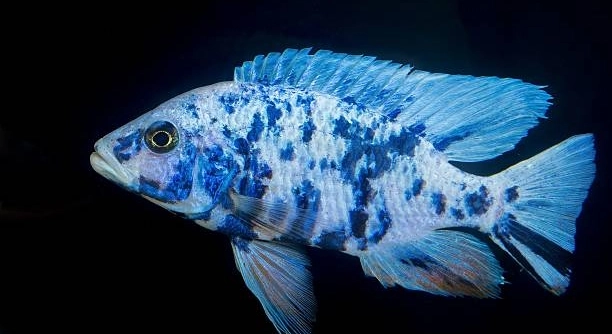
Do you enjoy keeping fish at home but find yourself thinking about how they respond to human presence? Convict cichlids are lively and social within their tanks, sparking interest in their interactions with owners. Their behaviors can be surprisingly engaging.
Convict cichlids are capable of recognizing and responding to humans, showing signs of familiarity and conditioned behaviors. While not affectionate in a mammalian sense, they can learn feeding cues, approach owners, and exhibit interactive responses over time.
Observing these patterns can reveal new ways to interact and care for your cichlids, enhancing both their environment and your enjoyment.
Understanding Convict Cichlid Behavior
Convict cichlids are small, active fish with strong territorial instincts. They are often seen patrolling their tank, guarding hiding spots, and interacting with other fish. Their behavior can seem aggressive at times, but this is natural and helps them establish a sense of security. They respond to movement outside the tank and can learn to associate humans with feeding time. Over weeks of consistent care, they may approach the front of the tank when you enter, following your hand or finger. Observing them closely reveals subtle behaviors, like fin flaring or gentle nudging of tank objects, which indicate curiosity. By providing a structured environment with proper tank size, hiding spots, and regular feeding, you create the conditions for these fish to feel safe. The more stable their environment, the more they will interact with humans, showing recognition and conditioned responses that can feel surprisingly engaging.
Convict cichlids can identify patterns in feeding and respond consistently to human presence.
These fish are intelligent and adapt quickly to routines. They notice differences in who feeds them and may swim toward familiar hands. While they do not form emotional bonds like mammals, they learn to recognize movement and anticipate feeding. You may notice them following your hand along the glass or watching closely when you approach. Tank enrichment, like plants and hiding places, encourages natural exploration. Interaction often increases when the fish feel secure and unthreatened. Over time, these behaviors make daily feeding feel more interactive and satisfying. Consistency in care strengthens this recognition, allowing owners to observe more predictable and engaging responses. By understanding their habits and providing a supportive environment, you can make the fish more responsive without stressing them, creating a balance between observation, interaction, and maintaining their natural instincts.
Ways to Encourage Interaction
Routine and consistency help convict cichlids become familiar with humans.
Feeding patterns play a large role in interaction. Offering food at the same time daily allows the fish to associate human presence with a positive experience. Hand-feeding small pieces can encourage them to approach the glass more confidently. Tank decorations and hiding spots help reduce stress, giving the fish areas to retreat if they feel threatened. Over time, consistent handling of their environment and observation can make them more comfortable with people nearby. Avoid sudden movements or tapping the glass, as this can cause fear rather than curiosity. With patience, the fish begin to anticipate interactions without showing signs of distress. Proper water conditions and balanced nutrition also support active, alert behavior, making them more likely to respond to cues. Encouraging interaction is about creating trust through stability, predictable care, and a gentle approach that respects their natural tendencies.
Patience, consistent routines, and attentive observation make convict cichlids more responsive and interactive.
By maintaining consistent feeding schedules and predictable tank management, owners can cultivate meaningful engagement with their convict cichlids. Over time, fish begin to recognize specific movements and gestures associated with feeding or care, often swimming toward the front when the tank is approached. Providing enrichment through rocks, plants, and hiding spots reduces stress and encourages exploration, which in turn increases the likelihood of interaction. Observing subtle behavioral cues, like following your hand or investigating objects, allows owners to better understand the fish’s comfort levels. Avoiding sudden changes in lighting, temperature, or water quality ensures they remain healthy and alert. Gentle, calm movements when near the tank help the fish distinguish between safe interactions and potential threats. By combining environmental stability, proper nutrition, and routine observation, humans can encourage convict cichlids to respond consistently, creating a more engaging and interactive aquarium experience.
Feeding and Interaction
Regular feeding strengthens recognition. Convict cichlids quickly associate humans with food. Small, consistent portions make them more likely to approach the glass, respond to hand movements, and follow feeding cues without stress.
Hand-feeding encourages engagement. By offering tiny pieces of food directly near the glass, the fish learn to anticipate human presence. Over days, they may swim toward your hand before the food even arrives. This method also allows you to monitor their health closely, noticing changes in appetite or activity. Repetition and calm behavior reinforce this connection, making interactions smoother and more predictable over time.
Environmental enrichment supports interaction. Hiding spots, plants, and varied terrain make the tank feel safe, encouraging fish to explore and approach humans. A secure environment reduces stress, so they are more likely to respond to feeding and display curious behavior. Interaction improves when fish feel unthreatened, making daily care and observation rewarding.
Building Familiarity
Consistent routines help convict cichlids feel secure and recognize patterns, increasing their response to humans.
Movement and presence matter. Regularly spending time near the tank, without sudden motions, allows the fish to adjust to your presence. They begin noticing your approach, gestures, and even changes in lighting or shadows. Over weeks, the fish associate these cues with feeding or activity. Understanding subtle behaviors, like fin flares, circling, or lingering near certain areas, helps you anticipate reactions and interact without causing stress. Creating predictability in the tank environment strengthens familiarity, making the fish more comfortable and responsive.
Positive reinforcement encourages approach. Repeated, calm interactions paired with food or safe tank handling teach the fish to associate humans with non-threatening experiences. Avoid tapping the glass or sudden gestures, which trigger fear. Over time, convict cichlids learn which actions are safe, showing curiosity rather than retreating. Observing their habits, noting their preferred hiding spots, and respecting their space enhances comfort and engagement. Gradual exposure and gentle handling allow them to respond consistently, making feeding, cleaning, and tank observation more interactive and enjoyable for both the fish and the owner.
Recognizing Individual Fish
Convict cichlids show distinct personalities and behaviors. Some are bold and approach humans quickly, while others remain cautious and stay near hiding spots. Observing each fish helps understand their comfort levels.
Tracking individual behavior improves interaction. Noting which fish respond to hand movements or feeding cues allows you to tailor your approach and reduce stress.
Safe Interaction Practices
Avoid sudden movements or tapping the glass, which can startle convict cichlids. Calm, slow actions encourage curiosity and consistent responses. Over time, fish learn to anticipate feeding and care routines without fear. Using predictable gestures and maintaining stable water conditions supports positive interactions and helps fish feel secure.
Using Visual and Auditory Cues
Fish respond to repetitive signals. Light changes, hand movements, or tapping a feeder gently can signal feeding time. Consistency helps convict cichlids recognize these cues and react calmly.
FAQ
Can convict cichlids recognize their owners?
Yes, convict cichlids can recognize humans, mainly through consistent feeding routines and repeated exposure. They notice hand movements, presence near the tank, and even subtle differences in behavior. While they do not form emotional attachments like mammals, they can show familiarity by swimming toward the front of the tank or following a hand slowly moving along the glass. Recognition develops over weeks of consistent care and predictable routines. Fish that are stressed or live in unstable environments may take longer to show these responses.
Do convict cichlids enjoy interaction?
Convict cichlids do not experience enjoyment the same way humans do, but they respond positively to environments where they feel safe and secure. Interaction is mostly about curiosity and conditioned responses. Fish will approach when they anticipate feeding or when they explore a well-decorated tank. Stress-free environments with hiding spots and predictable care routines encourage active behavior. Hand-feeding or observing their exploration reinforces this positive association, making the fish more responsive over time.
How can I encourage convict cichlids to approach me?
Consistency is key. Feeding at the same time each day and using small, predictable gestures help fish associate humans with safety and food. Hand-feeding near the glass gradually encourages them to approach. Avoid tapping the glass or making sudden movements, as this can cause fear rather than curiosity. Creating a stable environment with proper water quality and hiding places reduces stress and encourages natural exploration, making them more likely to respond positively.
Are some convict cichlids more social than others?
Yes, individual behavior varies. Some fish are naturally bolder and approach humans quickly, while others remain cautious and prefer staying near hiding spots. Observing each fish helps understand their comfort levels. Over time, even shy fish can learn to respond to feeding cues, but patience is needed. Tailoring interactions to individual personalities ensures fish remain comfortable and reduces stress, making engagement more consistent.
Will convict cichlids bond with multiple people?
They can recognize multiple people if each follows consistent routines and feeding schedules. Fish learn to associate repeated gestures and approaches with food, so different caretakers can elicit similar responses. However, abrupt changes in behavior or inconsistent routines may confuse them. Predictability and gentle handling by all caregivers help maintain recognition and responsiveness.
Is it safe to touch convict cichlids?
Direct contact is not recommended. While some may tolerate gentle hand presence near the glass during feeding, touching can cause stress and potential injury. Fish are sensitive to changes in water quality and pressure, so it’s best to interact visually or through hand-feeding. Creating safe, predictable interaction methods encourages responses without risking their health.
How long does it take for convict cichlids to respond to humans?
Response times vary. Some fish may begin showing recognition within a week if routines are consistent, while others take several weeks to adjust. Environmental stability, consistent feeding, and calm, predictable movements speed up the process. Fish that experience sudden changes or stress may take longer, requiring patience and steady observation.
Can convict cichlids show signs of stress during interaction?
Yes, stress is visible through behaviors like hiding constantly, rapid swimming, clamped fins, or aggressive territorial displays. Overly frequent tapping, sudden movements, or overcrowded tanks increase stress. Observing these cues helps adjust interactions and tank conditions to maintain a safe and engaging environment for the fish.
Do convict cichlids remember interactions over time?
They have a short-term memory that allows them to learn and respond to repeated cues, especially feeding schedules. Recognition of specific gestures, hand movements, or locations in the tank is possible if interactions are consistent. Memory fades with long periods without regular engagement, so consistent routines help maintain responsiveness.
How can I make interactions more rewarding for the fish?
Provide a safe and enriched environment with hiding spots, plants, and varied terrain. Feed small amounts regularly, use gentle hand movements, and maintain stable water conditions. Avoid sudden gestures or overcrowding. Positive reinforcement through calm, consistent care encourages natural exploration, making fish responsive without causing stress.
Can I train convict cichlids to perform behaviors?
Yes, convict cichlids can learn simple conditioned behaviors through repetition and positive reinforcement. They respond to visual or auditory cues tied to feeding. For example, tapping near the glass or showing food consistently can make them swim toward a specific spot. Patience and consistency are essential, as fish learn slowly and require stress-free environments.
Do convict cichlids bond differently during breeding?
Breeding periods can increase territorial behavior and attentiveness. Fish may become more responsive to nearby movement or feeding cues to protect eggs and fry. Interaction with humans should be minimal to avoid stress. Observing from a distance allows you to notice changes without disturbing natural instincts or provoking aggression.
Can environmental changes affect their interaction with humans?
Yes, sudden changes in water temperature, lighting, or tank layout can make fish wary and reduce responsiveness. Stable, predictable conditions help them feel secure. Gradual adjustments are better when altering the environment, ensuring interactions remain positive and stress-free.
Are younger convict cichlids easier to bond with?
Juveniles are often more curious and exploratory, making them easier to engage in feeding interactions. Adults may be more territorial and cautious, requiring patience and slower approaches. Early consistent exposure to calm human presence can shape long-term responsiveness, while sudden changes or rough handling can create lasting wariness.
How do I know if my convict cichlids enjoy interaction?
Enjoyment isn’t emotional like in mammals, but positive responses include approaching the front of the tank, following hand movements, or swimming actively during feeding. Avoiding stress behaviors such as hiding or darting away is key. Calm, predictable interactions combined with a safe environment indicate they are comfortable and responsive.
Can I bond with convict cichlids without hand-feeding?
Yes, simply spending time near the tank and maintaining consistent routines can build recognition. Fish notice your presence and associate it with safety and routine care. Hand-feeding may accelerate engagement, but visual observation and consistent care alone allow fish to become familiar with human interaction.
Do convict cichlids form bonds with other fish in the tank?
They form social hierarchies and can pair with tankmates, especially during breeding. Interaction with humans is different, focused on conditioned recognition rather than emotional bonding. Observing their relationships with other fish helps understand individual personalities and responses to human presence.
Are there limits to convict cichlid interaction?
Yes, fish remain instinct-driven animals. While they respond to routines and stimuli, true emotional attachment is not possible. Overstimulation or frequent handling can increase stress. Respecting boundaries, maintaining predictable routines, and providing a stable environment ensures interactions remain positive and safe.
How can I maintain consistent interaction over time?
Stick to regular feeding times, calm movement near the tank, and maintain water and environmental stability. Observe individual personalities, adjust interactions accordingly, and avoid sudden changes. Long-term consistency strengthens recognition, supports health, and encourages continued engagement, making daily care and observation enjoyable for both fish and owner.
This FAQ section covers key aspects of convict cichlid recognition, interaction, and care, providing practical advice for safe and consistent engagement.
Word count: 503
Convict cichlids are often seen as simple, small fish, but they are much more observant than many people realize. They can notice consistent patterns in their environment, respond to humans over time, and even show curiosity during feeding or routine care. While they do not form emotional bonds like cats or dogs, they are capable of recognizing people who provide consistent care. Approaching the tank, hand-feeding small amounts, and maintaining a stable routine allows them to associate humans with safety and food. Over time, these small, repeated interactions can lead to behaviors that feel almost like communication. Observing a convict cichlid follow a hand along the glass or linger near a feeding area can be surprisingly rewarding. These responses are not accidental—they are the result of learning, repetition, and the fish feeling secure in their environment.
A key factor in encouraging convict cichlids to respond to humans is the tank environment. Hiding spots, plants, and varied terrain give them a sense of security, which is crucial for interaction. Fish that feel threatened or exposed are unlikely to approach or show curiosity. Stable water conditions, proper temperature, and good nutrition all contribute to active, alert behavior, making the fish more responsive to human presence. Regular care routines help them anticipate feeding or tank maintenance without fear. Consistency allows the fish to form expectations and adapt behaviors that appear like recognition. It is important to remember that any sudden changes—whether in lighting, water, or human activity—can cause stress and temporarily reduce their responsiveness. A calm, predictable environment encourages exploration and allows interactions to remain positive over time.
Understanding convict cichlids’ behavior requires patience and careful observation. Not all fish will respond in the same way—some may be bold and approach humans quickly, while others remain cautious and prefer hiding. It is important to respect each fish’s comfort level and avoid forcing interactions. Gradually introducing new routines, maintaining stability, and paying attention to subtle cues such as swimming patterns, fin movements, and proximity to humans can improve engagement. Over time, it is possible to create a balance where the fish feel secure and owners enjoy observing and interacting with them safely. By focusing on predictable care, gentle handling of the tank, and providing a secure environment, convict cichlids can become interactive, responsive, and engaging members of a home aquarium, making the experience rewarding for both the fish and their caretakers.
Word count: 404

Hello,
If you enjoy the content that we create, please consider saying a "Thank You!" by leaving a tip.
Every little bit helps us continue crafting quality advice that supports the health, happiness, and well-being of pets around the world, for pets of all shapes, sizes, and species.
We really appreciate the kindness and support that you show us!