
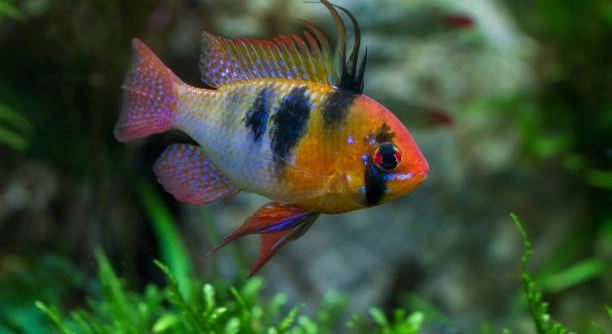
Do you keep cichlids and notice tension growing in your aquarium as different fish share space, food, and territory, creating stress that affects behavior, health, and overall balance within the tank for everyone involved daily.
Common tankmate conflicts with cichlids arise from territorial aggression, mismatched sizes, breeding behaviors, and dietary competition. These factors lead to chronic stress, physical injury, and suppressed immunity, ultimately disrupting community stability when incompatible species are housed together within shared aquariums.
Clear examples and practical insights ahead will help create calmer tanks, healthier fish, and more enjoyable aquarium keeping experiences overall.
Territorial Aggression and Space Issues
Cichlids are known for strong territorial instincts, especially as they mature and establish dominance within the tank. When space is limited, they may chase, nip, or corner other fish repeatedly. This behavior increases stress levels and disrupts normal feeding and resting patterns. Over time, weaker tankmates may hide constantly, stop eating, or show faded coloration. I have seen tanks that looked peaceful at first slowly turn tense as territories formed. Decorations, caves, and plants can help, but they do not always solve the issue. Even calm cichlid species can become aggressive when defending a chosen area. Without enough room to claim space, conflict becomes frequent and persistent. Understanding how territorial behavior develops is essential for preventing long-term problems and maintaining a stable aquarium environment for all inhabitants. This ongoing pressure can shorten lifespans and reduce overall tank harmony for every fish involved over extended periods of poor environmental balance conditions.
Providing larger tanks, visual barriers, and thoughtful stocking choices reduces daily confrontations. Rearranging decor can reset territories, while removing aggressive individuals may be necessary. Space planning remains one of the most reliable tools for keeping mixed cichlid tanks calmer and supports healthier behavior patterns across the aquarium long term overall.
Territorial stress often appears slowly, making it easy to overlook until damage is visible. Torn fins, hiding behavior, and uneven growth are common signs. I learned that observing interactions during feeding times reveals problems early. When fish compete aggressively for food, territory issues usually exist. Choosing compatible species and planning layouts before adding fish prevents many conflicts. Once aggression becomes routine, correcting it is harder and sometimes requires rehoming. Consistent monitoring, combined with realistic stocking limits, helps maintain peace and reduces the need for reactive changes later. This approach supports stability and lowers long term stress within community tanks overall.
Size and Compatibility Conflicts
Size differences between cichlids and tankmates often lead to dominance displays and feeding inequality. Larger fish may intimidate smaller ones, even without direct attacks. Over time, smaller species lose access to food and shelter, causing gradual decline that affects immunity, growth, and overall survival within shared aquarium environments over time.
Compatibility goes beyond temperament and includes body size, mouth shape, and swimming level. Many cichlids are opportunistic feeders and will consume anything that fits, including smaller tankmates. Even if aggression seems minimal, predatory behavior can occur suddenly. I have noticed this risk increases as cichlids grow faster than expected. Researching adult sizes before stocking prevents painful losses later. Matching fish with similar growth rates and physical presence creates balance. Tankmates should also tolerate similar water parameters and feeding schedules. Mixing slow, delicate fish with bold cichlids often leads to constant pressure. Providing multiple feeding zones can reduce competition, but it does not solve size imbalance. Long term success depends on planning for maturity rather than current size. When compatibility is prioritized from the start, tanks remain calmer, healthier, and easier to maintain without constant intervention. This planning mindset saves time, reduces stress, and protects fish welfare. It also limits the need for sudden removals or emergency tank changes later. Careful observation during early weeks helps confirm compatibility before problems escalate and become difficult to correct. Making adjustments early supports long term stability and prevents repeated disruptions within established aquariums over time that can harm fish health and keeper confidence overall.
Aggression Between Cichlids and Smaller Fish
Smaller fish often struggle when housed with cichlids. Cichlids are territorial and can harass or injure fish that are not fast or strong enough to escape. Careful selection of tankmates is essential to prevent constant stress.
Aggression from cichlids can appear suddenly, even if the smaller fish have lived in the tank peacefully before. Territorial behaviors increase during feeding or breeding times. Signs include chasing, nipping fins, or constant bullying. Smaller species like tetras or guppies are at higher risk. Providing hiding spaces and visual barriers helps reduce stress but does not always prevent attacks. Observing interactions frequently allows quick intervention before injuries occur.
Even with precautions, some cichlids will never tolerate smaller fish. Aggression is influenced by species, tank size, and individual temperament. Adjusting tank layout, providing multiple hiding areas, and monitoring behavior can help mitigate conflicts. Introducing smaller fish gradually and during calm periods may reduce immediate confrontations and allow adaptation.
Competition for Food
Cichlids can dominate feeding times, leaving other fish hungry. Fast or aggressive eaters may prevent slower species from getting enough nutrition. Planning feeding routines and portions carefully is crucial to maintain a balanced diet.
When food is limited, cichlids push others aside and may even steal food from smaller fish. This behavior can lead to malnutrition or stunted growth in less aggressive species. Providing multiple feeding stations and dispersing food helps all fish access nutrition. Some cichlids, especially larger ones, require more food than their tankmates, which can further unbalance feeding dynamics. Watching interactions during feeding times allows adjustments to reduce stress and ensure each fish receives adequate nutrition.
Feeding competition is heightened if tank decorations or hiding spots block access to food. By observing eating patterns, you can identify which species are at risk and modify feeding strategies. Separating certain fish during feeding or using floating versus sinking foods helps distribute food evenly. Ensuring every fish eats the right amount prevents long-term health issues and keeps the tank environment calmer. Adjusting feeding frequency can also limit aggressive rushes for food while supporting all species’ nutritional needs.
Overcrowding Issues
Overcrowding often worsens conflicts among cichlids. Too many fish in one tank increases stress, leading to more chasing, nipping, and aggression. Proper tank size is essential to reduce tension and allow each fish its own space.
High fish density limits hiding spots and territory boundaries. This forces cichlids into constant competition, heightening aggression. A spacious tank with adequate decor helps fish feel secure and lowers conflict frequency.
Compatibility With Other Species
Some fish are naturally incompatible with cichlids due to differences in temperament or swimming levels. Fast, peaceful species often struggle to coexist with aggressive or territorial cichlids. Choosing species with similar activity and aggression levels improves harmony.
Breeding Conflicts
Cichlids become highly territorial during breeding. They defend eggs and fry aggressively, often attacking tankmates that come too close. Monitoring breeding behavior is necessary to protect other fish.
FAQ
How can I reduce aggression between cichlids and other fish?
Aggression is usually caused by territory and competition for food. Providing a larger tank with plenty of hiding spots helps reduce stress. Rearranging decorations occasionally can break up established territories. Feeding multiple times a day at different locations ensures all fish get enough food. Careful selection of tankmates with similar size and temperament also lowers conflict.
Which fish are safe to keep with cichlids?
Larger, robust fish that can tolerate some aggression tend to do better. Species like catfish, plecos, and certain larger barbs usually coexist peacefully. Avoid tiny, slow-moving fish like neon tetras or guppies, as they are more likely to be chased or injured. Matching activity levels helps reduce stress for everyone in the tank.
What signs indicate a fish is being bullied?
Look for torn fins, scratches, or constant hiding. Fish that avoid open areas, fail to eat properly, or show signs of stress are often targets. Early detection allows for adjustments, such as adding more hiding spots, separating fish temporarily, or rearranging the tank. Stress over time can weaken immunity, making prompt action critical.
How do I manage cichlid aggression during breeding?
Cichlids become highly territorial when breeding. Eggs and fry are fiercely protected, and any nearby fish may be attacked. Providing a separate breeding tank is the most reliable solution. If separation isn’t possible, dense plants and rocks can give other fish spaces to avoid confrontation. Observing behavior frequently is essential.
Can overcrowding affect cichlid behavior?
Yes, overcrowding increases stress and intensifies aggression. Each fish needs personal space to establish a territory. When a tank is too full, chasing, nipping, and constant fighting occur more often. A properly sized tank with sufficient hiding spots is crucial to maintain balance. Reducing fish numbers or upgrading tank size often improves behavior quickly.
How do I prevent food competition from causing problems?
Feeding strategies are key. Spread food across multiple locations to ensure all fish access it. Using sinking and floating foods helps distribute meals based on swimming habits. Feeding smaller portions more frequently can reduce aggressive rushes for food. Observing feeding behavior helps identify which fish need extra attention or separate feeding areas.
Is it possible to rehabilitate aggressive cichlids?
Some aggression is natural and cannot be completely eliminated. However, providing a larger tank, rearranging territories, adding hiding spots, and carefully choosing compatible tankmates can reduce conflict. Temporary separation of the most aggressive individuals may also help. Patience and observation are essential, as aggressive behavior can fluctuate depending on mood and environment.
Do tank decorations help reduce conflicts?
Yes, rocks, caves, and plants break lines of sight and give fish places to hide. This reduces territorial disputes and stress. Regularly changing the layout can prevent one fish from dominating a specific area. Hiding spots are particularly important for smaller or less aggressive fish to avoid constant harassment.
When should I consider separating cichlids from other fish?
Separation is necessary if injuries occur, food access is blocked, or stress signs persist. Temporary isolation for a few days can allow fish to calm down. In severe cases, permanent separation may be needed to ensure health and survival. Monitoring interactions closely is the best way to know when action is required.
Can tank size alone prevent conflicts?
Tank size helps but does not solve all problems. Larger tanks provide space for territories and hiding spots, reducing stress. However, aggression is influenced by species, temperament, and environmental factors. Proper fish selection, careful feeding, and tank decoration are all essential alongside adequate tank size to maintain harmony.
How often should I monitor my tank for conflicts?
Daily observation is best. Even calm tanks can develop aggression over time. Watching feeding times, chasing, and hiding behaviors helps detect problems early. Adjustments like adding hiding spots, rearranging decor, or temporarily separating fish can prevent injuries and long-term stress.
What long-term effects can conflicts have on fish health?
Chronic stress from aggression weakens immunity, slows growth, and increases susceptibility to disease. Injuries from nipping can become infected. Addressing aggressive behavior early is essential to maintain a healthy, balanced aquarium. Preventative measures like proper tank size, hiding spots, and compatible tankmates reduce long-term health risks.
Final Thoughts
Keeping cichlids can be very rewarding, but it comes with challenges. These fish are naturally territorial and strong-willed, which can lead to conflicts with other tankmates. Aggression, competition for food, and breeding behaviors are common issues that require attention. Understanding these tendencies before adding cichlids to a community tank helps prevent unnecessary stress for all fish. Proper planning, observation, and adjustments are essential to maintain a peaceful environment where every fish can thrive.
A few simple strategies can make a significant difference. Providing a large tank with ample hiding spots and decorations allows cichlids to establish territories without constantly confronting other fish. Choosing tankmates carefully is equally important. Fish that are similarly sized, active, and able to tolerate some aggression tend to coexist more successfully. Feeding multiple times a day at different locations helps prevent disputes over food. Regular observation of interactions can alert you to problems early, allowing for adjustments before injuries or stress occur. Even with these precautions, it’s important to accept that some cichlids will always be more aggressive, and separation may sometimes be necessary.
Patience and consistency are key to managing cichlid conflicts. Over time, you learn the personalities of your fish and how they interact, which makes it easier to predict and reduce tensions. Small changes like rearranging tank decor, adding hiding spots, or adjusting feeding routines can have a big impact on harmony. Long-term health and happiness of the tank depend on creating a balanced environment where each fish has space, food, and security. While challenges may arise, the effort to understand and manage cichlid behavior ensures a more stable and enjoyable aquarium for both the fish and the keeper.

Hello,
If you enjoy the content that we create, please consider saying a "Thank You!" by leaving a tip.
Every little bit helps us continue crafting quality advice that supports the health, happiness, and well-being of pets around the world, for pets of all shapes, sizes, and species.
We really appreciate the kindness and support that you show us!