
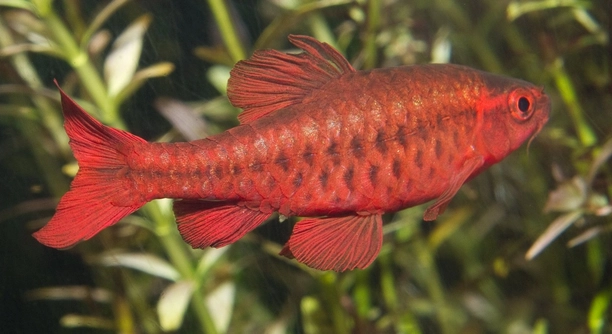
Cherry barbs are a popular fish in home aquariums, known for their vibrant colors and easy-going nature. But as with any pet, providing the right care is essential. One aspect of care that can often be overlooked is their diet.
Overfeeding cherry barbs can lead to weight gain and health issues. Just like any other animal, these fish need a balanced diet to stay healthy. Excess food can result in fat buildup, impacting their overall well-being and lifespan.
Understanding how much to feed your cherry barb is crucial for their health. Learning about their dietary needs and feeding habits can help prevent overfeeding and promote a happier, healthier aquarium environment.
Why Overfeeding Cherry Barbs Can Be Harmful
Overfeeding cherry barbs may seem harmless, but it can lead to several health issues. These small fish have relatively low appetites, and when given too much food, they can’t consume it all. Leftover food can decay, raising ammonia levels in the tank, which is harmful to both the fish and the water quality. Additionally, overfeeding can cause fat accumulation, resulting in obesity. This excess weight can lead to difficulty swimming and increase the risk of other health problems, like poor organ function or shortened lifespans. Maintaining a balanced feeding routine is key to keeping your cherry barbs healthy.
A proper feeding schedule, combined with a balanced diet, can prevent these health issues. It’s essential to monitor your fish’s weight and adjust their feeding accordingly.
Cherry barbs are small fish that only need a small amount of food, about once or twice a day. Offer them enough food to be consumed within a few minutes to avoid any uneaten food sinking to the bottom. Overfeeding doesn’t only affect the fish’s health directly—it also impacts the aquarium environment. Uneaten food creates waste, which can contribute to poor water quality. This can, in turn, stress your fish and increase the likelihood of disease. By keeping a strict feeding schedule, you will not only help your cherry barbs stay fit but also ensure the tank’s ecosystem remains balanced.
Signs of Overfeeding in Cherry Barbs
Overfeeding can lead to noticeable signs in your cherry barbs. A common indication is the swelling or bloating of their bodies. If you notice this, it could be a result of fat buildup from eating too much. Another sign is a lack of energy or sluggish behavior. Overfed fish may swim less and spend more time near the bottom of the tank. These signs should not be ignored, as they can lead to long-term health complications.
A decrease in activity levels or difficulty swimming may be a result of overfeeding. This often signals that the fish are carrying extra weight, which affects their mobility.
If you notice your cherry barbs becoming bloated, it’s essential to act quickly. First, reduce the amount of food being offered and avoid feeding them for a day or two to help their digestion. Ensure that they have access to clean, high-quality water as poor water conditions can exacerbate the issue. If the fish continue to show signs of lethargy or bloating after adjusting their diet, it may be necessary to consult a vet or aquarium specialist. Properly managing their feeding schedule is key to preventing long-term health problems.
How to Properly Feed Cherry Barbs
The key to feeding cherry barbs properly is moderation. Offer them small portions that they can finish within a few minutes. This helps maintain a healthy weight and prevents food waste.
Overfeeding can lead to water pollution, which harms the fish and the tank’s ecosystem. Cherry barbs do well on a variety of foods, including high-quality pellets, flakes, and occasional live or frozen foods. Stick to feeding them twice a day, providing only as much food as they can consume in about two to three minutes. By doing so, you can ensure that no excess food goes uneaten, preventing water quality issues. Additionally, monitoring their diet helps keep them at a healthy weight.
A well-balanced diet includes essential nutrients such as protein, vitamins, and minerals. This helps cherry barbs maintain good health and vibrant colors. When choosing food, look for options designed specifically for small fish to meet their dietary needs. Avoid overfeeding or offering fatty foods too often. By sticking to a simple, varied feeding routine, you can keep your cherry barbs happy and healthy in their environment.
How Overfeeding Affects Aquarium Water Quality
When too much food is added to the tank, it doesn’t just affect the fish—it can also create problems with water quality. Leftover food rots and decomposes, leading to increased ammonia and nitrite levels in the tank.
Excess ammonia can be harmful, causing stress and illness in your fish. Poor water quality is one of the most common reasons for disease outbreaks in aquariums. Regular water changes and maintaining proper filtration can help, but they won’t fully solve the problem if overfeeding continues. It’s important to be mindful of how much you’re feeding your fish to ensure your tank remains clean and your fish stay healthy.
A clean and well-maintained tank is crucial for the well-being of cherry barbs. To keep the water clear, remove any uneaten food after feeding. Using a siphon or net to clean the substrate will also help prevent waste buildup. Keeping up with water changes and regularly checking the water parameters will ensure the tank stays balanced and safe for your fish. Proper feeding practices go hand in hand with a healthy aquarium environment, ensuring that your cherry barbs thrive.
Adjusting Feeding Habits for Healthy Cherry Barbs
Adjusting your feeding habits is essential when you notice signs of overfeeding. Reduce the amount of food offered, and consider feeding your cherry barbs once a day instead of twice. This helps maintain a healthy weight.
Keep track of how much food is consumed each time you feed your fish. If there’s leftover food after a few minutes, reduce the portion size during the next feeding. A good rule of thumb is to feed a small amount and watch them eat it all. This way, you avoid overfeeding without leaving excess food in the tank.
Regularly check the body condition of your cherry barbs. If they begin to show signs of bloating or sluggishness, consider reducing their food intake even further. You can also provide them with occasional fasting days to help them digest their food properly. With these adjustments, your fish will remain healthy and active.
Types of Foods for Cherry Barbs
Cherry barbs enjoy a variety of foods that help support their health. Offer them a mix of quality flakes, pellets, and occasional live or frozen foods like brine shrimp and daphnia.
Choosing the right food ensures they get the necessary nutrients, such as protein, fats, and vitamins. Avoid feeding them fatty foods too often, as this can lead to weight gain. It’s also a good idea to occasionally give your cherry barbs vegetable-based foods, like spinach or zucchini, to provide fiber and promote digestion.
Maintaining a Healthy Tank Environment
Maintaining a clean tank is just as important as feeding. Regular water changes and proper filtration can help manage waste buildup from overfeeding.
Keep an eye on your tank’s filtration system to ensure it is running efficiently. This helps reduce toxins like ammonia and nitrite that may build up in the water, especially if overfeeding occurs. A healthy tank environment will allow your cherry barbs to thrive and stay active.
FAQ
Can overfeeding affect cherry barbs’ lifespan?
Yes, overfeeding can shorten your cherry barbs’ lifespan. When they consume too much food, it can lead to obesity, which in turn stresses their organs. Obesity can also increase the risk of diseases, making your fish more susceptible to infections. Additionally, the extra food decomposes in the tank, creating ammonia and other harmful compounds that negatively impact their environment. This combination of health problems and poor water quality can lead to a shorter lifespan for your cherry barbs.
How often should I feed my cherry barbs?
Cherry barbs should typically be fed once or twice a day. Offer them only as much food as they can eat within a few minutes. This prevents overfeeding and ensures they are consuming the proper amount of food. Keep track of their feeding habits and adjust portions if you notice any uneaten food left in the tank after a feeding session. Over time, you’ll get a good sense of how much food is the right amount for them.
What are the best foods for cherry barbs?
Cherry barbs benefit from a varied diet. High-quality fish flakes or pellets designed for small fish are a good base. You can also supplement their diet with frozen or live foods like brine shrimp, daphnia, or bloodworms. Occasionally offering blanched vegetables like zucchini or spinach helps provide fiber and keeps their digestion healthy. Always make sure the food is small enough for them to consume comfortably.
What signs should I look for if I suspect my cherry barbs are overfed?
The most noticeable signs of overfeeding are bloating, lethargy, or a lack of energy. If your cherry barbs are swimming sluggishly or spending too much time near the bottom of the tank, it could be due to overfeeding. Another sign is when they start to develop a swollen or bloated appearance. This can be a result of fat accumulation or digestive issues caused by overeating. If you notice these signs, reduce their food portions immediately.
Can cherry barbs fast for a day?
Yes, cherry barbs can fast for a day or even two. A short fast helps them digest their food properly and prevents overfeeding-related issues like bloating. Fish do not need to eat every single day to stay healthy. Fasting is especially helpful if you’ve noticed overfeeding or if the tank has excess food waste that needs to clear up. Just be sure to resume their normal feeding routine after a short fast.
How can I prevent my cherry barbs from becoming overweight?
To prevent your cherry barbs from becoming overweight, monitor their feeding and avoid overfeeding. Feed them small portions that they can eat within a few minutes. Be consistent with their feeding times and avoid giving them too many treats or fatty foods. It’s also helpful to provide them with a variety of foods to ensure they’re getting the right nutrients. Regularly check their body condition to make sure they aren’t becoming bloated or sluggish, and adjust their diet accordingly.
Can overfeeding affect water quality?
Yes, overfeeding significantly impacts water quality. Excess food that isn’t eaten decomposes and breaks down into harmful substances like ammonia, nitrites, and nitrates. These toxins can cause stress and health problems for your cherry barbs and other tank inhabitants. To avoid this, make sure to remove uneaten food after feeding and keep up with regular water changes. Using a good filtration system will help manage waste but won’t prevent water quality issues caused by overfeeding.
What can I do to clean up leftover food from my tank?
To clean up leftover food, use a siphon to remove any uneaten food or waste that settles at the bottom of the tank. You can also use a fishnet to scoop out larger pieces of uneaten food. It’s a good practice to do this shortly after feeding, so food doesn’t have a chance to decompose and pollute the water. Regularly clean your substrate and keep the water quality in check to maintain a healthy environment for your cherry barbs.
Should I feed my cherry barbs at different times each day?
It’s better to establish a routine feeding schedule for your cherry barbs. Feeding them at the same times each day helps them develop a consistent eating pattern. This also makes it easier for you to monitor how much they’re eating and adjust their portions as needed. Changing feeding times can confuse your fish and may lead to overfeeding or inconsistent eating habits. Stick to one or two feedings a day at regular times to keep their diet balanced.
Can cherry barbs eat algae?
Yes, cherry barbs can eat algae, but they shouldn’t rely on it as their primary food source. While they may nibble on algae that grows in the tank, it’s important to provide them with a balanced diet consisting of pellets, flakes, and occasional live foods. Algae-eating can help with tank maintenance but doesn’t provide all the necessary nutrients for their health. Make sure they still receive a varied diet to meet their nutritional needs.
Is it necessary to fast my cherry barbs from time to time?
Fasting your cherry barbs occasionally can be beneficial, especially if you’ve overfed them or if you notice any signs of digestive discomfort. Fasting for 24 to 48 hours can help clear their digestive system and prevent bloating or obesity. It’s not necessary to fast them regularly, but it’s a useful practice when you need to reset their feeding schedule or address overfeeding problems.
How can I tell if my cherry barbs are healthy?
Healthy cherry barbs are active, swim gracefully, and have a vibrant color. Their bodies should appear streamlined without any bloating or swelling. They should also be responsive to feeding times, eagerly swimming to the surface or showing interest in the food offered. Regularly check their behavior and appearance to make sure they’re staying healthy. If you notice any signs of sluggishness, bloating, or changes in their color, it could indicate an issue with their diet or water quality.
Final Thoughts
Overfeeding cherry barbs is a common mistake that can easily be avoided with a bit of attention to their feeding habits. While it may seem harmless to give them extra food, doing so can lead to several health problems, including obesity, sluggish behavior, and even a shorter lifespan. The key to keeping your cherry barbs healthy is to feed them in moderation. Offering small portions that they can eat in just a few minutes is the best way to ensure they get the right amount of nutrition without overloading their system. Additionally, regular observation of their body condition will help you adjust their feeding as needed.
Maintaining water quality is just as important as managing your fish’s diet. Overfeeding not only harms the fish but also impacts the tank’s ecosystem. Leftover food decomposes, raising ammonia levels in the water, which can stress your cherry barbs and cause other issues. Regular water changes, proper filtration, and removing uneaten food after feeding are essential steps to maintain a clean environment. By keeping a close eye on the food your fish are consuming and cleaning up any excess, you can prevent water pollution and ensure a healthy living space for your fish.
Lastly, creating a balanced and varied diet for your cherry barbs will go a long way in supporting their overall health. A mix of quality fish flakes, pellets, and occasional live or frozen foods ensures they get all the necessary nutrients. Avoid feeding them too many fatty foods, as this can lead to weight gain and related issues. By sticking to a consistent feeding routine and being mindful of the amount of food you offer, you will help your cherry barbs live a long and healthy life in your aquarium.

Hello,
If you enjoy the content that we create, please consider saying a "Thank You!" by leaving a tip.
Every little bit helps us continue crafting quality advice that supports the health, happiness, and well-being of pets around the world, for pets of all shapes, sizes, and species.
We really appreciate the kindness and support that you show us!