
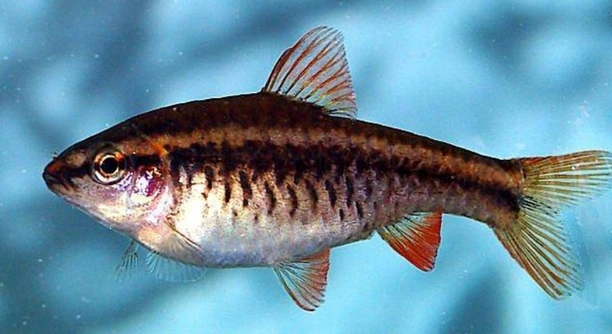
Cherry barb fry are small, delicate creatures that require safe hiding spots in their aquatic environment to thrive. Providing them with secure places to hide helps reduce stress and ensures they feel secure as they grow.
The best hiding spots for cherry barb fry include dense plants, moss, caves, or fine substrate. These locations offer protection from adult fish and create a comfortable environment for fry to grow without fear of being eaten.
These hiding spots can also help foster natural behaviors and support healthy growth. Keep reading to learn how to create the perfect hiding places for your cherry barb fry.
Dense Plants and Floating Plants
One of the best ways to provide hiding spots for cherry barb fry is by using dense plants in your aquarium. Plants like Java moss, Anubias, or Java fern offer plenty of cover for fry. These plants grow in thick clusters, creating a safe and secure environment for the little ones. The fry can easily swim through the leaves and find shelter. Floating plants like duckweed and water lettuce also work well, as they provide surface cover. This layer of floating plants helps shield the fry from adult fish that might otherwise pose a threat.
These plants also help mimic the fry’s natural habitat, where they would typically hide in aquatic plants for safety. You can use a combination of plants at different levels in the tank to ensure complete coverage.
When setting up plants in your tank, make sure the plants are properly anchored and not easily disturbed by the movement of water. Dense and floating plants are not only a refuge for fry but also enhance the aesthetic of your aquarium, creating a natural and calm space for both you and your fish.
Moss and Caves
Adding moss or caves to your tank can provide more hiding spots for your cherry barb fry. Moss, like Christmas moss or Java moss, can be attached to decorations or rocks, offering a natural and protective space for the fry. Caves made from aquarium-safe rocks or ceramic decorations can also work well. These caves can give fry a place to hide and feel safe from adult fish.
Caves and moss are ideal for fry to feel secure while they explore their environment. The fry can swim in and out, finding shelter when needed. When setting up caves, consider the size and shape to ensure the fry can easily access them without feeling trapped.
Fine Substrate
Using fine substrate is another great option for hiding fry. A smooth, fine-gravel or sand substrate allows fry to burrow and feel hidden. This kind of substrate mimics natural environments, providing a layer of safety for fry. It also prevents adult fish from disturbing the fry while they seek shelter.
Fine substrate, like aquarium sand or soft gravel, gives fry an easy way to hide. The fry can bury themselves between the grains, creating a safe space from larger fish. It’s important to make sure the substrate is fine enough to avoid harming the fry. You’ll also want to avoid overly sharp or coarse substrate.
Adding plants to the fine substrate can further enhance the hiding spots. Plants like Cryptocoryne or Vallisneria work well with this type of substrate, offering additional cover for the fry. Combining plants and fine substrate will create a diverse environment that helps the fry feel safe and supported as they grow.
Use of Decorative Objects
Decorative objects such as rocks, driftwood, or ceramic pots can provide excellent hiding spots for cherry barb fry. These objects offer spaces that the fry can swim into and out of, allowing them to stay hidden from adult fish. This setup can give the fry much-needed safety while adding aesthetic appeal to the tank.
When adding decorative objects, it’s important to choose those that won’t harm the fry. Avoid objects with sharp edges or surfaces that could injure them. Make sure these items are also secured to prevent them from moving around. Hiding spots created by decorations can help fry feel more secure in their environment.
You can also combine these decorative objects with plants to create a layered hiding area. The combination of plants and decorative structures gives the fry multiple hiding options, making them feel more comfortable in the aquarium. Over time, this creates a stable environment where the fry can grow with minimal stress.
Leaf Litter
Leaf litter, like dried Indian almond leaves, offers a natural hiding place for cherry barb fry. The leaves create small crevices where fry can hide from predators. This also provides a natural, low-maintenance solution to protect your fry.
Using leaf litter helps mimic the fry’s natural habitat, where they would find shelter among fallen leaves in the wild. These leaves also decompose slowly, contributing to the tank’s natural filtration system. As a bonus, they can promote the growth of beneficial microorganisms, which can be an additional food source for the fry.
Tank Divider
A tank divider is a simple solution to protect cherry barb fry from adult fish. It keeps fry separate from adult fish while still allowing for water circulation. This ensures the fry have a safe space to grow.
Tank dividers are easy to install and can be made from mesh or acrylic. They provide clear boundaries without overcrowding the fry, keeping them in a low-risk area. Dividers allow the fry to develop without stress from larger fish, ensuring they are safe until they grow larger and can swim freely.
FAQ
What are the best hiding spots for cherry barb fry?
The best hiding spots for cherry barb fry include dense plants, floating plants, caves, moss, fine substrate, and decorative objects. Dense plants like Java moss or Anubias offer fry plenty of cover, while floating plants like duckweed provide surface protection. Caves and moss attached to decorations give fry a safe, secure space. Fine substrate like sand or smooth gravel allows them to burrow, while rocks and driftwood offer more shelter options. Combining these elements creates a variety of hiding spaces, helping the fry feel safe and reducing stress.
How do plants help in hiding fry?
Plants are essential for hiding fry as they offer dense foliage where fry can take cover. Aquatic plants, such as Java fern, Cryptocoryne, or moss, provide a thick layer of leaves that create small spaces where fry can hide from adult fish. Floating plants like water lettuce also form a surface canopy, giving fry a shield from above. Plants help mimic the fry’s natural environment, providing them with an opportunity to stay out of sight and feel more secure.
Can I use a tank divider for cherry barb fry?
Yes, a tank divider can be very helpful for keeping cherry barb fry safe. It separates the fry from adult fish, preventing the fry from being eaten. A mesh or acrylic divider ensures that water flows freely between sections while creating a safe space for fry to grow without interference. Tank dividers are particularly useful if you have adult cherry barbs in the same tank, as they can be territorial and may harm the fry. It’s a simple, effective way to ensure fry have their own space to grow.
How do I create a safe environment for cherry barb fry?
Creating a safe environment for cherry barb fry involves offering them plenty of hiding spots, maintaining a stable water environment, and ensuring that adult fish do not have access to the fry. A combination of plants, moss, caves, and fine substrate provides a natural hiding space. Regular water changes, proper filtration, and keeping the tank at an appropriate temperature will help keep the fry healthy. Also, reduce any stress factors such as aggressive tankmates or loud surroundings. The more hiding places and cover you provide, the better the fry will thrive.
What kind of substrate is best for fry?
Fine-gravel or sand is the best substrate for cherry barb fry. These types of substrate allow fry to easily hide between the grains, providing a natural refuge from adult fish. Coarse or sharp gravel should be avoided, as it can injure the delicate fry. The fine substrate mimics natural environments and also gives you the flexibility to plant and grow aquatic plants, which will further aid in providing hiding spots. Sand or fine gravel also helps maintain good water circulation and cleanliness, crucial for the fry’s development.
How can I avoid adult fish eating the fry?
To prevent adult fish from eating fry, you can use tank dividers or separate the fry into a separate tank during the early stages of their life. Planting dense plants and providing caves also helps, as adult fish are less likely to chase fry into places they can’t reach. The more hiding places you offer, the better chance the fry have of staying safe. Keeping the fry in a well-planted tank with minimal disturbances helps reduce the risk of predation by adult fish.
How long do cherry barb fry need hiding spots?
Cherry barb fry need hiding spots until they are large enough to avoid being eaten by adult fish. Typically, this could take anywhere from 4 to 8 weeks, depending on the growth rate. During this period, they rely on hiding spots for protection as they grow. The more cover you provide, the safer they will feel. Once they are large enough, they can swim more freely in the tank without the constant need for hiding. At that point, you can gradually remove or reduce hiding spots as they become less vulnerable.
Can cherry barb fry survive without hiding spots?
Cherry barb fry can survive without hiding spots, but they will be at a much higher risk of being eaten by adult fish or stressed by the tank’s environment. Fry need hiding spots to feel secure and avoid predators. Without these safe spaces, they may become anxious, fail to grow properly, or even be eaten. Hiding spots are crucial for the fry’s well-being and growth, allowing them to develop without the threat of constant danger.
Is it necessary to provide hiding spots during the fry’s entire growth period?
No, hiding spots are most important during the early stages of a cherry barb fry’s life. As they grow and become stronger, they will be able to swim more confidently in the tank and avoid threats. However, providing some form of cover, even after the fry reach a more mature size, can still help reduce stress and provide a comfortable environment. Hiding spots should be offered in the beginning, but you can gradually reduce them as the fry mature and grow.
What temperature is best for cherry barb fry?
Cherry barb fry thrive in a water temperature of around 75-80°F (24-27°C). Maintaining a stable temperature within this range will help the fry grow healthy and strong. Water that is too cold or too warm can stress the fry and lead to poor growth or health issues. Use a reliable heater to maintain consistent temperature, and ensure the water quality remains optimal to support their development. Keep in mind that drastic temperature changes can harm fry, so avoid sudden fluctuations.
Final Thoughts
When it comes to raising cherry barb fry, providing them with safe hiding spots is essential. These small fish are delicate, and their survival depends largely on their ability to stay hidden from adult fish. By incorporating dense plants, floating plants, fine substrate, caves, and decorative objects, you create a safe environment where the fry can thrive. These hiding spots give the fry the protection they need, reducing stress and helping them grow at a healthy rate. It’s also important to remember that the fry will need these shelters for a few weeks, until they grow large enough to swim more freely.
Creating a safe environment goes beyond just providing hiding spots. It also involves maintaining stable water conditions and making sure the fry have plenty of food. Consistent water changes, proper filtration, and maintaining the right temperature are all crucial for their well-being. While hiding spots will help keep the fry safe from adult fish, a clean and well-maintained tank will ensure that they stay healthy. Fry are especially sensitive to changes in water quality, so regular monitoring is key to their growth and survival.
Lastly, patience is important when raising cherry barb fry. As they grow, you can gradually reduce the hiding spots, allowing them to explore the tank more confidently. However, it’s a good idea to keep some form of cover in the tank, as it continues to provide a sense of security. Over time, you’ll notice that the fry become stronger and more independent, but until then, providing them with a safe, comfortable space is the best way to help them reach their full potential. With the right setup and care, your cherry barb fry will thrive and eventually grow into healthy adult fish.

Hello,
If you enjoy the content that we create, please consider saying a "Thank You!" by leaving a tip.
Every little bit helps us continue crafting quality advice that supports the health, happiness, and well-being of pets around the world, for pets of all shapes, sizes, and species.
We really appreciate the kindness and support that you show us!