
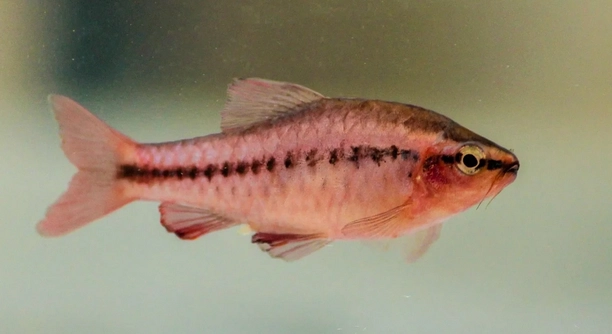
Do you ever find yourself wondering if the number of cherry barbs in your tank could affect their health or happiness?
Cherry barbs can be kept in odd numbers, provided the group size is large enough to support their natural schooling behavior. A minimum of five to six individuals is generally recommended to prevent stress and promote social interaction.
Keeping them in suitable groups helps maintain balance in their environment, encouraging natural behavior and creating a more peaceful aquarium experience.
Why Cherry Barbs Like Groups
Cherry barbs are peaceful, active fish that enjoy swimming in groups. In the wild, they live in schools for safety and social comfort. When kept alone or in very small numbers, they can become shy and stressed. Keeping them in a proper group helps reduce anxiety and promotes natural behaviors like schooling and playful chasing. A group of five or more is ideal, but odd numbers work fine as long as the group is not too small. The goal is to make sure no fish is left out or isolated. Balanced groups allow cherry barbs to feel safe and show off their bright colors. Odd numbers don’t cause problems by themselves—what matters is how many fish are in the tank altogether. You’ll often find them more active and visible when kept in a group, which also makes the tank look livelier.
It’s not about odd or even numbers—what matters most is the overall group size.
If you only have three cherry barbs, they may still be okay, but five or more helps them thrive. They enjoy swimming together and exploring their environment as a group. The more secure they feel, the more likely they are to interact with each other and display natural, healthy behavior.
Tank Setup Matters Too
Tank size, decoration, and water quality all play an important role in how your cherry barbs behave.
A good setup helps cherry barbs feel comfortable and safe. If the tank is too small, even a proper group won’t help much. A 20-gallon tank or larger gives them room to swim freely. Adding plants and hiding spaces gives them cover when they feel shy or want to rest. This setup also breaks the line of sight, which lowers stress and reduces the chance of any chasing getting out of hand. Use a soft filter to avoid too much current—cherry barbs don’t enjoy strong water flow. Keep the water clean and stable, with a temperature around 74–78°F. Balanced water conditions keep them healthy and active. Also, avoid aggressive tank mates, as cherry barbs prefer calm company. A peaceful environment lets them form stable groups, whether odd or even. All these factors together help your cherry barbs live comfortably and show their full personality.
Behavior Changes in Small Groups
Cherry barbs kept in groups of three or fewer can become timid and hide more often. You might notice less activity, duller colors, and a general lack of interaction. These signs show that the fish aren’t fully comfortable in their environment.
In small groups, cherry barbs may feel unsafe and unsure. This can cause stress, which affects their appetite and energy. They might avoid the front of the tank and spend more time behind plants or decorations. Since they rely on group behavior for confidence, being in a small number changes how they act. You may even see one fish trying to lead the group constantly, which adds pressure and can cause chasing or pecking. Adding a few more barbs often brings out more balanced behavior. You’ll likely see them swimming together more and exploring the tank with greater ease and comfort.
Over time, the effects of being in a small group can impact their health. Stressed fish are more likely to develop disease or stop eating. Social interaction plays a big part in keeping cherry barbs mentally and physically active. When that interaction is missing, they may not thrive. If your fish seem withdrawn, consider adjusting their group size before looking at other changes.
Odd Numbers vs. Schooling Needs
Odd numbers are fine as long as the school is big enough. Cherry barbs don’t count their tank mates—they care more about feeling secure in a group. A group of five, seven, or even nine works well.
The key is to avoid having too few fish overall. Whether the number is odd or even, the group should be large enough for the barbs to school comfortably. Three is often too few, while five or more usually works better. With enough tank space, a slightly larger group allows natural schooling and reduces the chance of one fish getting picked on. Odd numbers only become a problem if they result in too small a group. Focus on the overall behavior and health of your fish rather than sticking to an exact number. If your cherry barbs are active, colorful, and social, then your setup is working just fine for them.
What Happens When One is Left Out
If one cherry barb feels excluded, it may become stressed and isolated. This can lead to hiding, lack of appetite, and reduced movement. Over time, it may also become more prone to illness due to the added stress and lack of group interaction.
Some barbs may pair off or form tighter bonds, which can leave one fish alone more often. When this happens, the left-out fish may not join the group in swimming or feeding. Making sure the group is large enough helps prevent this and keeps the behavior more balanced for all fish involved.
Signs Your Cherry Barbs Are Comfortable
When cherry barbs feel safe and happy, they swim actively and stay visible. You’ll see them exploring the tank, chasing each other gently, and showing bright colors. They usually eat well and respond quickly during feeding time. Calm, steady movement is a good sign of comfort. They may rest behind plants or decorations but won’t hide all day. A healthy group will interact often and move together in loose schools. Watching them act this way means your setup and group size are working well. If these signs are missing, it may be time to reassess their environment or numbers.
Should You Add More?
If your cherry barbs seem inactive or stressed, adding more can help them feel safer and more social.
FAQ
Can cherry barbs be kept alone?
Cherry barbs should not be kept alone. A single fish will likely become stressed, shy, and less active. These fish are social and need the company of their own kind to feel safe. A lone cherry barb may stop eating, hide most of the time, and show duller colors. Even if the tank conditions are perfect, it still won’t act naturally. Always keep at least five together to support healthy behavior. If space allows, more is often better.
Are odd numbers bad for cherry barbs?
No, odd numbers are not bad for cherry barbs. What matters is the overall group size, not whether it’s odd or even. A group of five, seven, or nine works just as well as four or six. The key is to avoid small numbers like three, which may not provide enough security or social interaction. Odd numbers only become a concern when they result in too small of a group.
How many cherry barbs should be kept together?
A group of five or more cherry barbs is best. In smaller groups, they tend to hide, act shy, or become aggressive with each other. Larger groups allow them to swim freely, show their natural colors, and interact peacefully. If your tank is big enough, you can keep even more—just make sure there’s enough space and good water quality.
Can cherry barbs live with other fish?
Yes, cherry barbs can live with other peaceful fish. They get along well with species like rasboras, tetras, guppies, and peaceful bottom dwellers like corydoras. Avoid fin-nippers or aggressive fish, as they can stress out your cherry barbs. When picking tank mates, look for calm species that prefer similar water conditions and won’t compete too much for space or food.
What size tank is best for cherry barbs?
A 20-gallon tank is a good starting point for a small group of cherry barbs. If you plan to keep a larger group or add other species, go for a bigger tank. These fish like to swim in open areas, so give them enough horizontal space. Adding plants and decorations also helps create hiding spots and reduce stress. Just make sure the setup still allows for open swimming space.
How do I know if my cherry barbs are stressed?
Signs of stress include hiding, lack of appetite, faded colors, erratic swimming, and staying near the bottom of the tank. A stressed cherry barb may avoid the group and seem less active overall. This can happen if the tank is too small, the group size is too small, or if the water quality is poor. Keep an eye on behavior—active and social fish are usually healthy and comfortable.
Do cherry barbs fight each other?
Mild chasing is normal, especially among males. This is part of their social behavior and not a sign of serious aggression. However, if one fish is being bullied or chased constantly, it could be a sign that the group size is too small or the tank is too cramped. Adding more fish or rearranging the tank to break up lines of sight can help reduce stress.
How often should I feed cherry barbs?
Feed them once or twice a day, giving only what they can eat in about two minutes. They enjoy a mix of flakes, pellets, and frozen or live foods like brine shrimp or daphnia. A varied diet helps keep them healthy and colorful. Overfeeding can lead to water problems, so feed in small amounts and remove leftovers.
Can I keep cherry barbs in a planted tank?
Yes, cherry barbs do well in planted tanks. They enjoy swimming through plants and may rest among the leaves. Plants also help maintain water quality and reduce stress by offering hiding spaces. Live plants like java fern, anubias, and hornwort work well. A planted tank supports more natural behavior and makes the aquarium more stable.
What water parameters do cherry barbs need?
Cherry barbs prefer a temperature between 74°F and 78°F, a pH of 6.5 to 7.5, and soft to moderately hard water. Keeping the tank clean and stable is more important than trying to hit exact numbers. Regular water changes and testing help keep them healthy. Avoid sudden shifts in temperature or chemistry, as that can stress them out.
Final Thoughts
Cherry barbs are peaceful, active fish that do best when kept in proper groups. They are not picky about whether the number is odd or even. What matters most is that the group is large enough to support their natural behavior. A group of five or more helps them feel safe, encourages schooling, and brings out their bright colors. Smaller numbers can lead to stress, hiding, and poor health. These fish rely on each other for comfort, and they enjoy being around their own kind. Watching them swim together and explore the tank is a good sign they’re doing well.
It’s also important to make sure their tank setup supports this group behavior. A 20-gallon tank or larger gives them the space they need to move around. Live plants, decorations, and hiding spots help them feel secure, but there should still be open swimming space. Clean water, stable temperatures, and peaceful tank mates all help create the right conditions. Feeding them a varied diet and keeping up with regular tank care goes a long way in supporting their health and activity. A good environment lets them form strong social bonds and feel comfortable in their space.
If you notice your cherry barbs hiding often or looking dull in color, it may be time to check their group size or environment. Adding a few more fish, rearranging the tank, or improving water conditions can make a big difference. Odd numbers like five or seven are perfectly fine as long as the group isn’t too small. These fish are easy to care for with the right setup and are enjoyable to watch when they are healthy and active. Paying attention to their behavior is one of the best ways to know if they are happy. With the right care, cherry barbs can live peacefully and bring a lot of life to your tank.

Hello,
If you enjoy the content that we create, please consider saying a "Thank You!" by leaving a tip.
Every little bit helps us continue crafting quality advice that supports the health, happiness, and well-being of pets around the world, for pets of all shapes, sizes, and species.
We really appreciate the kindness and support that you show us!