
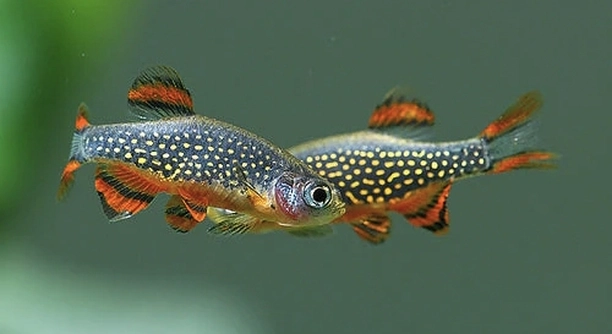
Many aquarium keepers find themselves wondering how small peaceful fish might coexist in shared tanks, especially when considering the gentle nature of Celestial Pearl Danios and the energetic behavior that tetras bring to community setups.
Celestial Pearl Danios can be kept with many small tetra species because both groups share similar temperaments and environmental needs. Stable water parameters, suitable tankmates, and ample hiding areas help reduce stress and support harmonious interactions within a community aquarium.
As you explore their shared needs and natural behaviors, the following sections offer helpful guidance for creating a successful community.
Compatibility and Tank Behavior
Keeping Celestial Pearl Danios with tetras can feel rewarding when both groups settle into a calm and balanced setup. These fish share similar needs, so creating a space that supports their comfort is a straightforward task. Start with a tank that offers steady water conditions, gentle filtration, and plenty of structured decor. Plants, rocks, and shaded corners help small fish feel secure as they explore their surroundings. It also helps manage the natural movement differences between peaceful danios and more active tetras. Feeding is simple when you choose small sinking foods that reach every level of the tank. Routine monitoring lets you spot any changes in behavior or color that may hint at stress. A quiet and stable environment encourages these tiny fish to stay relaxed and display their best appearance. When their needs are met, both groups can thrive together without unnecessary tension. This setup keeps everything running smoothly.
Maintaining stable conditions is the easiest way to keep these fish comfortable in a shared tank. Consistent temperature, clean water, and proper feeding habits limit stress and prevent sudden changes. When their environment stays predictable, both groups tend to interact peacefully and remain healthy across daily routines in the tank.
Offering enough room for movement is a simple way to support harmony between these small fish. Extra space prevents crowding and reduces situations that lead to chasing or hiding. A mix of open areas and plant cover lets active tetras move freely while giving danios a place to rest without pressure. Spread food in multiple spots so every fish can eat without competition. Regular small water changes help preserve clarity and remove waste that builds up quickly in community tanks. When you focus on these basic steps, the entire group settles into a comfortable rhythm that feels natural and steady.
Care Tips and Best Practices
Small community setups work best when you match fish with similar behavior and habitat needs. Celestial Pearl Danios and many tetras fit this pattern, making them an easy combination for peaceful tanks. Balanced lighting, consistent feeding, and gentle filtration help maintain a calm atmosphere that keeps them steady each day.
Creating a stable home for Celestial Pearl Danios and tetras starts with understanding how their needs overlap. Both groups prefer clean water, soft lighting, and plenty of plant cover, so planning the layout becomes straightforward. Use dense greenery along the back and sides to provide shelter while leaving open swimming space near the center. This balance allows active tetras to move around freely while giving danios quiet areas to retreat when they feel the need. Choose a gentle filter that avoids strong currents since too much flow can overwhelm small fish. Feeding should stay simple with tiny pellets, crushed flakes, or micro foods that sink slowly and spread across different levels. Offer small amounts several times a day to reduce competition. Routine maintenance plays an important role in keeping the tank stable. Regular water changes help remove waste that builds up quickly in community tanks. Monitor behavior so you can catch any signs of stress early, such as fading colors or unusual hiding. Adjusting lighting, rearranging decor, or lowering activity in the room can help restore calm when needed. When these basic habits stay in place, both species can share the tank without friction and settle into a peaceful life.
Feeding Compatibility
Feeding Celestial Pearl Danios and tetras together stays simple when you choose foods that reach every level of the tank. Small sinking pellets, crushed flakes, and tiny frozen options help each fish eat without competition or stress during daily routines.
Balancing feeding habits supports peaceful interactions in a shared tank. Both species enjoy small bites that move slowly through the water, so offering food in different spots helps prevent crowding. It also keeps faster tetras from taking everything before the danios reach it. You can mix micro pellets with fine flakes to make sure each fish gets enough. Feeding small portions twice a day keeps them active and healthy without creating waste. Observing how they move during feeding helps you adjust amounts when their behavior shifts. When feeding routines stay steady, the tank remains calm and predictable.
Creating feeding patterns that match their natural behavior builds confidence in both groups. Celestial Pearl Danios prefer to eat quietly, often staying in the mid to lower area of the tank, while tetras scatter across open spaces near the top. Offering food that spreads easily reduces pressure and lets them settle into comfortable habits. Avoid overfeeding since excess waste affects water quality and raises stress levels, especially in smaller tanks. Adjust feeding rates as the group grows or becomes more active, paying attention to any fish that seems hesitant or outcompeted. When these simple steps stay consistent, feeding time becomes smooth and balanced.
Ideal Tank Setup
A well designed tank layout supports harmony between these small fish by giving them room to move while keeping enough cover to reduce stress. Plants, driftwood, and gentle lighting help maintain a calm atmosphere without overwhelming the fish or limiting space.
Planning an ideal setup begins with choosing a tank that gives both species enough room to swim comfortably. A longer tank works better than a tall one because it provides open horizontal space for tetras while still offering quiet pockets for danios. Using soft lighting encourages natural behavior and prevents startling movements that can upset smaller fish. Dense plants along the edges help danios feel secure while allowing tetras to roam freely in the center. Select a gentle filter that keeps the water clean without producing strong currents that tire them out. Regular maintenance, light vacuuming, and consistent water changes help preserve stability. When these elements work together, both groups settle easily into their environment and maintain peaceful behavior.
Water Parameters
Keeping both species healthy starts with steady water conditions that stay within their shared comfort range. Soft to moderately hard water, mild acidity, and stable temperatures help prevent stress. Regular testing ensures everything stays consistent without sudden changes that might unsettle these small fish.
Maintaining clean water is important for their long-term comfort. Small weekly water changes help remove waste before it builds up and affects behavior or appearance. Avoid dramatic shifts in temperature or pH since these sudden changes can make the tank feel unstable for both groups.
Common Mistakes to Avoid
Rushing tank setup or mixing species with different needs often leads to stress. Overcrowding increases competition and affects behavior, especially in smaller tanks. Skipping routine maintenance or overfeeding can quickly disrupt water quality and create conditions that neither group handles well.
Observing Their Behavior
Watching how they interact each day helps you notice early signs of stress. Subtle changes in color, movement, or feeding habits can guide simple adjustments that keep the tank peaceful.
FAQ
Can Celestial Pearl Danios and tetras live in the same tank long-term?
Yes, they can coexist long-term if water conditions remain stable and the tank provides enough space for both species. Keeping the tank clean, feeding appropriately, and offering plenty of hiding areas ensures both fish remain healthy and stress-free over time.
What is the ideal tank size for keeping them together?
A minimum of 20 gallons is recommended for a small group of danios and tetras. A longer tank works better than a taller one because it allows tetras to swim freely while giving danios areas to hide. More space reduces aggression and competition during feeding.
How many of each fish should I keep?
It is best to keep both species in groups. A small school of 6-8 danios and 6-10 tetras works well. Keeping them in groups ensures natural social behavior, reduces stress, and prevents any single fish from being targeted.
Do they require different water parameters?
Not significantly. Both prefer slightly acidic to neutral pH (6.5-7.0) and temperatures between 72-78°F. Soft to moderately hard water is ideal. Maintaining stable parameters is more important than hitting exact numbers, as sudden changes can stress either species.
What type of diet works for both?
Both species thrive on small sinking pellets, crushed flakes, and tiny frozen foods like daphnia or brine shrimp. Feeding several small portions daily helps ensure all fish receive adequate nutrition without overloading the tank with waste.
Will tetras outcompete Celestial Pearl Danios for food?
Not if you distribute food evenly. Tetras may be faster swimmers, but spreading food across multiple locations allows danios to feed without competition. Using slow-sinking pellets or finely crushed flakes helps slower feeders get their share.
Do I need a special filter?
A gentle filter is recommended. Strong currents can stress danios, while tetras prefer some water movement. Choose a filter that keeps water clean without creating turbulent flow. Sponge filters or low-flow hang-on-back filters are good options for small community tanks.
How can I prevent stress between them?
Provide hiding spots with plants, rocks, or driftwood. Keep the tank at a stable temperature and pH, avoid overcrowding, and monitor their behavior regularly. Stress signs include hiding, faded colors, or rapid breathing, and addressing these early prevents long-term problems.
Can they breed in the same tank?
Yes, but breeding may require extra care. Both species scatter eggs, and other fish may eat them. If breeding is desired, provide separate breeding tanks or dense plant cover to protect eggs and fry until they are large enough to avoid predation.
How often should I clean the tank?
Weekly partial water changes of 20-30% keep the water clean and reduce stress. Remove uneaten food and debris daily, and check water parameters regularly. Consistent maintenance prevents spikes in ammonia or nitrate that can affect both species’ health.
Are there tetras that should not be kept with danios?
Avoid very large or aggressive tetras, such as certain tiger tetras or red-bellied species that may nip fins. Small, peaceful tetras like neon, ember, or cardinal tetras are safer choices that match the temperament of Celestial Pearl Danios.
Do lighting and decor matter?
Yes, soft lighting and plenty of plants help reduce stress. Danios prefer shaded areas, while tetras swim in open spaces. Using a mix of tall plants, low shrubs, and driftwood provides visual breaks and security, keeping both species comfortable and active.
How do I know if my tank setup is successful?
Both species should swim confidently, feed without chasing, and display bright colors. Minimal hiding, normal activity, and healthy growth indicate a successful setup. Any sudden changes in behavior, appetite, or appearance may signal issues with water, diet, or tank environment.
Can I keep other fish with danios and tetras?
Yes, but choose peaceful species of similar size. Avoid large, aggressive, or fin-nipping fish. Corydoras catfish, small rasboras, or shrimp can coexist, provided the tank is not overcrowded and all species have enough space and hiding areas.
How do I reduce aggression if it occurs?
Check for overcrowding, provide extra hiding spots, and ensure feeding is adequate. Rearranging decorations can break established territories and reduce chasing. Aggression usually decreases when fish have enough space and their environment supports natural behavior.
What temperature fluctuations are safe?
Keep fluctuations under 2-3°F daily. Both species tolerate mild variations, but rapid swings can stress them and trigger disease. A stable heater and thermometer help maintain consistent temperature throughout the tank.
How long do Celestial Pearl Danios and tetras live?
Celestial Pearl Danios can live 4-6 years, while small tetras often live 3-5 years. Lifespan depends on stable water conditions, proper diet, and minimal stress. Proper care ensures they reach full potential and remain active throughout their lives.
Are there signs of disease to watch for?
Faded colors, clamped fins, abnormal swimming, or white spots indicate stress or illness. Early detection allows simple treatment, like adjusting water conditions or isolating affected fish. Preventing disease through consistent care is more effective than reactive treatment.
Is tank size more important than decor?
Both matter, but space is the priority. A larger tank allows natural behavior and reduces conflict. Decor provides security and hiding spots, but without enough swimming space, both species may become stressed regardless of decorations.
Can they adapt to a newly set-up tank?
Yes, if acclimated gradually. Drip acclimation or slow introduction reduces stress. Introduce both species together or sequentially while monitoring behavior. New setups must be cycled properly to avoid harmful ammonia and nitrite levels that can impact small fish.
How do I encourage active behavior?
Maintain a varied environment with open swimming areas and plant clusters. Feed multiple times daily and keep a gentle current to stimulate natural movement. Observing their behavior helps you adjust decor and feeding patterns to encourage activity without stress.
Do water additives improve compatibility?
They can help maintain pH or hardness, but are not a substitute for proper care. Stable water, routine maintenance, and correct tankmates are more important than additives. Use only recommended products and follow instructions to avoid overdosing, which can harm small fish.
Can lighting schedules affect their behavior?
Yes, consistent lighting encourages normal activity and feeding cycles. Use a timer to maintain 8-10 hours of light per day. Sudden changes in light can stress fish, while gradual shifts mimic natural conditions and support healthy routines.
What is the best approach if one fish is hiding too much?
Check for stress factors like overcrowding, poor water quality, or strong currents. Adding extra plants or rearranging the tank can provide security. Ensure adequate feeding and stable conditions. Persistent hiding may require temporary isolation to recover health and confidence.
Is it necessary to quarantine new fish?
Yes, quarantining new arrivals prevents disease from spreading to established fish. A 2-3 week quarantine period allows observation and treatment if needed. This step protects both Celestial Pearl Danios and tetras in the main tank and maintains long-term health.
How do I balance light and plant growth?
Moderate lighting supports plant health without encouraging excessive algae. Dense plants provide hiding spaces for danios, while open areas allow tetras to swim. Adjust light duration and intensity gradually to match the tank’s ecosystem and maintain balance for both fish and plants.
Can tank mates affect breeding?
Yes, other fish may eat eggs or stress parents. To breed danios or tetras successfully, provide dense plant cover or use separate breeding tanks. Monitoring water quality and minimizing disturbance increases the chances of survival for eggs and fry.
What is the ideal group size for observing natural behavior?
Groups of 6-8 danios and 6-10 tetras allow social interaction and reduce stress. Smaller numbers may hide excessively, while larger groups require more space and maintenance. Observing behavior in these groups helps maintain harmony and ensures active, healthy fish.
Are danios more sensitive than tetras?
Danios are slightly more sensitive to strong currents, overcrowding, and sudden changes. Tetras are generally more tolerant but still require stable water and calm conditions. Providing a balanced environment accommodates both species and reduces stress-related issues.
Can feeding live foods improve compatibility?
Yes, small live foods like daphnia encourage natural foraging and reduce competition. Spread live food across the tank to let all fish eat without stress. Live feeding also stimulates activity and keeps the fish engaged with their environment.
How often should I check water parameters?
Weekly testing for ammonia, nitrite, nitrate, pH, and temperature keeps conditions safe. Frequent checks help detect changes early, preventing stress or disease. Maintaining stable water is more critical than precise numbers for these peaceful small fish.
Are there seasonal care adjustments needed?
In heated indoor tanks, seasonal adjustments are minimal. Ensure heaters maintain stable temperatures, particularly in colder months. Summer heat may require extra cooling or aeration to prevent stress. Stable routines throughout the year support consistent behavior and health.
Do Celestial Pearl Danios interact with tetras differently at night?
They usually rest quietly, but both species may move gently near cover. Minimal activity at night is normal. Providing shaded areas and avoiding bright lights during rest periods ensures they remain comfortable and reduces nighttime stress.
Can I mix multiple tetra species with danios?
Yes, if all species are small and peaceful. Avoid aggressive or fin-nipping types. Stick to similar water and temperature needs to prevent stress. Monitoring behavior ensures compatibility and reduces conflicts between different tetra species and danios.
How do I handle sudden aggression?
Isolate aggressive fish temporarily, check for overcrowding, and provide more hiding spots. Reorganizing decorations can reduce territorial behavior. Maintaining stable water conditions and sufficient feeding prevents most aggression before it becomes serious.
What is the best filtration method for a mixed tank?
Gentle filtration with a low to medium flow keeps water clean without stressing danios. Sponge filters, hang-on-back filters with adjustable flow, or canister filters with output diffusers balance cleanliness and comfort for both tetras and danios.
Are Celestial Pearl Danios sensitive to pH swings?
Yes, they prefer stable pH levels between 6.5 and 7.0. Sudden swings can stress them and lead to illness. Regular testing and slow adjustments, if needed, maintain a healthy environment for both species in a shared tank.
How do I know if my tetras are too active for danios?
Excessive chasing, hiding, or fin damage indicates that tetras are overly active. Adding hiding spots, rearranging plants, and providing sufficient space reduces pressure on danios. Maintaining balanced tank conditions keeps interactions calm and predictable.
Can I keep shrimp or snails with these fish?
Yes, peaceful invertebrates like small shrimp or snails generally coexist well. Ensure they are not eaten by larger or aggressive tetras. They can help clean the tank while providing additional interest without disrupting the fish’s social behavior.
Do I need to adjust feeding as the fish grow?
Yes, gradually increase portions or slightly larger food sizes as fish grow. Observe behavior and appetite to prevent overfeeding or underfeeding. Maintaining balanced nutrition ensures all fish remain healthy and active throughout growth stages.
Is it normal for danios to hide more than tetras?
Yes, danios are slightly more cautious and may retreat to cover. Providing plants and shaded areas allows them to feel secure while still engaging with the tank. Over time, they often become more confident in a stable environment.
What signs indicate the tank is balanced?
Both species swim actively, eat well, and display bright colors. Minimal hiding, normal social behavior, and clean water show the tank is stable. Early adjustments based on these observations maintain harmony and prevent stress before problems develop.
Can I use artificial plants instead of live plants?
Yes, artificial plants provide hiding spots without the maintenance live plants require. Ensure there are enough decorations and shaded areas to make the fish feel secure, and arrange them to allow open swimming space for active tetras.
How do I reduce algae while keeping plants healthy?
Moderate lighting, regular water changes, and balanced feeding control algae growth. Live plants compete with algae for nutrients. Avoid overfeeding and maintain a proper light schedule to keep both plants and fish healthy without encouraging excess algae.
Are there temperature differences between danios and tetras I should worry about?
Both prefer similar ranges, so minor differences are usually fine. Stable temperatures around 72-78°F support health and activity. Sudden shifts or extremes can stress either species and should be avoided to maintain harmony.
Can I keep them in a planted tank only?
Yes, a planted tank works well if there is enough open swimming space. Dense plants give danios security while tetras swim in the open. Maintaining proper water flow and regular cleaning prevents dead spots that can affect water quality.
How important is monitoring behavior daily?
Daily observation helps catch stress, illness, or aggression early. Noticing changes in color, movement, or feeding allows adjustments before problems escalate. Regular monitoring ensures both species remain healthy and comfortable in a shared tank.
Do they need supplemental vitamins or additives?
Only if diet is lacking. A balanced mix of pellets, flakes, and occasional live or frozen foods usually provides sufficient nutrition. Overuse of supplements can harm water quality, so they should be given sparingly and as needed.
What are the most common stress signs in both species?
Hiding excessively, faded colors, clamped fins, rapid breathing, or erratic swimming indicate stress. Early action, like checking water conditions, adjusting feeding, or rearranging decor, can restore calm and prevent disease in the tank.
Can I keep them in a small community tank under 20 gallons?
It is possible but not ideal. Limited space increases stress, reduces swimming area, and raises competition for food. Overcrowding can lead to aggression and health issues, so larger tanks are recommended for a stable, peaceful environment.
Is it safe to mix juveniles and adults?
Yes, if tank size is adequate. Ensure hiding spots for smaller or younger fish. Monitor behavior closely to prevent chasing or bullying. Gradually introduce juveniles to allow them to adjust without overwhelming adult fish.
How long does acclimation take?
A few hours using drip acclimation or floating the bag works well. Slow introduction reduces stress from temperature and water parameter differences. Watch fish during the first 24 hours to ensure they adapt smoothly without signs of distress.
Can these species share the same feeding schedule?
Yes, both respond well to two small feedings per day. Adjust portion size and spread food to ensure all fish get enough without leftover waste accumulating, which can affect water quality and fish health.
Do tank decorations affect their behavior?
Yes, hiding spots, open swimming space, and plant density influence activity and stress. Rearranging decorations periodically can prevent territorial behavior and keep interactions calm, especially in mixed species tanks.
Are there seasonal changes in activity levels?
Slightly, with warmer temperatures promoting more movement. Maintaining stable conditions prevents sudden stress. Activity changes are usually minor if water parameters, lighting, and feeding remain consistent.
How do I encourage natural schooling behavior?
Keep adequate group sizes and provide open swimming areas. Minimal disturbance, regular feeding, and stable conditions help both species form loose schools, allowing them to feel secure and display normal social behavior.
Can sudden changes in room activity affect them?
Yes, loud noises, sudden movement, or bright lights can stress small fish. Providing plants or shaded areas helps reduce reactions. Stable, calm surroundings encourage confidence and reduce hiding or frantic swimming.
Are they sensitive to tankmates rearrangement?
Yes, sudden changes can cause temporary stress. Rearranging plants, decorations, or rocks should be done gradually. Allow fish time to adjust to new territories and hiding spots to maintain harmony between danios and tetras.
Can I use air stones in the tank?
Yes, if they create gentle movement. Strong bubbles may stress danios, but light aeration improves oxygen levels and water circulation. Adjust placement to avoid directing strong currents directly at resting fish.
Do they require special lighting for color display?
No special lighting is necessary, but moderate light enhances natural colors. Balanced light supports plant growth and allows the fish to display their best hues without causing stress or excessive algae growth.
How do I introduce new tetras to an established tank?
Quarantine new fish first, then introduce slowly using acclimation. Observe interactions and provide extra hiding spots. Gradual introduction reduces stress and helps both new and established fish adjust without conflict.
Are danios more prone to fin damage?
Danios are slightly more delicate due to smaller fins. Avoid fin-nipping tankmates and provide plant cover to protect them. Regular observation ensures any minor damage is caught early and does not lead to infection.
Can they tolerate mild overcrowding?
Mild overcrowding is tolerated briefly, but long-term it increases stress, reduces swimming space, and can trigger chasing or hiding. Maintaining proper group sizes and tank volume is critical for long-term health and peaceful interactions.
Do water hardness fluctuations matter?
Minor fluctuations are usually fine, but rapid or extreme changes can stress both species. Soft to moderately hard water is best, with stable parameters supporting natural behavior and reducing risk of illness or aggression.
How do I maintain a balanced social environment?
Group both species adequately, provide hiding spots, and ensure enough swimming space. Consistent feeding, gentle filtration, and stable water help maintain calm interactions. Regular observation allows early adjustments to prevent stress or conflict.
Can they live with bottom dwellers?
Yes, peaceful bottom dwellers like small catfish coexist well. They occupy different levels, reducing competition. Ensure the bottom dwellers are small and gentle to avoid disturbing the danios or tetras while they swim or feed.
How important is water temperature consistency?
Very important. Fluctuations over a few degrees can stress small fish. Maintaining 72-78°F ensures activity, feeding, and color display remain stable. Sudden changes may trigger hiding, loss of appetite, or susceptibility to disease.
Are danios compatible with all small tetras?
Not all. Avoid aggressive or fin-nipping tetras. Stick to peaceful species like neon, ember, or cardinal tetras. Matching temperament, size, and environmental needs ensures harmony in a shared tank.
Do tank covers affect behavior?
Yes, lids reduce jumping and help maintain stable lighting. Secure covers prevent escape and create a sense of security, which supports normal behavior for both danios and tetras.
Can I keep them in a planted tank with driftwood?
Yes, driftwood adds structure and hiding spots, supporting security and reducing stress. It also slightly acidifies water, which benefits both species when within their preferred pH range. Placement should maintain open swimming areas.
**Are danios more active
Keeping Celestial Pearl Danios with tetras can be a very rewarding experience when the tank is properly set up. Both species share similar temperaments, which makes them good candidates for a peaceful community environment. By maintaining stable water conditions, providing enough space, and offering a mix of open swimming areas and hiding spots, you give each fish the opportunity to thrive. Small groups of each species generally display calm, social behavior when they feel safe and secure. This balance reduces stress and encourages natural activities like schooling, exploring, and feeding without conflict. Observing their daily routines helps ensure they remain healthy and content in their shared environment.
One of the key factors for success is careful attention to water parameters. Both Celestial Pearl Danios and small tetras prefer slightly acidic to neutral pH levels, soft to moderately hard water, and temperatures in the low to mid-70s Fahrenheit. Keeping these conditions consistent helps prevent stress and supports their immune systems. Regular water testing, small weekly water changes, and gentle filtration are essential practices that maintain water quality. Overfeeding or allowing waste to build up can quickly disrupt the balance, leading to health problems. By focusing on these basic steps, you create an environment where both species can coexist without aggressive behavior or undue stress.
Tank setup and decor also play an important role in keeping these fish comfortable. Dense plants, driftwood, and low structures give the danios places to hide and feel secure, while open areas allow tetras to swim freely and display natural behaviors. Providing multiple feeding spots ensures that all fish receive enough nutrition without competition, which reduces tension in the tank. A stable lighting schedule, gentle water flow, and attention to tank maintenance further enhance the environment. When these elements are carefully combined, a shared tank can function smoothly, allowing both Celestial Pearl Danios and tetras to flourish. With proper care, observation, and routine maintenance, you can create a harmonious community tank that keeps these small, peaceful fish healthy, active, and visually vibrant for years.

Hello,
If you enjoy the content that we create, please consider saying a "Thank You!" by leaving a tip.
Every little bit helps us continue crafting quality advice that supports the health, happiness, and well-being of pets around the world, for pets of all shapes, sizes, and species.
We really appreciate the kindness and support that you show us!